Betel is the leaf of a climbing vine that belongs to the Piperaceae family. A member of the same family as black pepper, they both require a support tree to grow. The plant has many traditional medicinal uses; in Kerala people use the betel leaf to treat headaches, arthritis and joint pain, in China and Thailand the root of the plant is used for toothache. Continue reading
Health
Alpinia (Chittaratha)
Alpinia is a perennial shrub in the ginger family that grows to a height of 2 meters found widely in the Western Ghats of Kerala. The rhizome of this herb is a major ingredient of many local remedies for relieving inflammation, stimulating digestion and purifying the blood.
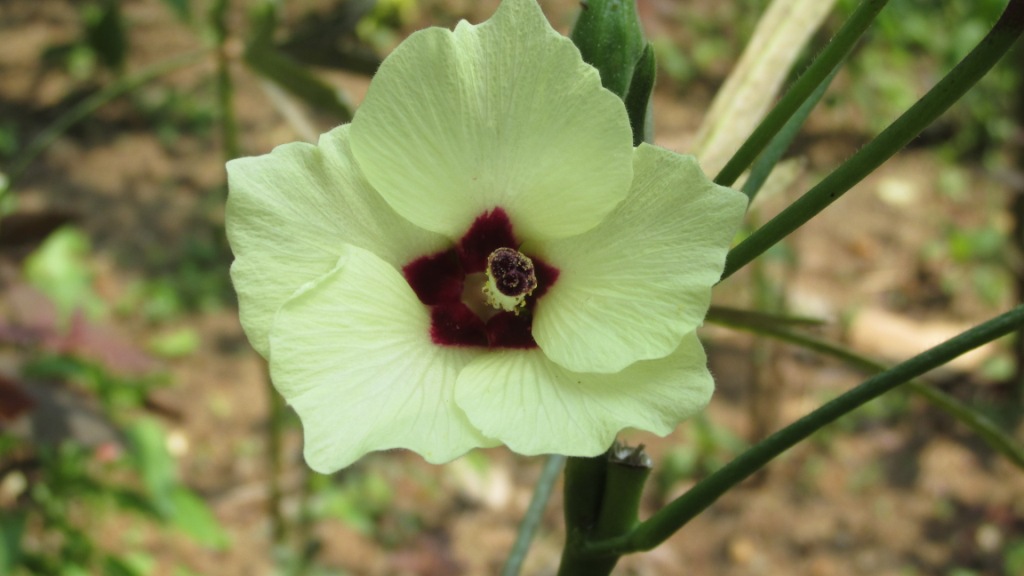
Okra
Okra is a flowering perennial plant that belongs to the mallow family with green edible pods that are widely used as a healthy vegetable throughout the world. These plants are cultivated in tropical, sub-tropical and warm regions.
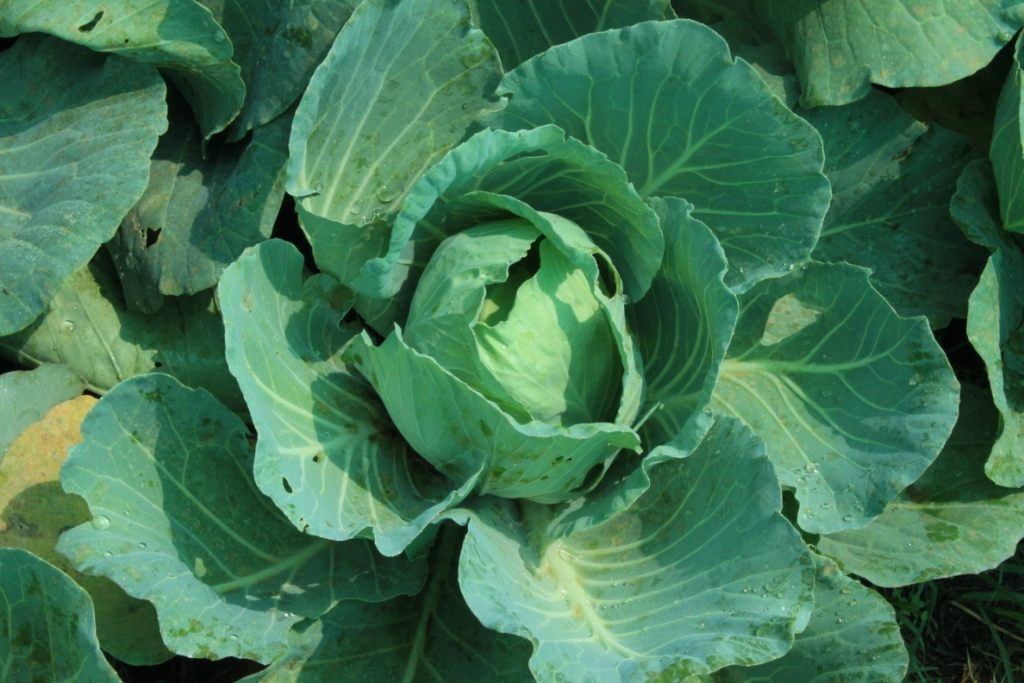
Cabbage
Cabbage is a powerfully medicinal vegetable that is a natural remedy for ulcers as it helps to clean the waste from the stomach and improves digestion. It is also proven to assist in the treatment of cancer. Continue reading
Malabar Nut (Adhatoda Vasica)
Malabar Nut is a large smooth-barked shrub endemic to the Western Ghats that grows up to 4-6 meters in height. The plant has been part of the the Ayurvedic pharmacopeia for 2000 years. The leaves are especially effective in treating irritating cough and other respiratory disorders. Midwives have also used the plant as a natural stimulant to labor. Continue reading
Trailing Eclipta (Eclipta aalba)
Trailing Eclipta is an erect annual plant with rooted nodes and many branches. The leaves have fibrous hairs on both sides and the flowers are white. These plants thrive in the high ranges of Kerala and the rest of Western Ghats. In Ayurveda these plants are effective in treating inflammation, filariasis, wounds, skin diseases, leprosy, jaundice and fever.
Thorn Apple (Devil’s Apple)
Thorn Apple is an erect succulent annual shrub which grows throughout India especially in the Western Ghats and is untended land, roadsides and farms. The plant is useful in treating asthma , cough ,fever ,ulcer and skin diseases Traditionally the roots are used to treat rabid dog bites and even insanity and the leaves are useful to treat epilepsy. Continue reading
Community Self-Help
Click the image above for the full story describing scientific investigation into a phenomenon that might be called an inverted Golden Rule:
…“Self-compassion is treating yourself with the same kindness and care you’d treat a friend,” says Kristin Neff, a professor of psychology at the University of Texas at Austin and the leading researcher in the growing field of self-compassion…
…A recent study at the University of California, Berkeley, suggests an even more surprising way to heighten self-compassion: acting compassionately toward others…
…“There was a unique benefit to giving support—the benefit wasn’t just from feeling connected or realizing that others had problems, too,” explains Breines, a doctoral candidate in psychology and the study’s lead author. During tough times, people naturally tend to focus on themselves and find it difficult to support others, she says. “But actually, as many people intuitively discover, taking the opportunity to support other people can make you feel better about what you’re going through.”…
Part-Time Vegetarianism
Always willing to join a conversation about (or over) food, I’ve been reminded by recent posts by Timothy and Crist of an interesting dietary strategy I discovered while living in Singapore: Meatless Mondays. I watched it as a news story over a year ago, around the same time I watched a TED talk by Graham Hill entitled Why I’m a Weekday Vegetarian. Both of these programs helped me to find a compromise that reconciles the cognitive dissonance I have as a meat-eater aware of the environmental implications of the livestock industry. 
It’s simple: Eat less meat. Continue reading
Lingual Limits & Elegant Etymology
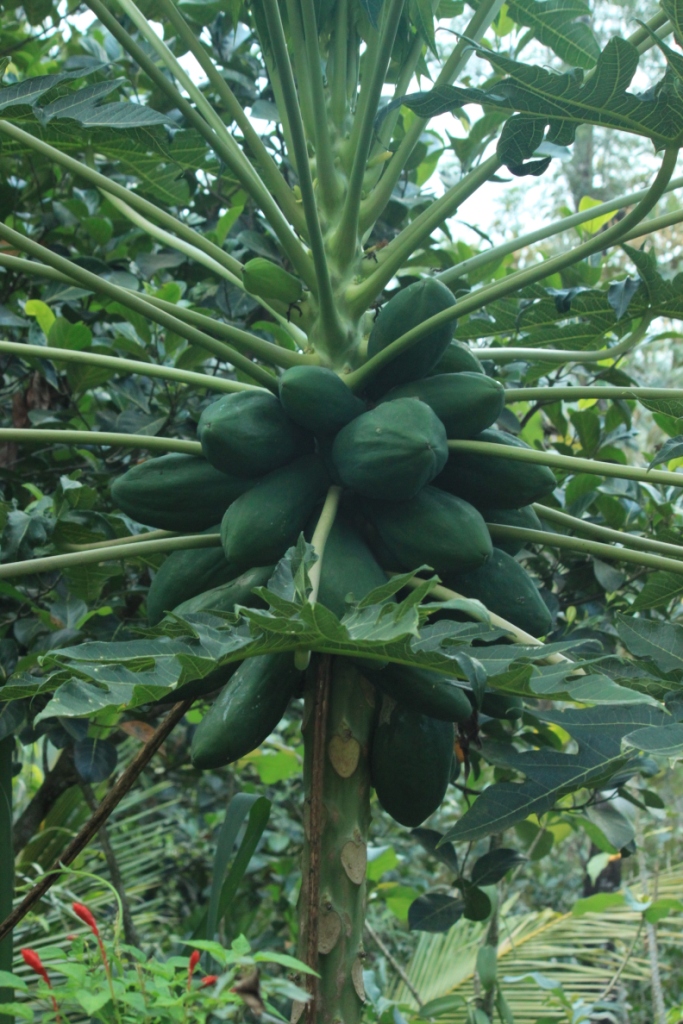
Papaya Fruit
Papaya is a tropical, tree-like plant found commonly in the Western Ghats of India that grows to a height of 15-30 ft with a single stem. The large (20-30in) leaves as well as the fruit grow up the central stalk in a spiral fashion. Continue reading
Greater galangal (Alpinia galanga)
This perennial tropical plant with an aromatic rhizome grows up to 5-6 feet tall. The plant belongs to the ginger family where the rhizomes are used for medicinal purpose. It has oblong, smooth leaves and fragrant, greenish white flowers.
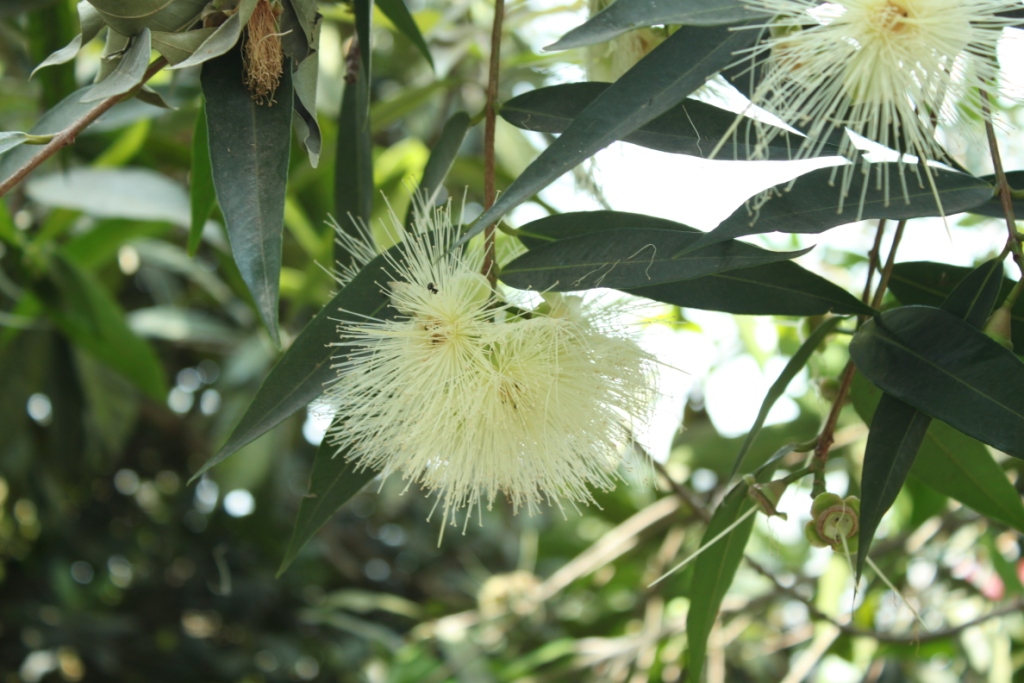
Malabar Plum (syzygium jambos)
This flower is the white variety of the Malabar Plum (Rose Apple) which is medium sized, tropical flowering tree that grows up to 15 meters high. This is the flowering season (March to May) for this tropical plant which yields white colored rose apple fruit.
Queen Flower (Lagerstroemia speciosa)
The Queen flower is a small to medium sized tropical flowering tree growing to a height of 20mts, native to southern India and the Philippines. It has smooth rounded leaves and beautiful lavender flowers which will add beauty to any landscape.
Khas Khas (Vetiveria zizanioides)
Khas Khas is an aromatic, perennial grass growing in wild planes and lower hills which grows to a height of 2 meter. It is native to the Western Ghats of India and is a common source of the well known oil of Vetiver which is used in medicine and perfumery.
Common Rue (Ruta graveolens)
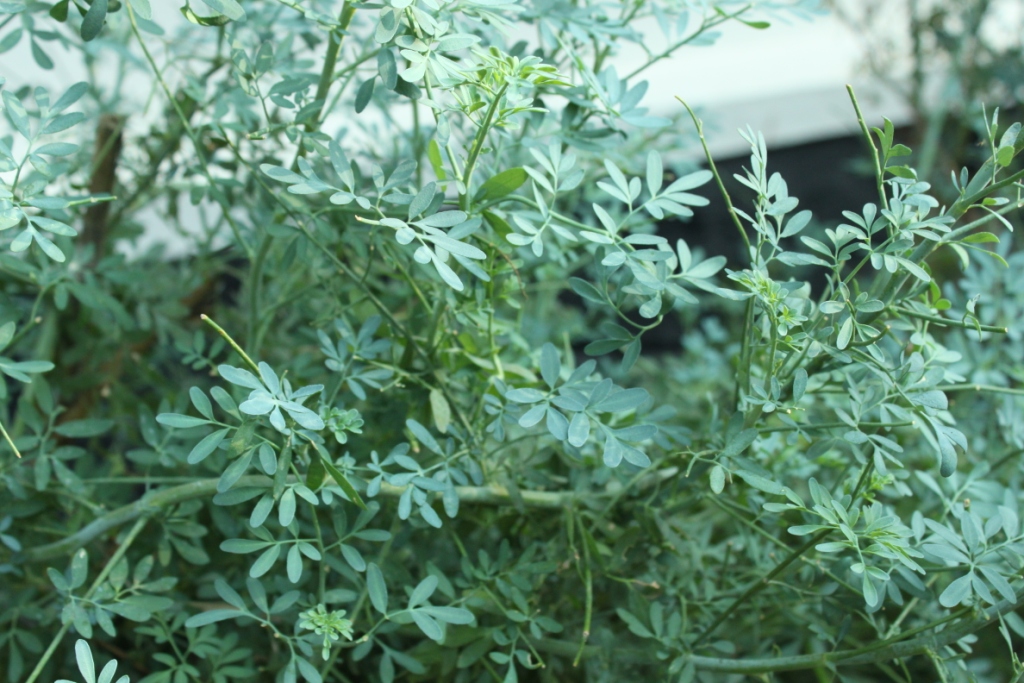
Common Rue is a perennial herb which grows up to 2-3 ft in height. This native of Southern Europe has established well in India’s Western Ghats. Its aromatic, evergreen bluish-green leaves have medicinal qualities, and the yellow flowers and fruits blossom from June to September.
Indian Borage (Plectranthus amboinicus)
Indian Borage (Plectranthus amboinicus) is a perennial herb which grows up to the height of 30 to 60 cm. It is in the coleus family in which the entire plant is succulent and does not become woody. The plant is also known as Mexican mint and Spanish thyme due to its strong flavor and aroma.
Garlic Vine (Mansoa alliacea)
The Garlic Vine is an ornamental plant with a woody stem growing as either a shrub or vine to a height of 2-3 meters. It has bright green leaves, strong twining tendrils and trumpet shaped flowers. The flowers bloom purple and change to a lighter shade of lavender with age, eventually fading to almost white. This climber is native to the Amazon forest but is currently abundant in southern India.
Bilimbi (Averrhoa bilimbi)
Tree sorrel or cucumber tree is a tropical fruit tree which reaches 35 ft in height. It is cultivated in southern India, where it is commonly called Bilimbi (Averrhoa bilimbi). In Kerala, it is widely used for making pickles. In other regions of the country, it is often eaten raw along with salt and chilli powder.
The Clove Tree (Syzygium aromaticum)
Clove is one of the best known spices in the world. The clove tree is an evergreen tree which grows up to 10-12 meters and the spice itself is the flowering bud of the tree. The green, unopened buds grow in a bunch and are harvested when bright red. When dried the buds become dark brown and are used as a spice in numerous cuisines of the world.