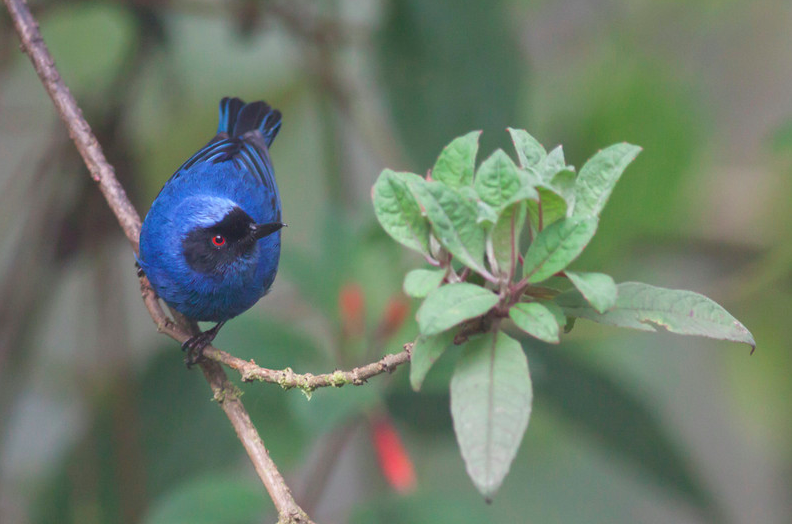
Bird of the Day: Masked Flowerpiercer (Yanacocha Reserve, Ecuador)
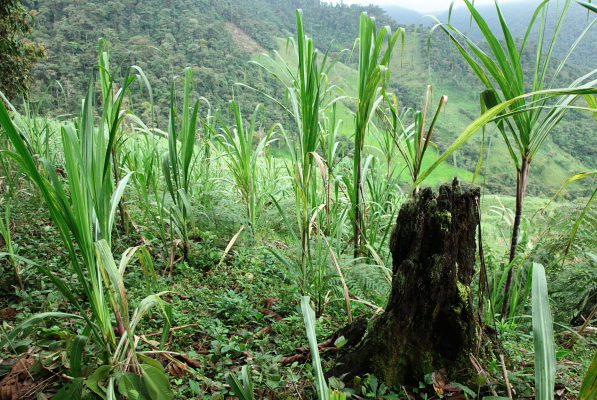
The sacrifices of agriculture are obvious to some, yet unperceived by others.
Good news: after lots of talking, listening, and uphill walking, we’ve completed our work in Barrio Nuevo. Researching the shade coffee project in Barrio Nuevo was extremely insightful. I admit, the success of the project was a bit disappointing, but this itself was a lesson in being more detached form one’s research. From a research standpoint, there’s nothing wrong with a project failing. What good would this evaluation be if we were only confirming that everything was going well?
So what went wrong? Why did it go wrong? How can it be fixed? And is there hope for agroforestry in Barrio Nuevo still? These are the questions I’ve been asking myself for almost a month and here’s what I’ve concluded from the first stage. Continue reading


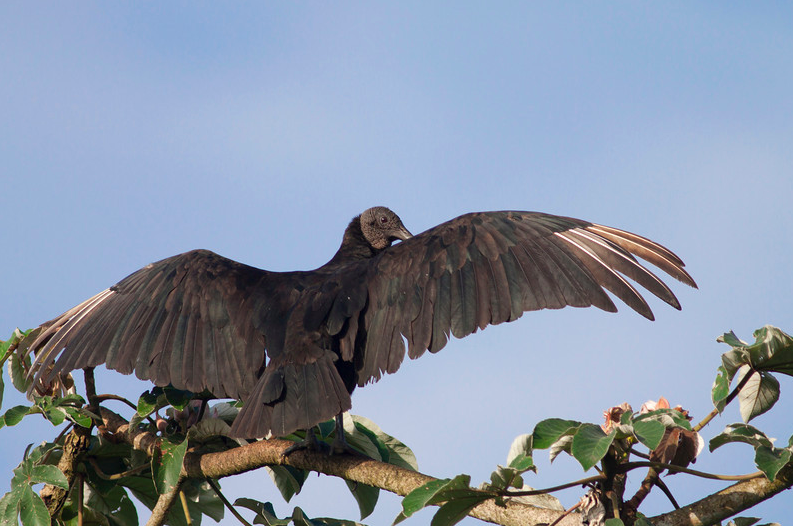
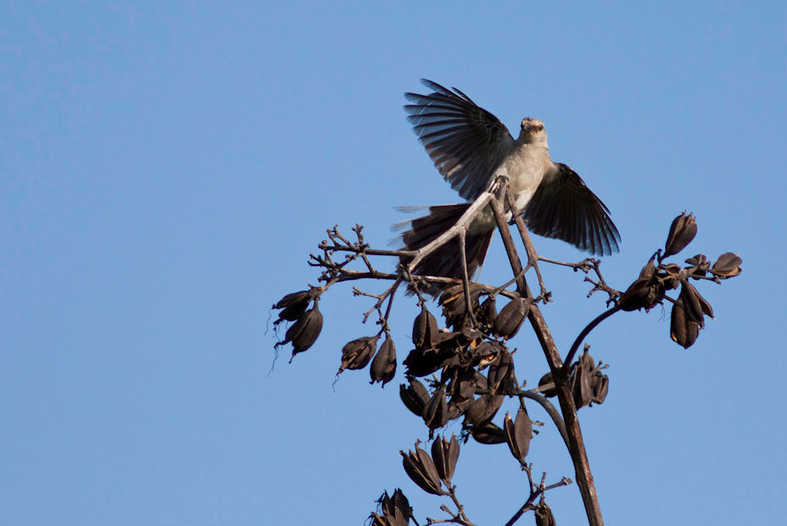
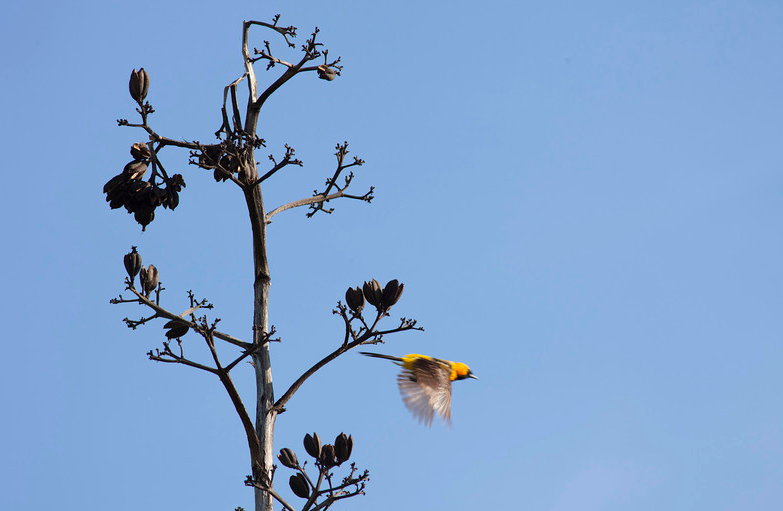
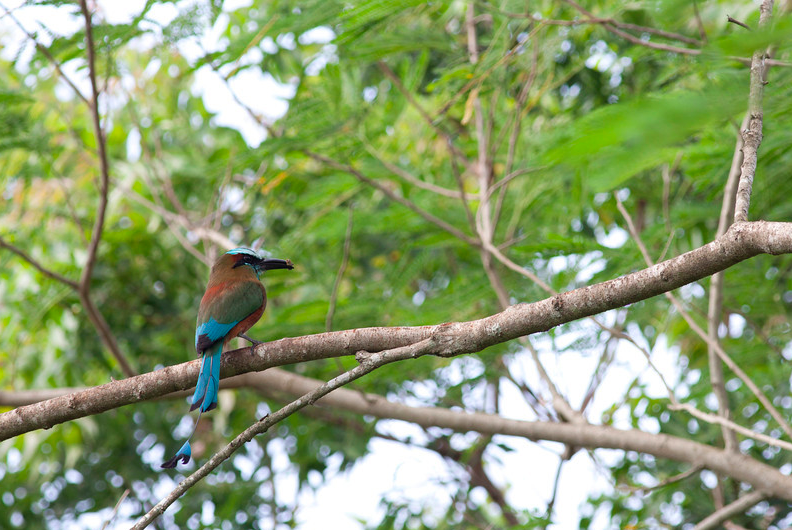
Ek Balam, Mexico
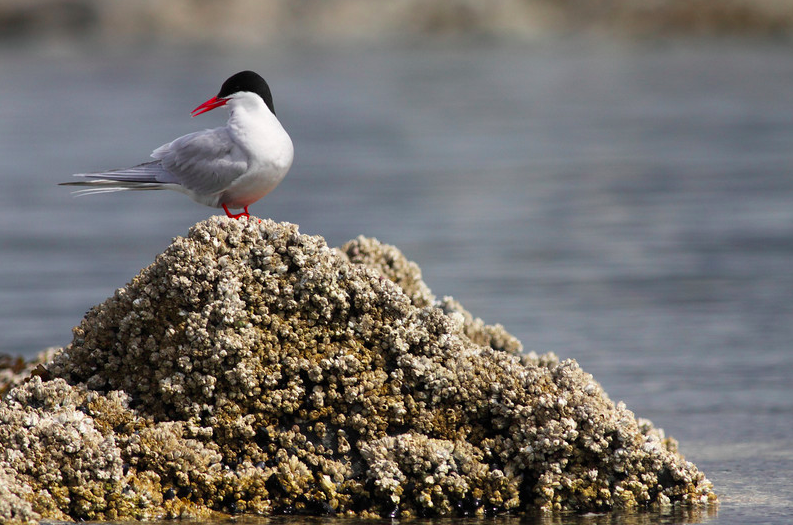


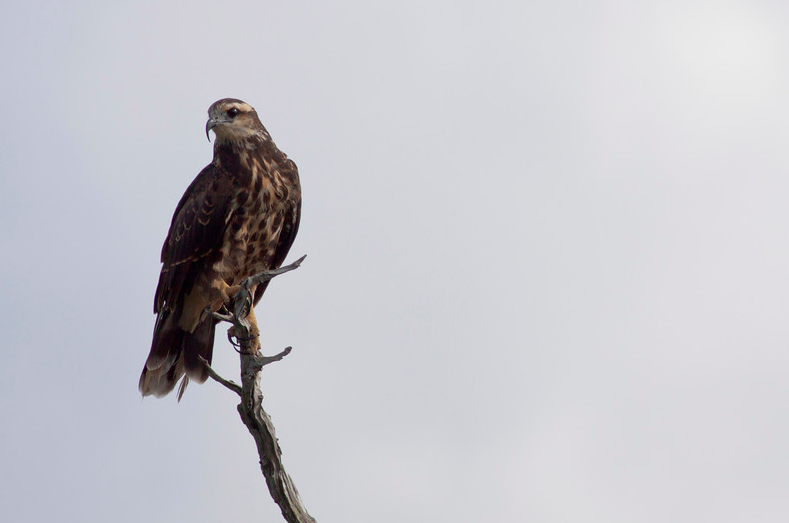
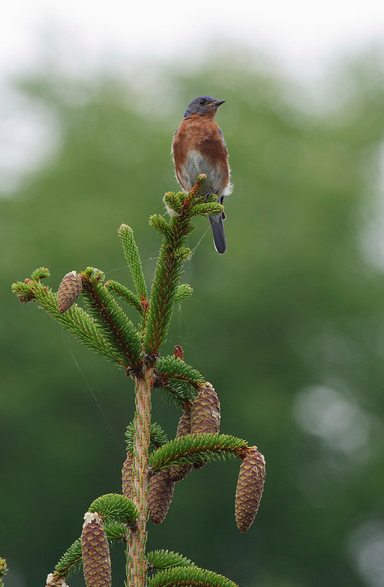
juvenile – El Cuyo, Mexico
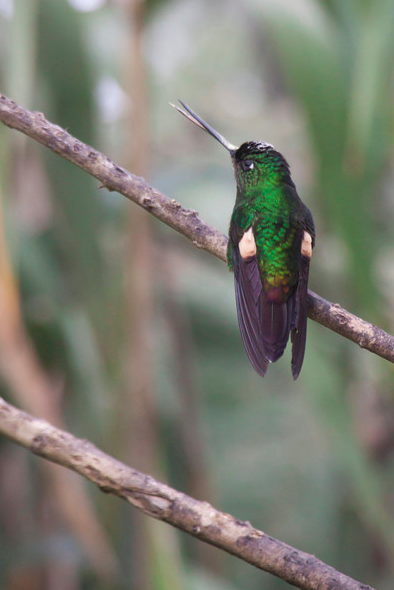
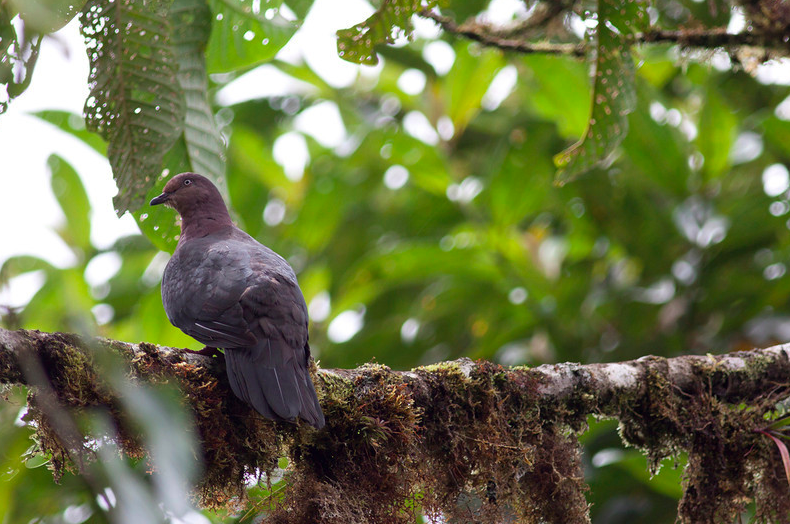
Yanacocha Reserve, Ecuador
This week Isabel and I continued to survey coffee producers and visit cafetales (shade coffee plots) while we also began interviewing ex-coffee producers (people who planted coffee but either have stopped harvesting it or never did) and conducting more conversational, open-ended interviews with coffee producers. Additionally, a baby cow was born on the farm and we have officially started to become sick of rice, beans, and soup.
Last week I wrote about the technical problems with shade coffee. This week I’ve learned much more about the social elements constraining it. One of the most common things we heard people say this week was that they don’t have time to work on their cafetales. By this they mean that they don’t weed it, fertilize it, or spray it to control pests and diseases. All they do is simply harvest it when it’s ready. It also means that they’re not willing to give up time from their other crops to dedicate to coffee. “Si carga, carga. Si no carga, no carga.” If it produces, it produces. If it doesn’t, it doesn’t. This attitude shows a serious lack of commitment and is also preventing people from seeing the true economic potential of this valuable crop. In our interviews we’ve been asking what people’s main sources of income are, and not one person has mentioned coffee.
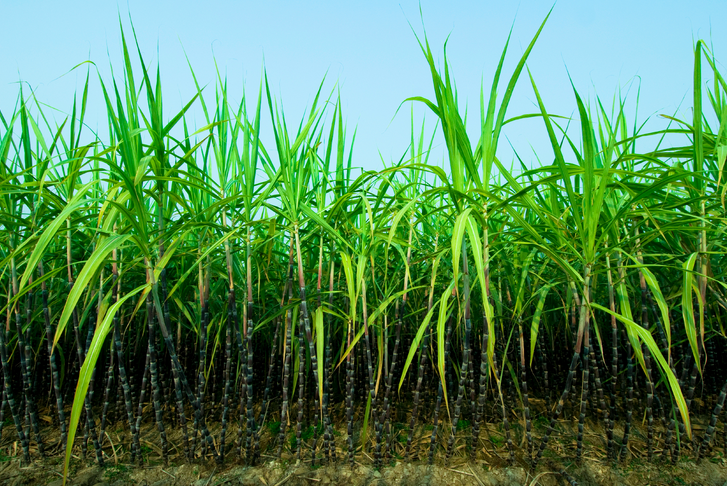
Why is this the case? Largely, because of subsistence agriculture and sugarcane. Here in Barrio Nuevo, cane is king. Continue reading
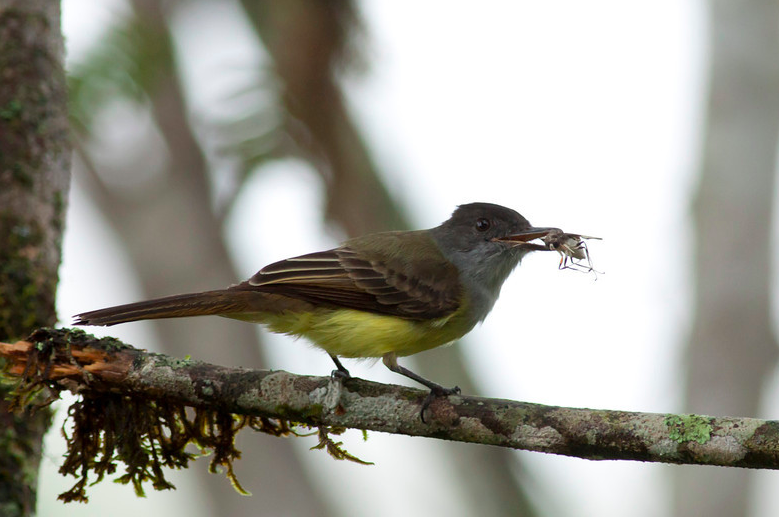


Ek Balam, Mexico

 Organikos