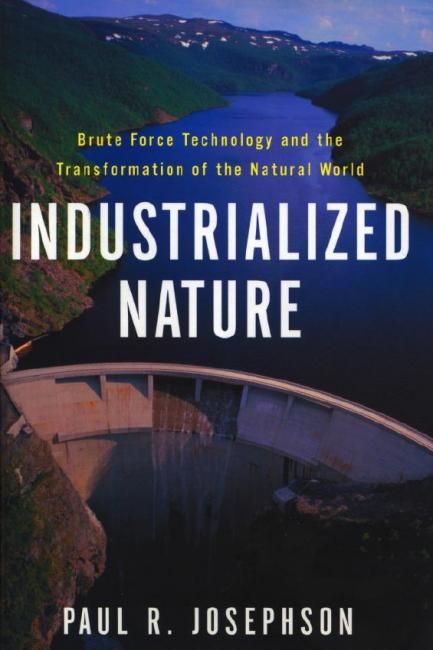
 In my last book review sourced from the course I’m taking on environmental history, I hinted that some of the authors we read were very keen to list our failures of the past and quantify the damage we’ve done. Paul R. Josephson, in his Industrialized Nature, does just this, seeking to demonstrate how large-scale resource management systems almost always ensure environmental degradation and long-term losses in different ways. Dubbing these systems “brute force technologies,” Josephson studies how they were employed by varied combinations of diverse political systems, social groups, and economic goals on different types of raw materials in several countries. All led to similarly disastrous results for the ecosystems in question, but, the author argues, man’s hubris is strong enough to convince political and scientific spheres that further innovation can solve problems and maintain profitable advances in the future. While describing the ecological damage caused by brute force technologies, Josephson makes sure to include social stresses inflicted upon local communities, such as native tribes and other underrepresented groups directly affected by the overwhelmingly negative changes.
-
Subscribe
Subscribed
Already have a WordPress.com account? Log in now.
 Organikos