Graphics For A Better World

09meanwhile-image1-superJumbo.jpg

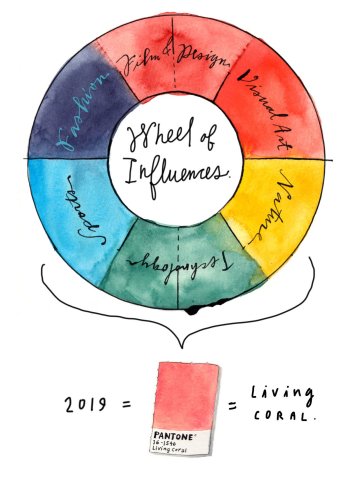
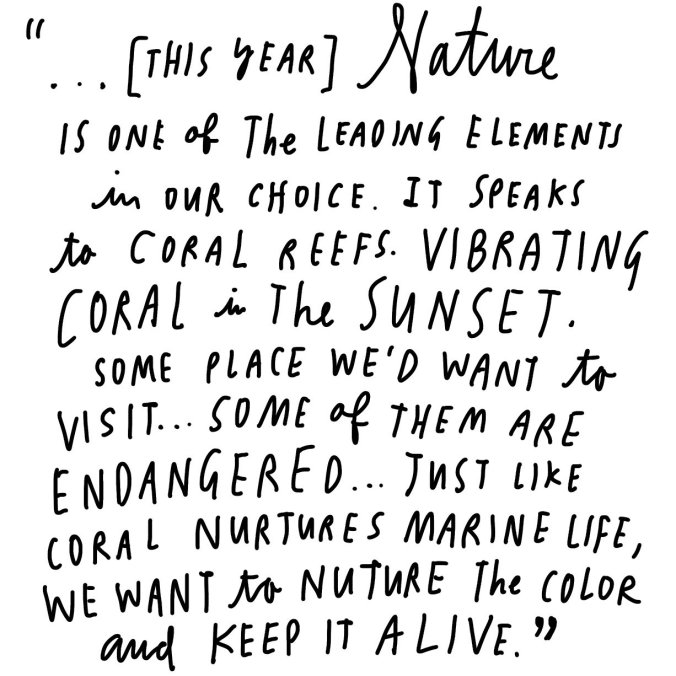
09meanwhile-image7-superJumbo.jpgClick the image above or to the left to go to the graphic narrative published in the New York Times by Wendy McNaughton, whose website is a treasure chest of visual wit and explanatory power.

I have heard of Pantone before, and probably even their Color of the Year tradition. But until seeing this I never cared enough to understand the meaning behind it.

Now I care. I will not explain why, instead suggesting you take three minutes to see how you respond.

Or maybe I will just hint that for me it has something to do with this panel, not just the words but how they appear on the page, and the communication of how corporate communications can sometimes be tone deaf if not color blind:

09meanwhile-image8-superJumbo.jpg

Naughty Behavior Will Not Be Tolerated

Thanks to the Guardian for the latest story in this series. We have avoided adding our voice to the many rightly concerned about the radically pro-extraction, carbon-freewheeling policies of the United States since early 2017. The concern is loud and widespread. We have listened. Today, reading this story, I pictured a naughty boy, a bully, getting away with bad behavior for an extended period. Any period of bad boy behavior is intolerable but it happens. Until it is no longer tolerated. Which eventually always happens. And that may be the best stand-in for optimism these days:

Lost lands? The American wilderness at risk in the Trump era

Exclusive: a new study reveals the vast extent of public lands being opened up to the energy industry. The Guardian heard from three communities on the frontlines

by Charlotte Simmonds, Gloria Dickie and Jen Byers

3872 (2).jpg

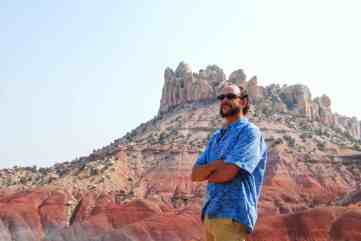
Colter Hoyt, an outdoors guide and conservationist, at Grand Staircase-Escalante. Photograph: Charlotte Simmonds for the Guardian

In the great expanses of the Grand Staircase-Escalante national monument, the silence hits you first. Minutes pass, smooth and unbroken as glass. The smallest sound – a breath of wind, a falling rock – can seem as loud as passing traffic.

Colter Hoyt knows this landscape well. As an outdoor guide, he walks the monument almost daily. Yet these days he is full of fear. This remote paradise of red rocks, slot canyons and towering plateaus faces an uncertain future, following a controversial presidential proclamation that removed 800,000 acres from the monument and opened land up for potential energy development.

When Trump took office in 2016, he promised the energy industry a new era of “American energy dominance”. This would only be possible by exploiting America’s 640m acres of public land: mountains, deserts, forests and sites of Native American history that cover more than a quarter of the country. Continue reading

Part Of The Solution

06CLI-AGRICULTURE1-jumbo.jpg

Harvesting soybeans in Mato Grosso, Brazil. Credit Yasuyoshi Chiba/Agence France-Presse — Getty Images

Thanks to Brad Plumer, whose reporting on environmental issues has been illuminating, for this fifth feature in our links out to stories that help us understand what we might do to be part of the solution:

Can We Grow More Food on Less Land? We’ll Have To, a New Study Finds

06CLI-AGRICULTURE2-jumbo

A farm in the Pays de la Loire region of France. Cows have an especially large environmental footprint. Credit Loic Venance/Agence France-Presse — Getty Images

WASHINGTON — If the world hopes to make meaningful progress on climate change, it won’t be enough for cars and factories to get cleaner. Our cows and wheat fields will have to become radically more efficient, too.

That’s the basic conclusion of a sweeping new study issued Wednesday by the World Resources Institute, an environmental group. The report warns that the world’s agricultural system will need drastic changes in the next few decades in order to feed billions more people without triggering a climate catastrophe.

The challenge is daunting: Agriculture already occupies roughly 40 percent of the world’s land and is responsible for about a quarter of humanity’s greenhouse gas emissions. But with the global population expected to grow from 7.2 billion people today to nearly 10 billion by 2050, and with many millions of people eating more meat as incomes rise, that environmental impact is on pace to expand dramatically. Continue reading

Spare, Share, Protect

CoffeePlantation_Indonesia_CIFOR_web.jpg

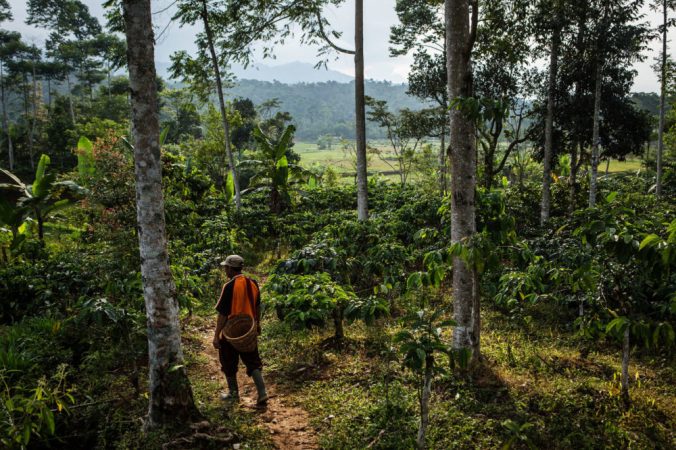
A farmer walks through his coffee plantation, which is integrated into the forest, in Lampung province, Indonesia. ULET IFANSASTI/CIFOR

Our work has required occasional philosophical reflection to get our bearings on the choices we have made on how to approach conservation. Share approaches such as the duck farming mentioned here, or the coffee farming mentioned here are equally as common as the spare approaches in our practice. I had not encountered these two terms until now, so thanks to Fred Pearce for this expansion of my vocabulary:

Sparing vs Sharing: The Great Debate Over How to Protect Nature

What is the best way to save nature – to cordon off areas for parks and open space or to integrate conservation measures on working lands? Recent research makes a case for each of these approaches and has reignited a long-standing debate among scientists and conservationists.

Vietnam_agriculture_CIFOR_web.jpg

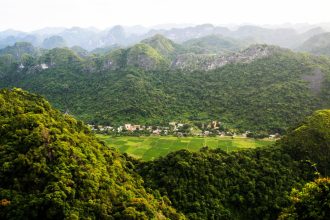
A farming village surrounded by undeveloped forests in the province of Quang Ninh, Vietnam. TERRY SUNDERLAND/CIFOR

It is one of the biggest questions in conservation: Should we be sharing our landscapes with nature by reviving small woodlands and adopting small-scale eco-friendly farming? Or should we instead be sparing large tracts of land for nature’s exclusive use – by creating more national parks and industrializing agriculture on existing farmland?

Wildebeest_Migration_in_Serengeti_National_Park_Tanzania_web.jpg

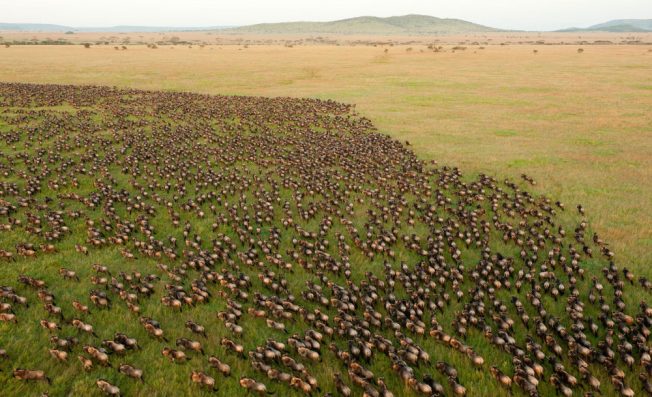
More than 1.5 million wildebeest migrate annually across Tanzania’s Serengeti National Park, which covers 5,700 square miles. DANIEL ROSENGREN / WIKIMEDIA

The argument between “sparing” and “sharing” as a conservation tool has been raging since researchers first coined the terms more than a decade ago. Arguably it began almost half a century before when Norman Borlaug, the father of the Green Revolution of high-yielding crop varieties, declared that “by producing more food per unit of cultivated area, more land would be available for other uses, including recreation and wildlife.”

LRivera_SparingSharing-print_web.jpg

LUISA RIVERA FOR YALE E360

E.O. Wilson’s 2016 book Half-Earth upped the ante by calling for us to extend protected areas from the current 15 percent of the earth’s land surface to 50 percent. Research studies and critiques have flourished on both sides. Continue reading

Stacked Stones Had Nothing To Do With It

SamariaC&A3.jpeg

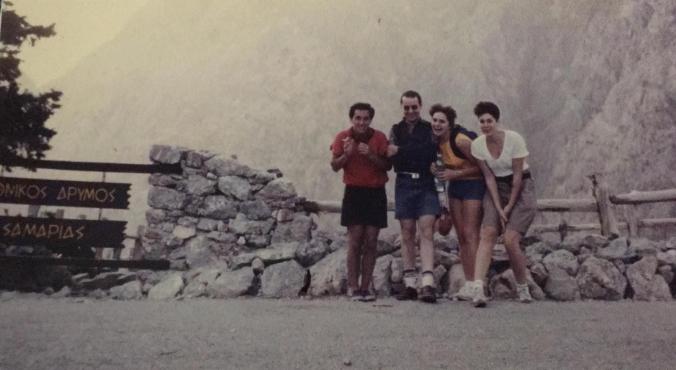
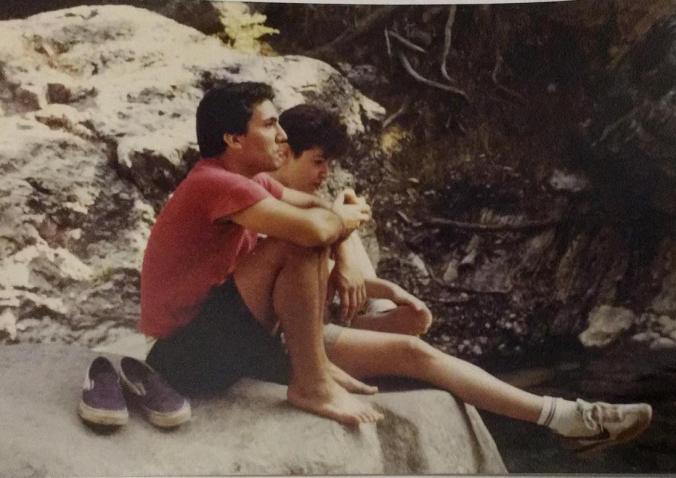
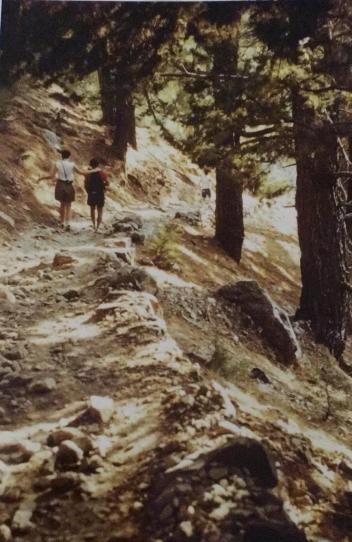
After writing yesterday’s post I got a message from the “new friend.” She is the one on the right in the photo above. I am the one on the left. My two childhood friends are in the middle. The new friend’s name, Amie, will be familiar to regular readers on this platform. After reading my post yesterday she sent me these three old photos. Above is at the top of the gorge, just as the sun is coming over the mountain. Dawn’s rosy tipped finger, someone among us surely said. By late morning, time for a fruit break, below is the place where I might have started thinking of stacking stones, in the figurative sense of wishing something of the future. But I did not then, nor do I now, believe in totemic powers of objects, or good luck.

SamariaC&A1.jpeg

I believed that a new friendship was sufficient good fortune, and being in that natural setting was the closest I got to worshiping things.

SamariaC&A2.jpegNo need to stack stones. As we made our way down to the bottom of the gorge, to where those sky-high rock walls allowed single file passage to the black stone beach, conversation was the thing.

The black stones were a surprise because they seemed to bear no relationship with the geology of the gorge. And I do remember now, playing with the stones, and surely stacking them while we sat there looking out to the sea, continuing the conversation. But I was not stacking stones in the way Sophie Haigney’s story refers to.

Really. I can say that with confidence because Amie reminds me that the oblong oval-shaped stones were not stackable. So I tried my best, but could not get one to rest upon another. That said, I am also confident that while not superstitious I was still able to make wishes, and then take actions to fulfill them.

Stop Stacking Stones

Samaria1.jpg

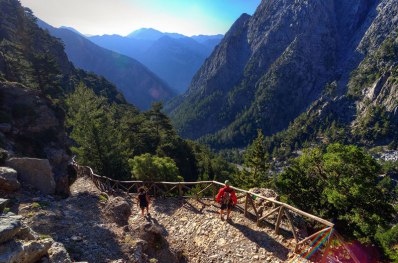
The steep downhill path starting from Xyloskalo

If I have done it, it would have been once. And hopefully less of an issue than the examples given in this story below. It was a day in September, 1983 and I had traveled to Greece with two childhood friends, all of us now in early adulthood.

With us was one new friend, who we had met in JFK airport just prior to departure.
The-river-crossing-Samaria-Gorge.jpg

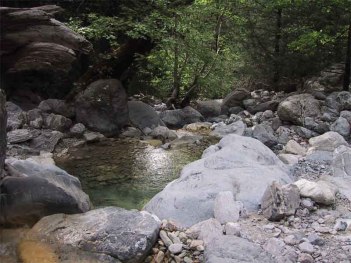
The peaceful river crossing Samaria Gorge

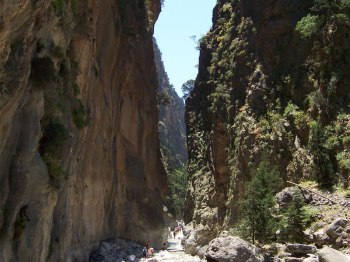
On the island of Crete, we left Xania well before sunrise to hike from the top to the bottom of Samaria Gorge, as far south in Greece as you can get and still be on land. With every switchback of our descent, I was getting more and more lost in conversation with our new friend, so that by the time we reached the bottom of the gorge I wondered where the day had gone. After a full day of hiking, lost in conversation or otherwise, the stones of the gorge play on your mind.

The-impressive-Portes-in-Samaria-Gorge.jpg

The impressive Portes in Samaria Gorge

At this point you pass through one last formation that is so stunning that if you had not been thinking of playing with stones until now, you had not been paying enough attention. And that was my case. I remember walking silently through this last section and not talking again until the very end, when you spill onto a beach formed by smooth black stones, facing south, nothing but water until you reach Africa. There, in Agia Roumeli, you can get a cool drink before a boat takes you back to Xania. And while you wait for the boat, if you have something to wish for, you may find yourself stacking those smooth black stones.

My photographs from that day, somewhere in storage, would show the beginning, long middle sections, and end of that day. If I did stack stones the evidence will be in those photos, and I will find them. For now I have linked to photos from the blog of a Cretan travel consortium to give a hint of what the place looks like, and as a recommendation to others to visit. Sophie Haigney, writing on the New Yorker website, gave me reason just now to think about my own culpability in what can now be described as a dangerous, destructive form of travel footprint, and I thank her for bringing this to our attention:
Haigney-Stone-stacking

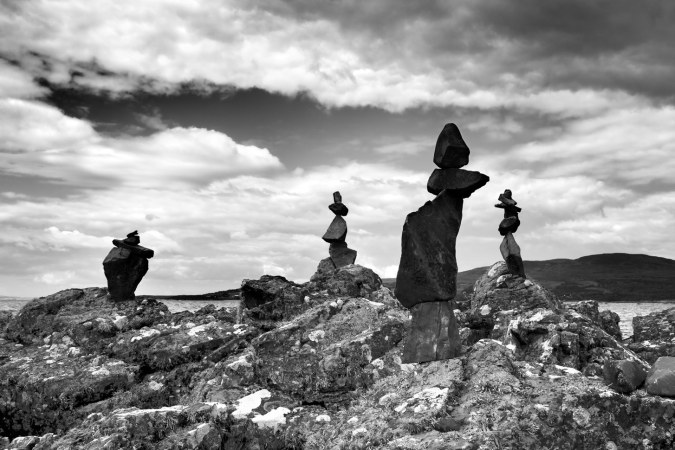
An Instagram trend that’s littering national parks with towers of carefully balanced stones, #StoneStacking can cause erosion and damage ecosystems. Photograph by Sam Oakes / Alamy

People Are Stacking Too Many Stones

The photograph in the Facebook post is pretty: piles of red rocks balanced at the edge of a cliff, suggesting a miniature mirror of the jagged rock face opposite. The stacks look like small shrines to mountain solitude, carefully balanced at the edge of a precipice. But when Zion National Park posted the photo, in September, the social-media coördinators for the park included a plea: “Please, enjoy the park but leave rocks and all natural objects in place.” The post noted the “curious but destructive practice” of building small stone towers, and said, “stacking up stones is simply vandalism.” Continue reading

Textiles, Traditions & Renaissance

26tmag-indigo-slide-WJCZ-superJumbo.jpg

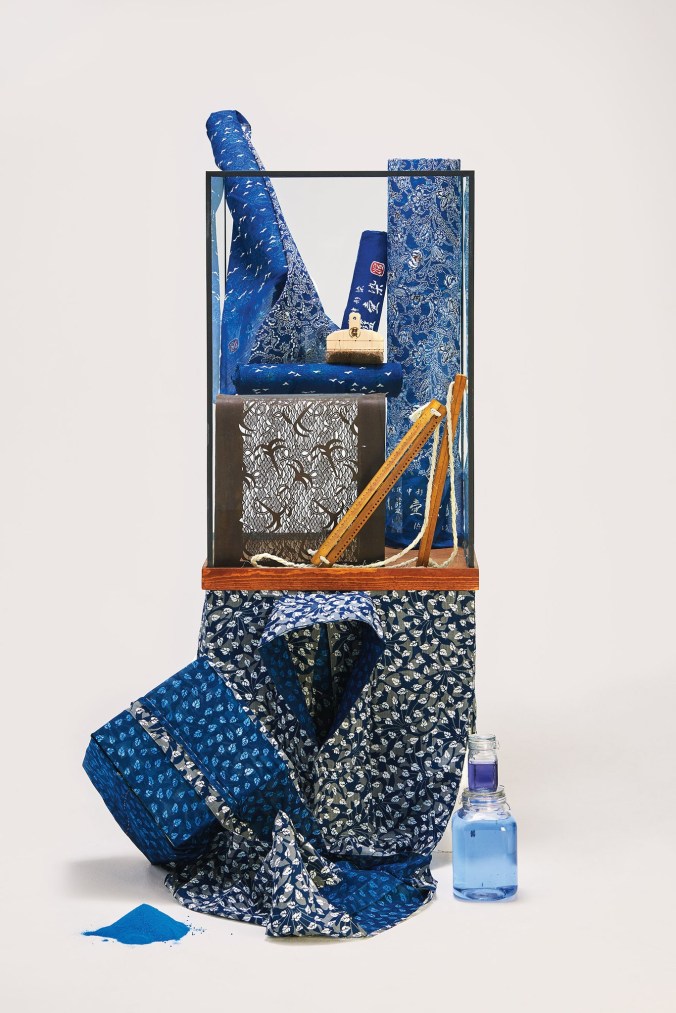
A collection of Kanji Hama’s beautifully hand-patterned and indigo-dyed fabrics along with tools of the craft. Credit Photograph by Kyoko Hamada. Styled by Theresa Rivera. Photographer’s assistant: Garrett Milanovich. Styling assistant: Sarice Olson. Indigo pieces courtesy of Kanji Hama

Two stories today about textile and tradition, the first more in keeping with our norm, but both heavy on the blues:

How a Japanese Craftsman Lives by the Consuming Art of Indigo Dyeing

There are some traditions that are universal. Here, we highlight a single craft — and how it’s being adapted, rethought and remade for the 21st century.

26tmag-indigo-slide-9B7X-superJumboKANJI HAMA, 69, has quietly dedicated his life to maintaining the traditional Japanese craft of katazome: stencil-printed indigo-dyed kimonos made according to the manner and style of the Edo period. He works alone seven days a week from his home in Matsumoto, Nagano, keeping indigo fermentation vats brewing in his backyard and cutting highly detailed patterns into handmade paper hardened with persimmon tannins to create designs for a craft for which there is virtually no market. Nearly identical-looking garments can be had for a pittance at any souvenir store.

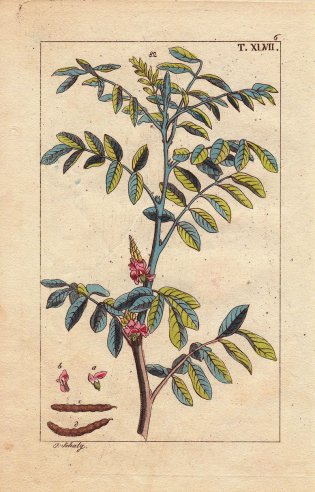
Indigo is one of a handful of blue dyes found in nature, and it’s surprising that it was ever discovered at all, as the plants that yield it reveal no hint of the secret they hold…

The story from Japan is about maintaining traditional craft and the story about flannel is about industrial renaissance.

29FLANNEL6-jumbo-v2.jpg

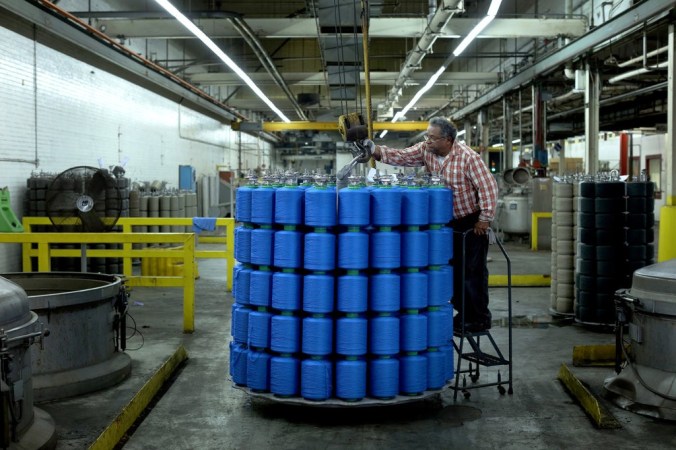
Blue state: Charlie Richmond pulls yarn from a dyeing machine on the floor of the Burlington Manufacturing Services plant in Burlington, N.C. Credit Travis Dove for The New York Times

I am not partial to either story. They make fascinating bookends:

The Annals of Flannel

Told that the cozy shirting fabric could no longer be made in America, one man began a yearlong quest.

29FLANNEL8-superJumbo-v3.jpg

An American Giant flannel shirt. Credit Travis Dove for The New York Times

Three years ago, Bayard Winthrop, the chief executive and founder of the clothing brand American Giant, started thinking about a flannel shirt he wore as a kid in the 1970s. It was blue plaid and bought for him by his grandmother, probably at Caldor, a discount department store popular in the northeast back then. The flannel was one of the first pieces of clothing Mr. Winthrop owned that suggested a personality.

“I thought it looked great,” he said, “and I thought it said something about me. That I was cool and physical and capable and outdoorsy.”…

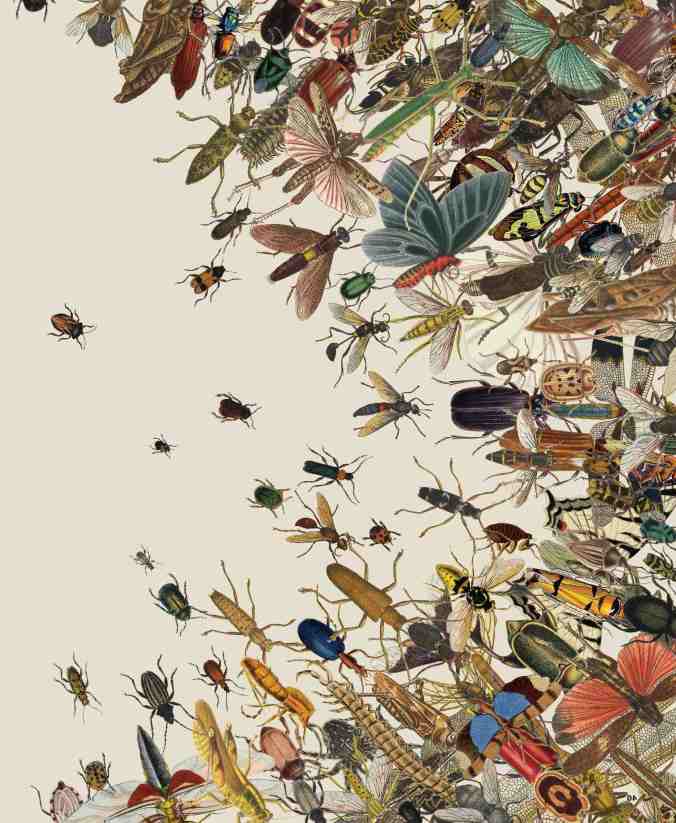
The Little Creatures We Cannot Live Without

02mag-insects-image1-superJumbo-v3.jpg

Photo illustrations by Matt Dorfman. Source photographs: Bridgeman Images.

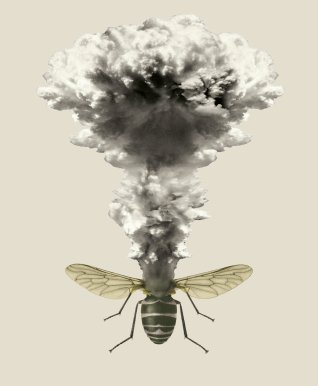
Brooke Jarvis has written a longform feature article with the word apocalypse in the title, which may make you wince and turn away. As might the word insect, even if you find the illustration above mesmerizing as I do. And reading to the end is an investment in time. But do not turn away just because the illustration below is alarming. It is another alarming topic we are responsible for taking account of.
02mag-insects-image2-superJumbo-v5.jpgSune Boye Riis was on a bike ride with his youngest son, enjoying the sun slanting over the fields and woodlands near their home north of Copenhagen, when it suddenly occurred to him that something about the experience was amiss. Specifically, something was missing.
It was summer. He was out in the country, moving fast. But strangely, he wasn’t eating any bugs.

For a moment, Riis was transported to his childhood on the Danish island of Lolland, in the Baltic Sea. Back then, summer bike rides meant closing his mouth to cruise through thick clouds of insects, but inevitably he swallowed some anyway. When his parents took him driving, he remembered, the car’s windshield was frequently so smeared with insect carcasses that you almost couldn’t see through it. But all that seemed distant now. He couldn’t recall the last time he needed to wash bugs from his windshield; he even wondered, vaguely, whether car manufacturers had invented some fancy new coating to keep off insects. But this absence, he now realized with some alarm, seemed to be all around him. Where had all those insects gone? And when? And why hadn’t he noticed? Continue reading

The Technology Of Negative Emissions

ClimeWorks_20170510DSC_6501_PhotosbyJuliaDunlop_web2.jpg

A direct air capture facility in Zurich, created by the Swiss-based technology company ClimeWorks. JULIA DUNLOP / CLIMEWORKS

I was not aware that Elizabeth Kolbert has been writing for Yale e360 for the entire time we have been linking to her New Yorker work on this platform. And then some, because she started publishing there ten years ago. This is her 17th publication for Yale e360 and it can help a layperson understand in a relatively short read whether technology has any chance of accelerating our progress on climate change mitigation:

Climate Solutions: Is It Feasible to Remove Enough CO2 from the Air?

A U.S. scientific panel reports that technologies that take CO2 out of the atmosphere could be a significant part of a strategy to mitigate global warming. In an e360 interview, Stephen Pacala, the panel’s chairman, discusses how these fast-developing technologies are becoming increasingly viable.

Is there still time to avoid runaway climate change? To a large degree, the answer depends on the feasibility of “negative emissions” — techniques or technologies that suck CO2 out of the air. In the latest report from the Intergovernmental Panel on Climate Change (IPCC), all scenarios for limiting warming to 1.5 degrees Celsius depend on negative emissions technologies, or NETs. Most 2-degree scenarios also rely on negative emissions; many call for removing billions of tons of CO2 per year by mid-century.

NETs_NationalAcademies_web.jpg

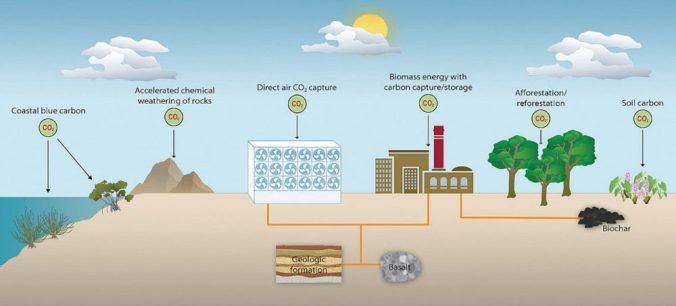
Negative Emissions Technologies (NETs) range from low-tech, such as planting more trees, to more high-tech options, such as developing machines to scrub CO2 from the air. NATIONAL ACADEMY OF SCIENCES, 2018

Yet most NETs remain either untested or unproved. To help bridge this gap, the National Academies convened a panel of scientists and asked it to propose a research agenda. The panel considered several possible techniques, ranging from the low-tech — planting more trees — to the high-tech — developing machines to scrub CO2 from the sky. It also looked at a hybrid technology that has become known as bioenergy with carbon capture and storage, or BECCS. The panel recommended several billion dollars be directed to research on NETs. Such technologies, it suggested, ought to be viewed as a “component of the mitigation portfolio,” rather than as a futuristic, last-ditch effort to reduce atmospheric CO2.

Pacala_IsometricStudios_web.jpg

Stephen Pacala. CREDIT: ISOMETRIC STUDIOS

Stephen Pacala, a professor of ecology and evolutionary biology at Princeton University, chaired the panel. In an interview with Yale Environment 360, he talks about why NETs are needed, what should be done to advance them, and why he believes that “direct air capture” technologies could come into widespread use within the next decade. Continue reading

Tim Wu’s New Book, The Curse Of Bigness

WuBig.jpg

In my occasional posts about Amazon over the past few years, it is becoming clear to me that I am concerned about the dangers that come from some of the foundational principles of business management, such as excellent customer service, and scale. I have not read his new book yet, but I listen to and read Tim Wu whenever I see an opportunity. His publisher has this to say:

So, I look forward to learning more about it. Today’s episode of The Daily has useful commentary on Amazon-related topics. Thanks to David Leonhardt for bringing Tim Wu’s new book to my attention:

The Monopolization of America

In one industry after another, big companies have become more dominant over the past 15 years, new data show.

The popular telling of the Boston Tea Party gets something wrong. The colonists were not responding to a tax increase. They were responding to the Tea Act of 1773, which granted a tea monopoly in the colonies to the well-connected East India Company. Merchants based in the Americas would be shut out of the market.

Many colonists, already upset about taxation without representation and other indignities, were enraged. In response, dozens of them stormed three ships in Boston Harbor on the night of Dec. 16, 1773, and tossed chests of East India tea — “that worst of plagues, the detested tea,” as one pamphlet put it — into the water.

A major spark for the American Revolution, then, was a protest against monopoly. Continue reading

News & Perspective

lead_720_405 (4).jpg

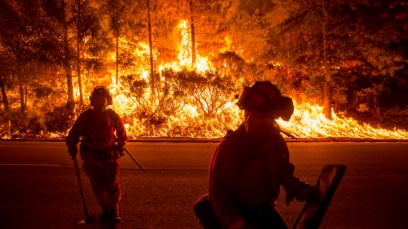
Firefighters battle the King Fire near Fresh Pond, California, in September 2014. NOAH BERGER / REUTERS

Posts like this one tend to not fare as well with readers visiting our platform. Whoever makes their way here is normally looking for what we normally offer, stories about entrepreneurial conservation. Which we believe can be a winning formula for the challenges at hand. But from time to time, we must acknowledge that the odds look grim.

merlin_146590158_372cbff0-acb2-4bf5-8308-f9b1c200405d-jumbo.jpg

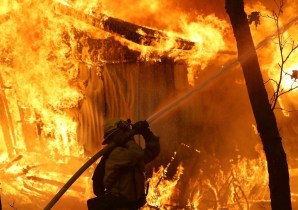
Fighting the Camp Fire this month in Magalia, Calif. Credit Justin Sullivan/Getty Images

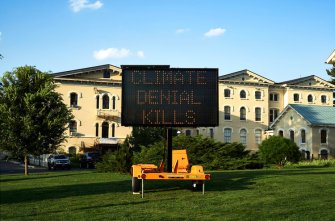
Two articles, both very well written, about the report warning of the dangers of climate change to the US economy, note that the report is not likely to have much impact. Because of Black Friday? No, because the forces behind willful ignorance have been at it for a long time, with plentiful resources to strengthen their game. This cartoon says more in fewer words than either article on why. Nathaniel Rich’s short essay, dark and stark and alarming, is akin. Bill McKibben, though, once again hits the nail squarely and firmly, and more effectively than news, because of his trench-based perspective:

181126_r33282.jpg

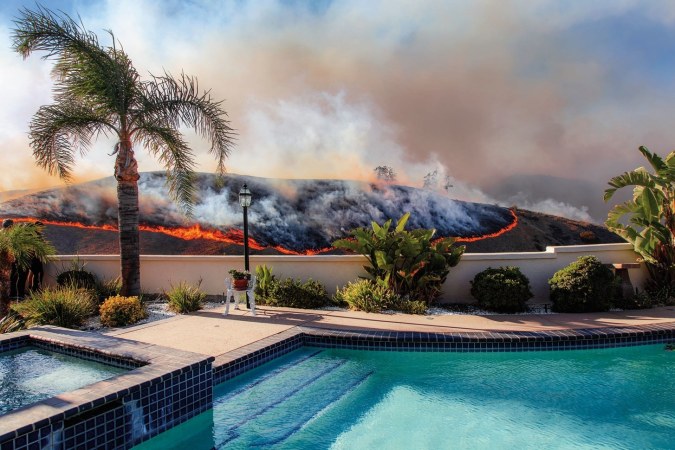
California is currently ablaze, after a record hot summer and a dry fall set the stage for the most destructive fires in the state’s history. Above: The Woolsey fire, near Los Angeles, seen from the West Hills. Photograph by Kevin Cooley for The New Yorker

How Extreme Weather Is Shrinking the Planet

With wildfires, heat waves, and rising sea levels, large tracts of the earth are at risk of becoming uninhabitable. But the fossil-fuel industry continues its assault on the facts.

Thirty years ago, this magazine published “The End of Nature,” a long article about what we then called the greenhouse effect. I was in my twenties when I wrote it, and out on an intellectual limb: climate science was still young. But the data were persuasive, and freighted with sadness. We were spewing so much carbon into the atmosphere that nature was no longer a force beyond our influence—and humanity, with its capacity for industry and heedlessness, had come to affect every cubic metre of the planet’s air, every inch of its surface, every drop of its water. Scientists underlined this notion a decade later when they began referring to our era as the Anthropocene, the world made by man.

I was frightened by my reporting, but, at the time, it seemed likely that we’d try as a society to prevent the worst from happening. Continue reading

Putting The Whole Earth Catalog Where It Belongs

Wiener-WholeEarth.jpg

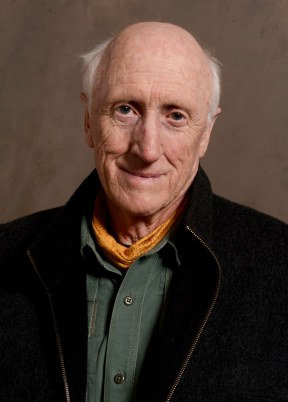
Stewart Brand published the final issue of the “Whole Earth Catalog” in 1971. Upon the title’s fiftieth anniversary, he reports feeling little nostalgia for the project. Photograph by Richard Drew / AP

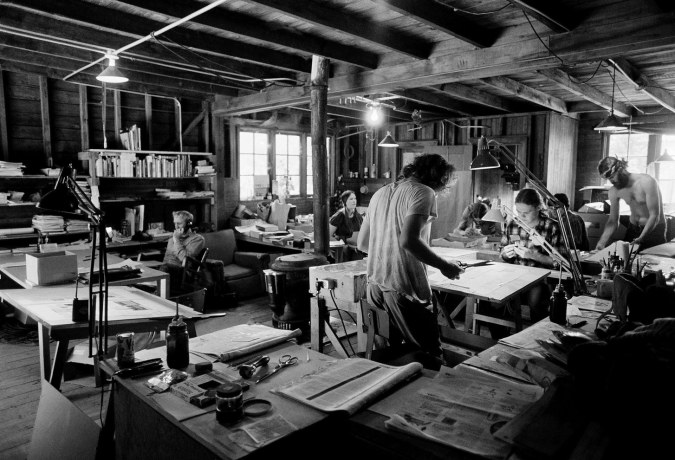
The intersection of mammoth and passenger pigeon had a quirky ring the first time I read about it. Stewart Brand, mentioned plenty previously in our pages, is a kind of genius of quirk, and deserves more attention. Not to pin present problems on him, but to understand the legacy of his masterpiece. I count myself an admirer. But an admirer with deep concern, not unlike what I feel about this other genius. Anna Wiener’s Letter from Silicon Valley, titled The Complicated Legacy of Stewart Brand’s “Whole Earth Catalog,” provides a perspective on Brand and his Catalog that captures my own concerns about the spawn of his quirk:

Wiener-WholeEarth-Secondary.jpg

Stewart Brand, in 2013. Larry Busacca

In the fall of 1968, the Portola Institute, an education nonprofit in Menlo Park, California, published the first edition of the “Whole Earth Catalog”: a compendium of product listings, how-to diagrams, and educational ephemera intended for communards and other participants in the back-to-the-land movement. The catalogue’s founder, Stewart Brand––a photographer, writer, former army lieutenant, impresario, and consummate networker––had spent part of the summer driving a pickup truck to intentional communities in Colorado and New Mexico and selling camping equipment, books, tools, and supplies to the residents. Brand returned to the Portola Institute (a gathering place and incubator of sorts for computer researchers, academics, career engineers, hobbyists, and members of the counterculture), hired a teen-age artist to handle layout, and began production on the catalogue’s first edition.

At the height of the civil-rights movement and the war in Vietnam, the “Whole Earth Catalog” offered a vision for a new social order—one that eschewed institutions in favor of individual empowerment, achieved through the acquisition of skills and tools. The latter category included agricultural equipment, weaving kits, mechanical devices, books like “Kibbutz: Venture in Utopia,” and digital technologies and related theoretical texts, such as Norbert Wiener’s “Cybernetics” and the Hewlett-Packard 9100A, a programmable calculator. “We are as gods and might as well get used to it” read the first catalogue’s statement of purpose. “A realm of intimate, personal power is developing—power of the individual to conduct his own education, find his own inspiration, shape his own environment, and share his adventure with whoever is interested.” Continue reading

The Climate Museum’s Climate Signals


My only wish is to have been able to share this earlier, during the exhibition’s run. But better late than never.

Kormann-Queens-Climate-Signals.jpg

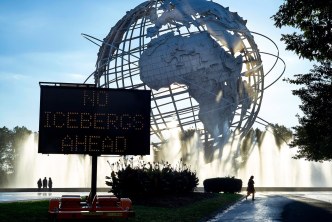
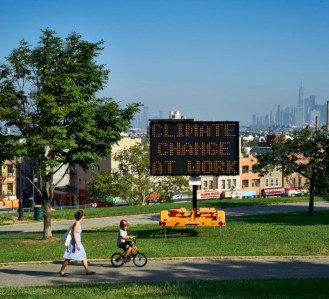
The “Ask a Scientist” event gives curious passerby the chance to pose their climate-related questions to scientists stationed around New York City. Photograph by Justin Brice Guariglia

Thanks to Carolyn Kormann for another fresh dose of creative rational thinking, with her short piece Ask a Scientist: How to Deal with a Climate-Change Skeptic:

Eliot Coleman’s New Organic Grower At 30

UrbFarm.jpgI have been linking to stories about urban farming more frequently, and it has been an interest since Milo first posted this during our second year living in India. A resource I have for staying attuned is the Urban Farm podcast. The most recent episode is about one of the pioneers of organic farming, and depending on your interests may be worth a listen. The images in the video above will help you decide whether listening to the podcast is a good investment of time. Click the image of the book, which he talks about in this episode, to go to the publisher’s description and click the banner immediately below to go to the farm’s website:

OrgGrowF.jpg

OrgGrow

Eliot has over fifty years’ experience in all aspects of organic farming, including field vegetables, greenhouse vegetables, rotational grazing of cattle and sheep, and range poultry. He is the author of The New Organic GrowerFour-Season Harvest,The Winter Harvest Handbook and an instructional workshop DVD called Year-Round Vegetable Production with Eliot Coleman – all published through our friends at Chelsea Green.

Eliot and his wife, Barbara Damrosch, operate a commercial year-round market garden and run horticultural research projects at their farm called Four Season Farm in Harborside, Maine.

In This Podcast:

In 1988, Eliot Coleman literally wrote the book on being an organic grower and has been an invaluable resource for organic gardeners and farmers for three decades. He only started growing food because it sounded like an adventure; and he learned how through books and making friends with farmers around the world. We learn who inspired and taught him, how he uses livestock on his farm, how he virtually moved his farm 500 miles to the south for the winter, and more. Continue reading

2018, The Year Food Waste Was Finally Taken Seriously

GI_Market_food_waste_web

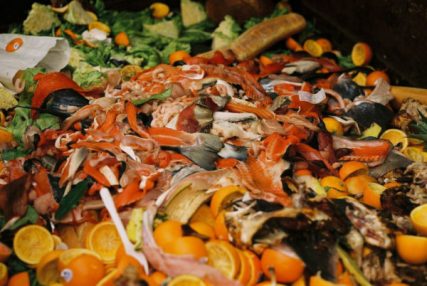
Americans throw away 133 billion pounds of food annually. TAZ/WIKIMEDIA COMMONS

This is the time of year, in the days prior to the USA Thanksgiving holiday, when I tend to recall the first time food waste, one of the oddest of plagues, came to my attention. Thank you Meg. And thanks to Yale e360 for reporting this heartening news:

In the first 10 months of 2018, investors poured $125 million into U.S. companies whose mission is to prevent food from going to waste, according to a new report.

ReFED, a non-profit dedicated to drastically cutting the amount of food that becomes spoiled or is wasted in the U.S., said that the investments spanned a wide variety of companies focusing on new technologies, software, and business-to-business solutions. They include Apeel Sciences, which received $70 million in private financing to produce a natural second skin to extend the life of produce; Food Maven and Full Harvest, each of which received $8.5 million to help businesses sell excess or less visually appealing produce; Spoiler Alert, which helps businesses better manage unsold food inventory; and ReGrained, which makes flour out of spent distillers grains. Continue reading

Defending Megafauna

Canby-Elephant-Path-Njaia-Njoku.jpg

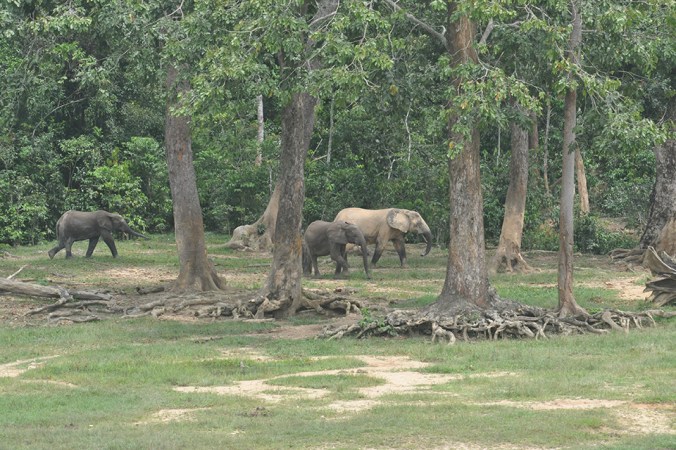
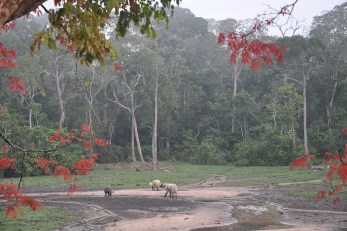
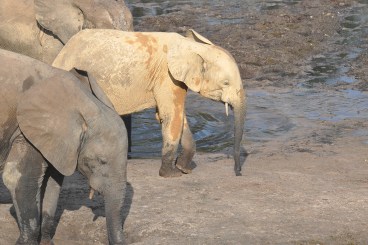
Perhaps as few as eighty thousand African forest elephants remain, and a new documentary explores the megafauna’s threats and defenders.Photograph Courtesy Elephant Path / Njaia Njoku

When we moved to Kerala in 2010 one of our motivations was that among the properties we would take responsibility for one was within a vast protected forest area in southern India. It was/is one of the great remaining habitats of elephants and tigers among other mammals, not to mention birds and all kinds of other life. Which is to say the ecosystem is intact enough to support apex predators and their megafauna prey, and everything around them and below them in the food chain. Which makes their viability as species possible. We networked as much as possible with scientists whose initiatives seemed relevant to our own.  Todd McGrain somehow escaped our attention until now, even though his work at the Lab of Ornithology should have caught it the way other artists’ did. Thanks to Peter Canby for pointing us here, and we have taken the liberty of inserting some of Tom’s other photos within the text below, which you can click on to go to one of his websites to learn more:

EP_0277.jpg

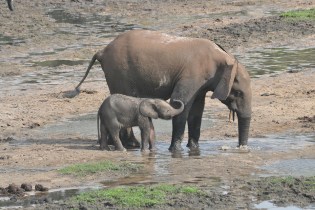
EP_0419.jpgIn Africa, there are two kinds of elephants: savanna and forest elephants. The species diverged somewhere between two and six million years ago, with the better-known savanna elephants spreading over the plains and open woodlands of Eastern, Southern, and Western Africa while forest elephants stayed behind in the dense forests at the center of the continent. Although the two occasionally hybridize, they are widely viewed as separate species. Forest elephants are smaller, with smaller and straighter tusks. The size of their tusks, however, has not protected them from rampant poaching, because the tusks have a distinctive hue, sometimes known as “pink ivory,” that has made them particularly valuable.

EP_0634.jpgSomething about the nobility of forest elephants regularly raises concern for their extinction. The tropical forests of the Congo Basin, once considered impenetrable, are now yielding to logging roads, mines, and even palm-oil plantations. In 2013, a widely respected study by Fiona Maisels, of the Wildlife Conservation Society, found that, between 2002 and 2011, the population of forest elephants had declined by sixty-two per cent. Perhaps as few as eighty thousand remain. The story of these declining numbers is also a story of habitat destruction. Where forest elephants exist in an undisturbed state, they build networks of trails through the deep forest. These trails connect mineral deposits, fruit groves, and other essentials of forest-elephant life. In Central Africa, there are dozens of fruit trees whose seeds are too large to pass through the guts of any other animal and for which forest elephants have evolved as the sole dispersers. These trees line the forest-elephant paths. Where elephant populations are disturbed, the paths disappear.

EP_0480.jpgMatt Davis, a researcher in ecoinformatics and biodiversity at Aarhus University, in Denmark, recently published a paper arguing that we are entering a period of extinction of large mammals akin to the scale of the extinction of the dinosaurs. “We are now living in a world without giants,” he told the Guardian, and went on to detail the many ecological consequences of the loss of megafauna. When I asked John Poulsen, an assistant professor of tropical ecology at Duke’s Nicholas School of the Environment, if this observation could apply to the role of forest elephants, he said, “Absolutely.”

The sculptor Todd McGrain has made a name for himself, over a thirty-year career, as the creator of sculptural monuments to birds that have been the victims of “human-caused extinction.” It’s not, therefore, entirely surprising that he has directed a documentary about forest elephants, “Elephant Path / Njaia Njoku,” showing at New York’s DOC NYC film festival this Wednesday and Thursday. McGrain’s subjects have included, among others, the passenger pigeon, the great auk, the Labrador duck, the heath hen, and the Carolina parakeet. When McGrain was the artist in residence at the Cornell Lab of Ornithology, Katy Payne, founder of the Elephant Listening Project at the Bioacoustics Research Program, introduced him to something she had discovered: forest-elephant infrasound, which is how elephants communicate inside the forest, at a frequency too low for human ears to register. She pitched up the recordings of elephant calls so that McGrain could listen to them. “I couldn’t help but hear them as bird calls,” he told me. “It was the complexity of their language that grabbed me.” Continue reading

When Alarmism Is Required

Greenpeace_IllegalLoggingBrazilIndigenousLands_web.jpg

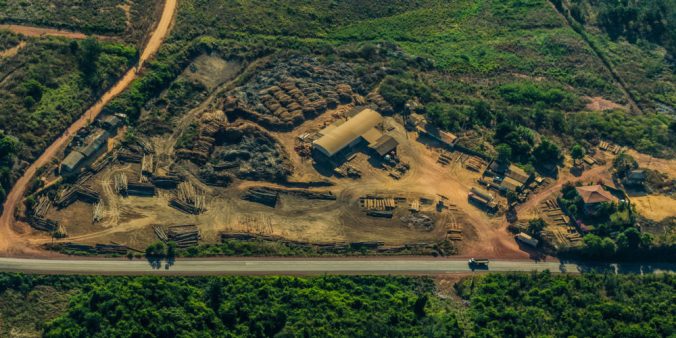
An illegal logging in the Alto Turiacu indigenous territory in Brazil’s Maranhão State in 2015. FÁBIO NASCIMENTO / GREENPEACE

Trust, a kind of social glue, keeps us from having to think nonstop about worst case scenarios. We trust that those with authority, whether intellectual or political, will use it responsibly. Thinking about this recently, I have been adjusting where I have least and greatest trust that responsible environmental actions are taken. Today I have made an adjustment on the former. The USA’s political leadership has been at the forefront of my thought when it comes to least responsible, least trustworthy actions. Philip Fearnside, an ecologist at the National Institute for Research in Amazonia (INPA) in Brazil, studies the consequences of deforestation in the world’s largest tropical forest, so his word carries scientific weight for me. He has put in perspective why I should turn my attention to Brazil:

Why Brazil’s New President Poses an Unprecedented Threat to the Amazon

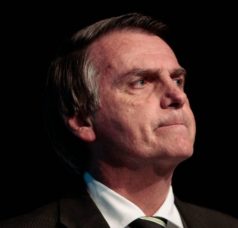
Newly elected Jair Bolsonaro, an authoritarian nationalist sometimes called the “tropical Trump,” has staked out an environmental agenda that would open the Amazon to widespread development, putting at risk a region that plays a vital role in stabilizing the global climate.

BrazilElection2018_IndigenousProtester_Getty_web.jpg

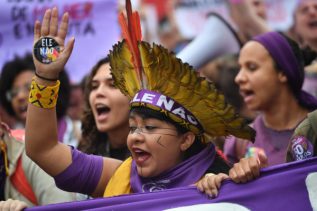
An indigenous woman protests against then-candidate Jair Bolsonaro, who has promised to ban the creation of new protected areas or indigenous territories, in Sao Paulo in October. NELSON ALMEIDA/AFP/GETTY IMAGES

For people concerned about the environment and climate change, U.S. President Donald Trump has proven to be as bad, or worse, than feared. He is in the process of pulling the United States out of the Paris Agreement, continues to flatly dismiss the science of human-caused global warming, and has worked ceaselessly to undo environmental regulations and weaken environmental agencies.

JairBolsonaro_Getty_web.jpg

Brazil’s president-elect, Jair Bolsonaro, has pledged to dismantle the country’s environmental regulations. MIGUEL SCHINCARIOL/AFP/GETTY IMAGES

Now, however, a new leader has emerged on the world stage who is poised to do even more global environmental damage than Trump. He is Jair Bolsonaro, the recently elected president of Brazil, and his extreme views on the environment, coupled with his control of nearly all the country’s levers of power, means that he is now in a position to do unprecedented harm to the Amazon and the international battle to slow climate change.

Not for nothing is Bolsonaro known as the “tropical Trump.” The parallels are many, including their embrace of the far right and their inflammatory rhetoric. And among their similarities is the way that a constant barrage of outrageous comments diverts discussion from the environmental damage that their policies portend. Continue reading

The Great Lakes And Unexpected Consequences Of Human Interventions

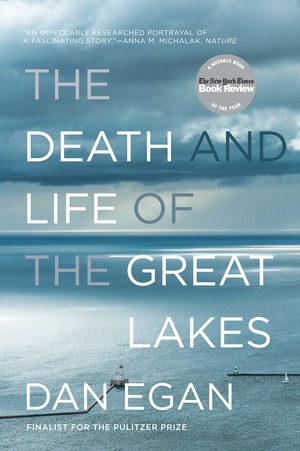
9780393355550_300.jpegI was not aware of this book until listening today to its author spend an hour talking about it. And that happened because of a radio program that I listened to during graduate school, which like most radio shows is now available as a podcast. The discussion was all about unintended ecological consequences of what seemed like smart decisions at the time, going back centuries and up to the present day.

It was interesting enough to search for more information about the book. In the process I found a book club that in turn led me to the book review that is just what I was looking for to complement the author interview:

In the oceanic depths of the Great Lakes, life and death swirl like coffee and cream. Growing up on the western shores of Lake Michigan, I knew this instinctively. The lake provided our drinking water and a place to cool off in the summer, but it also occasionally coughed up millions of small dead fish called alewives, which littered the shoreline, giving off an aquarial reek.

28Moor-articleLarge.jpg

Great Lakes vampires: Lampreys latch on to a brown trout.
 Credit James L. Amos/National Geographic, via Getty Images

As long as the town deemed the water’s bacteria count low enough, we kids would go swimming or fishing (though we weren’t allowed to eat what we caught). Our moms would sit on towels on the pebbled beach, misted with sweat, paging through magazines. “Do you go in?” they would ask one another, with widened eyes and a half-ironic cringe. Oh no, it was much too cold, or too polluted, they inevitably replied. Nevertheless, the lake served as the axis mundi of our little universe; when people gave directions, they were often oriented “toward the lake” or “away from the lake.” The name of our town had “lake” in it; the town next door did too. Both lay within Lake County. We were lake people. Continue reading

Trust & Responsibility

4284

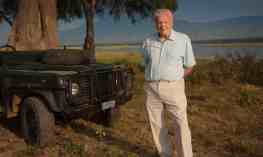
Sir David Attenborough on location for the new series. Photograph: Nick Lyons/BBC NHU

There are few people featured as frequently in our pages since 2011. His documentation of the wonders of nature surely qualifies as a major contribution to humanity. He has a new series and as always we link out to it here. But with it, some questions arise based on an interview he recently gave to Jonathan Watts, the Guardian’s Global Environment Editor, to promote the series:

David Attenborough: too much alarmism on environment a turn-off

Veteran broadcaster says Dynasties, his new BBC wildlife series, will be gripping, truthful and entertaining but not overtly campaigning

I am susceptible to those questions, especially after reading Guardian columnist (another frequent subject in our pages) George Monbiot’s editorial below. Just because David Attenborough is a hero does not mean he is always right. These two items are both worth a read and further consideration about the responsibility that comes with trust, well-earned, but whose value perhaps should be employed for campaigning considering what is at stake. I find myself surprised to reflexively lean in to this editorial argument, because the mission of our platform here is to emphasize creative, entrepreneurial approaches to conservation. While we chose at the outset to not focus exclusively on feel-good stories, we also do not serve up excessive doom and gloom because there is plenty of reporting on that for anyone paying attention. Maybe my surprise is more that a hero of nature-lovers reveals himself to explicitly avoid campaigning when he knows better than most from decades of close observation what the planet has been losing during his lifetime.

David Attenborough has betrayed the living world he loves

By downplaying our environmental crisis, the presenter’s BBC films have generated complacency, confusion and ignorance

3909

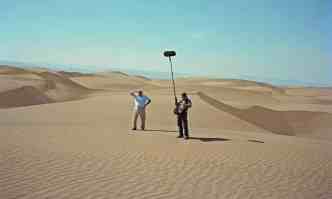
David Attenborough filming the BBC series Africa in the Suguta Valley, northern Kenya. Photograph: David Chancellor/BBC

Knowingly creating a false impression of the world: this is a serious matter. It is more serious still when the BBC does it, and yet worse when the presenter is “the most trusted man in Britain”. But, as his latest interview with the Observer reveals, David Attenborough sticks to his line that fully representing environmental issues is a “turn-off”.

His new series, Dynasties, will mention the pressures affecting wildlife, but Attenborough makes it clear that it will play them down. To do otherwise, he suggests, would be “proselytising” and “alarmist”. His series will be “a great relief from the political landscape which otherwise dominates our thoughts”. In light of the astonishing rate of collapse of the animal populations he features, alongside most of the rest of the world’s living systems – and when broadcasting as a whole has disgracefully failed to represent such truths – I don’t think such escapism is appropriate or justifiable. Continue reading

On A Lighter Patrimonial Note

08wesanderson-5-superJumbo.jpg

“Cabinet of Curiosities” by Frans Francken the Younger, circa 1620-25. Credit Mustafah Abdulaziz for The New York Times

KHM-Wes-Anderson-5-683x1024.jpg

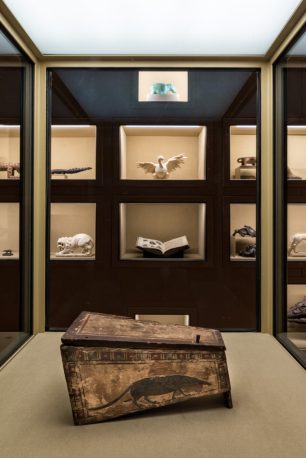
Exhibition view of “Spitzmaus Mummy in a Coffin and other Treasures.” © KHM-Museumsverband.

Yesterday’s post about pre-history sleuthing coincided with my reading about this new exhibition. In our home we have a cabinet of curiosities. I also tend to like Wes Anderson films. So I had to learn more.

What is a spitzmaus, how might one have gotten mummified, and who put it in a coffin? More to the point, when and where might I see such a thing? Will it be worth the journey?

The review of this exhibition has more of a fashion review feel to it, especially with the headline photo (below, at the start of the review) and mention of celebrities in the early paragraphs. It almost made me bypass the story. But credit to Cody Delistraty for letting Mustafah Abdulaziz’s excellent photos from the exhibition speak prominently throughout the rest of his review. There are a couple of one minute videos that make clear the answers to the latter two questions:


The one above has a fleeting sense of Wes Anderson to it, whereas the one below is straightforward curator-speak:


But still, what is a spitzmaus?

08wesanderson-11-jumbo.jpg

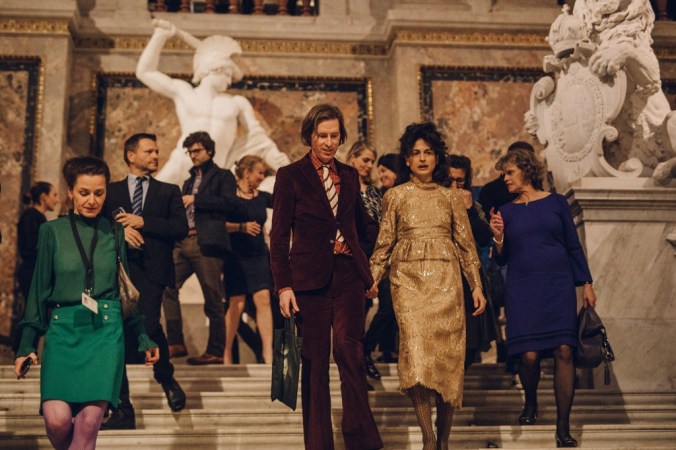
Wes Anderson with his partner, the author and designer Juman Malouf, at the opening of the exhibition they curated. Credit Mustafah Abdulaziz for The New York Times

Wes Anderson, Curator? The Filmmaker Gives It a Try

Mr. Anderson and his partner, Juman Malouf, were given free rein in Austria’s largest museum. But you can’t make an exhibition as you would a movie, our critic writes.

merlin_146431551_117bda51-c727-430d-9392-cd56e5622b6e-superJumbo.jpg

The exhibition “Spitzmaus Mummy in a Coffin and Other Treasures” was put together from objects in the collection of the Kunsthistorisches Museum, Austria’s largest. Credit Mustafah Abdulaziz for The New York Times

VIENNA — Wes Anderson looked tired. The filmmaker was wearing a red blazer and a striped tie, standing beneath the elaborate 19th-century cupola of the Kunsthistorisches Museum. His partner, the author and designer Juman Malouf, was by his side.

Dozens of friends — the actors Tilda Swinton and Jason Schwartzman; the filmmaker Jake Paltrow; and a pair of lesser-known Coppolas among them — stood around him. Photographers jostled for angles.

It wasn’t a movie premiere, but the exhibition opening for “Spitzmaus Mummy in a Coffin and Other Treasures,” which Mr. Anderson and Ms. Malouf curated, certainly had the air of one.

Mr. Anderson and Ms. Malouf were asked to put the show together from objects in the collection of the Kunsthistorisches Museum, Austria’s largest. When Mr. Anderson stepped up to the microphone on Monday to address the guests, it was with the weariness of someone who had gone to battle and come back changed. Continue reading