Celebrating Labor Day, Usual Style

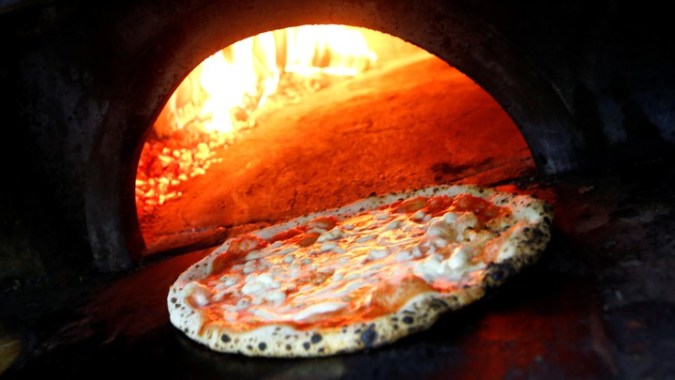
The chef Alvin Cailan made his name on eggs—in sandwich form, at a food truck called Eggslut, in L.A. At the Usual, he has graduated to chicken, battered and fried so that its crust is as craggy as a mountain range. It’s served with blueberry muffins and house-made ranch, plus a garlicky hot sauce on request. Photograph by Christaan Felber for The New Yorker

The photo above is an immediate trigger for me, in that today is Labor Day in the USA. It is a holiday I recall with fondness from my youth. It signified the end of summer, which was never in itself to be celebrated, but it also signified the beginning of school. And for me school was the center of life, so the closing of summer meant back to all good things. This year, as summer closes, not so much. But the photo above allows me a moment of solace.

Amie and I recently passed through Los Angeles en route to a wedding, and came across this “questionably named”restaurant (not the one pictured above, but the one referred to in the first paragraph below). I do not think of myself as a prude, but when I see a name like that I immediately become uninterested. The shock of the new is not the problem. Coarsening of language and culture is the problem. Enough. A good rule of thumb might be something like this question: would you be happy telling your young child(ren) the name of this place where we are going to eat?

But then again I am occasionally surprised by how, after judging a book by its cover, I can reconsider and think otherwise. In this case the cover of the book (i.e. the name of the restaurant) is still one I would rather have been different, but the contents of the book have my full attention. Thanks to Hannah Goldfield for providing this case in point:

Standout Fried Chicken Amid Familiar Fare at the Usual

At Alvin Cailan’s first sit-down restaurant, in the Nolitan Hotel, the Eggslut creator graduates to the full bird.

For the chef Alvin Cailan, the egg came first. The egg sandwich, to be specific, a messy, photogenic one on a brioche bun, first served in 2011, from a food truck, questionably named Eggslut, in Los Angeles. Eggslut became a pop-up in New York (since popped down) and then a mini-chain, with several outposts in the L.A. area and one in Las Vegas. Cailan built his name on the egg. Now, at the Usual, his first proper sit-down venture, recently opened in the Nolitan Hotel, he has graduated to the chicken. Continue reading
Waterways, Persons & Rights

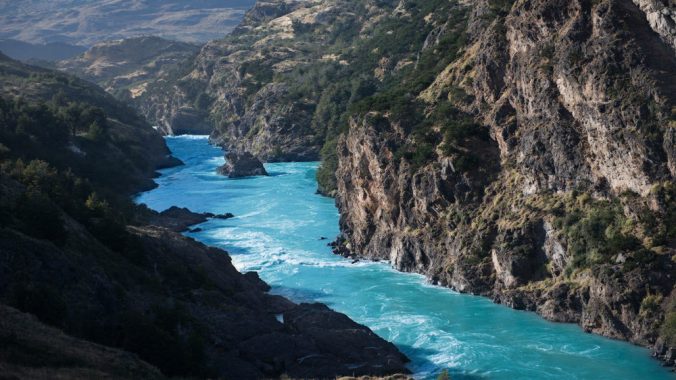
BakerRiver_Chile_Louis-Vest-Flickr_web.jpg

The free-flowing Baker River in Chile’s Patagonia region. Permits for a major hydroelectric project on the waterway were revoked in 2014 amid protests. LOUIS VEST/FLICKR

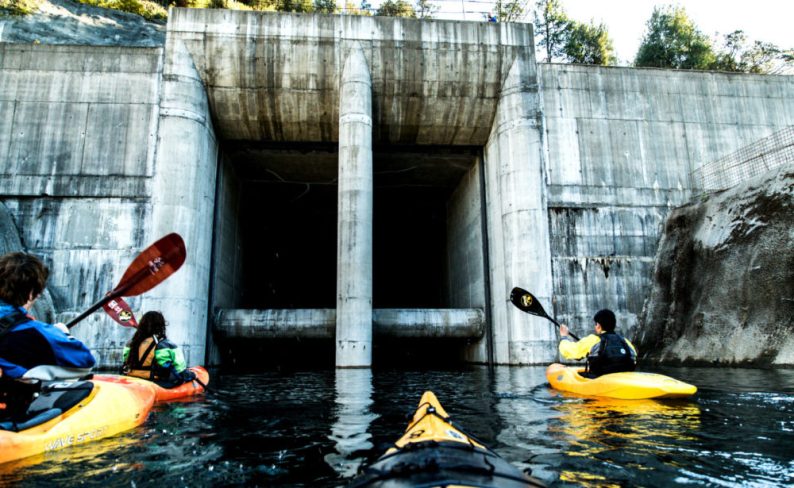
Dams in Patagonia are the gift that keep on giving, in terms of awakening activism and forcing raised awareness of the value of waterways. I first mentioned my experience in Chile here. I came back to the idea a few more times. Thanks to Jens Benohr and Patrick Lynch for this reminder, and for letting us all know where this seems headed from a legal point of view:

Should Rivers Have Rights? A Growing Movement Says It’s About Time

Inspired by indigenous views of nature, a movement to grant a form of legal “personhood” to rivers is gaining some ground — a key step, advocates say, in reversing centuries of damage inflicted upon the world’s waterways.

San-Pedro-Dam_Carlos-Lastra_web.jpg

A Chilean energy company is seeking permits to restart the building of an unfinished dam along the San Pedro River. CARLOS LASTRA

Chile is a land of rivers. Along its narrow 3,000-mile length, thousands of rivers and wetlands bring freshwater and nutrients down from the Andes Mountains to the Pacific Ocean. Together, these river systems drain 101 major watersheds that support both terrestrial and marine ecosystems, ranging from arid lands in the north to blue whale nurseries off of Patagonia in the south.

Chile’s second-longest river, the 240-mile Biobío, once tumbled fast and wild through deep gorges and spectacular scenery on its way from the Andes to the sea. The Biobío was one of the world’s great whitewater rafting venues — until the 1990s, when the first of three large hydroelectric dams was built across the river. Over the past two decades, the Biobío dams have flooded more than 13,000 acres, displaced hundreds of families of the indigenous Mapuche people, turned long stretches of this once-unruly river into placid reservoirs, and caused abrupt fluctuations in water levels that have wrecked nesting habitat for native birds and disrupted the river’s natural rhythms. Continue reading

Dairy & Health, Revisited

lead_720_405Diary.jpg

CIRO DE LUCA / REUTERS

We have plenty of reasons to celebrate the vegans among us. But we committed to think about this dairy’s future and in doing so I have avoided the cow-versus-other-milk health implications. Now I have reason to reconsider:

The Vindication of Cheese, Butter, and Full-Fat Milk

A new study exonerates dairy fats as a cause of early death, even as low-fat products continue to be misperceived as healthier.

As a young child I missed a question on a psychological test: “What comes in a bottle?”

The answer was supposed to be milk. Continue reading

A Taste Of The Place

NYRH-aleppo-sandwich.jpg

llustration by Rebecca Mock

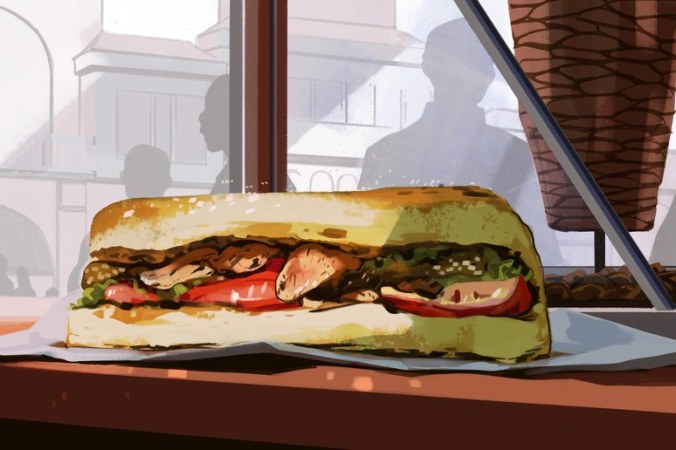
Adam Davidson recounts the best sandwich he ever ate—a local specialty of the ancient city of Aleppo, Syria—and Dan Pashman sets out to re-create it.

Funk.jpg

Uptown Funk

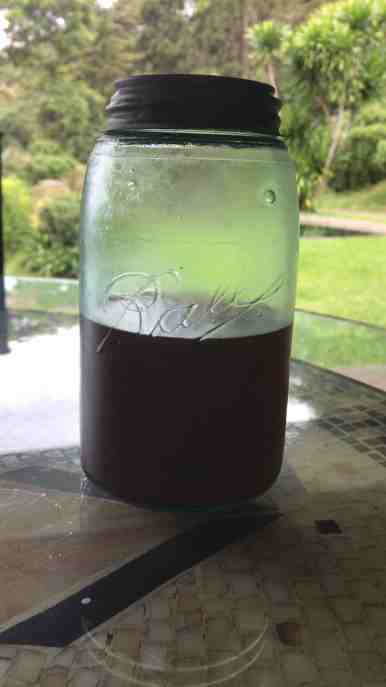
In the last couple of months, Amie and I have focused on how to more effectively evoke the taste of a place. We have specifically been thinking about the future of a family dairy farm in Costa Rica. Click the image above to hear, in just under one hour, a story told by a few people we admire about how important taste can be to our experience of a place.

In addition to dairy, which is a shorter term initiative, we have been working with coffee for some years. All those years have been beta, which has worked well as a complement to our hospitality projects. Now we are preparing to go from beta to live. And that description of a sandwich in Aleppo, and the obsessional hunt to ensure that its very particular culinary heritage is not lost, is a motivational tipping point to get that coffee to your kitchen sooner.

We have tasted coffee from one of the regions of Costa Rica that gets less attention than others. And we have tasted the “natural” form of this coffee, which has very little in common with the monsooning accidental innovation in India but gives us a new way to enjoy coffee. And we have tried chilling it. Wow. We’re calling it Uptown Funk. Hopefully you can try it soon.

Valorizing Places And Things We Love

One decade ago I made the journey to Rapa Nui while on an extended project in southern Chile. It was another bit of fortune that came with the occupation I accidentally found myself in. The video above, excerpted by the Atlantic from Max Lowe’s film, hints at the value tourism can infuse, as well as the perils it can represent, with regard to cultural heritage. We have long used the archaic word “valorization” to explain what we do as a company and the Celine Cousteau Film Fellowship seems to believe the same, in supporting Max’s film:

Tourism to a Dying Ancient Culture

“The modern world has come for our little island,” says Heu Rapu Haoa in Max Lowe’s short documentary, Amo. Heu is one of the 800 remaining speakers of his native tongue. His home, Rapa Nui, known widely as Easter Island, is one of the most remote inhabited islands in the world. Continue reading

Strawless Starbucks & A Wonder Of Costa Rica

09-starbucks.w710.h473.2x

Photo: Courtesy of Starbucks

Thanks to Nikita Richardson for posting this news:

Starbucks Says It Will Phase Out Plastic Straws

Just a few weeks after its home city of Seattle banned plastic straws, Starbucks is following suit. On Monday, the coffee company announced plans to go “strawless,” for the most part, by 2020. Doing some serious math, the chain says the move will keep an estimated 1 billion straws out of landfills.

As an alternative, Starbucks will serve its iced coffee, tea, and other sippable drinks in cups with strawless lids, already available in 8,000 locations in the U.S. and Canada, which feature raised plastic openings for sipping drinks. (The chain also said it will introduce alternative-material straws for some beverages.)…

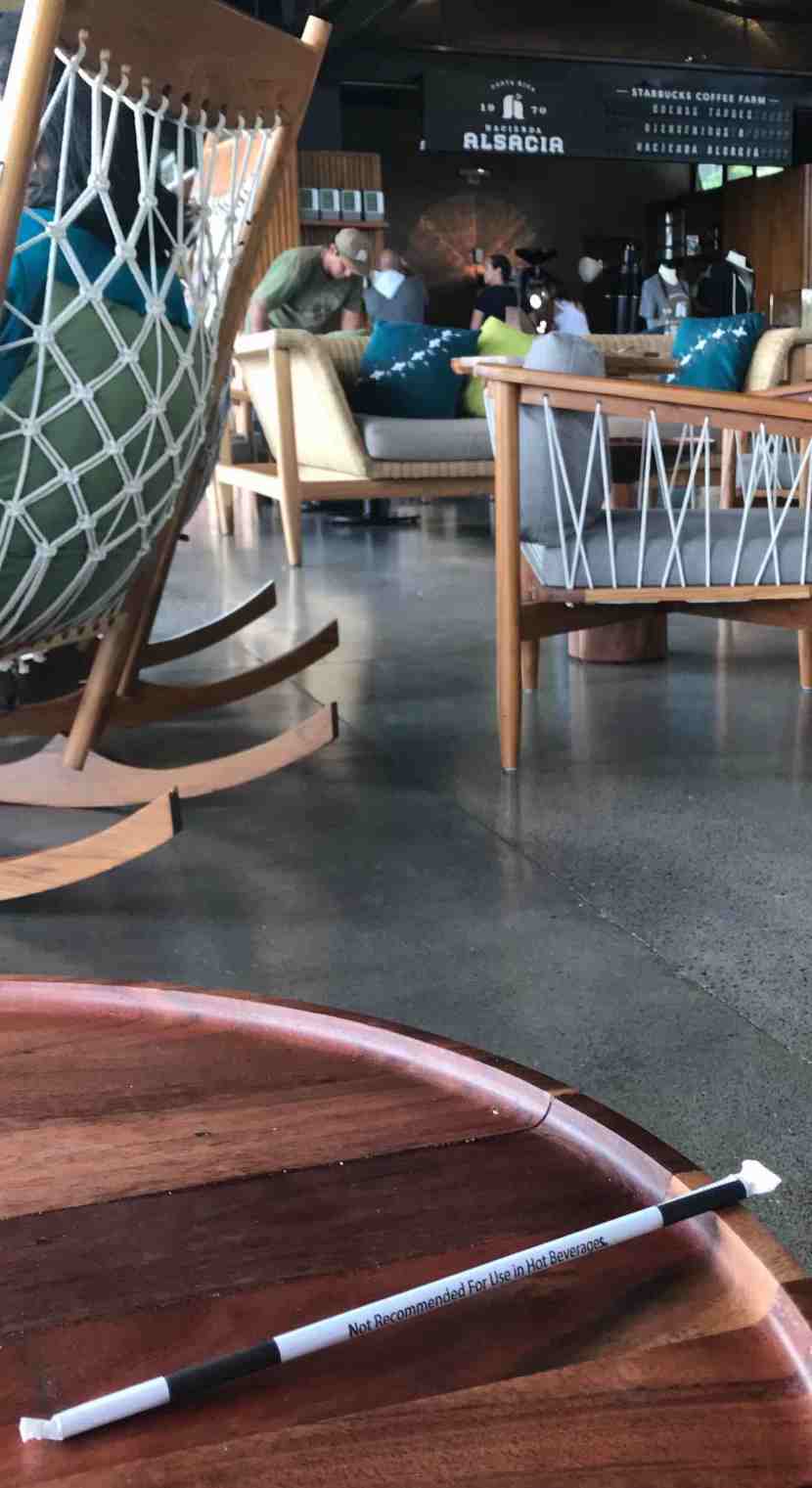
Straw.jpgAs it happens, the same day we saw this news we were also scheduled to visit the Starbucks showcase in Costa Rica, called Hacienda Alsacia. We experienced the tour they offer and then sat with our guide for a sampling of coffees. On the table next to me was a straw, so we used the opportunity as a reality check. Our guide did not miss a beat, very well aware of the newly announced plan to eliminate straws by 2020, and ready with a one-liner about the importance of eliminating plastic straws.
Our guide was a perfect example of Costa Rica’s history of inspiring and educating ambassadors for the country’s core values. Score another point for a company from elsewhere that recognizes and values that talent. The purpose of our visit was in keeping with our current mission of thinking about the dairy farm of the future, and there is another Starbucks story to tell in that vein. But for now, we will savor this other wonder.

Dairy, Feed & Food

BrealeyFarm.jpg

Yesterday, in our continued quest to consider the future of a family dairy farm, we visited what must be the largest such farm in central Costa Rica. At 7,545 feet above sea level overlooking the valley from the northern slope, it may also be the highest.

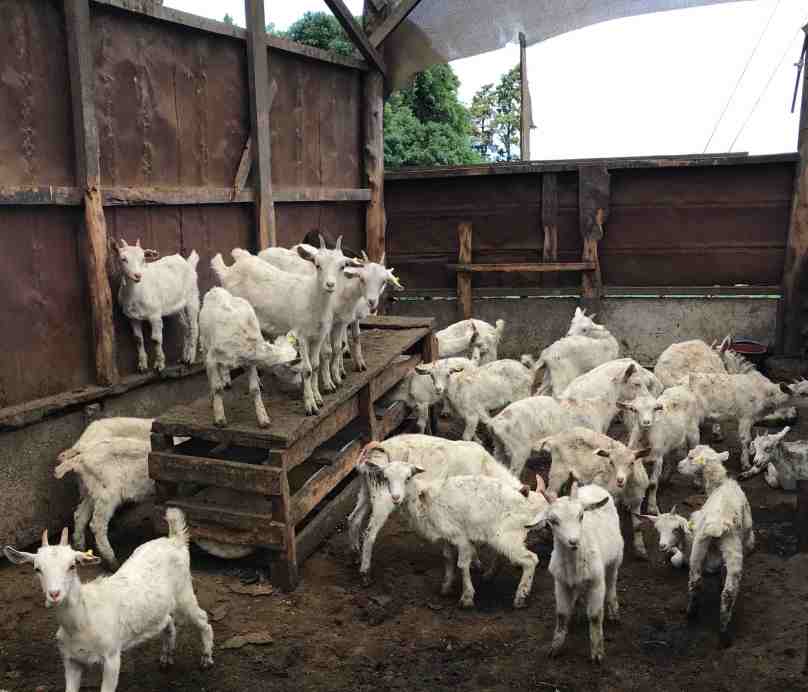
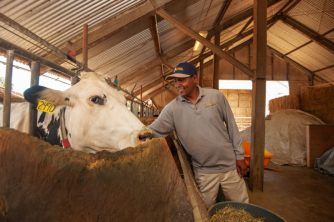
BrealeyGoats.jpgIt has eight times the land and double the cows compared to where we are based, 10 miles north and about 1,000 feet lower in altitude. That farm also has dairy goats. More on other implications of the visit later. Here, a quick note on feed. We had noticed on the dairy where we live that pineapple is part of the diet of the cows.
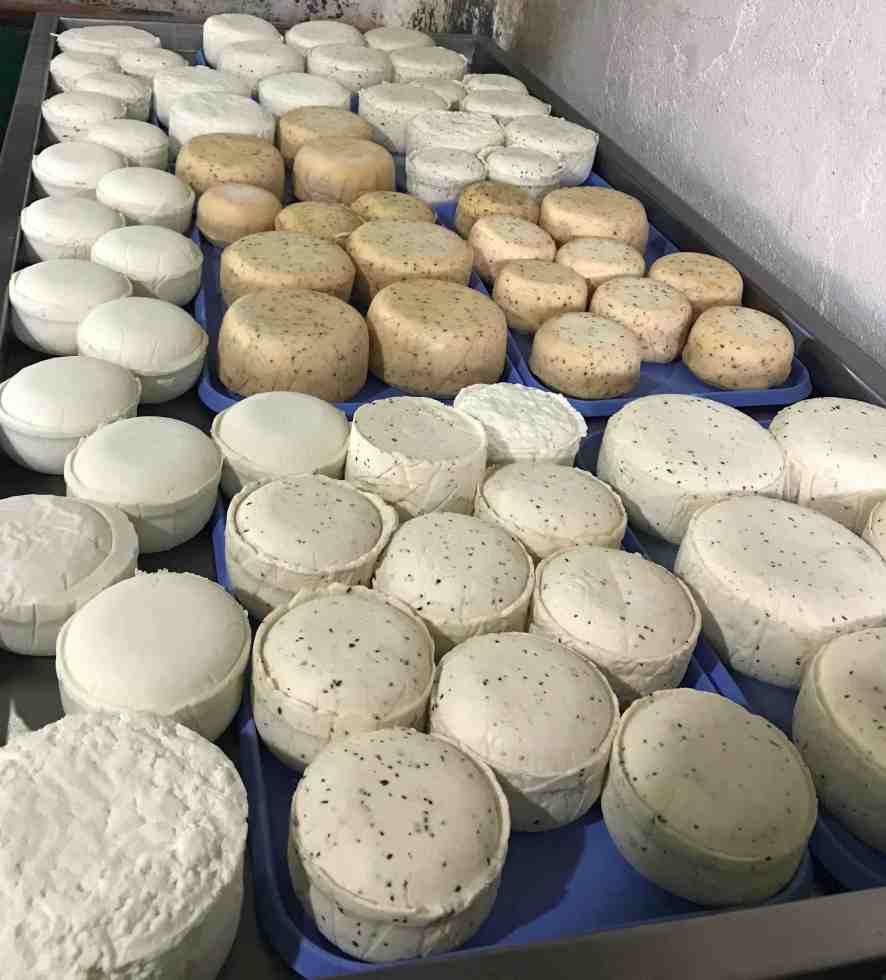
BrealeyCheese.jpgThe dairy manager had explained that this is an important part of the nutritional mix. Despite our surprise we had not asked more about it. Yesterday we did, and the answer was another surprise. Milk production rises 10% or more with the pineapple added to the feed. The animals are healthier because of the fiber content of the fruit, compared to cows eating grains such as corn or soy. Plus, the methane bi-product is significantly decreased. Food produced in a dairy making this dietary change represents one small step toward reducing greenhouse gas emissions.
In the type of coincidence I never expect, but always enjoy, this article was near the top of my news feed today. Thanks to Judith Lewis Mernit and colleagues at the Yale School of Forestry & Environmental Studies for take my yesterday’s lesson and adding some important detail:

How Eating Seaweed Can Help Cows to Belch Less Methane

Emissions from the nearly 1.5 billion cattle on earth are a major source of methane, a powerful greenhouse gas. Now, researchers in California and elsewhere are experimenting with seaweed as a dietary additive for cows that can dramatically cut their methane production.

HolsteinCowsMercedCalifornia_MarmadukeStJohnAlamy_web

Holstein cows feeding at a dairy farm in Merced, California. MARMADUKE ST. JOHN / ALAMY

The spring morning temperature in landlocked northern California warns of an incipient scorcher, but the small herd of piebald dairy cows that live here are too curious to care. Upon the approach of an unfamiliar human, they canter out of their barn into the already punishing sun, nosing each other aside to angle their heads over the fence. Some are black-and-white, others brown; all sport a pair of numbered yellow ear tags. Some are more assertive than others. One manages to stretch her long neck out far enough to lick the entire length of my forearm.

UCDavis_20180508-seaweed-cow-8157_web

Scientist Ermias Kebreab has studied how to reduce cow methane emissions for more than a decade. GREGORY URQUIAGA/UC DAVIS

“That’s Ginger,” explains their keeper, 27-year-old Breanna Roque. A graduate student in animal science at the University of California, Davis, Roque monitors everything from the animals’ food rations to the somatic cells in their milk — indicators of inflammation or stress. “The interns named her. She’s our superstar.” Continue reading

Other Farms Of The Future

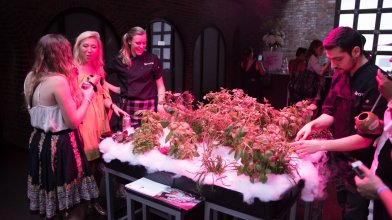
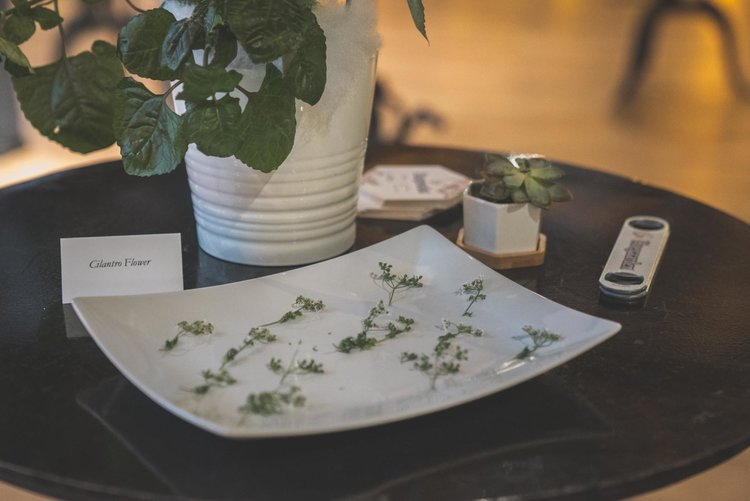
170822-mms-a1-hoegaarden-event-brooklyn-08824.jpgYou can click on any of these photos to go to their source, and they are inserted here because the article that brought this farm (?), this company, this phenomenon to my attention did not have any images. It was good to have only the New Yorker words to start with because, like all good writing, it forced me to imagine what this might look like. However, my imagination fell short.

Out of the Ordinary

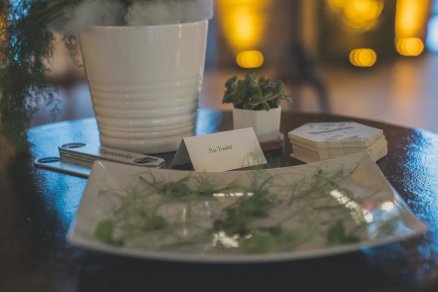
Farm+One.jpegFarm.One is New York City’s grower of rare herbs, edible flowers and microgreens for some of the best restaurants in the city. Our Edible Bar and Tasting Plates make these fresh, exciting ingredients available for the first time in an event setting. Guests can discover botanical ingredients for the first time, with the expert guidance of our farm team. Taste ingredients on their own, or paired with cocktails and other beverages, for a colorful, flavorful and aromatic experience like no other.
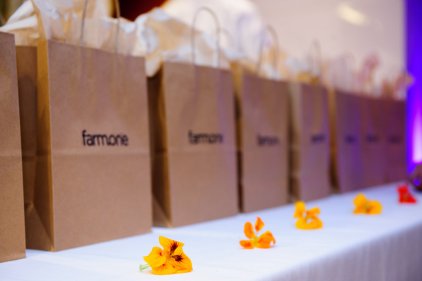
VS_Inspiration_at_Farm.One-9124This short piece by Anna Russell below continues our stream of thought about the farm of the future, and takes it into very unexpected territory. Hydroponics and urban farming have been featured many times in these pages over the years so that is not what has our attention. It is the mixing of art and agriculture that gets us thinking outside the box:

Tribeca’s Hydroponic Underground

Chic stems and tender greens thrive deep below Worth Street on the rolling shelves of Farm.One.

170822-mms-a1-hoegaarden-event-brooklyn-08817.jpgHydroponics are a slippery slope. You might find yourself, one Sunday morning, at a Santa Monica farmers’ market, loitering among the apples, say. You come across a bunch of papalo, a leafy herb native to central Mexico, and toss it in your mouth (your tastes are expansive; a papalo leaf is nothing to you) and wham!: a brand-new flavor. Suddenly, you’re up at all hours, watching vertical-farming videos on YouTube, ordering seed packets from eBay, buying rhizomes—rhizomes!—and worrying about spider mites. You get some fennel crowns and a pouch of parasitic wasps, and you’re on your way. Continue reading

A Mom’s Pride & Joy, Heirloom Berries

merlin_140240622_a8a6b30d-1d4d-4890-b8c9-00264de87c4e-jumbo.jpg

Heirloom berries growing outside the White home. Credit John Taggart for The New York Times

Pondering the future of a heritage dairy in Costa Rica is our 2018 summer pastime. The future of a heritage berry is a welcome distraction. With more moms like Jeanne Lindsay and more sons like Richard Stevens Jr. we can trust that the uniquely North American flavor produced on this farm is in good hands. Thanks to Rachel Wharton:

What Will The Small Family Dairy Of The Future Look Like?

Milk.jpgOur current work, better described as the pleasure of learning, is thinking through how an old fashioned dairy farm retains relevance in Costa Rica in the future. When we saw a book like this one to the left, authored by someone we have linked to plenty, we had to dive in. We listened to the author first and then found this item we had missed in the salt a couple months ago:

NPR’s Lulu Garcia-Navarro sat down with author Mark Kurlansky to discuss his new book, Milk!A 10,000-Year Food Fracas, and unpack some of the controversies surrounding what he calls “the most over-argued food in history.”

Humans, it turns out, are unique in their preference for the dairy drink. “In nature, we aren’t meant to have milk past weaning,” Kurlansky says.

ap_605107022119-d975629b142086fd63271c05f6c7b50a446a5984-s1400-c85.jpg

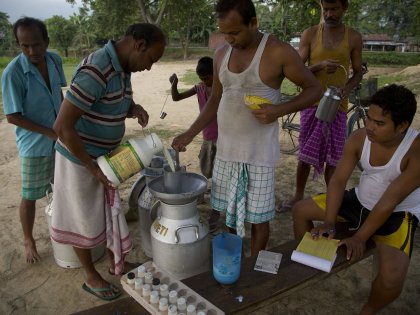
A man pours milk into a can in India’s Mayong village in 2015. India is the world’s largest producer and consumer of milk.
Anupam Nath/AP

But because of a genetic aberration, many humans can process the sugars found in milk and dairy products well into adulthood.

And while that makes some of us unique among mammals, it doesn’t mean that all humans have those genes. “It’s still only something like 40 percent of the human population that can drink milk past the age of two,” Kurlansky told NPR.

The genetic change is primarily found in white, northern European populations and their descendants. And although it may be Eurocentric to say that all humans can enjoy dairy in the same way, it hasn’t stopped milk from becoming a global industry. Continue reading

Agroecology, A Guiding Principle For Food Entrepreneurship

Ryan Donnell for The New York Times

Our attention has been on food entrepreneurship recently, and here we continue the thread. With agroecology, a new word and robust concept, we have new food for thought. And for that we thank one of our favorite food writers, who we have relied since the first year of this platform. Many of the food stories we have linked to over the years have been authored by him. A year ago we linked to this story, which marked the first time we noted him as an activist. We expect, after reading Bringing Farming Back to Nature, which he co-authored with Daniel Moss, that he has found his new calling:

Workers in a paddy field in the state of Andhra Pradesh, India. Credit Noah Seelam/Agence France-Presse — Getty Images

Farming the land as if nature doesn’t matter has been the model for much of the Western world’s food production system for at least the past 75 years. The results haven’t been pretty: depleted soil, chemically fouled waters, true family farms all but eliminated, a worsening of public health and more. But an approach that combines innovation and tradition has emerged, one that could transform the way we grow food. It’s called agroecology, and it places ecological science at the center of agriculture. It’s a scrappy movement that’s taking off globally. Continue reading

More Ideas For A Dairy

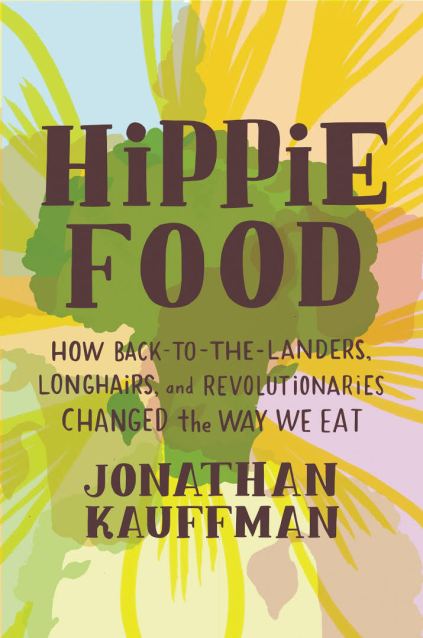
HippieFoodWhen we took up residence at this dairy, and started paying attention to stories involving dairies, most involved how to add value by making something more than liquid for bulk sale. No matter how good that milk is, what else might be done here to ensure that the farm is worth more than its real estate value? Maybe more liquid is the answer? Or maybe solid foods that are discussed in this book, as reviewed by Michael Pollan:

For a revolution that supposedly failed, the counterculture of the 1960s and early 1970s scored a string of enduring victories. Environmentalism, feminism, civil and gay rights, as well as styles of music, fashion, politics, therapy and intoxication: In more ways than many of us realize, we live in a world created by the ’60s. (Though, as our politics regularly attest, some of us are rather less pleased to be living in that world than others.) Jonathan Kauffman’s briskly entertaining history, “Hippie Food,” makes a convincing case for adding yet another legacy to that list: the way we eat. Continue reading

Progress Envisioned, Clabbered Cottage Cheese Looks Promising

27cottage-1-superJumbo.jpg

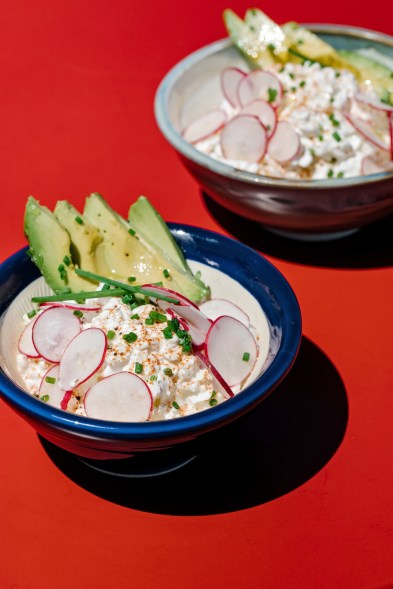
Clabbered cottage cheese at Cowgirl Creamery’s Sidekick Cafe at the Ferry Building in San Francisco. Credit Jason Henry for The New York Times

Decades Of Awareness, But Not Enough Action

Kolbert-HansenAnniversary

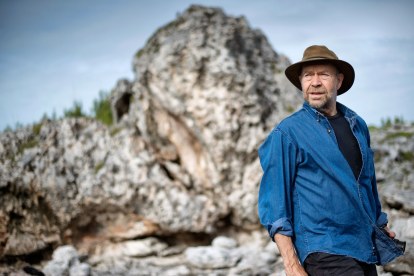
Thirty years ago, James Hansen, a scientist at nasa, issued a warning about the dangers of climate change. The predictions he and other scientists made at the time have proved spectacularly accurate. Photograph by Charles Ommanney / The Washington Post / Getty

I have always been appropriately alarmed by Elizabeth Kolbert’s articles and her comment pieces in the New Yorker. This brief comment below is alarming enough, but with a twist. Science has done its job, but we as citizens, business people, civic leaders have not acted with sufficient urgency considering the clear scientific evidence.

IMG_7014It may be true that scientists have not been the most compelling communicators, but that is no excuse for our inaction. As someone who left a scientific career developing a theoretical framework for entrepreneurial conservation in favor of opportunities to apply those ideas in the real world, I am in the same boat as a climate scientist. I look around today, after decades of best effort and I conclude that we have not accomplished enough in our practice. In our efforts to offer alternatives to messier forms of tourism, we have not accomplished enough. That is discouraging. But discouragement is not an option. We must find a better way to communicate that generates the required action for a less messy planet:

Listening to James Hansen on Climate Change, Thirty Years Ago and Now

On June 23, 1988—a blisteringly hot day in Washington, D.C.—James Hansen told a Senate committee that “the greenhouse effect has been detected and is changing our climate now.” At the time, Hansen was the head of nasa’s Goddard Institute for Space Studies, and though his testimony was certainly not the first official warning about the “greenhouse effect”—a report to President Lyndon Johnson, in 1965, predicted “measurable and perhaps marked changes in climate” in the decades to follow—it was the first to receive national news coverage. The Times ran the story at the top of the front page, with a graph showing a long-term rise in average global temperatures. Continue reading

Perspective On The Plastic Straw

906318ab3.jpg

A typical Stone straw ad from a newspaper in 1899 (Google Books)

When we arrived in south India mid-2010 our toolkit was full of fifteen years worth of entrepreneurial conservation initiatives, starting in Costa Rica and followed by work in the Galapagos Islands, Chilean Patagonia, Montenegro, Croatia and Siberia. It took us a year to understand all the important ways India differed from everything we knew from elsewhere. Then Amie started targeting the elimination of plastic from our hotel operations, starting with bags in the gift shops. She might have been a latter-day Doña Quixote, tilting at packaged water bottles. All tourists had been instructed by guide books and travel agents to insist on these, and it was not as simple as deciding we knew better.

I might have been a latter-day  Sancho Panza, with a front row seat to the action and as occasional contributor to solution-sourcing. But nevermind the literary allusions. We did eliminate plastic bottles, and then moved on to straws, both in India and back in Costa Rica. We are still working on straws, which oddly enough are more puzzling than disposable water bottles. Alexis Madrigal, as always, has our gratitude for this illuminating history and perspective that helps stoke our motivation:

Disposable America

A history of modern capitalism from the perspective of the straw. Seriously.

lead_720_405.jpg

MIRAGEC / GETTY

A straw is a simple thing. It’s a tube, a conveyance mechanism for liquid. The defining characteristic of the straw is the emptiness inside it. This is the stuff of tragedy, and America.

Over the last several months, plastic straws have come under fire from environmental activists who rightly point out that disposable plastics have created a swirling, centuries-long ecological disaster that is brutally difficult to clean up. Bags were first against the wall, but municipalities from Oakland, California, (yup) to Surfside, Florida, (huh!) have started to restrict the use of plastic straws. Of course, now there is a movement afoot among conservatives to keep those plastics flowing for freedom. Meanwhile, disability advocates have pointed out that plastic straws, in particular, are important for people with physical limitations. “To me, it’s just lame liberal activism that in the end is nothing,” one activist told The Toronto Star. “We’re really kind of vilifying people who need straws.” Other environmentalists aren’t sure that banning straws is gonna do much, and point out that banning straws is not an entirely rigorous approach to global systems change, considering that a widely cited estimate for the magnitude of the problem was, umm, created by a smart 9-year-old. Continue reading

Rewilding The Farm, An English Experiment In Entrepreneurial Conservation

7360.jpg

Starting in May, Amie and I have been living on a dairy farm in the mountains on the northern side of Costa Rica’s Central Valley. We will be here until at least the end of July, brainstorming about the dairy’s future. There is already much to say about that, but we will share that soon enough. For today, just a shout out to fellow brainstormers across the Atlantic. When we first learned of Paul Lister’s initiative, it sounded like a far-fetched experiment. Now we see another experiment further south on the same island:

The magical wilderness farm: raising cows among the weeds at Knepp

You can’t make money from letting cows run wild, right? When Patrick Barkham got access to the sums at a pioneering Sussex farm, he was in for a surprise.

7360 (1)

Wild ponies at dusk. Photograph: Anthony Cullen for the Guardian

Orange tip butterflies jink over grassland and a buzzard mews high on a thermal. Blackthorns burst with bridal white blossom and sallow leaves of peppermint green unfurl. The exhilaration in this corner of West Sussex is not, however, simply the thrilling explosion of spring. The land is bursting with an unusual abundance of life; rampant weeds and wild flowers, insects, birdsong, ancient trees and enormous hedgerows, billowing into fields of hawthorn. And some of the conventional words from three millennia of farming – ‘hedgerow’, ‘field’ and ‘weed’ – no longer seem to apply in a landscape which is utterly alien to anyone raised in an intensively farmed environment. Continue reading

Elephants Can Smell

ElephantNose.jpg

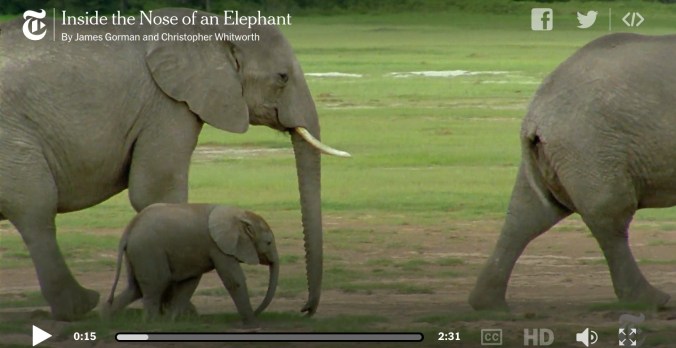
Elephants have a keen nose. They have more smell receptors than any mammal – including dogs – and can sniff out food that is several miles away. A new study tests their ability to distinguish between similar smelling plants. Image by akrp, via Getty Images

It is true that elephants can smell. As in, be smelly. But they can also smell well, better than I knew. Yesterday’s elephant mention was the first in a long time, reminding us how frequently we posted about them from India. When we were in the land of elephants, and other charismatic megafauna, we ran stories frequently about their mega-wondrousness. Now, a welcome reminder about how amazing these big creatures are in smaller ways too. Click above to go to the video accompanying this story below by James Gorman:

The Elephant’s Superb Nose

In the world of noses, the elephant’s trunk clearly stands out for its size, flexibility, strength and slightly creepy gripping ability.

Go ahead, try to pluck a leaf with your nostrils and see how you fare. So perhaps it should come as no surprise that the elephant’s sense of smell is also outstanding. Continue reading

Ornithology, Methods & Mystery

17Johnson-jumbo

Ping Zhu

Some contributors to our pages here would likely have much more clear views on this story than I do. I am certain that I favor scientific method, and this scientist followed protocol. And yet, the fallout from his scientific methods was intense. And it was not as simple as trolls gonna troll. I understand the fallout but instead of outrage I am full of questions about this story about The Ornithologist the Internet Called a Murderer by Kirk Wallace Johnson:

merlin_139634919_bab85c0d-98d8-41e1-a5ad-d910a49a3232-jumbo.jpg

The mustached kingfisher. Robert Moyle

For some time, I’d been searching for Christopher Filardi, a biologist with decades of field experience in the Solomon Islands. I wanted to interview him for a book I was writing, but the email system at the American Museum of Natural History, which once listed him as the director of Pacific programs at its Center for Biodiversity and Conservation, bounced back my message.

The auto-reply said that he’d moved to another organization, Conservation International. When I wrote him there, another auto-reply informed me that he had moved on. I couldn’t find him on Facebook or Twitter. The man seemed to have vanished.

When I finally found a working number for him, he was reluctant to talk. Three years ago, his life was overturned by an online mob that accused him of murder. The fact that the mob’s outrage was driven by ignorance didn’t make it any less frightening. Continue reading

Extreme Measures, No Good Outcomes

5616 (3).jpg

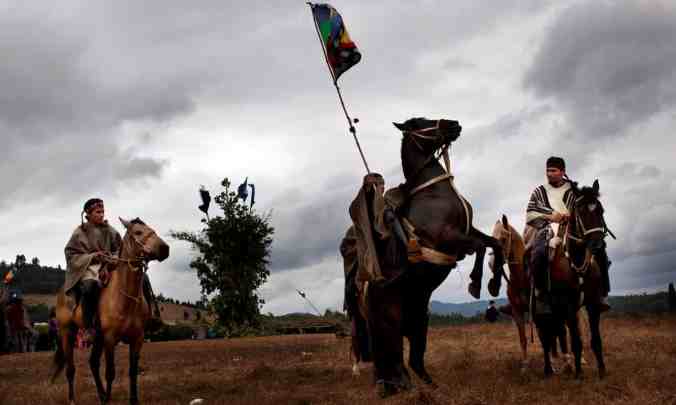
A Mapuche gathering in Ercilla, Chile. The Mapuche are protesting the presence of agricultural firms on their land. Photograph: Rodrigo Abd/AP

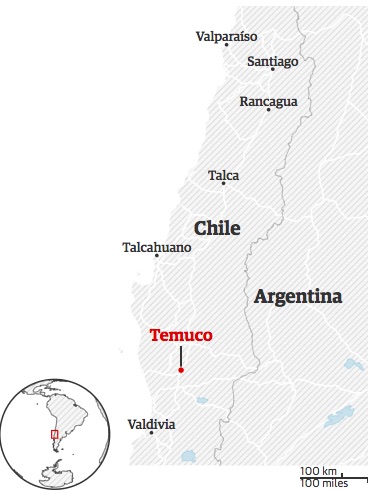
During the two years I worked in southern Chile, 2008-2010, I had the opportunity to listen to the concerns of members of the Mapuche community, and heard a deep frustration bordering on despair. Their forests were being extracted, wholesale and rapaciously and there was little to nothing they could do about it. The news here, even with the exposure I had to the situation, still shocks me. It is not good news:

‘We burned the forest’: the indigenous Chileans fighting loggers with arson

Chile’s Mapuche people are resorting to increasingly radical tactics to reclaim their ancestral land from exploitive industries

Screen Shot 2018-06-14 at 6.00.13 PM.jpgIt is late autumn in southern Chile, and in the region of Araucanía, the leaves have turned copper and gold. But on the road to the mist-shrouded town of Lumaco, the hills are covered with rows of charred pines.

“We burned these forests as an act of legitimate resistance against the extractive industries that have oppressed the Mapuche people,” says Hector Llaitul. “If we make their business unprofitable they move on, allowing us to recover our devastated lands and rebuild our world.” Continue reading

Apricots, Comfort & Inspiration

13ottolenghi3-jumbo.jpg

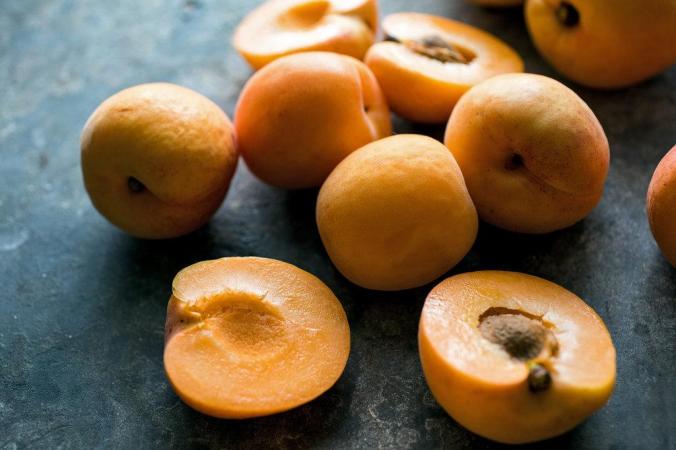
Apricots were often featured in the intricate dessert displays of 18th-century France. Andrew Scrivani for The New York Times

Two seemingly opposed ideas can, sometimes be compatible. For example, even though this post made me think about traveling to taste the place, I can also relate to Yotam Ottolenghi’s opening paragraph, entirely:

13ottolenghi-new-superJumbo.jpg

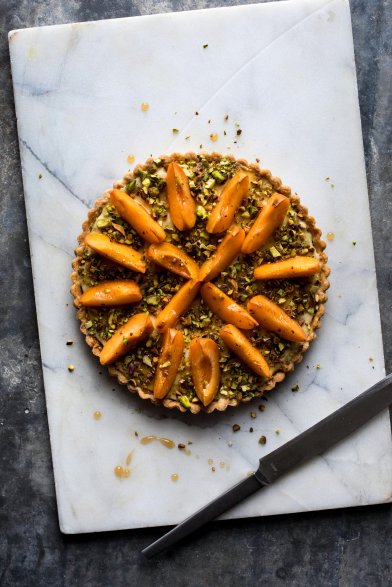
A tart made with poached apricots, marzipan, pistachios and pastry cream was inspired by the elaborate pastry-making at Versailles. Andrew Scrivani for The New York Times

People tend to belong to one of two opposite camps: those who like their food to impress and surprise and those who want it to comfort and delight. These days, I find myself steadily drifting from the contrived faction to the comfort camp. This, I suspect, has to do with age and a certain wish to reconnect with my childhood.

But my interest in that other extreme was recently piqued by the exhibition “Visitors to Versailles,” which is on view through July 29 at the Metropolitan Museum of Art in New York. I am hosting an evening there this month to celebrate the exhibition, and I asked a group of world-class pastry chefs to create highly elaborate cakes inspired by the court of Versailles. Continue reading