Global Big Day 2018

GBD2018

Last year at this time, I was in Belize hosting a team from the Cornell Lab of Ornithology. I had known of the Lab starting 30 years ago when we moved to Ithaca for me to start graduate school at Cornell, and had known the Lab’s backyard, Sapsucker Woods, since Seth was born and we walked him through in a stroller from time to time. But I did not really know much about the Lab’s work until Seth started working there in 2011, during his sophomore year of college. And then in 2012 we had another young Lab worker join us in India.

We have been celebrating Global Big Day ever since, in India and Costa Rica, then last year in Belize. This year Seth is in Costa Rica, where he will be in a national park with a very high bird species counts. I hope we will hear from him about that experience. For now, may we recommend you click the button above to learn more?

Just When Ford Started Being Great Again, The Signals Indicated A Shift To Reverse

merlin_137576667_7fa921a6-9ace-4e0a-9579-4c864e5232c3-jumbo

Cristina Spanò

Ford1I have been based back in the Americas for fifteen months. For the previous couple years I had been driving Ford’s best-selling vehicle in India –a vehicle with the three letters Eco in its name. This was the company that built the cars I grew up in, but had long since stopped believing in. That “Eco” car got me starting to believe again.

Then the election of 2016 happened. Holding aside all its other dangers, the election result has elevated ecological danger to perhaps its greatest level in my lifetime. A government elected on the slippery Make America Great Again slogan has given cover to companies seeing profit in rollbacks of erstwhile impressive ecological commitments. And the slope down which we all are now sliding seems to be getting steeper. An op-ed by Jamie Lincoln Kitman, the New York bureau chief for Automobile Magazine, illuminates the slip and the slope:

Why Is a ‘Green’ Car Company Pivoting Back to S.U.V.s?

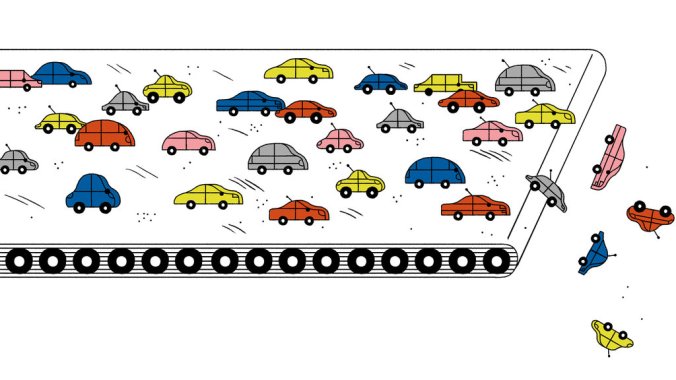
Ford2Two years ago, the Ford Motor Company boasted about having been named Interbrand’s Best Global Green Brand and said it was committed to working to meet stricter fuel economy standards. Last week, after lobbying with the rest of the industry to strike down those standards, Ford announced that it would largely abandon the American passenger car market in favor of building more trucks, crossovers and S.U.V.s. Continue reading

Rehabilitation Of A Vilified Umamifier

Rosner-MSG.jpg

Ajinomoto, the world’s largest manufacturer of MSG, produces umami magic at its panda-themed headquarters. Photograph from Alamy

In the new issue of one of the sources we draw from weekly there is an article–An MSG Convert Visits the High Church of Umami, by Helen Rosner–that gives a refreshing splash of cold water on the face. My kitchen counter looks like the one she describes, sans MSG. And for the reasons she lays out. Always happy to be corrected, I recommend this to others who may have suffered the same culinary fate as me until now:

On my kitchen counter, to the side of the stove, there is a jagged skyline of jars and bottles, featuring the condiments and oils and spices that I use too often to ever properly put away. A few are ingredients so key that I buy them in bulk, storing the multi-kilo mega-packages in the back of the closet and decanting them for daily use into more countertop-friendly vessels: olive oil, kosher salt, and monosodium glutamate, or MSG. In one combination or another, this holy trinity ends up in almost everything I prepare—the MSG, with its savory chemical magic, is particularly useful as rocket fuel for dishes of raw fruits and vegetables. I whisk it into vinaigrette before dressing a salad; add it by the teaspoon to the relish of fresh plums and jalapeños that I make each summer; and, whenever I’m feeling snacky, sprinkle it on chopped cucumbers. Continue reading

Six Centuries Of Herding

Knight-Herdwick-Shepheard-1.jpg

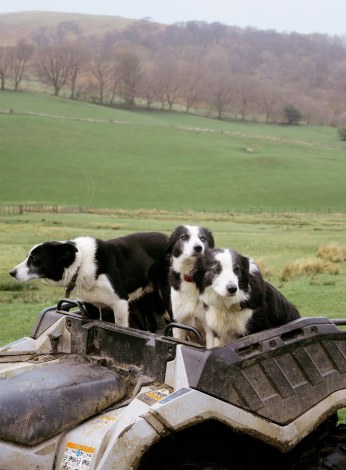
James Rebanks’s family has worked on the land in Cumbria for six hundred years. Photographs by Gregor Schmatz for The New Yorker

When I first heard him tell his own story, James Rebanks had just recently published a book that received wide critical acclaim and plenty of commercial success. Sam Knight now gives a view in on this form of life, as lived for six centuries, as is today in The Tweeting of the Lambs: A Day in the Life of a Modern Shepherd:

Knight-Herdwick-Shepheard-2

Photographs by Gregor Schmatz for The New Yorker

The hills of Cumbria, in northern England, are known as fells. They are among the wettest, coldest, and windiest places where sheep are farmed outdoors year-round. The weather is rotten, more or less, from October to May. So by lambing season—a three-week period, usually after Easter, when the ewes give birth, and there are triumphs and miscarriages, adoptions and accidents, gambolling and suckling—the flock, the shepherd, and the land itself are already worn out. “You’re just about fucked,” James Rebanks told me. “The whole thing is designed so you are just about to break.”

On Twitter, Rebanks is the Herdwick Shepherd. A little more than a hundred and nine thousand people, most of them trapped in office environments or riding public transportation, follow his account for gorgeous, wide-skied pictures of his flock, and for his evocations of the English countryside. In 2015, Rebanks’s memoir, “The Shepherd’s Life,” became an international best-seller, and he was compared to the nineteenth-century rural poet John Clare. Clare, the son of illiterate laborers from Northamptonshire, wrote about the land from within it; Rebanks’s writing has a similarly involved quality. Continue reading

Two Op-Eds Arguing The Same Powerful Case In Two Different Ways

23Englander-superJumbo.jpgNathan Englander came to my attention nearly six years ago. A novelist who lives in Brooklyn, he got me thinking about story-telling in a way that was very important to me, two years into our residency in India. He did something important for me again this last week, focusing my attention on an act I would normally ignore. But his point resonated with me because of the subject’s connection to the state of nature. So I thought about how to link to his op-ed in a manner consistent with our objectives on this site.

22conniff-superJumbo.jpg

Credit Lan Truong

Four years ago Richard Conniff, who writes about wildlife and human and animal behavior, started a long series of regular appearances in our pages. The day after Nathan Englander published the op-ed I mentioned above, Richard Conniff published an op-ed referencing the same act, a day in advance of Earth Day. And it is powerful. So I knew how to proceed, and with this excerpt you may be inclined to read both op-eds in full:

I was thinking about Mr. Buckel and about despair a few nights later, over a drink with Joe Walston of the Wildlife Conservation Society. As director of that organization’s worldwide field conservation work, Mr. Walston routinely comes face-to-face with the dark forces of human overpopulation, mass extinction of species, climate change and pollution. But he is also the co-author of a paper being published this week in the journal BioScience that begins with the uplifting words of Winston Churchill to the British nation in June 1940, under the shadow of the Nazi conquest of France: “In casting up this dread balance sheet and contemplating our dangers with a disillusioned eye,” Churchill declared, “I see great reason for intense vigilance and exertion, but none whatever for panic or despair.” Continue reading

Gleaners Harvesting Properly

180430_r31970illuweb.jpg

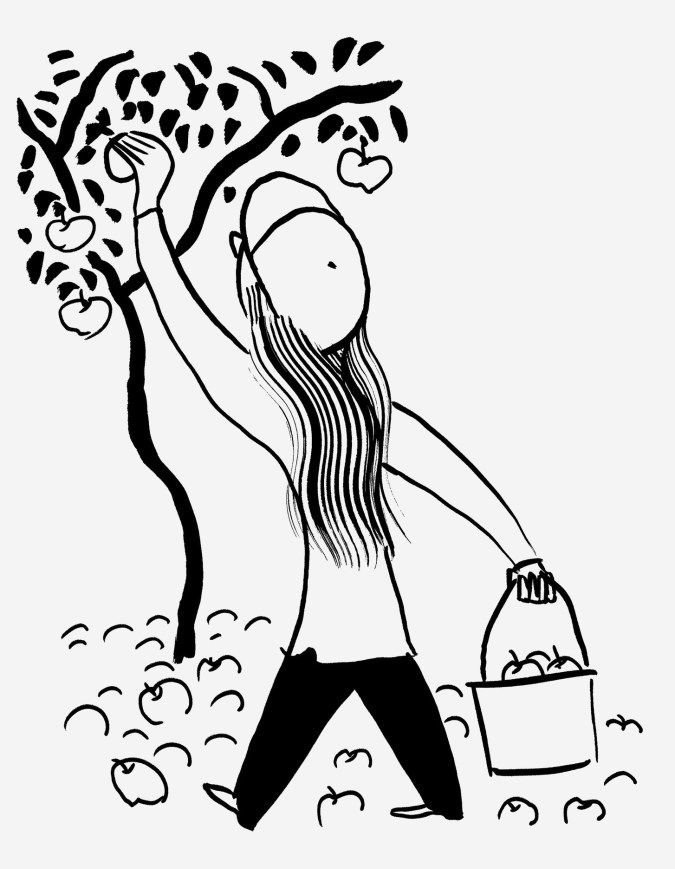
Illustration by Tom Bachtell

I have been enjoying short essays and posts by Charles Bethea in the last year or so in a way that I can explain with a simple metric. I always find myself wanting to learn more about something I was intrigued by in what he wrote. That is a sign of one kind of excellent writing, interesting enough to make me hungry to learn more, but concise enough that I feel satisfied if I do not have time to explore further.

Case in point below, and fortunately I had time to find out about one of the gleaners he mentioned. I chose the one in Atlanta, since I have spent much of the last year there. I have pasted a couple screen shots from their website into the excerpt of Mr. Bethea’s essay below, in case you want to click out and see a live example. It is about time that I share my appreciation for his writing, and no better a way to do it than with this:

The Robin Hoods of Food Waste

A society of gleaners (not to be confused with dumpster divers) learn the rules of harvesting food in unusual places.
CJ1Two dozen gleaners—not to be confused with foragers or dumpster divers—showed up for the second annual International Gleaners Symposium, held recently at the Georgia Institute of Technology, in Atlanta. They were there to discuss the finer points of gathering neglected foodstuffs from roadsides, back yards, and other nonpublic places, and then donating them to the hungry.

CJ2.jpgThe gleaners sat in a classroom, drinking coffee and eating store-bought grapes. They were awaiting remarks from Ashley Pruitt, a local lawyer specializing in civil litigation, who had volunteered to explain the surprising number of ways that one can run afoul of the law while picking unharvested fruits and nuts for homeless shelters and food banks, as more than four hundred volunteer groups in the United States now do.

CJ3“A few weeks ago, I didn’t even know protection for food donation was a thing,” Pruitt, who wore a silk scarf around her neck, said before she began. “But I’ve been studying the case law. ”

One attendee, Jennifer Jans, described herself as an “outreach raccoon” for Hidden Harvest, a gleaning outfit in Ottawa. “We rescue fruit and nuts, largely from yards,” she said. “People will sign up their trees. Maybe they don’t want to harvest them, or they have too much fruit.” She listed some commonly gleaned Ottawan comestibles: “cherries, pears, black walnuts, and the rare apricot tree.” Also, “lots and lots of crab apples, which I whine about, even though they’re nutritious and delicious.” Continue reading

Conservation Aided By Lowliest Of Creatures

merlin_136489011_2126accc-97cc-4224-813c-e09bb5e980a0-jumbo.jpg

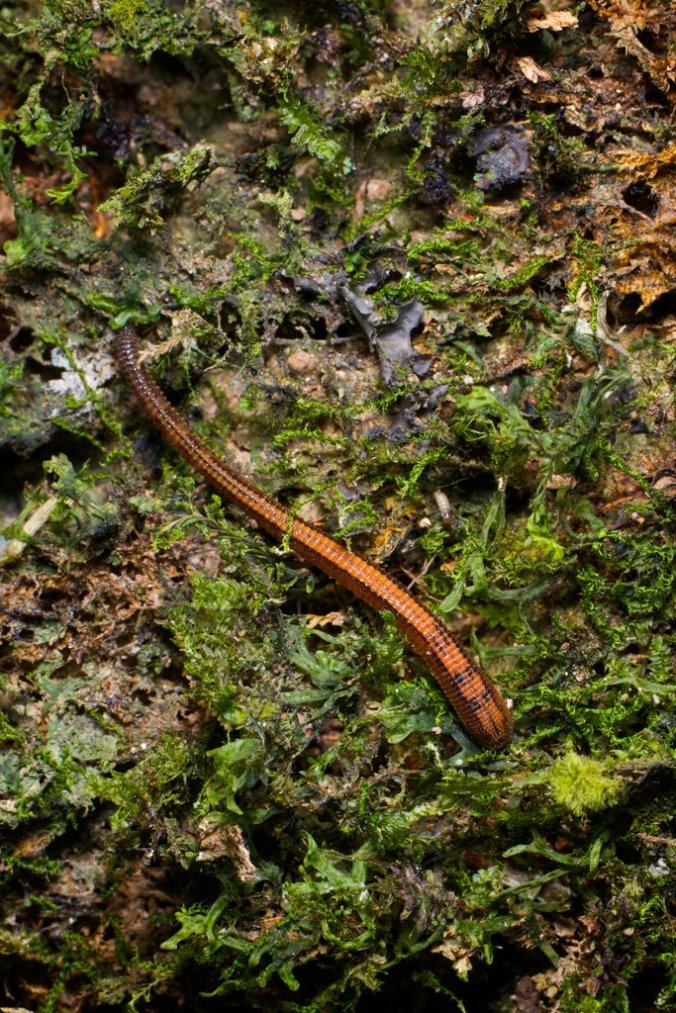
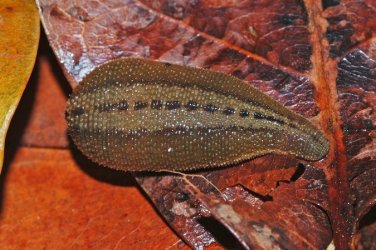
A leech, Haemadipsa zeylanica, in Thailand. Scientists have found they can survey the biodiversity of a forest with DNA analysis of leeches’ last blood meals. Credit Thailand Wildlife/Alamy

Coffee, Journeys & Yemen

24bookeggers4-superJumbo-v2

CreditPatricia Wall/The New York Times

This review, thanks to Ghaith Abdul-Ahad, has my attention on The Coffee-Flavored American Dream of a young man with about as improbable a mission as I can imagine.  Returning to the coffee fields of Costa Rica’s Tarrazu region in a few days, I also plan to cross the Central Valley to see the latest mission accomplished of another coffee dreamer, the choice of Dave Eggers for his latest book topic is much appreciated.

A few years ago I traveled with a group of friends from the southern Yemeni port city of Aden to the capital of Sanaa in the north, taking the long coastal road that twists and curves around the bulge of Yemen’s southernmost tip. After passing the Bab el Mandeb strait, the road stretches along the seashore. Under a clear bright sky, the waters of the Red Sea shimmered and the sand glowed a warm ocher, the monotony interrupted only by an occasional fisherman’s shack, a small nomadic settlement or a bleached one-room mosque. Flat-topped trees looming in the distance suggested an African landscape.

merlin_135539598_25a28bf1-c1ea-4f91-864b-e5d08b63264d-master768

CreditLorenzo Gritti

Ahead of us lay the port of Mokha, or Al-Mukha in Arabic, where from the 15th century onward ships set sail with precious Yemeni coffee bound for Istanbul, London, Amsterdam and eventually New York — so much coffee that the word “mocha” became synonymous with it. Continue reading

Coffee, Starbucks & Costa Rica

hNKGIzaU-5568-3132

Yesterday we were compelled to link to an illustration that captured the importance of vigilance. Putting that link in context was the reminder that our primary purpose on this platform is to seek out evidence of progress related to environmental and social innovation.

kgGVpXmJ-6720-4480Today a case in point. Credit is due to Starbucks. Just a couple days ago our vigilance antennae were roused by their opening in Yosemite, one more step in a national park system compromised by commercialism. There is no doubt that Starbucks is commercial, but they can also be model corporate citizens when seen from another angle.

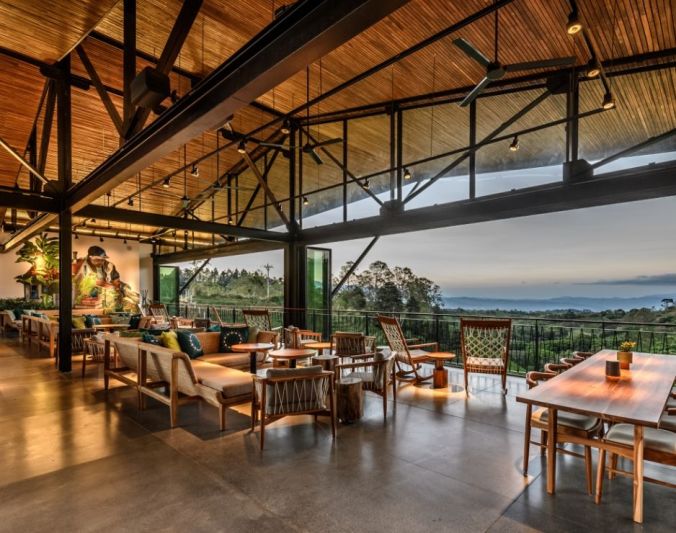
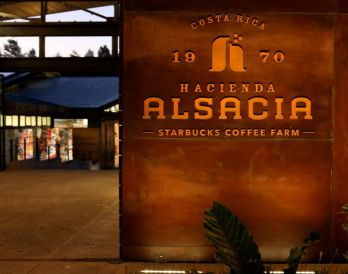
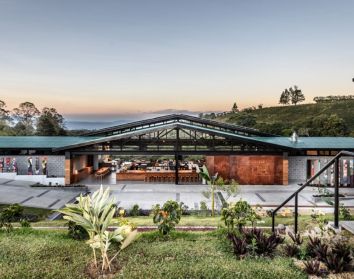
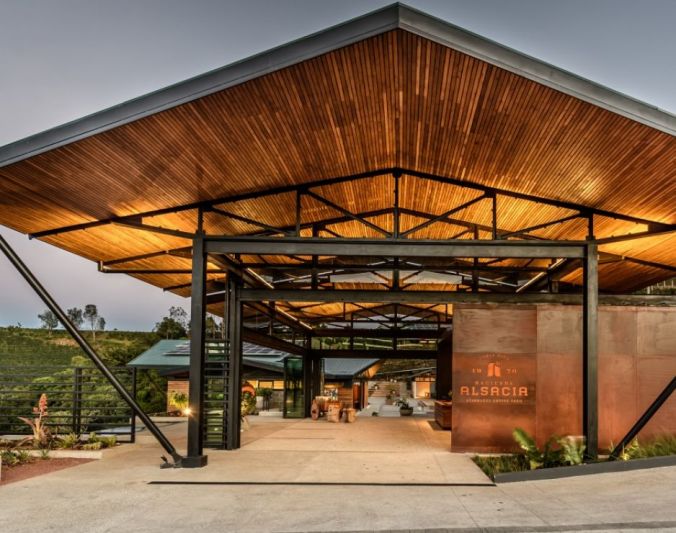
tMOCnNCo-5246-2623Costa Rica provides evidence in favor of Starbucks. Their recently opened facility–a combined working coffee farm, milling operation, visitor center, cafe, gift shop–called Hacienda Alsacia looks like a win-win for a country that deserves attention and investment, and a company that can provide them both of those.

HGX0IDH0-5402-2701

I plan to visit the property next week, so will save my commentary, focusing here on what makes me want to visit:

Starbucks Opens World Renowned Costa Rican Coffee Farm to Visitors

A 46,000-square foot visitor center immerses guests in the entire life cycle of sustainably grown, high-quality arabica coffee from seedling to picking, milling, roasting and the craft of brewing in a café

Starbucks approach to ethical sourcing and innovative coffee tree hybrid research also showcased at the visitor center, part of the company’s $100 million investment in an open-sourced farmer support program to help make coffee the world’s first sustainably sourced agriculture product Continue reading

Progress In Mongolia Looks Like This

ger-1-0e1df16a975c6ffe1af6e84d8e3715f248383a0c-s1600-c85.jpg

Odgerel Gamsukh has a started a company to create a green community in the unplanned and polluted sprawl outside of Ulaanbaatar. Katya Cengel for NPR

My one visit to Ulaanbaatar was in 1984, so I have outdated perspective, but I do recall the haze. I did not know it was from coal, associating it more with the Soviet gloom that I grew up believing was a permanent shadow on those lands. The military guards patrolling the train station were ominous at first sight. And one of them walked up to my buddy, grabbed his camera and ripped the film out of it. Yikes. No photo ops for us. But when our train, the Trans-Siberian, left the station I saw that Mongolia is one of the most blessedly beautiful landscapes I had seen, or have seen since. Multiple rainbows alway on the horizon. Thanks to Katya Cengel and NPR for this reminder that the sun is always shining somewhere in Mongolia:

To Fight Pollution, He’s Reinventing The Mongolian Tent

It takes the taxi driver three tries to find the neighborhood and at least another three wrong turns on narrow unpaved roads before he locates the company’s front gate. Each time he gets turned around the driver reaches for a cell phone. On the other end of the line Odgerel Gamsukh directs the driver to Gamsukh’s garage door business. Neither man seems bothered by the multiple interruptions and resulting delay. Mongolians are used to it taking a little extra time to get around, especially in the ger areas of Ulaanbaatar.

ger-4_custom-4d916c8e94c81b0b2fa6d78bf27f78ac78ab344c-s1600-c85.jpg

Gamsukh’s designs are displayed on his desk.
Katya Cengel for NPR

If street addresses mean little in the city center, where residents commonly give directions based on landmarks instead of street names, they mean even less in the surrounding ger areas, named for the circular felt tents in which many residents live. In these neighborhoods, the route that takes you from one place to another is sometimes a grass-covered hill. That is because the government has yet to catch up with the city’s rapid growth. Sixty years ago only 14 percent of Mongolia’s population lived in the capital of Ulaanbaatar, the country’s largest city. Today it is approximately 45 percent, more than one million people. The majority of them, 60 percent, live in ger areas that often lack basic services such as sewer systems, running water and trash collection. The coal that area residents burn to warm their homes is the main cause of winter air pollution that now rivals Beijing’s. Continue reading

Disruption Reconsidered

lead_960 (14)

Gabrielle Lurie / Reuters

Derek Thompson, writing in the Atlantic recently, has a very readable consideration of the fashionable obsession with disruptors, a topic we give too little attention to in these pages. So, a small step forward:

Airbnb and the Unintended Consequences of ‘Disruption’

Tech analysts are prone to predicting utopia or dystopia. They’re worse at imagining the side effects of a firm’s success.

The U.S economy is in the midst of a wrenching technological transformation that is fundamentally changing the way people sleepworkeatshoploveread, and interact.

At least, that’s one interpretation. Continue reading

Getting To No On Plastic

5514

The cleanup … Glastonbury 2017. Photograph: Matt Cardy/Getty Images

This headline in the Guardian–Glastonbury festival set to ban plastic bottles in 2019accompanying the photo to the right is well timed for me:

Emily Eavis says festival is working on ‘enormous project’ to ban plastic bottles on site when it returns after year off in 2018

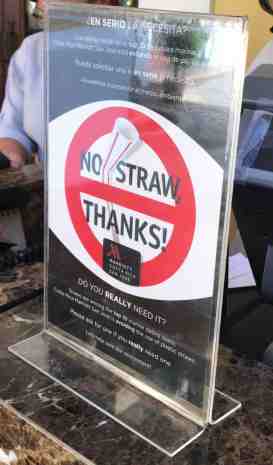
MarriottNoStraw.jpgThat story continues after the jump, but I want to add to this post an image I just photographed when visiting the Costa Rica Marriott Hotel San Jose that was built more than two decades ago. Amie and I were friends with the managers of that property from the mid- to late-1990s, but had lost track of what this property has been up to lately. And I was very happy to learn today that they have recently earned five leaves in the CST program, whose board of directors I served on in the mid- to late-1990s. Bravo, Marriott! And as I snapped this photo, I was told that starting next month this property will have no straws, even if someone says they “really need one” (as the text on the sign says near the bottom). Double bravo!

We have reported on efforts in India, during our years there, to reduce noise pollution using similar signage. Whoever designed this sign for the Marriott property in Costa Rica was thinking along the same lines, graphically speaking. While I am in Costa Rica this week, I hope to have more to report, but for now, back to Glastonbury: Continue reading

Rice Rediscovered

merlin_133382781_2e684dde-7527-4a19-8880-d577f8e40ec9-jumbo

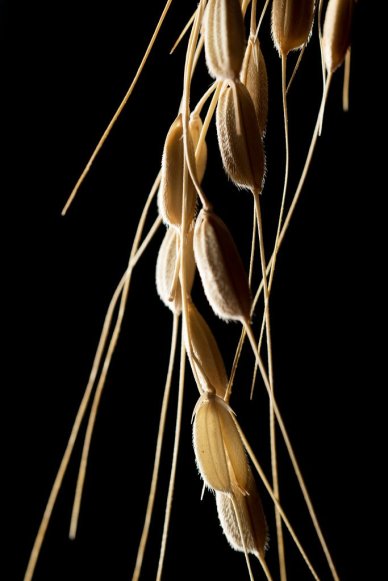
Upland red bearded rice, which grows in the Moruga district in Trinidad, turned out to be a missing culinary link between enslaved people in coastal Georgia and a group of slaves who were able to buy their freedom by fighting for the British in the War of 1812. Credit Karsten Moran for The New York Times

Keep National Parks Safe, Know Your Chocolate

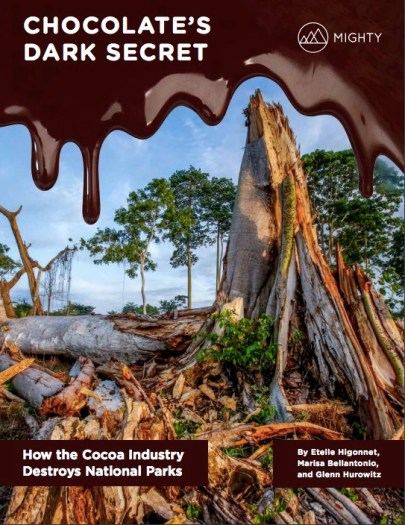
Choc.jpgI am now learning more about cacao, and its end use, the sweet we all adore. The rise in artisanal cacao farming, as we have noted on occasion, can have important implications for conservation. Whether you are a chocoholic or just a casual dabbler in the sweet bi-product of cacao, this report deserves your attention (click on the image to go to the source):

Chocolate is everywhere. It is the afternoon pick-me-up, the sensual indulgence, the accoutrement to seduction. Lovers gift truffles, skiers sip on rich hot chocolate, and connoisseurs savor the tiniest, richest bite of single origin dark chocolate. The ancient Aztecs believed that chocolate was an aphrodisiac, and the emperor Montezuma was reported to gorge himself on chocolate in advance of his trysts. Continue reading

Creative Solutions to Save a Universal Favorite

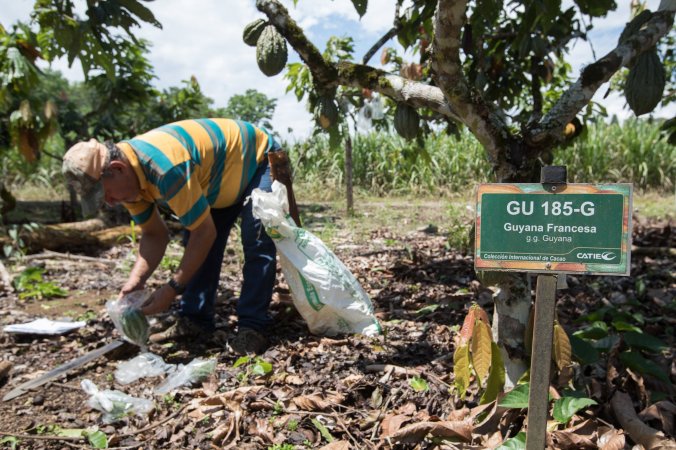
At the International Cacao Collection in Turrialba, Costa Rica, José Antonio Alfaro examined pods — which hold the seeds that make chocolate — treated to resist a devastating fungus. Only a few cacao varieties are widely cultivated, making them susceptible to outbreaks. Credit Mónica Quesada Cordero for The New York Times

As we transitioned from life in India back home to Central America this year, patrimonial foods, and the ecological considerations of food sourcing has been a primary interest. Our pages have featured stories about monoculture agriculture endangering a well loved crop: bananas and coffee have cycled through similar situations. Below is an example of experiments with hybridization probably saving a species.

A Battle to Save the World’s Favorite Treat: Chocolate

TURRIALBA, Costa Rica — The trees of the International Cacao Collection grow here in an astonishing diversity of forms, bearing skinny cacao pods with scorpion-stinger protrusions, spherical green pods that could be mistaken for tomatillos, oblong pods with bumpy skin resembling that of the horned lizard — all in colors ranging from deep purple to bright yellow.

Within each of these pods are seeds that yield something beloved by billions: chocolate.

But despite this diversity, few cacao varieties are widely cultivated, and that’s a problem: Like many other crops, cacao is under constant threat from diseases and environmental challenges exacerbated by our tendency to grow only a few varieties with similar or identical genetic traits and defects.

“Most varieties produced worldwide belong to a narrow set of clones selected in the forties,” said Wilbert Phillips-Mora, who oversees this collection of 1,235 types of cacao trees and heads the Cacao Genetic Improvement Program at C.A.T.I.E. (an acronym in Spanish for the Tropical Agricultural Research and Higher Education Center).

A narrow gene pool means that most commonly cultivated varieties of cacao are susceptible to the same diseases, and these blights can spread quickly.

Cacao production brought relative prosperity to the Caribbean coast of Costa Rica until the late 1970s, when farmers began to notice that pods on their trees were developing a fuzzy white fungal coating and eventually mummifying.

The fungus — Moniliophthora roreri, also called monilia or frosty pod rot — soon spread around the country, and by 1983 Costa Rican exports of dry cacao beans had declined by 96 percent. The industry here has never recovered.

Continue reading

That Thing About Uber

IMG_7783

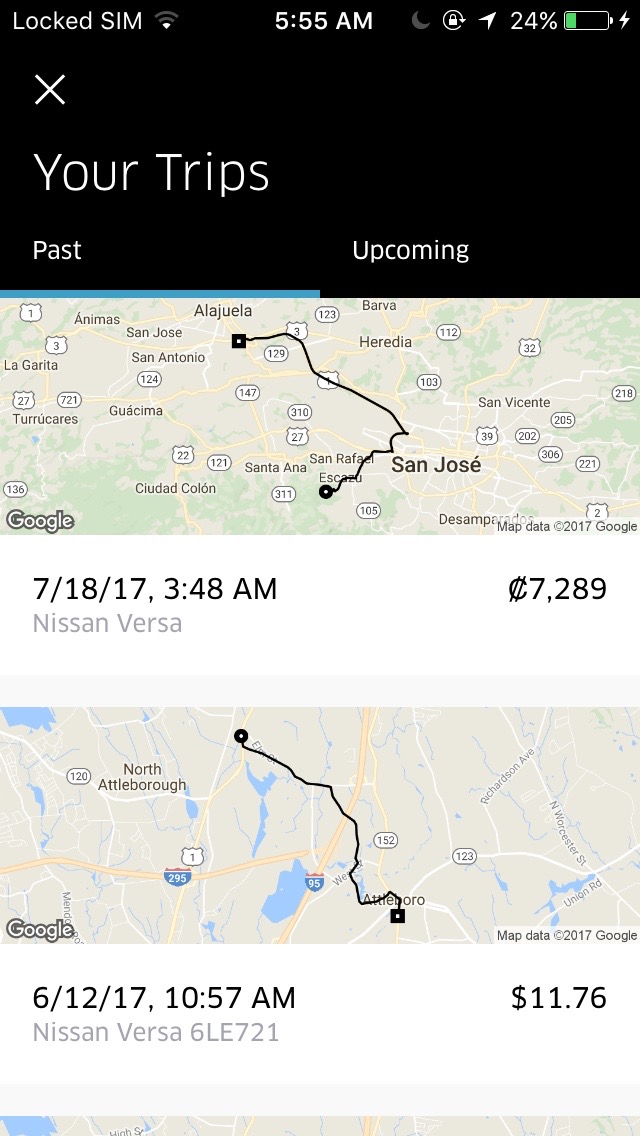
For what it is worth, a confession. I deleted this app with the intent to never use it again, and then I switched to this one. That felt good. Then last week I was up in the mountains of Escazu, in Costa Rica, and I had to change my mind. At 3:30 a.m. a local taxi driver who was supposed to pick me up to take me to the airport did not show up. After a few minutes I finally relented and downloaded the app I had deleted. And something unexpected, something very good happened. Continue reading

A Fitting Celebration Of Henry David Thoreau’s Bicentennial

Today marks the birthday noted here, and I have just read another excellent essay marking the occasion. It happens to coincide with receiving a couple of excellent photographs from Richard Kostecke, a recent guest of Chan Chich Lodge who will soon be a contributor to this site. I’m confident the birthday celebrant would appreciate both the photos and the person. I am mixing things up a bit by sharing these photos with the essay, but I hope the point will be well taken:

Six years before he moved to Walden Pond in 1845 to ponder life and live deliberately, Henry David Thoreau spent two weeks canoeing rivers in Massachusetts and New Hampshire. The voyage was an epiphany for him. Continue reading

Come Back To Belize, Meg Lowman!

We have mentioned Meg more than once since we met her a few years ago, because our interests are aligned. Thanks to this public radio station for reminding me that Meg is due for a visit to Belize (I say wishfully) for a 20-years later discovery trip, and we will be happy to see her at Chan Chich Lodge when the time comes:

megmalaysiaFor over 30 years, Dr. Meg Lowman –Canopy Meg, has designed hot-air balloons and walkways for treetop exploration to solve mysteries in the world’s forests, especially insect pests and ecosystem health. Meg is affectionately called the mother Continue reading

Keeping Species Populations Healthy


lead_960x.jpg

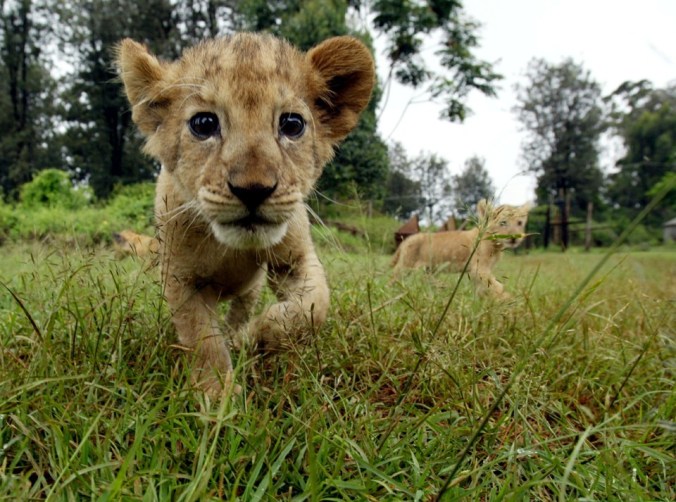
Lion cubs in Kenya. Radu Sigheti / Reuters

At Chan Chich Lodge we are aware that the half million acres of forest surrounding us are essential habitat not just for the specific jaguars, pumas, ocelots, margays and jaguarundis we have the good fortune to see with some frequency. Rather, that scale of acreage is essential for species survival. We are in a large forest corridor that is increasingly rare and unfortunately fragile in other locations throughout the Americas where they still exist. We do what we do with that in mind. Thanks to Ed Yong, at the Atlantic, for this context on extinction:

Imagine if every animal and plant on the planet collapsed into a single population each, says ecologist Gerardo Ceballos. If lions disappeared except from one small corner of Kenya, the prey they keep in check would run amok everywhere else. If sparrows were no more except in one Dutch forest, the seeds that sparrows disperse would stay in place everywhere else. If honeybees became isolated to one American meadow, the flowers that they pollinate would fail to reproduce everywhere else. None of those species would be extinct per se, “but we’d still be in very bad shape,” says Ceballos. Continue reading

Walking In Wildness, For The Sake Of The World

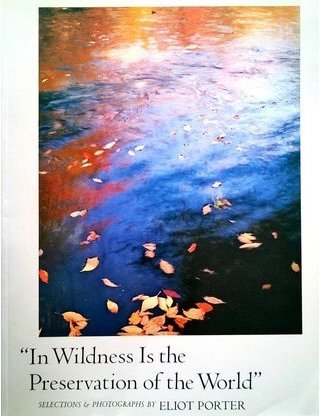
PreservationThis book to the left, first published the year I was born, was always on the coffee table in the home I grew up in. I have mentioned a high school exposure to Walden–the writing, the place, the idea–and I have been thinking about that recently as I ponder Chan Chich Lodge’s own little aquatic wonder. Thinking, of course, while walking, frequently encountering living relics of prehistoric wildness on those walks. Douglas Brinkley’s tribute to the legacy of Thoreau–the walker, thinker, writer, conservationist–as we approach the bicentennial of his birth a few days from now, is perfectly timed: Continue reading