Animals Out Of Place

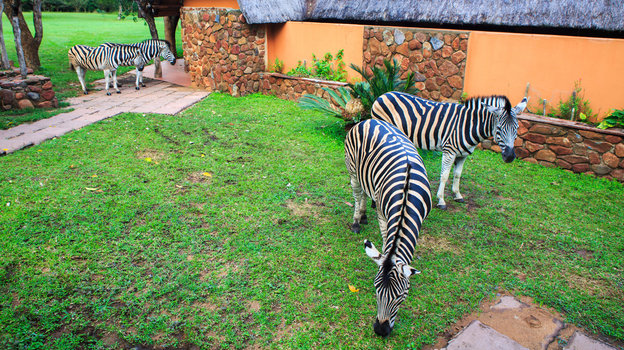
zebra_ozy_2_wide-db72ef84345cb602749821526cdb930e0e4ee129-s4-c85

Sure, they’re cute. And owning them is legal in more places than you might think. That doesn’t mean buying a zebra is a good idea. Ozy.com

National Public Radio (USA) shares a story about animals in places where they do not belong:

It’s a hot, dry day in Kerrville, Texas, and more than a hundred people have gathered in a small circular barn. The crowd is mostly men, tan and weathered from working outdoors, but three little girls perch on a bench in the front. The littlest, who wears a Frozen T-shirt emblazoned with Elsa’s face, leans forward, her eyes wide, and announces to her friends: “I really want a zebra!” Continue reading


Animal Behavior: The Osa Peninsula

On a recent trip to the Osa Peninsula for a couple of days, and one herpetologically-rich night, I found a number of the types of animals that make Costa Rica such a popular destination for wildlife-lovers. The Osa is home to about half the species that Costa Rica boasts, making it the most biodiverse spot in the country — or even the world. The density of fauna seen on any hike through the forest back up the statistics (2.5% of the earth’s biodiversity just on this little peninsula?!), and I was glad to be able to get some video of typical animal behavior during my time there. Continue reading

Some Animal Behavior Footage from Costa Rica

A dragonfly on a path at Xandari

Whenever I have the opportunity to visit a national park in Costa Rica, I obviously take my camera with me so I can try to get some good photos or videos of all the wildlife I hope to see. Looking back on my files of images from the past couple months, I realized that I happened to have some half-decent videos that represented what I’d consider the four most important classes of Kingdom Animalia/Metazoa from the point of view of a terrestrial biophile: Aves, Reptilia, Mammalia, and Insecta. In other words, when I’m walking through the rainforest, the animals I keep an eye out for will likely fall into the category of bird, reptile, mammal, or insect. If I’m out at night, then maybe Amphibia will get thrown in there too!

In the video above, you can  Continue reading

Farmageddon, Reviewed

As Kayleigh continues work begun last month, bringing our attention to all the ways we can improve our food sourcing, this book review seems timely. Barbara King, the reviewer, is a noted anthropologist but even more noted author on the topic of animal emotions. We have not read the book yet, but as always with a good book review our attention is drawn to reasons why we might, or might not, make time for this one.

9781408846445_custom-edb29a20eb514ead6c26ac932f8f904d2cffa1a4-s3-c85

Thanks to National Public Radio (USA) for sharing the review:

For Philip Lymbery, head of the U.K.-based Compassion in World Farming and his co-author Isabel Oakeshott, a visit to California’s Central Valley amounted to an encounter with suffering.

In Farmageddon: The True Cost of Cheap Meat, Lymbery and Oakeshott write that the mega-dairies of the Central Valley are “milk factories where animals are just machines that rapidly break down and are replaced.” At one huge dairy they visited, cows stood idly outdoors, some in shade and some in the sun. No grass cushioned their feet and certainly none was available to eat since, like almost all factory-farm cows, the animals were maintained on an unnatural diet of crops such as corn. The stench in the air was “a nauseous reek.” Continue reading

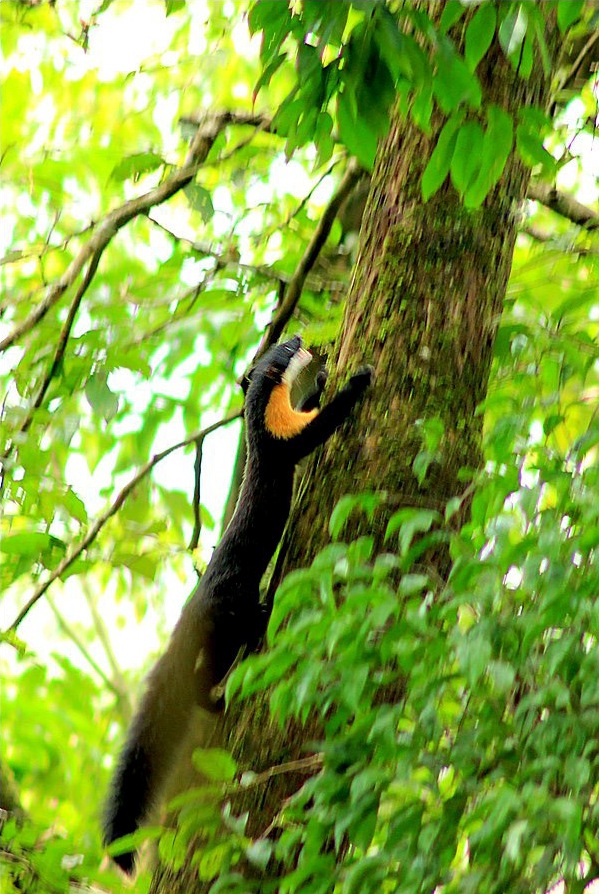
The Nilgiri Marten


Photo credit : Aparna P

Photo credit : Aparna P

The Nilgiri marten (Sc. name: Martes gwatkinsii) is the only marten found in southern India, in the Nilgiris and western Ghats. Martens are fairly widespread members of the family Mustelidae, which also includes the familiar otter, badger, weasel, ferret, and other small carnivorous mammals. The Nilgiri marten, like other martens, makes its home in the forest, inhabiting the moist and semi-evergreen forests of the Western Ghats. They are quite rare and not very well researched; although mostly arboreal, their wide-ranging travels motivated by their carnivorous diet will occasionally bring them down from the trees where lucky photographers may be able to snap a few photos before the marten hightails it. Continue reading

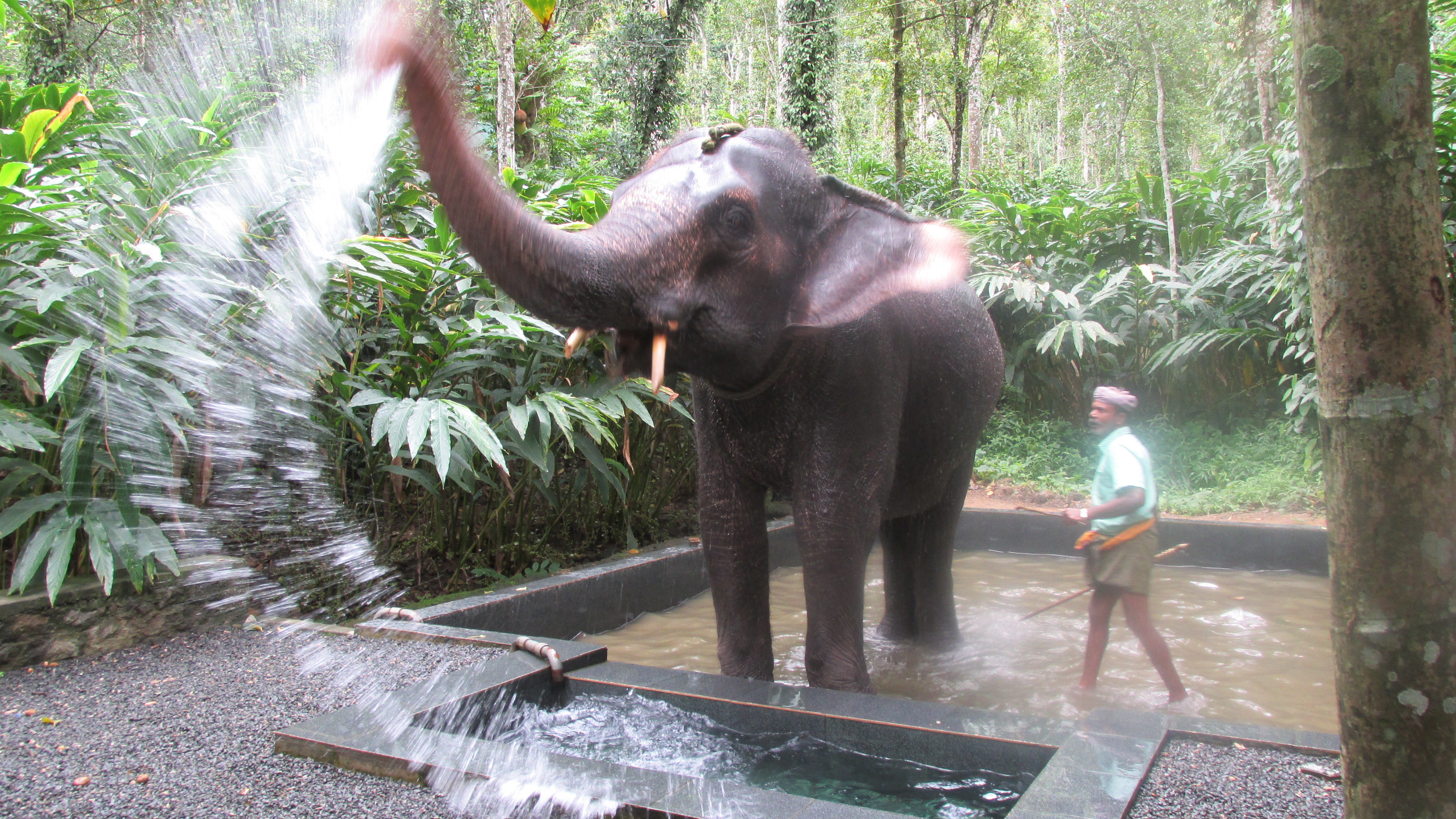
Ganesha Puja at the Elephant Junction

IMG_0113

I felt so grateful to be a witness to this beautiful ceremony today. In Hinduism, puja is an offering ritual. The purpose was to bless ancestors and future generations. The puja was for Lord Ganesha to help remove obstacles. The occasion today was a special new moon that is very good for this particular puja. It was especially sacred because there were elephants there that participated in the ceremony. It was about four hours long. It was truly amazing to watch. I felt inspired to learn more about Hinduism afterwards.

IMG_0067


Continue reading

Thekkady – Periyar Tiger Reserve

Photo credits : Johny Tom

Photo credits: Johny Tom

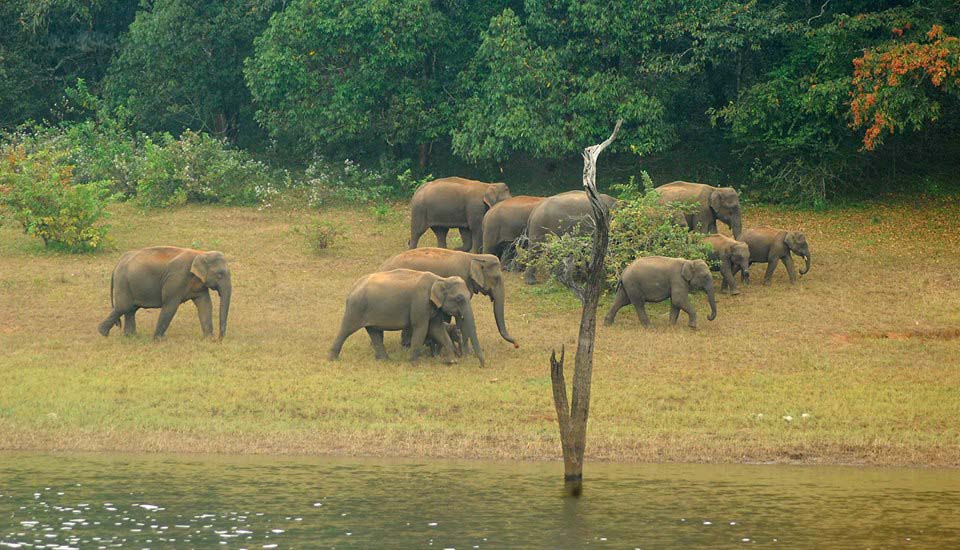
The Periyar Tiger Reserve is one of the major wildlife sanctuaries in Kerala. With 925 square kilometers of forest, it is the largest protected national park in Kerala, and perfect habitat for the Asian elephant. The forest is a great place for animal lovers, bird watchers, and trekkers. Continue reading

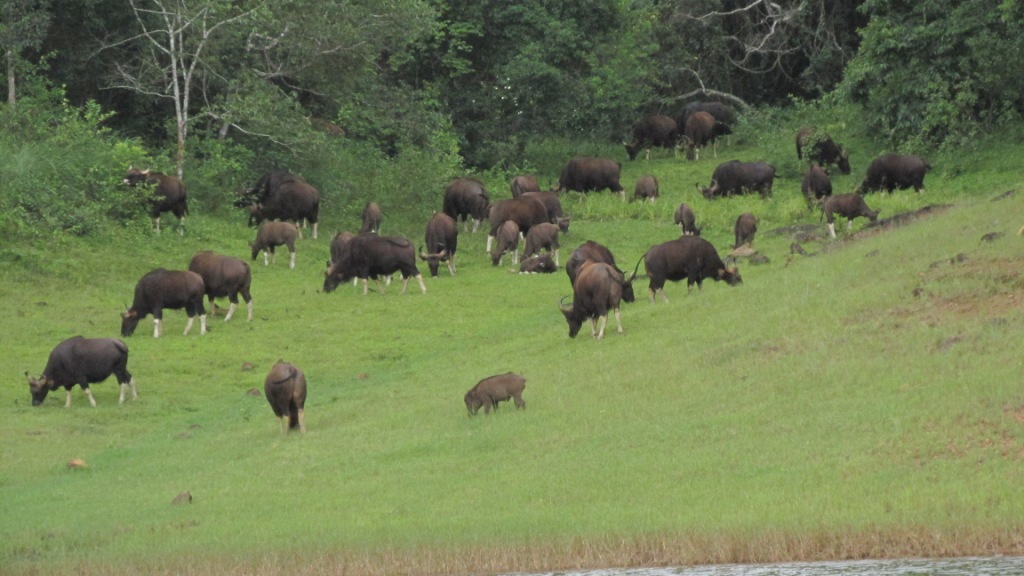
Wild Periyar

Photo credits : E I Sali

Photo credits: E I Salim

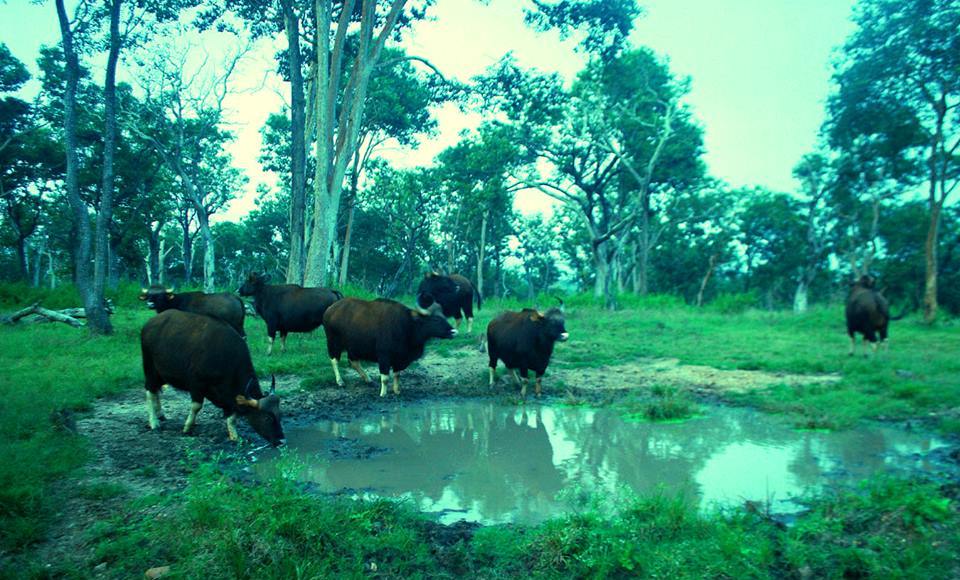
The Periyar Tiger Reserve is a rich biodiversity reservoir of 925 sqr km in the southern portion of the western Ghats of India. Considered one of the thirty-four biodiversity hotspots of the world, it is the land of elephants, gaur (pictured above), deer, and even tigers and other felines.

A 25 sqr km reservoir, Continue reading

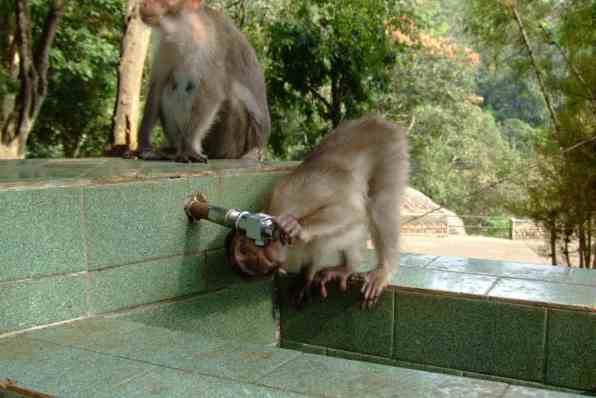
Monkeying around in Cardamom County

Monkey mischief at the Periyar Tiger Reserve, neighbor of Cardamom County

I have never had to take monkeys into consideration when gardening before.

I am at this jungle-like Raxa Collective property in Thekkady, India. I am here to work as an intern to help with creating a more farm-to-table relationship in the restaurant at Cardamom County. There is an organic garden here that is already providing the restaurant with a decent percentage of their staple foods. However, we face a little problem with some main ingredients such as tomatoes, eggplants, and actually anything sweet that we might like to grow such as grapes or pomegranates.

Monkeys. Continue reading

Kakkoor Kalavayal

Photo credits : Shymon

Photo credits: Shymon

Kakkoor Kalavayal is one of Kerala’s famous festivals. The village, Kakkoor, is situated in Eranakulam district. Mud racing is a post-harvest festival celebrated by the farmers of Kakkoor and surrounding villages. A farmer controls his pair of bulls as they race through paddy fields. Continue reading

More Paws at Xandari

Raccoon paw tracks (front)

An extremely strong aguacero (downpour) here at Xandari swelled the river that runs through the property’s grounds yesterday. Still having tracks on our mind from the last post, Seth and I headed down this morning to see if the fresh, silty clay deposited by the high waters had trapped any interesting “autographs.” Continue reading

Mudumalai Wildlife Sanctuary

Photo credits : Unni P

Photo credits: Unni P

Mudumalai National Park is situated in the state of Tamil Nadu. One of the first wildlife sanctuaries established in India, the terrain consists of low hills, valleys, and flat lands with a few swampy areas scattered about. Continue reading

Periyar Tiger Reserve – Thekkady

Photo credits : Unni P

Photo credit: Unni P.

Periyar Tiger Reserve in Thekkady is one of  27 tiger reserves in India. The reserve’s diverse environment includes tropical evergreen and moist deciduous forests, grass lands and lakes. Although Periyar is a tiger reserve, there are many more animals than just tigers to be seen in the region: elephants, bison, Sambar deer, leopards, and wild boars also share the grounds. Continue reading

Snake Charmer

Photo  credit : Jithin

Photo credit: Jithin

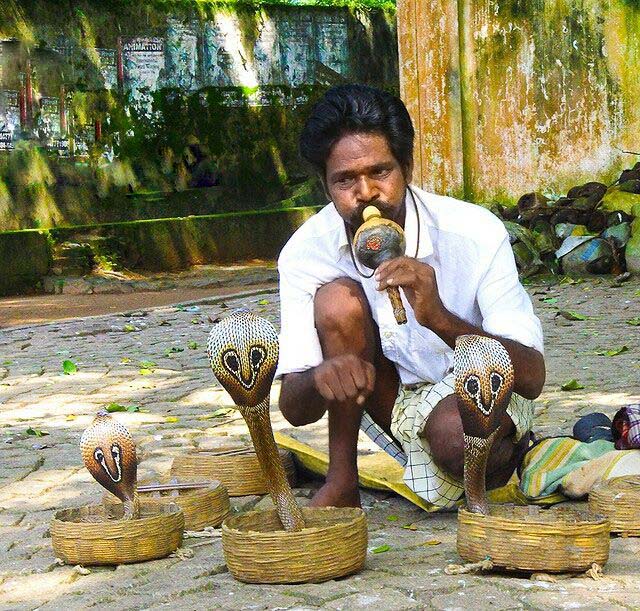
Snake charmers can manipulate trained snakes by playing the instrument called pungi from Indian folk music. This practice originated in India and lives on today in street performances. The snake charmers lure the snakes from bamboo baskets with their pungi while tourists and residents alike pass by.


Ichnology, Xandari-Style

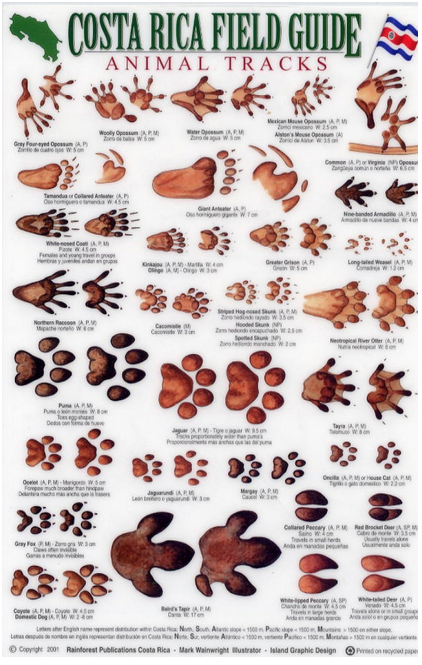
Ichnology is the study of animal traces—commonly tracks, but also anything else that organisms leave behind in their activities (for example, burrows, nests, scat, feeding remnants, or territory markers). It is often far easier to discover an animal’s presence through tracks than direct visual sighting, especially for shy or nocturnal mammals. “An animal can only be in one place at a time, its tracks can be everywhere,” one of my environmental science professors sometimes remarked in support of this principle. Indeed, around Emory’s campus (Atlanta, Georgia) I found tracks on stream banks that belonged to animals I had never actually clapped eyes on in the flesh. Prized among those were a  Continue reading

Fiji Shark Dive

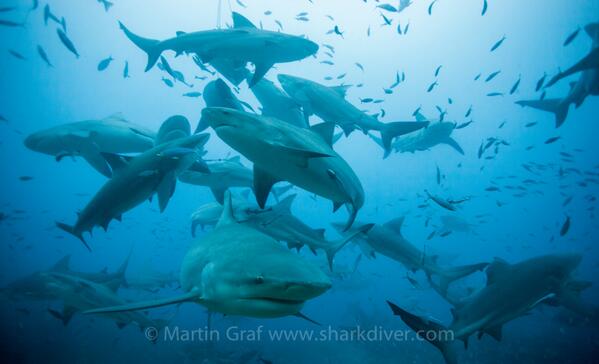
Photo Credit: Martin Graf, Sharkdiver.com

Photo Credit: Martin Graf,  Sharkdiver.com

In an earlier post I wrote about how more and more countries are waking up to the benefits of preserving natural capital, in recognition of the economic value that can be derived through ecotourism. I noted, in particular, the value that can be generated through ecotourism ventures focused on iconic species such as sharks, manta rays, and sea turtles. I cited a number of studies and calculations that demonstrate that the ecotourism value of these animals far outweighs their one-time economic value if harvested for food or body parts.

Earlier this week, I had an opportunity to experience one such venture first hand, via the famous Fiji Shark Dive. Over the course of two dives I was treated to the spectacle of 40+ Bull Sharks and dozens of Blacktip and White Tip Reef Sharks, up close and personal!  What an amazing experience to see these magnificent animals – some upwards of 8 feet long –swimming only inches away.  Click here for a video (check out the background music!) courtesy of Martin Graf, one of the pioneers of the Shark Diving industry, who just happened to be in Fiji this week and was along on my dives. Continue reading

Periyar Sightings

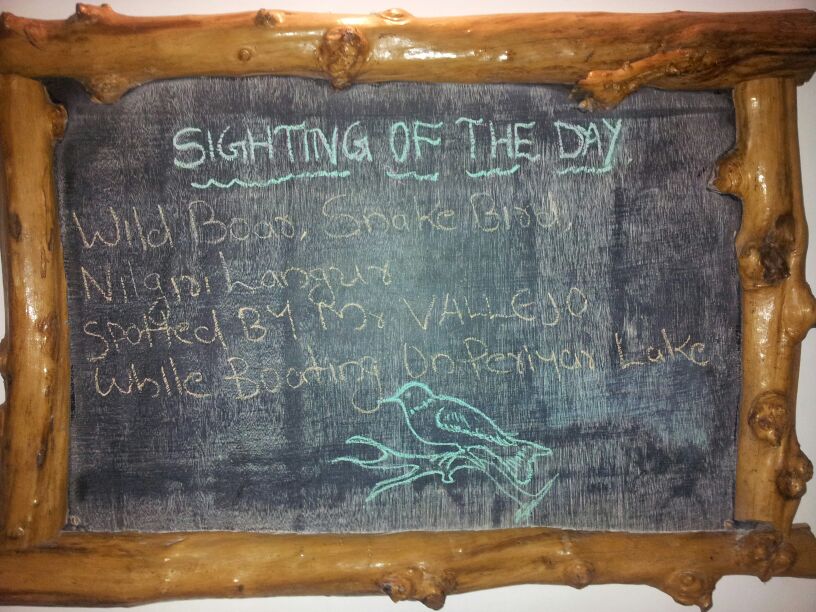
Sighting of the day

Sighting of the day

It has been a while since we have shared our guest sightings at the Periyar Tiger Reserve. Some guests carry cameras to capture every moment and some just like enjoying the moment. Our reception chalk board gives people the opportunity to share those experiences with others–in this case not in photos but their memories.


Terrible Trade

Photo © Matt Reinbold

Photo © Matt Reinbold

Thanks to Miles Becker for this summary of an article that touches on a theme we have highlighted in the past–sourced from Bush, E.R. et al. 2014. Global trade in exotic pets 2006-2012. Conservation Biology doi: 10.1111/cobi.12240— at Conservation Magazine‘s website:

Pet stores are filled with colorful critters originating from the wilds of other continents. All the cages and terrariums stay well stocked while many prized species decline in their native habitat. Does the global fascination with exotic pet species hasten their extinction?

One way to find out is to compare the list of traded species with a list of species in trouble. The Convention on International Trade in Endangered Species (CITES) maintains records of reported legal exports from its 180 member countries. The conservation status of species are listed on the red list curated by the International Union for Conservation of Nature and Natural Resources (IUCN). Both datasets were analyzed by conservation biologists for a seven-year period of international trade in bird, reptile, and mammal species. Continue reading

If You Happen To Be In Philadelphia

This slideshow requires JavaScript.

We are on a Prosek roll…Currently, through June in Wood Gallery 227 at the Philadelphia Museum of Art, you can experience an exhibition dear to the heart of many members of Raxa Collective’s team in South Asia, and travelers from around the world, from the artist’s 2008 work:

The Peacock and the Cobra, a portfolio by artist and naturalist James Prosek (American, born 1975), forms the centerpiece of this exhibition. Also on view are a variety of painted pages and other objects from the Museum’s rich collection of art from India and Pakistan. While Prosek is not himself South Asian, the narratives that compose The Peacock and the Cobra invoke a range of ideas and images from the subcontinent. Continue reading