Mangroves Need Intent And Action

srilanka_tsunami.jpg

Image: Irish Typepad / Flickr

Thanks to Anthropocene for this summary by Brandon Keim of new scientific findings showing that Good intentions alone won’t grow new mangroves:

Perhaps no single ecosystem is more emblematic of nature’s benefits to humans than mangrove forests. Lining tropical and subtropical coastlines worldwide, they’re nurseries for countless species and protect inland areas from hurricanes and storms. They’re an environmental feature beyond our wildest technical capacities. Continue reading

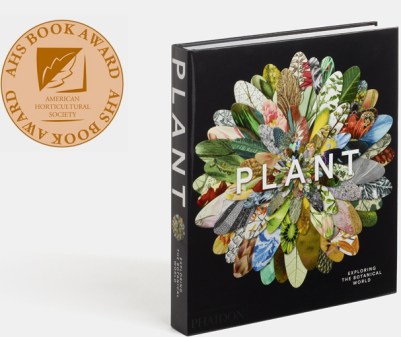
Plant, Coffee Table Baiting

9780714871486-940-ahsPhotos by Penn, Steichen and other classic masters share the pages with some of today’s greatest photographers in this book. It brings our attention to flora in both natural and still-life settings, making this kind of debate irrelevant.

Floral arranging, an art form, can be seen as baiting, in a way. We are mindful of the fact that most of the world increasingly lives in urban settings. While our job is to provide access to the wonders of wild nature, there is a vital role for plants in the daily lives of urbanites to remind them to get back to nature from time to time. If this book provides coffee tables daily reminders of that imperative, we are all for baiting.

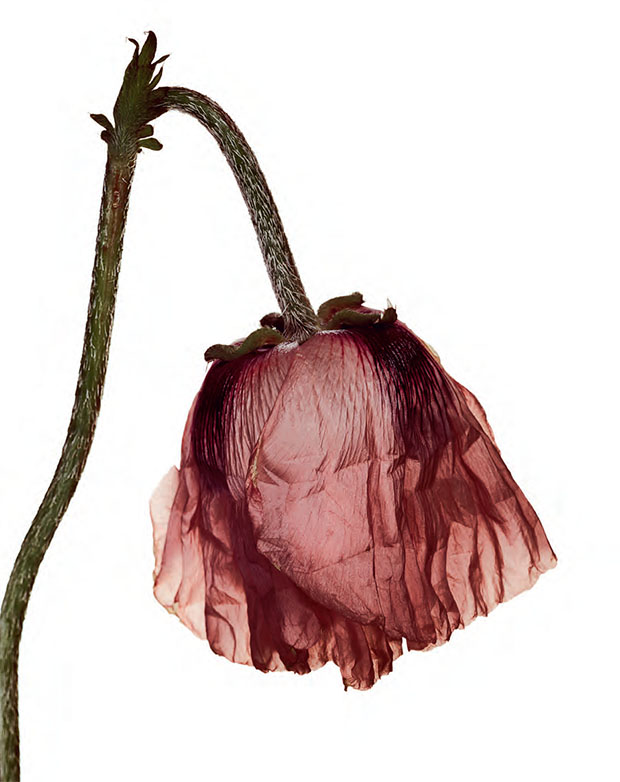
penn-poppy.jpg

Single Oriental Poppy (C), 1968 by Irving Penn. From Plant: Exploring the Botanical World

Plant wins American Horticultural Society Book Award!

Plant is ‘an art exhibit in book form’ says one of the judges – and who are we to disagree? Continue reading

Herbal Patrimony Saved For Posterity, And For The Health Of Present Generations

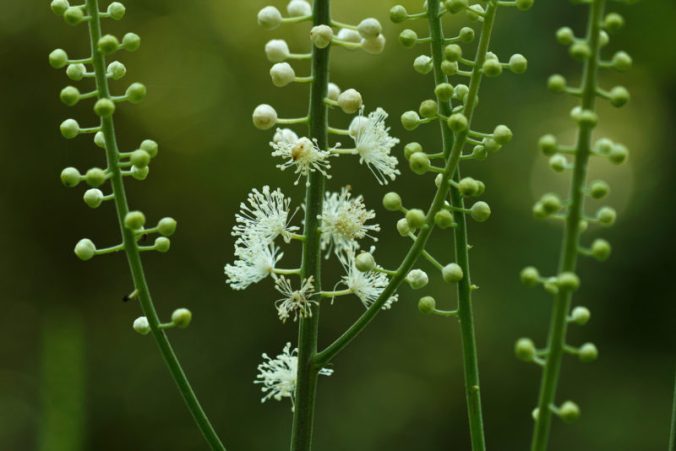
BlackCohosh_MtCubaCenterDE_TomPotterfieldFlickr_2000

Black cohosh is a valuable commercial medicinal plant, used to treat symptoms of menopause. TOM POTTERFIELD/FLICKR

Thanks to Nancy Averett at Yale360 for this:

Seeds of Commerce: Saving Native Plants in the Heart of Appalachia

In southern Appalachia, botanist Joe-Ann McCoy is collecting the seeds of thousands of native plant species threatened by climate change. But in this job-scarce region, she also hopes to attract an herbal products company to cultivate the area’s medicinal plants. Continue reading

Love Your Seagrass

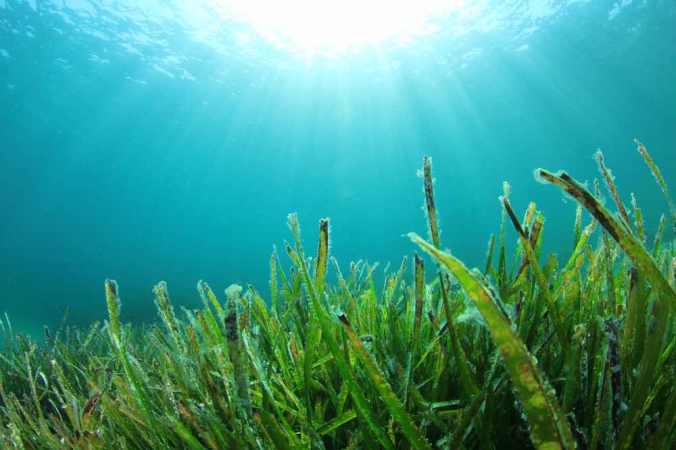
shutterstock_142303630.jpg

Seagrass meadow © Rich Carey / Shutterstock.com

Thanks to Cool Green Science:

New Science Shows Seagrass Meadows Suppress Pathogens

NatureNet Fellows Science Update

It was a rough bout of illness while she and her colleagues were studying corals in Indonesia that first focused Nature Conservancy NatureNet Science Fellow Joleah Lamb’s attention on the disease-mitigating possibilities of seagrass meadows. Continue reading

Broccoli & Other Suprises

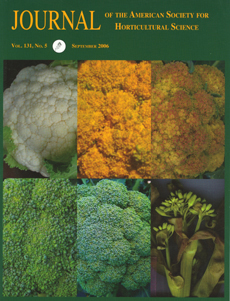
JASHScover.jpgToday I finally listened to an episode of the Surprisingly Awesome podcast, a series we have linked to more than once, that had exactly the intended effect. I now care deeply about a vegetable that I did not care deeply about before.

The image to the left is from the publications page of Cornell Professor Thomas Björkman, who is featured in the podcast. He is the perfect straight man explainer to complement the podcast’s creatively curious hosts.

As we move our farm to table program forward at Chan Chich Lodge, this is a podcast I am sharing with Chef Ram, and you might enjoy it too so click the soundcloud banner below:

Broccoli.jpg

Millet, India & A New Green Revolution

icp_85391_custom-9fc254ac6101beb99ae83be3762e31f96f3aecfc-s1400-c85.jpg

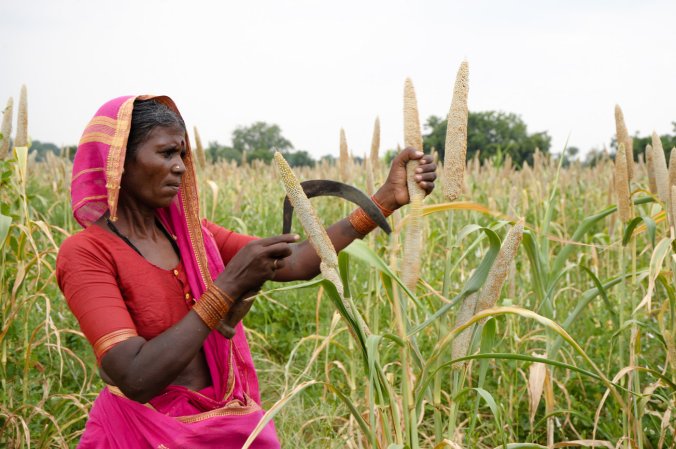
A woman farmers harvests pearl millet in Andhra Pradesh, India. Millets were once a steady part of Indians’ diets until the Green Revolution, which encouraged farmers to grow wheat and rice. Now, the grains are slowly making a comeback. Courtesy of L.Vidyasagar

Thanks to the folks at the salt for this note on millet:

Getting people to change what they eat is tough. Changing a whole farming system is even tougher. The southern Indian state of Karnataka is quietly trying to do both, with a group of cereals that was once a staple in the state: millet. Continue reading

Tagimoucia, A Glimpse Of Heaven

02fiji-superJumbo.jpg

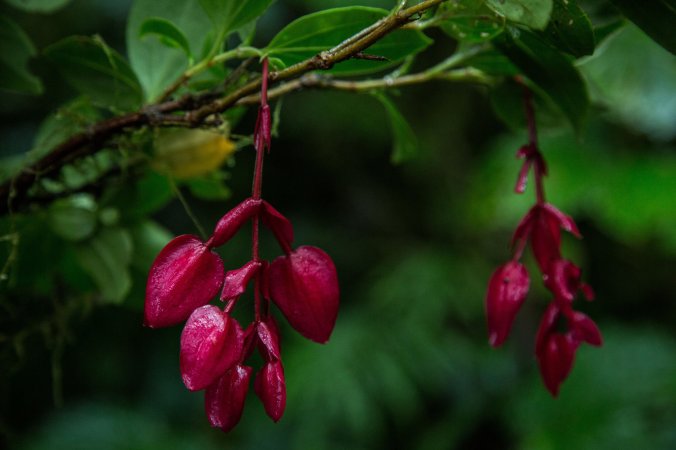
Tagimoucia has attained a kind of celebrity status because of its beauty and rarity. Credit Lam Yik Fei for The New York Times

For Fijians, this flower is viewed rarely enough to enhance its sacred status; for the rest of us, a photograph like the one above is like a siren call to come, behold it:

A Rare Pacific Islander Captivates Its Neighborhood

TAVEUNI ISLAND, Fiji — In Fiji, flowers can take on a spiritual, magical significance. They are strung together as garlands for ceremonies and festivals or worn as an ornament behind the ear on any given day.

The South Pacific archipelago is home to about 800 species of plants found nowhere else in the world. But the most special is the tagimoucia, a crimson and white flower that hangs down in clusters like a chain of ruby raindrops. Because of its beauty and rarity, it has attained a kind of celebrity status. Continue reading

Scientist, Illustrator, Forgotten Metamorphosist

24tb-merian08-superjumbo

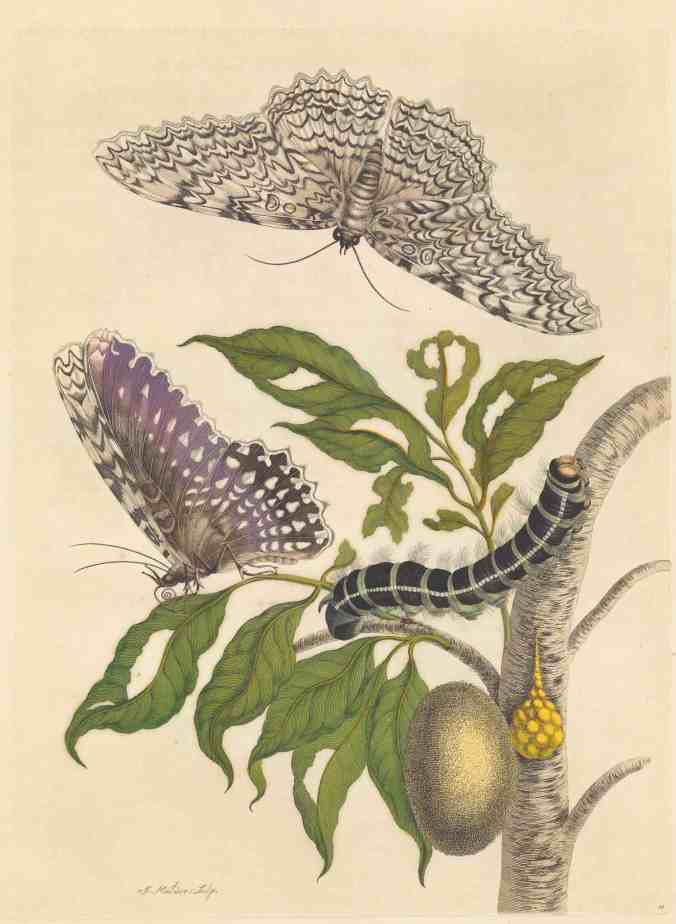
In some of Merian’s drawings, butterflies and caterpillars didn’t match. CREDIT MARIA SIBYLLA MERIAN, METAMORPHOSIS INSECTORUM SURINAMENSIUM, AMSTERDAM 1705, THE HAGUE, NATIONAL LIBRARY OF THE NETHERLANDS

Any story with Metamorphosis in it is bound to get our attention, but a long-forgotten scientist getting her due is the intrigue that makes this story by JoAnna Klein–A Pioneering Woman of Science Re‑Emerges After 300 Years–coinciding with the republication of this book below, worthy of the read:metamorph
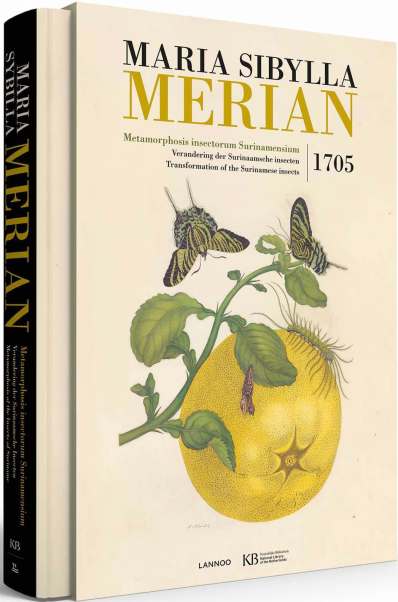
Maria Sibylla Merian, like many European women of the 17th century, stayed busy managing a household and rearing children. But on top of that, Merian, a German-born woman who lived in the Netherlands, also managed a successful career as an artist, botanist, naturalist and entomologist.:

“She was a scientist on the level with a lot of people we spend a lot of time talking about,” said Kay Etheridge, a biologist at Gettysburg College in Pennsylvania who has been studying the scientific history of Merian’s work. “She didn’t do as much to change biology as Darwin, but she was significant.” Continue reading

Patagonia, Geological Time & Food History

tb-tomatillo1-master768

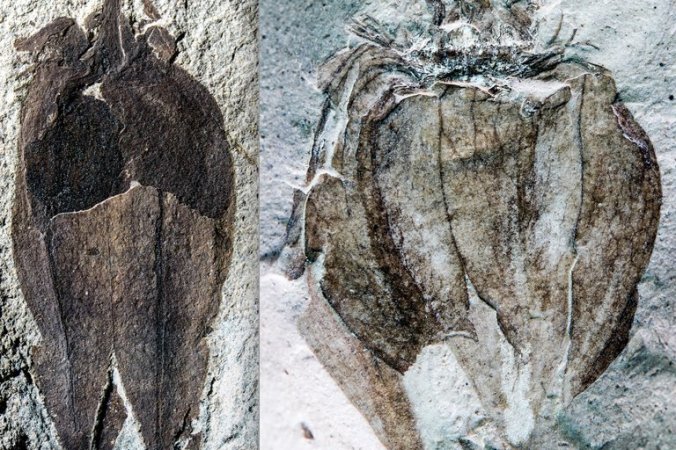
Two fossils of a newly discovered species of tomatillo that are 52 million years old. CreditPeter Wilf

They had us at Tomatillo. But mention fossils, geological timeframe, discovery and Patagonia all in the same headline and there we go:

Tomatillo Fossils, 52 Million Years Old, Are Discovered in Patagonia

By Nicholas St. Fleur

The nightshades have an ominous reputation, but this large plant family is more than just its most poisonous members, like belladonna. It contains more than 2,400 different species, including some of the most widely consumed fruits and vegetables in the world, such as potatoes, tomatoes and peppers. Continue reading

Bioluminescence Better Understood

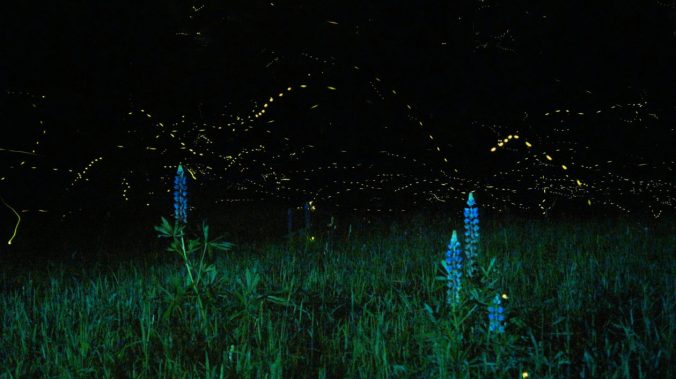
14505155544_2d3fa95c7c_k-1260x708 (1).jpg

Thanks to Cool Green Science for shedding more light on a topic we have commented on from time to time since starting this platform:

Living Light

What makes some living things glow?

by JENNY ROGERS

For two weeks each year at the beginning of summer, fireflies light up a portion of Great Smoky Mountains National Park. They glow in unison or in waves as males communicate with females in an elaborate mating dance that no one fully understands. There are at least 19 firefly species in the park, but Photinus carolinus is one of the only fireflies in America known to light in unison. Tourists arrive by the thousands to watch. Continue reading

Photosynthetic Solutions

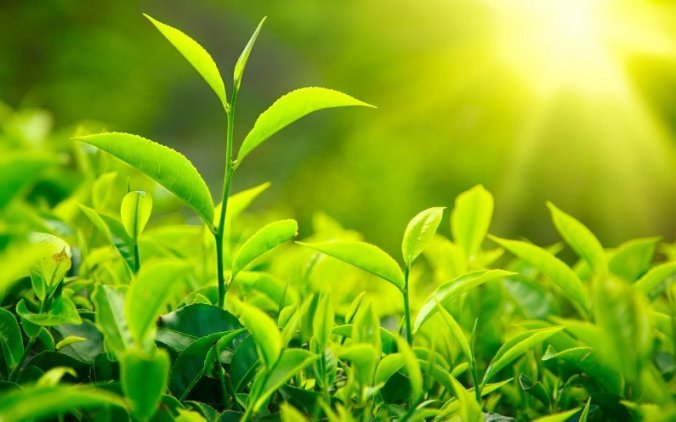
wilerson-s-andrade

Wilerson S. Andrade/Flickr.com

Thanks to Anthropocene:

Could more efficient photosynthesis help feed the world?

Agricultural Origin Story

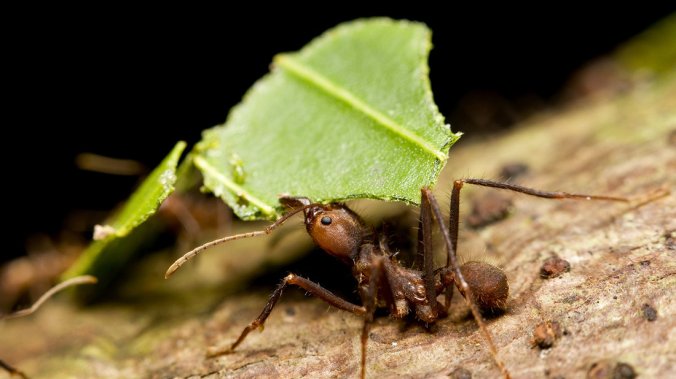
leaf-cutter-ants_wide-6b7093087f0ce34d72d51f5eebb34ebc9db81df7-s1100-c85

Various species of ants engage in some kind of agriculture. Here, a leaf-cutter ant gathers food for its fungus farm. Mark Bowler/Science Source

Thanks to National Public Radio (USA):

Who Invented Agriculture First? It Sure Wasn’t Humans

Ants in Fiji farm plants and fertilize them with their poop. And they’ve been doing this for 3 million years, much longer than humans, who began experimenting with farming about 12,000 years ago. Continue reading

Acorns, Seeds, Understood

201610516172412162-2016-11nightstandravenf1

Thanks to American Scientist for this book review:

From Little Acorns

Peter H. Raven

SEEDS: A Natural History. Carolyn Fry. 192 pp. University of Chicago Press, 2016. $35.

Plant conservationists, horticulturists, plant ecologists, and the like face a perplexing public relations problem when it comes to their beloved subject: For many people, plant life—even though it is essential to the existence of all living things on our planet—may seem dull, especially in comparison with animal life. In 1998 American botanists James Wandersee and Elizabeth Schussler coined the term plant blindness, defining it as “the inability to see or notice the plants in one’s own environment,” leading to “the inability to recognize the importance of plants in the biosphere and in human affairs.” In the pages of Seeds, Carolyn Fry offers an almost certain cure for this malady. Continue reading

Tree Elders & Drought

sequoias-1_custom-9d831bf09949d38d3d16746b895b30fc2bfa786a-s1100-c85.jpg

Giant sequoias in the Sierra Nevada range can grow to be 250 feet tall — or more. John Buie/Flickr

Thanks to National Public Radio (USA):

How Is A 1,600-Year-Old Tree Weathering California’s Drought?

It’s been a brutal forest fire season in California. But there’s actually a greater threat to California’s trees — the state’s record-setting drought. The lack of water has killed at least 60 million trees in the past four years.

Scientists are struggling to understand which trees are most vulnerable to drought and how to keep the survivors alive. To that end, they’re sending human climbers and flying drones into the treetops, in a novel biological experiment. Continue reading

Late October’s Flame Red Trees

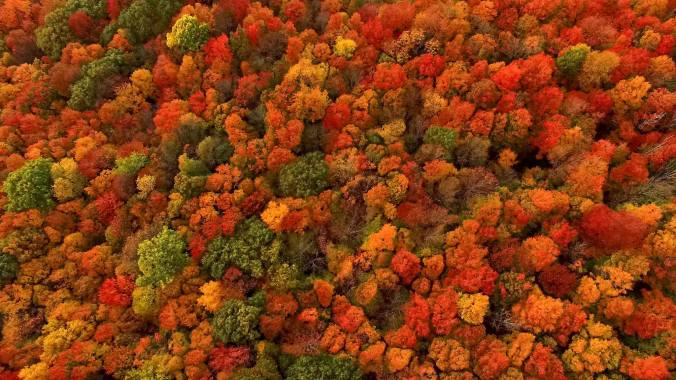
26tb-foliage-superjumbo

Treetops near Song Mountain in Tully, N.Y., last week.CreditLauren Long/The Syracuse Newspapers, via Associated Press

We do not need to understand it to appreciate the beauty, but the science behind it is another wonder of its own:

Why Does Fall Foliage Turn So Red and Fiery? It Depends.

By

Leaves scream their final cries in color before dropping to the ground. Their shouts — in golden, crimson or scarlet — eventually fade to brown bellows, and their lifeless bodies dry up on the forest floor. It absorbs their crinkly corpses and that’s it — worm food. The fall of a leaf in autumn is an orchestrated death. A complex, brilliant, beautiful death.

Right now across the United States, fall foliage season is peaking, and everyone’s out to get a peep at the fiery show. Hiking trails are crowded. Mountain roads are packed, and leaf cams are getting lots of love. When you think of it as watching the death of leaves, it sounds morbid, but it’s captivating nonetheless. Does the way some turn red in the process serve any purpose? Continue reading

The Future Of Coffee Matters To Us For More Than One Reason

3000

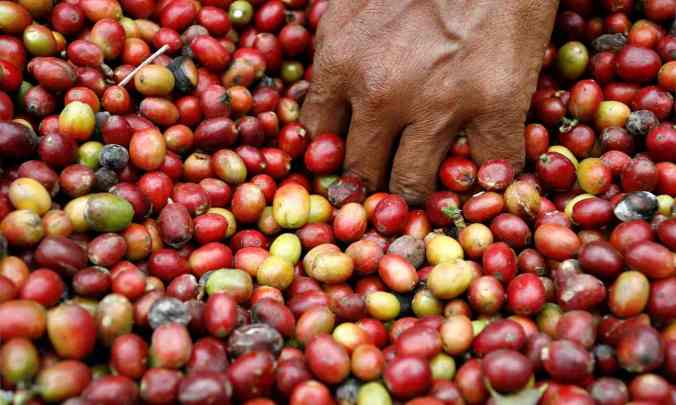
A farmer with coffee cherries from his latest crop, the seeds of which are roasted, ground and brewed to make coffee. Photograph: YT Haryono/Reuters

We work in several countries where coffee production is important to the national economy. We serve coffee in every property we have ever managed. Many of us working in La Paz Group are coffee junkies.

But more than that, as I have mentioned at least once in these pages, we care extra deeply about the future of coffee because on one of the properties we manage, some excellent arabica estate coffee is growing in the shade of a rainforest canopy. I owe you more on that topic. For now, what has my attention is ensuring the long run sustainability of this organic coffee production.

So you can be sure of where some of our team members will be next Tuesday. Join us if you can:

Climate change is threatening the world’s coffee supplies: what can we do? – live chat

Join us on this page on Tuesday 20 September, 2-3pm (BST), to debate the future of coffee, and the millions who depend on it, in the face of climate change

What we’ll be discussing Continue reading

Breadfruit, Tropical Wonderfood

breadfruit_wide-4cafd8f5b004aa375b43dfd527929b0cc8e60e29-s1400-c85.jpg

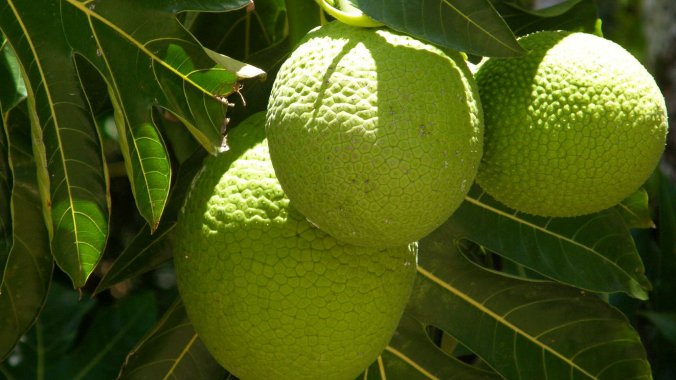
Breadfruit is a protein and nutrient-rich staple in Hawaii and other islands in the Pacific Ocean. Malcolm Manners/Flickr

We have had these trees growing all around us in more than one tropical zone where we operate, but had not realized just how high their nutritional value is, nor their potential for doing more to alleviate hunger (thanks to the folks at the salt, National Public Radio USA):

Productive, Protein-Rich Breadfruit Could Help The World’s Hungry Tropics

Packed with nutrients, easy to grow and adaptable to local cuisines, this tropical superfood could bring more food and cash to poor farmers around the world.

On a muggy morning on Kauai’s south coast, ethnobotanist Diane Ragone inspects a dimpled bright green orb, the size of a cantaloupe. She deems the fruit mature, at its starchy peak. Perfect for frying or stewing. Continue reading

Corpse Flower Diaries

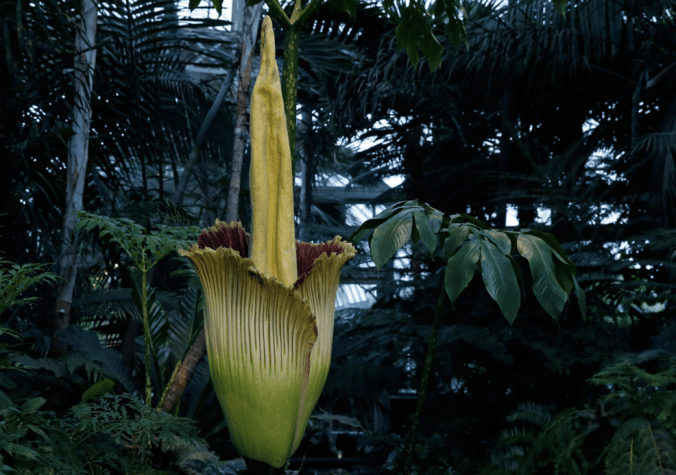
Photograph by Kathy Willens/AP

I first became aware of the amazing Amorphophallus titanum 4 years ago during a “bloom watch” of a Kenneth Post Lab Greenhouses specimen at Cornell University.  At the time the concept of a “Greenhouse Cam” was completely new to me, and I followed it, and the science behind the study of the plant, with fascination. Despite the rarity of the flower, a handful have bloomed within the past several years, the most recent being at the New York Botanical Garden.

All that said, the Corpse Flower by nature is the botanical version of a “comedic straight man” in the set up of story-based jokes. (For example, the scientific name means “giant misshapen phallus”.) Continue reading

Bioluminescent Fungi

4608

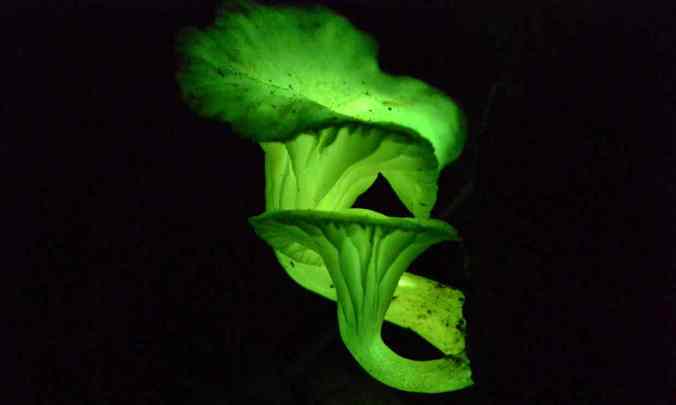
Fungal luciferin could eventually allow the creation of an autonomously luminescent plant. Photograph: Cassius Stevani at the San Paulo University in Brazil

Bioluminescence has appeared in these pages so many times that people probably wonder why. The answer would be because we have contributors who see its wonder of the world quality as directly relevant to our communications mission.

And there was a time when stories about fungi, mushrooms, etc. were the domain of one key contributor. We used to leave stories like this one to our resident mycoenthusiast  Milo, but he is no longer in residence with us; instead, busy now setting up a permaculture organic farm in the rolling hills to the west of Ithaca, NY (USA). So, for lack of a better post-person, this recommendation is from the team:

How research into glowing fungi could lead to trees lighting our streets

Bioluminescence, the peculiar ability of some organisms to behave like living night-lights, could be the key to some remarkable advances

On a moonless night deep in a Brazilian rainforest the only thing you are likely to see are the tiny smears of light from flitting fireflies or the ghostly glow of mushrooms scattered around the forest floor. Both effects are the result of bioluminescence, the peculiar ability of some organisms to behave like living night-lights. Continue reading

Heavenly Apricots

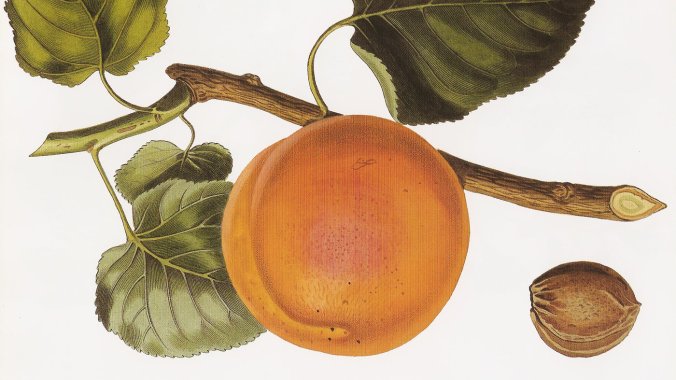
apricotbotanicalprint1_wide-a63e26cd892d8827bb5ef848d5ee69f1298599ee-s1400-c85

The ‘Turkey’ apricot, a hand-coloured engraving after a drawing by Augusta Innes Withers (1792-1869), from the first volume of John Lindley’s Pomological Magazine (1827-1828). The Romans dubbed the apricot the “precious one.” Poets praised its beauty. The conquering Arabs took it to the Mideast, where the luxurious fruit was exploited in sugary confections. The Royal Horticultural Society Diary/Wikimedia Commons

Thanks to National Public Radio (USA) and the Salt folks:

‘Moon Of The Faith:’ A History Of The Apricot And Its Many Pleasures

The Romans dubbed it the “precious one.” Poets praised its beauty. The conquering Arabs took it to the Mideast, where the luxurious fruit was exploited in sugary confections.

Continue reading