Heliconia Caribaea

Heliconia caribaea is tropical plant naturalized in the Western Ghats of India. In Kerala, it is commonly popular for its beautifully colorful flowering bracts. It is often grown as a decorative flower for bouquets as it can last for 6-7 days. The flowers are highly modified into a shellfish claw shape and only the sunbirds feed off their nectar. Continue reading

Angel’s Trumpet (Datura Suaveolens)

Angel trumpet plant is a shrub very commonly found in the Western Ghats of India. It grows to a height of 3-5 meters with funnel shaped white flowers. The shape and color inspires the flower’s name. Continue reading

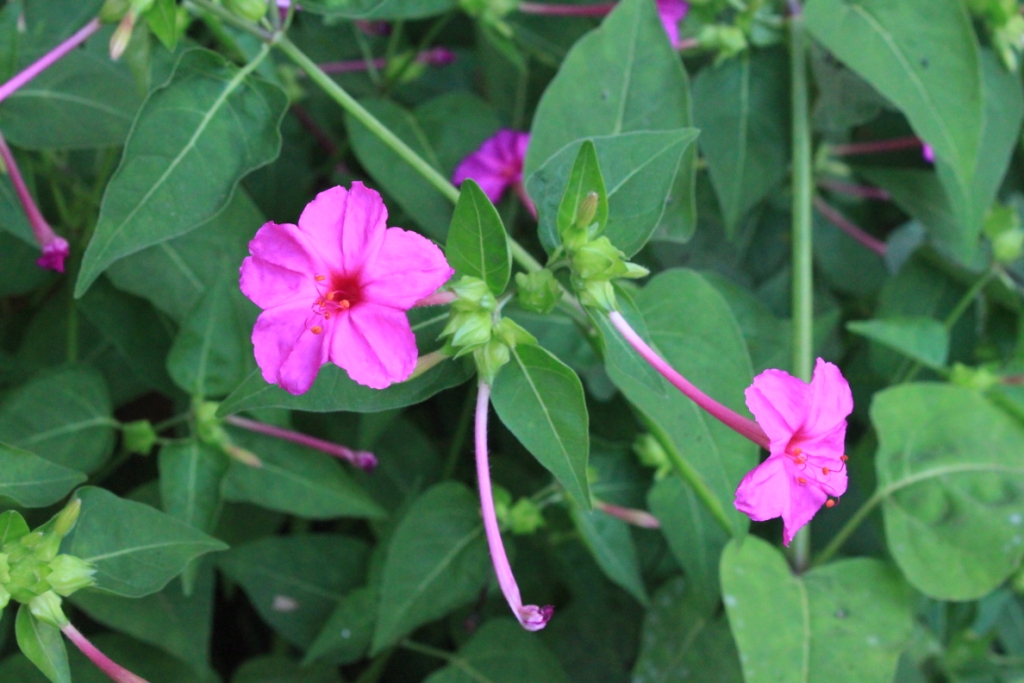
The Four O’Clock Flower (Mirabilis)

The four o’ clock flower is an ornamental, perennial, scented flower found commonly in the high ranges of the Western Ghats of India up to 800-1200m. These flowers will start to open its delicate bud in the afternoon and reach full bloom by 4 o’ clock. Continue reading

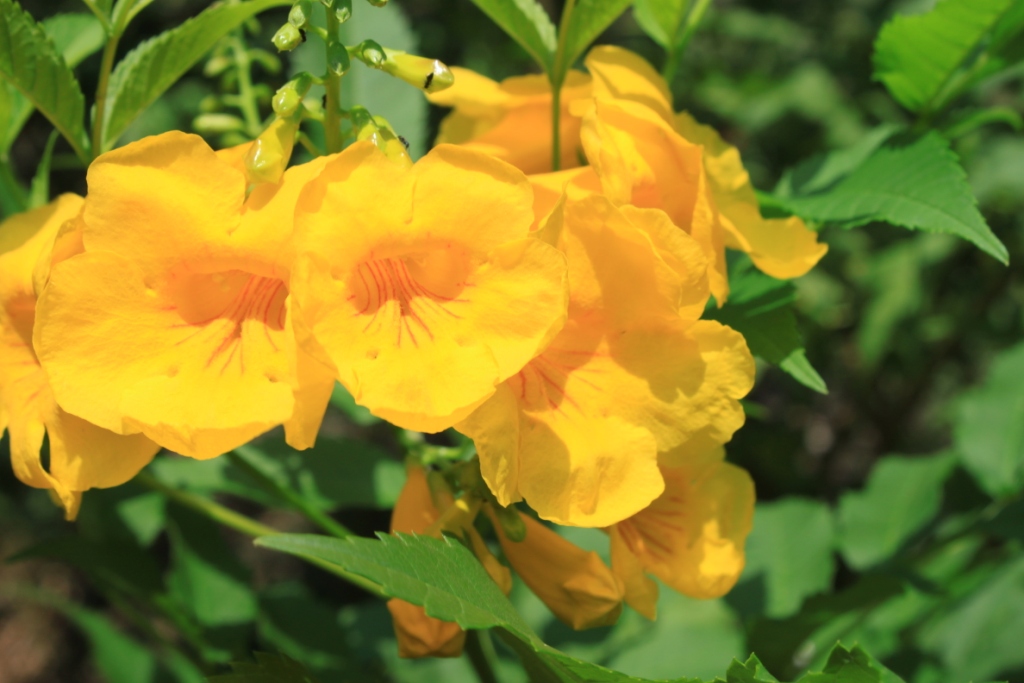
Yellow Bell Flower (Tecoma Stans)

Yellow bell is an ornamental, perennial plant naturalized in the Western Ghats of India that grows to a height of 10-20 ft . The flowers are yellow and bell shaped when inverted, hence bearing the name Yellow bell flower.  Bees, butterflies and humming birds are attracted by the flowers and helping them in pollination. In Kerala, it is widely cultivated as an ornamental as it attracts everyone by its natural beauty. Continue reading

Musa Laterita Plant

Musa Laterita is a plant that resembles the banana plant naturalized in Kerala for its fibre cultivation. The leaf stem of the plant is cut and left to wilt, then soaked in water and crushed to separate the very strong fibres. These fibres are woven into rope or cord and can be even made into paper.  The fibre is prized due to its strength, flexibility and water resistance even to salt water and hence it used for marine ropes, well-drilling cables, etc. Continue reading

Pagoda Flower

The Pagoda flower is a tropical garden plant with large, heart shaped evergreen leaves found in the Western Ghats of India. The small, orange-red flowers are funnel shaped with long tubes. It is the main food plant of the Southern Bird Wing– the largest butterfly of Southern India. Continue reading

Red Trumpet Lily

The Red Trumpet Lily is an ornamental plant commonly naturalized in the high ranges of India’s Western Ghats. The flower gets its name from its trumpet shaped blossom that begins to bloom in April and ends by June. Continue reading

Nishagandhi – Queen of the night

This slideshow requires JavaScript.


Night Blooming Cereus is one of the most popular garden flowers commonly found in the hill ranges of India’s Western Ghats. A member of the cactus family, its flowers are white and strong scented, with the distinction that they bloom only at night and close by dawn.

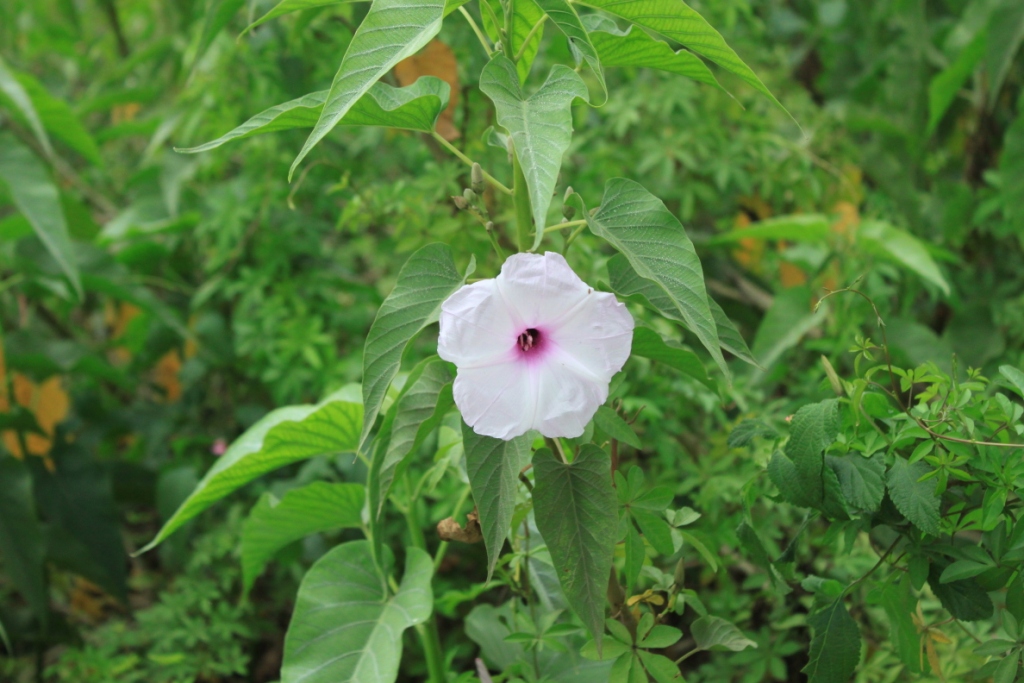
Railway Glory (Ipomoea cairica)

Railway Glory is a tropical, perennial climbing vine with tuberous roots, spreading extensively in the hills of India’s Western Ghats up to 1000m. The plant blooms throughout the year, growing aggressively over fences, shrubs and trees. The attractive flowers are purple, pink or rarely pinkish white. In Kerala it is commonly planted in gardens and around houses for insulation against the summer heat. It is also known by the names Cairo Morning Glory and Coastal Morning Glory. Continue reading

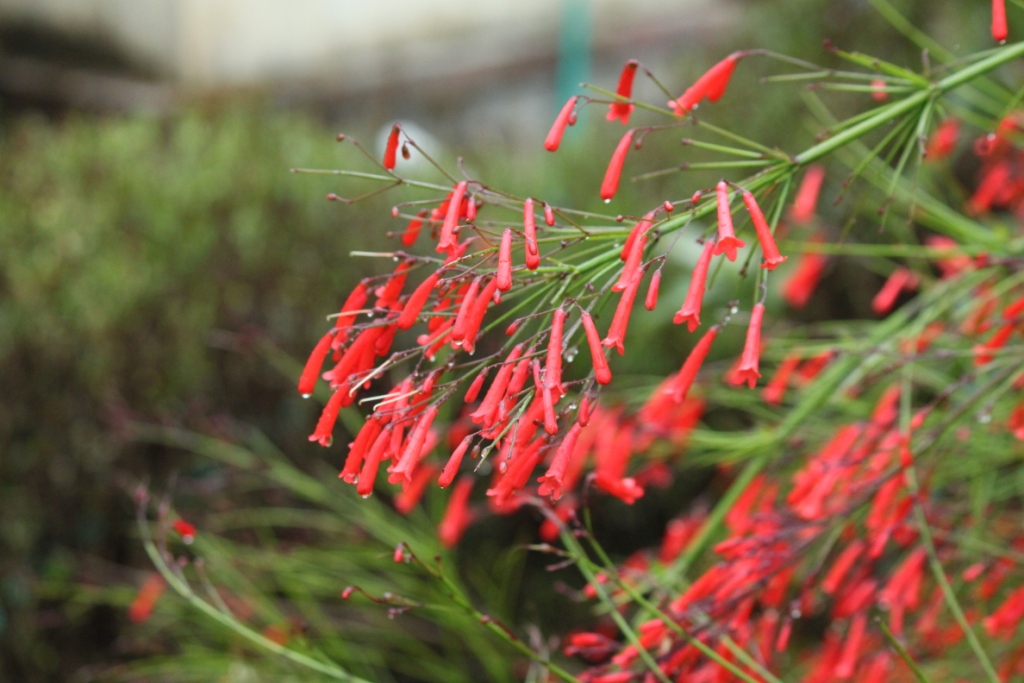
Chenille Plant (Acalypha hispida)

The chenille plant is a tropical flowering shrub naturalized in plenty in the Western Ghats of India. This tender perennials grows to a height of 8-10 ft and the soft hanging flowers resemble both the fabric chenille and the tail of a cat; hence it is also known as red hot cat’s tail. This ornamental flower is found in high range homes and spice gardens, made popular by its feathery long flower.

Continue reading

Jasmine flower

Being native to tropical and subtropical regions, the many species of jasmine are either deciduous, evergreen, erect or climbing shrubs commonly found in India’s Western Ghats. It is widely cultivated throughout the world for its fragrant character.  Continue reading

Yellow Allamanda (Golden Trumpet)

Yellow Allamanda is an evergreen, tropical shrub naturalized in the Western Ghats of India growing vigorously to a height of 2m and above. The plant’s main attraction are its yellow, trumpet shaped flowers, Continue reading

Black Lily

The Black lily is an ornamental species of flowering plant found in the Western Ghats of India. It grows a cluster of beautiful blossoms from a taller, leafless flower stalk and are surrounded by broad bracts. The underground stem tubers of the plant are rich in starch. Continue reading

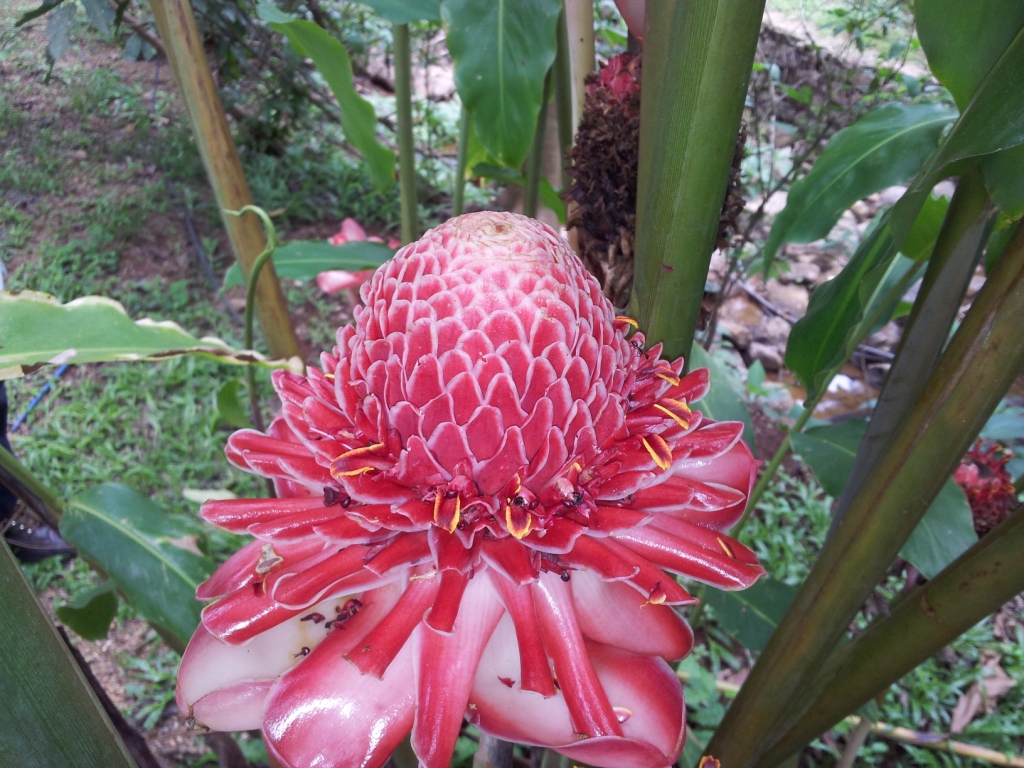
Red Torch Ginger (Pyramidosphaera)

Red torch ginger is a perennial tropical plant native to Malaysia and Indonesia but naturalized in the Western Ghats of India. The plant grows from rhizomes, bulbous root structures similar to culinary part of the ginger family. The main attraction of the plant is its sturdy cluster of bracts that vary from light pink to deep rose color and resemble a flaming torch, hence the name Red Torch Ginger. Continue reading

Marsh Glory (Ipomoea Acquatica)

Marsh Glory is a semi aquatic plant found commonly in marshy, water logged places of the India’s Western Ghats and hence the name ‘Marsh Glory’.  The plant grows in water as well as in moist soil with hollow stems and branching, bulbous roots. Continue reading

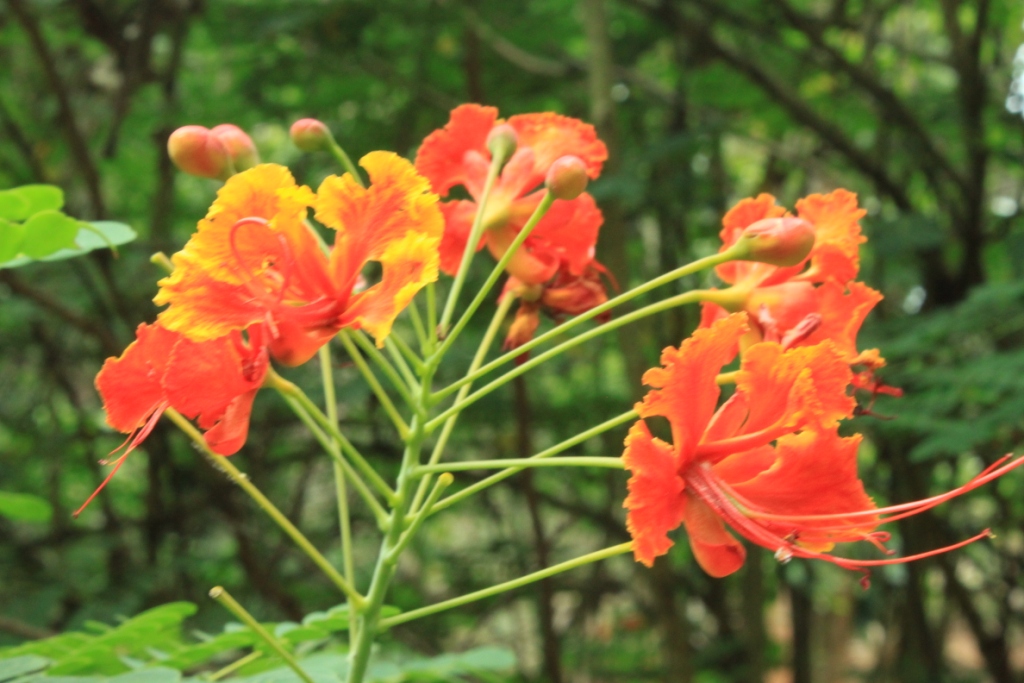
Peacock Flower (Caesalpinia Pulcherrima)

The Peacock flower is a tropical to sub-tropical plant found commonly in the Western Ghats of India. It has a lot of similarities with the Gulmohar tree and hence one can often mistakenly identify one for the other.  Continue reading

Football Lily (Haemanthus Multiflorus)

Football Lily (also known as Blood Lily) is a beautiful flowering bulb naturalized in the Western Ghats of India. This exceptional flower starts to bloom in the spring and summer, coming out of the ground with no leaves. The plant is a popular ornamental due to its exuberant blossom. Local people also call this May flower as it blooms in plenty during the month of May. Continue reading

Sustainable Landscape Design

Here in the desert, where rainfall is relatively low and where people take great pride in the aesthetic of their surroundings, landscaping is an issue with a great environmental impact. From water use and runoff to soil quality and wildlife interaction, landscaping decisions can turn a piece of property into a detriment to the environment, or they can turn it into a sustained celebration of its environment.
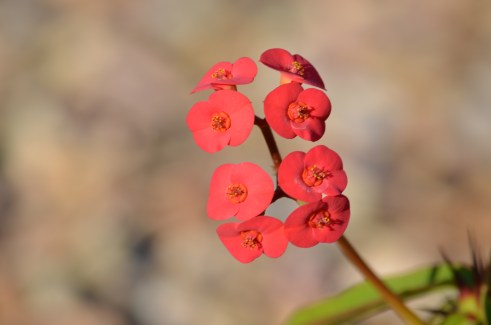
Crown of Thorns plant is a drought tolerant plant, great for landscaping in the desert of the Coachella Valley

Very recently, I attended a sustainable landscaping design workshop in San Diego held by Southwest Boulder and Stone and conducted by Morgan Vondrak of Argia Designs. These companies specialize in the landscaping needs of Southern California and are mindful of the environmental needs involved in such a specialty. Ms. Vondrak shared ten useful and beneficial tips with the attendees, all of whom had a personal interest in sustainable gardening. Here are some of the important things I learned… Continue reading

The Hill Mangoes of the High Range

These pictures were taken in the area of Periyar where one can find these hilly mangoes in plenty. Mangoes have grown for more than 4,000 years in India. Hilly mangoes are widely used in making pickles instead of being eaten as fruits. Mangoes require a tropical or subtropical, frost-free climate. Flowers Continue reading