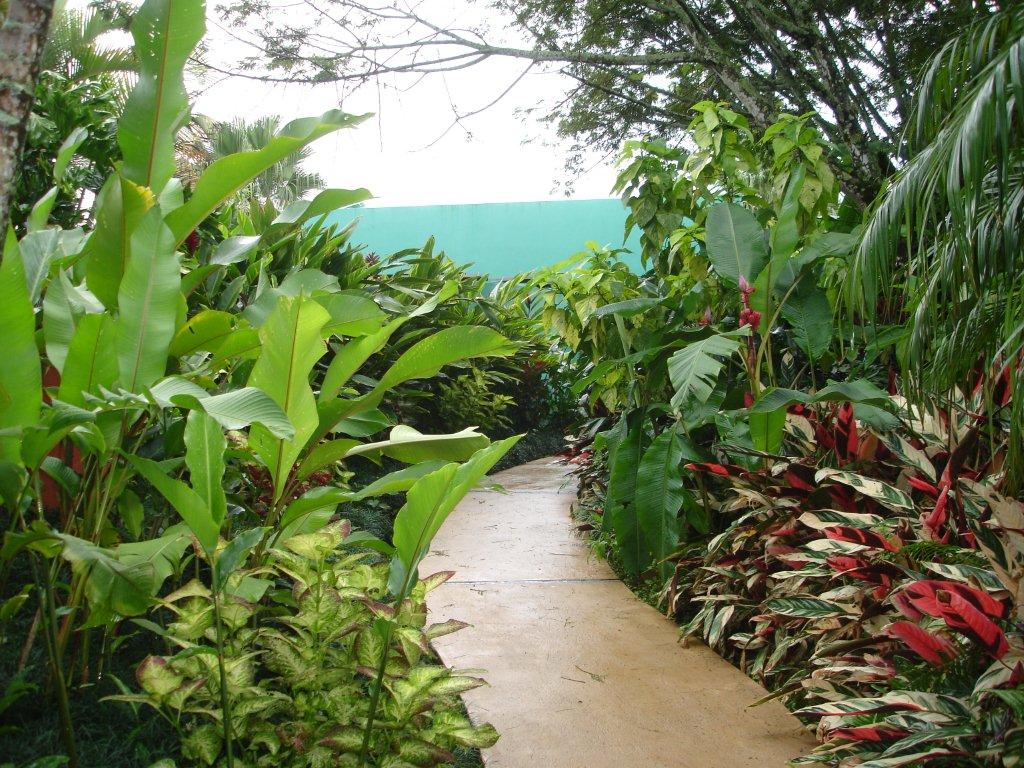
Flowers in Kerala

I’ve posted about flowers in Kerala before, with no knowledge of their names or properties. Salim has covered many flowering plant species in his posts, providing scientific, cultural, and historical insights for each species. My aim is not to educate, but to encourage further interest via art.  Continue reading

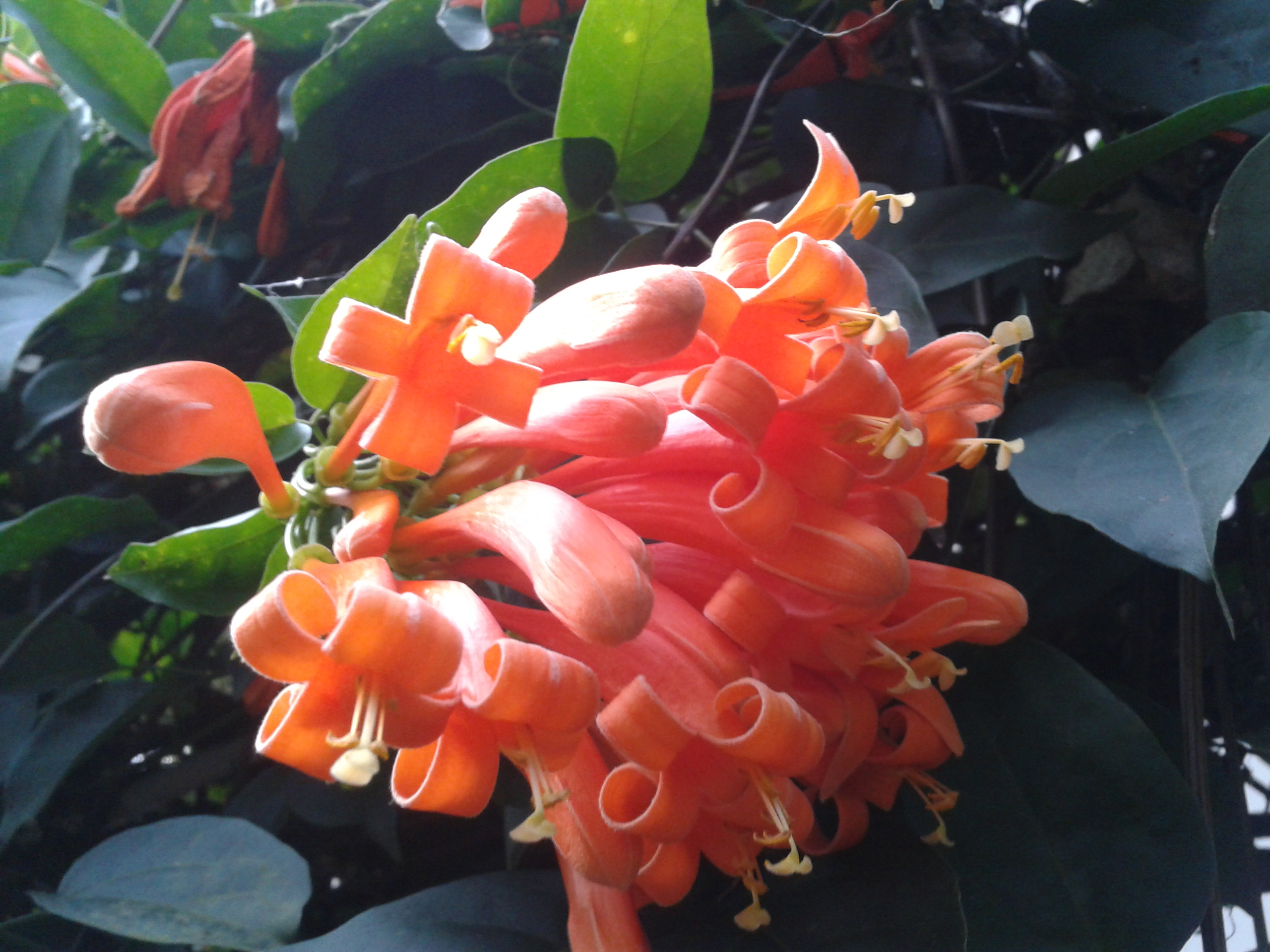
Red Leadwort (Plumbago Rosea Linn)

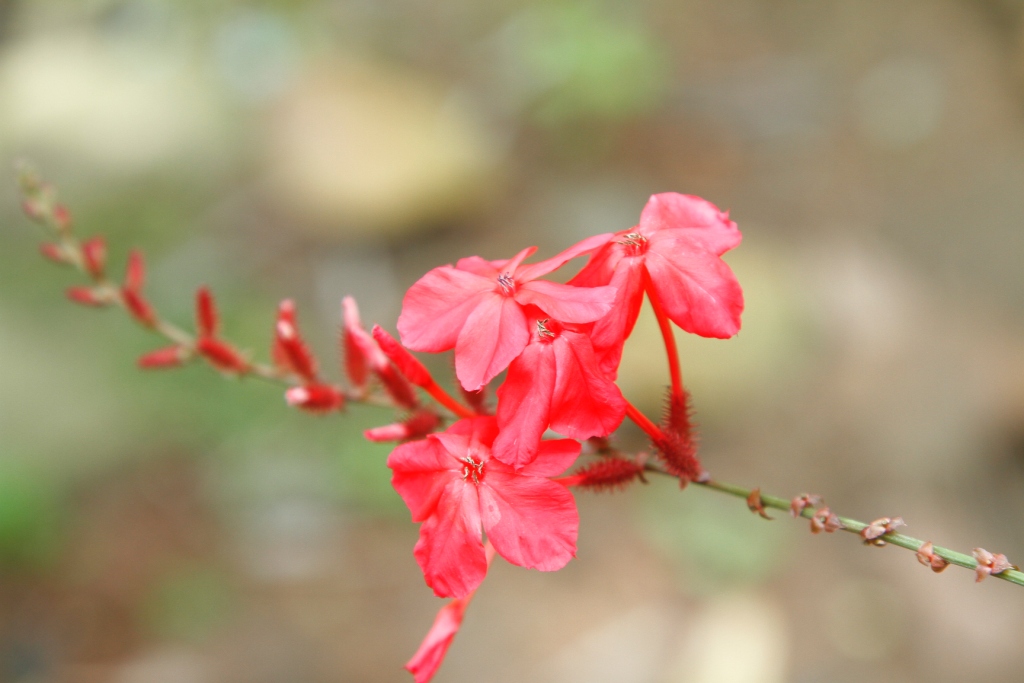
Red Leadwort (Plumbago rosea Linn ) is an ornamental plant which is found in most gardens in India. The main attraction of this plant is its flower stalk, but more importantly the plant is used in the field of Ayurveda for its medicinal values. Continue reading

Orchidian Slaves

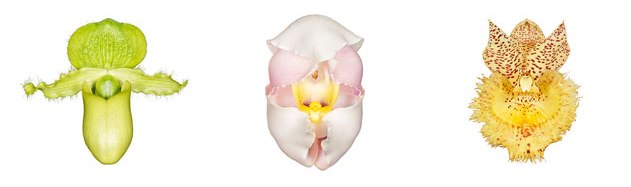
Cooperation is so remarkable as to seem beautiful, in that warm and fuzzy way that purring makes us feel.  But what about beauty?  Is it a common good, a selfless gift to others?  Beauty, as the cliche has it, is in the eye of the beholder.  Sometimes in the nose, and other times in the ears, too.  According to an article in Smithsonian a particular species of orchid might employ more than one strategy for attracting those it needs assistance from:

They trick animals into pollinating them and usually give nothing in exchange. Some orchid species mimic nectar-producing flowers to lure bees; others emit the fetid smell of rotting meat to attract carrion flies.

Richard Dawkins, an evolutionary biologist, published a book in 1976 called The Selfish Gene that would help explain the orchid’s beauty as a tool of entrapment.

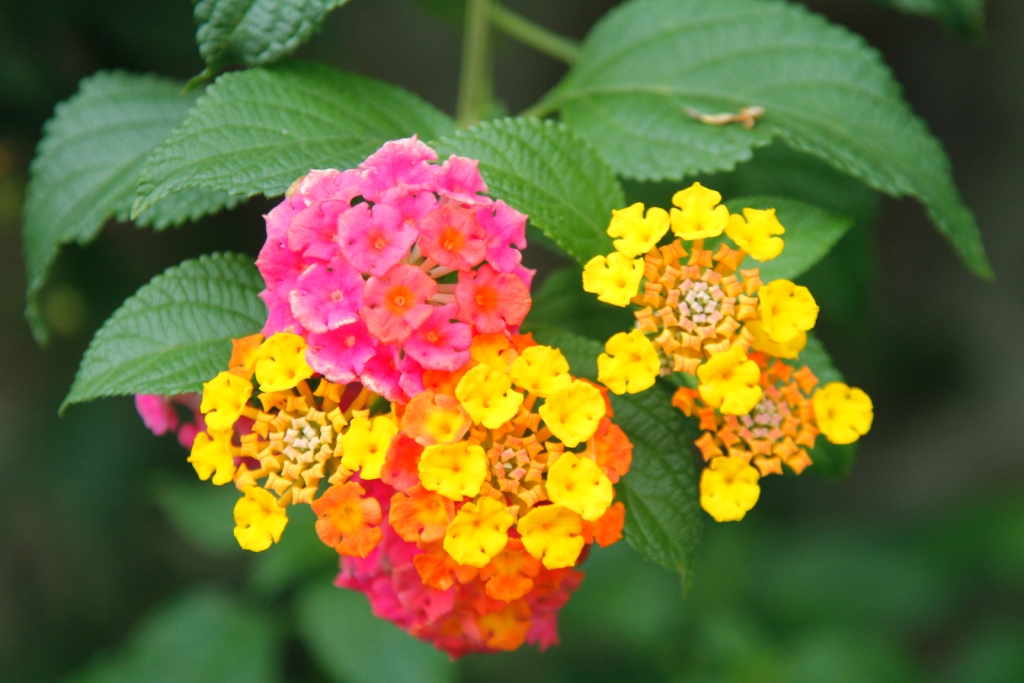
Common Lantana (Lantana camara)

The beauty of this wild aromatic flower attracts butterflies as well as guests in Cardamom County’s  butterfly gardern.  Common Lantana is one of an ornamental plant which is an erect many branched evergreen aromatic shrub. Continue reading

Chemparathy (Hibiscus rosa-sinensis)

Chemparathy (shoe flower)  is one of the fabulous plant to have in our garden, which is an evergreen perennial shrub and native of china. So, it is also called as china rose, Chinese Hibiscus.  It is the national flower of Malaysia.

Continue reading

Shankupushpam (Butterfly Pea)

One of my favourite flowers is the cute Shankupushpam, known worldwide as Butterfly Pea (Clitoria ternatea). The luminescent blue flower with the yellow core is the most striking feature. Continue reading

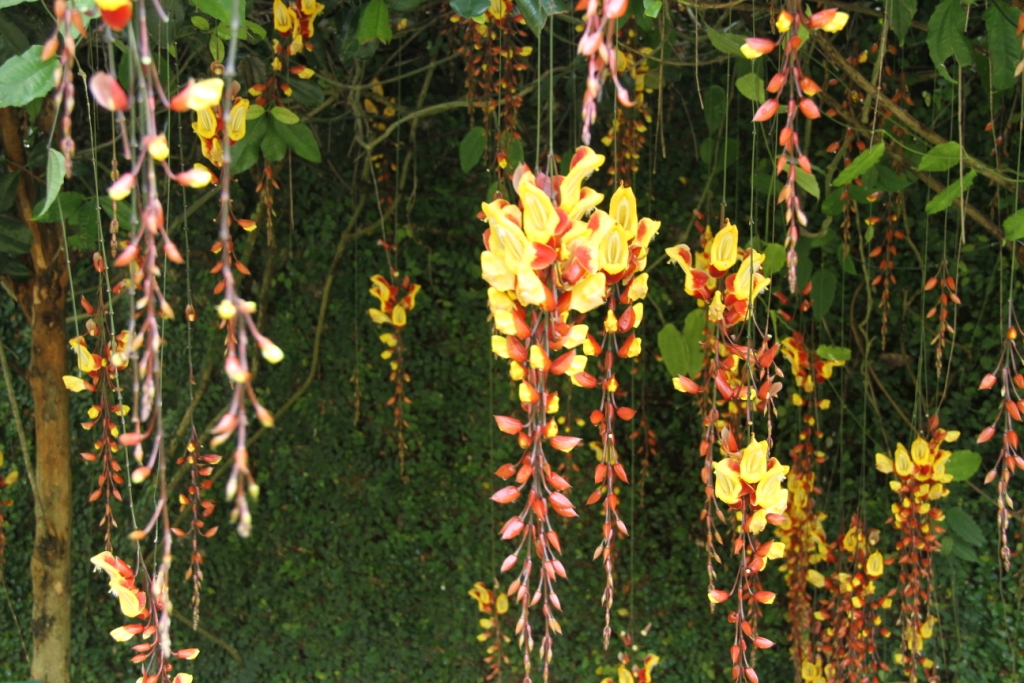
Mysore Thunbergia (Thunbergia mysorensis)

Mysore Thunbergia is a climber mostly found in Evergreen and semi-evergreen forest foothills of the Western Ghats. It is  popularly known as Lady Shoe Flower due to the flower shape and large size. Sunbirds are the frequent visitor for these flowers which are rich in nectors.  Flowering season is between October to January.

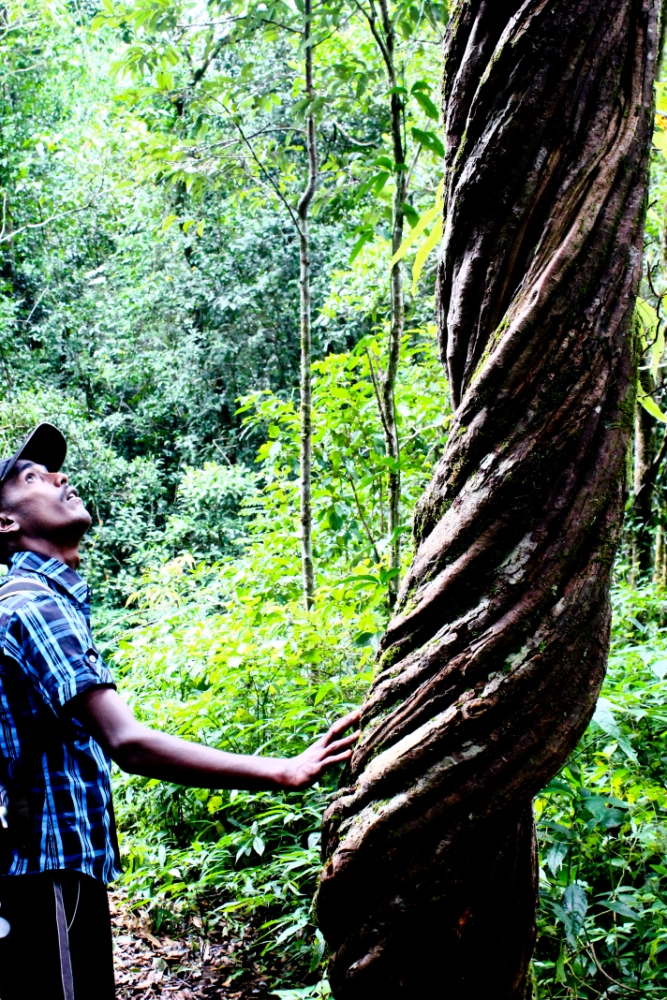
Kerala Wildflowers

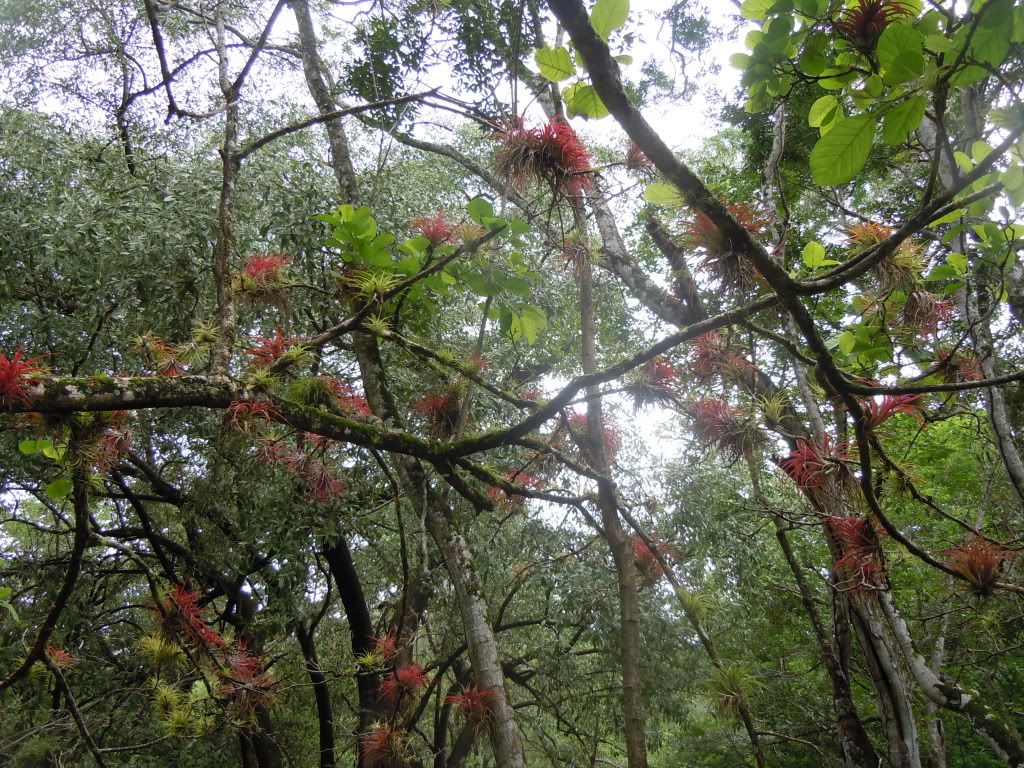
It doesn’t take a gardener or horticulturalist to appreciate the beauty of an angiosperm’s blossom – whether a flower felled from dozens of meters above splayed on the ground; a gorgeous splash of color on the forest floor, or purple puffs of perfectly formed pollination mechanisms overlooking the steep slopes of the Western Ghats – Kerala is a bouquet of stunning wildflowers. Continue reading

Using Small Mammal Remains for Environmental Archaeology

Credit: Bresson Thomas

Archaeological remains of small mammals generally weighing under 1kg, or micromammals, are important as environmental indicators, partly because they tend to specialize in certain habitats and are sensitive to change. Many factors affect their ranges of distribution, including predators, food requirements, competition, fire, shifts in precipitation patterns, and shelter availability. Micromammals such as voles and mice also tend to live in dense populations and have evolved rapidly through high fecundity. Due to these diverse and interrelated factors, the interpretation of micromammal remains—bones and middens, mostly—requires a deep understanding of the rodents’ relationship with its environment. In other words, ecological information is imperative to accurate assessment of archaeological data on micromammals.

But sometimes micromammal remains have answered modern ecological questions. For example, packrat middens in arid North America offer relatively high temporal, spatial, and taxonomic resolution (i.e., small intervals with which to measure time, space, or species range), and contain what is possibly the “richest archive of dated, identified, and well-preserved plant and animal remains in the world” (Pearson & Betancourt 2002, p500). Continue reading