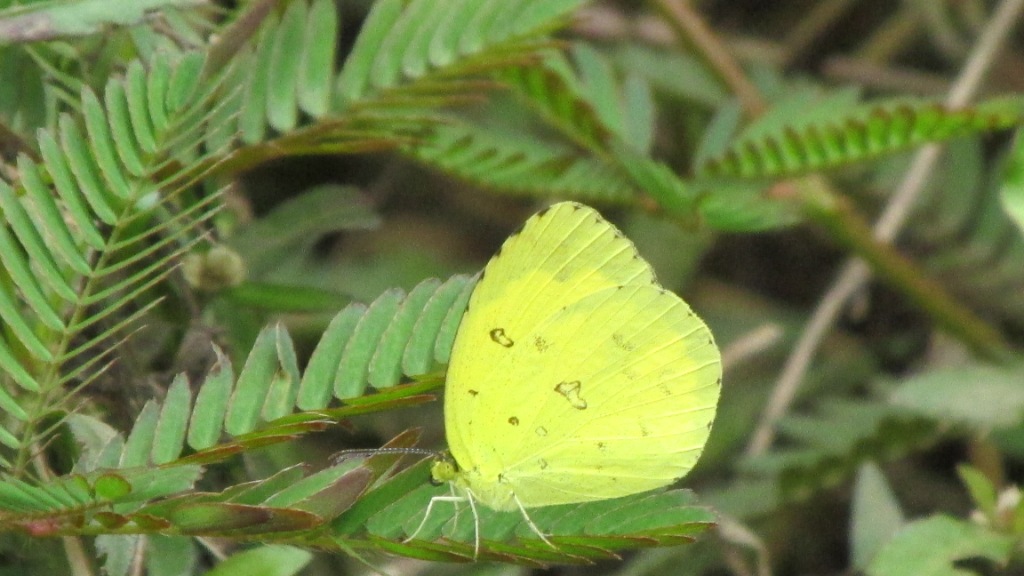
Common Grass Yellow (Eurema hecabe)

The Common Grass Yellow butterfly is one of the most common and abundant butterflies in India recognizable by its bright lemon yellow wings with black bordering on the upper side and brown markings on the lower side. The females are larger than males. These butterflies are found flying close to the ground along grassy patches.Cassia fistula, Cassia lora, Albizzia, Cassia alata, Cassia sothera and Cassia mimosoides are the favorite food plants for this species.

Continue reading

Restricted Demon – Butterfly

Restricted Demon Butterflies are common in forests as well as countrysides, frequently seen during the rainy season. The upper side of the wings have three small white dots and just below that a long white patch. These butterflies are drawn to flowers especially lantana. Other favorite plants are Costus specoisa, Zingiber montana and Curcuma decipiens.

Common Indian Crow Butterfly (Euploea core)

Photo credit: Ramesh Kidangoor

Common Indian Crow is one of most common butterflies in and around the Periyar Tiger Reserve. The wings of the butterfly are brown in color with two lines of white spots on the lower sides. Continue reading

Red Helen Butterfly (Papilio helenus)

The Red Helen is the third largest butterfly in India. The wings are dark in colour with a creamy white patch on its prominent “swallowtail” hind wings. These butterflies are mostly seen in the evergreen forests of the Western Ghats. Citrus tress, evodia and roxburghiana are the favorite food plants for these butterflies.

Tropical Wasps

Wasp belongs to the Order Hymenoptera, which includes bees and ants also. It is in fact one of the largest insect groups. Tropical wasps build their hives in tall trees and steep corners of the mountain edges, all habitat commonly found in the Periyar Tiger Reserve. The wasps lay their eggs and hatch their young in beautiful hives made out of clay mixed with their saliva.  Continue reading

Crimson Rose Butterfly (Pachliopta hector)

photo by Ramesh Kidangoor

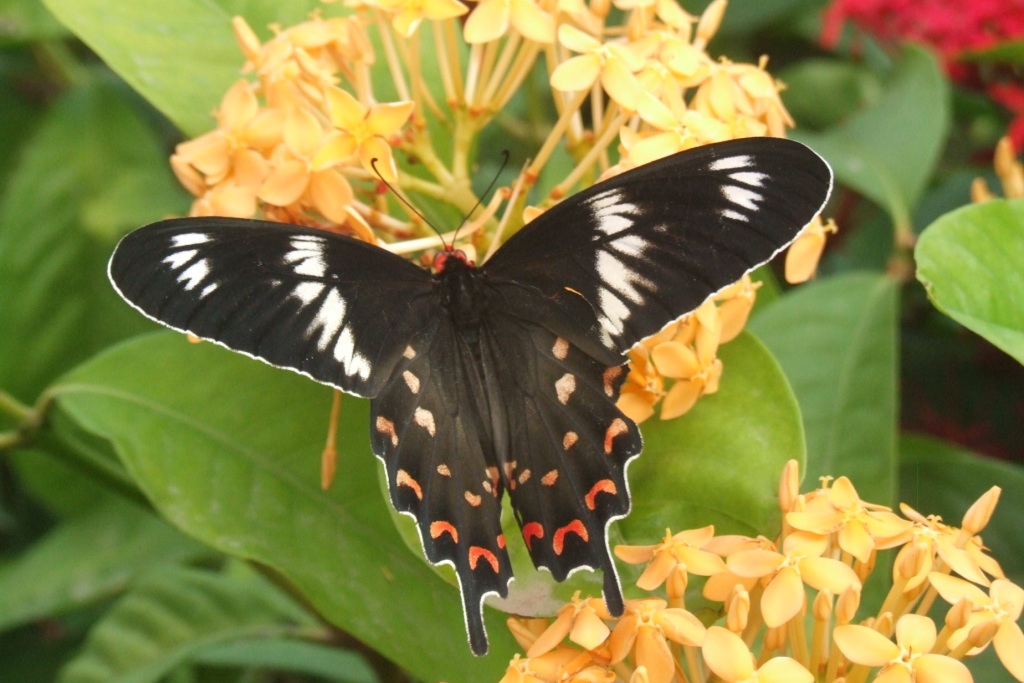
With a wingspan of 80-120 mm, the Crimson Rose Butterfly is one of the most spectacular species of swallowtail. It is commonly found along the Western Ghats, especially in small mountain tops and open plain lands. Ixora, lantana and pagoda flowers are favorite for this butterflies. The upper side of the wings are shining black with red and white markings that include a fine white line outlining the distinctive swallowtail wing shape. Its body is red in colour.

Continue reading

Indian Moon Moth (Actias selene)

The Indian Moon Moth is an ethereal-looking, nocturnal insect found in the Periyar Tiger Reserve but is also widely distributed throughout India. The ochreous moon spots on the light green wings earned this moth its name.
Continue reading

Georgian Dragon

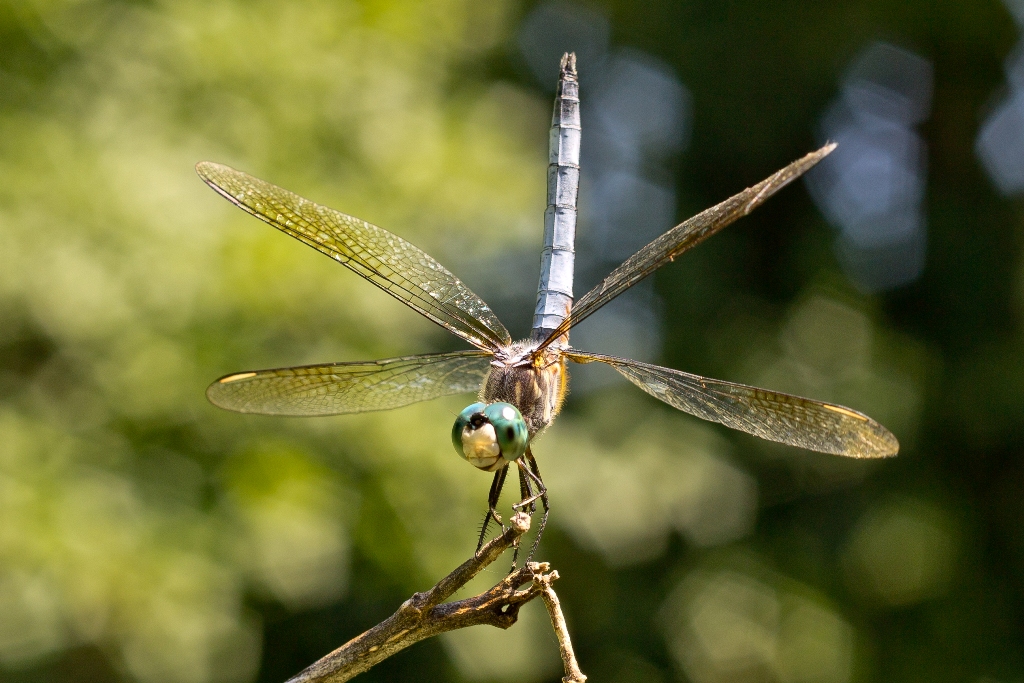
I shall resist the underwhelming urge to throw in a bit of canonical wordplay concerning St. George, and merely say that this is my first insect photograph with my new 50mm F1.8 lens. The dappled sunlight behind the dragonfly is a testament to the glory of shooting with this enormously apertured lens – the bokeh is a pleasure to both create and to view. I was only in Georgia for ten days in between Kerala and New York, but it was a pleasure to step out of my grandmother’s (an avid odonatophile) back door to find this dragonfly patiently waiting for me. Continue reading

Socially Mediated Discovery

This Green Lacewing is an entirely new species, discovered in a set of Flickr photos. (Photo: Species ID/Guek)

Click the banner above for a link to a publication we have just come across that looks quite interesting. Click the photo above for the source of the discovery explained in this story (quoted below).  There are still plenty of flora and fauna that have not been identified.  One of the hopes of nature conservation is to get further down the path to identifying and understanding all our co-habitants on this planet. It should come as no surprise that social media and photographers like Hock Ping Guek play a critical role in this race against time:

The lacewing Guek had photographed in May 2011 was quite distinctive. Beneath long antenna sat its bulbous, iridescent eyes in front of a turquoise thorax supported by six translucent legs. Continue reading

Chocolate Pansy (Junonia Iphita)

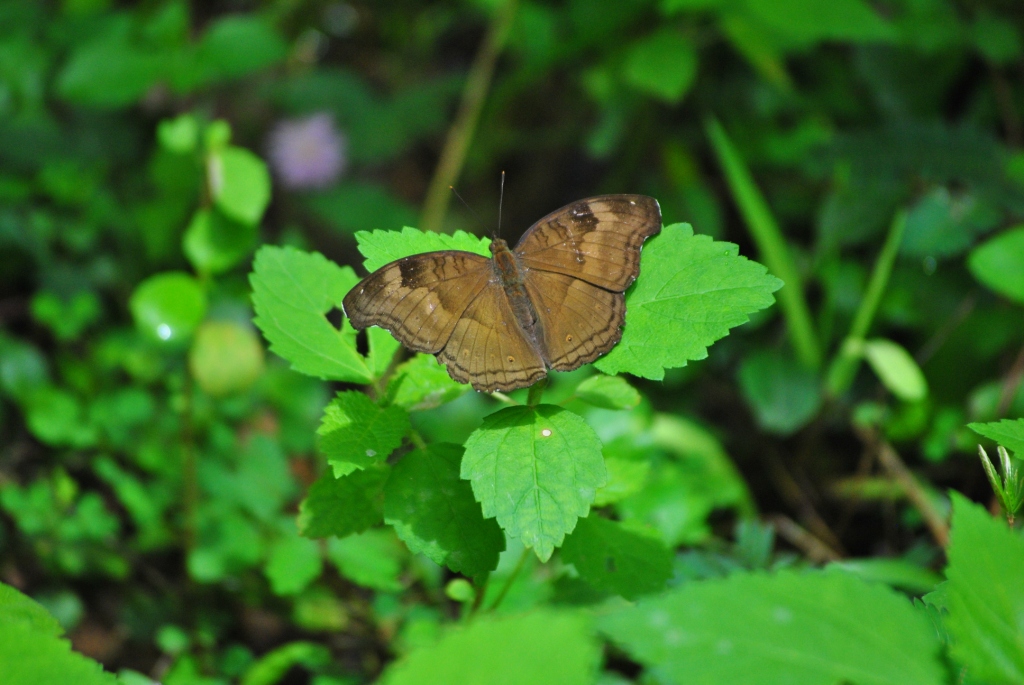
Chocolate Pansy butterflies are common in nature reserves as well as urban areas. These butterflies have the habit of opening their wings wide to sunbathe while resting. The wings of this butterfly are chocolate in colour with small eyes spots on their lower side.

Continue reading

Peacock Pansy Butterfly (Junonia Almana)

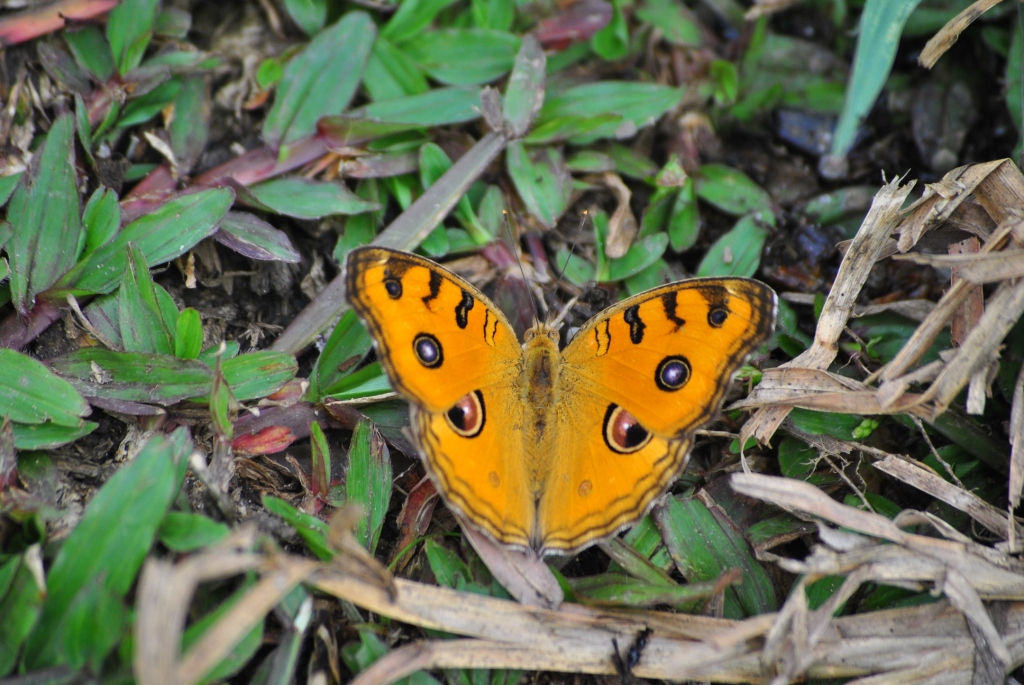
Peacock Pansy Butterflies are frequently found in an around lakesides, grass lands and semi-evergreen patches of the Western Ghats, especially in the Periyar Tiger Reserve, basking in sunny patches in the early part of the day.  This beautiful butterfly has pale yellow and orange coloured wings with large eyes spots on the upper side of its hind wings and smaller ones on the forewings. Females of this species are usually larger. Lantana and ixora flowers are the favorite for these butterflies.

Continue reading

Common Bluebottle Butterfly (Graphium Sarpedon)

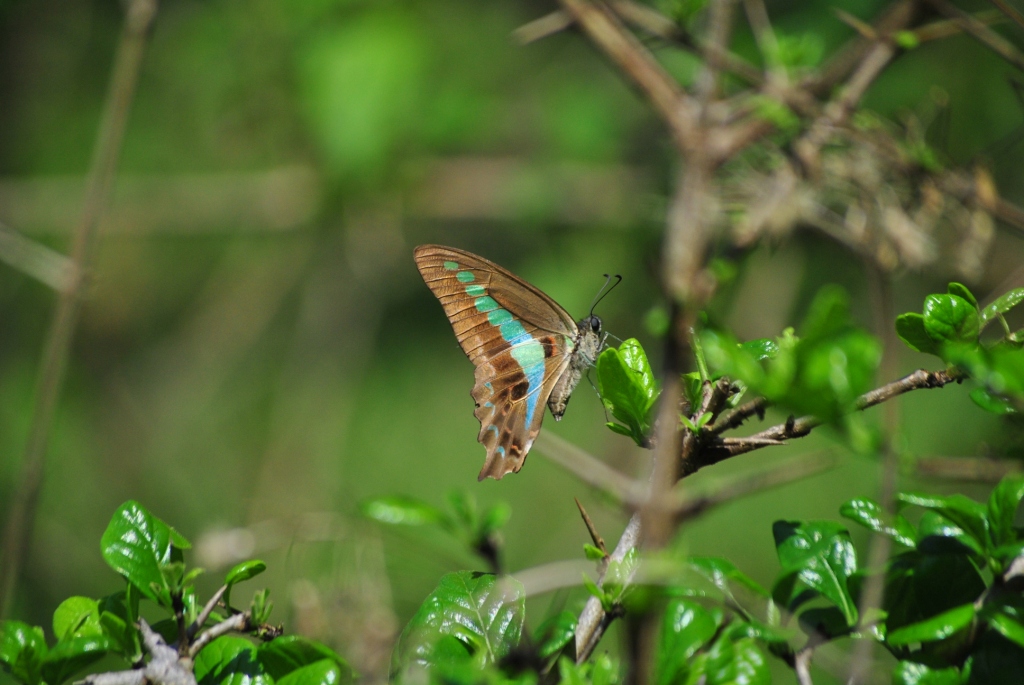
Common Bluebottle butterflies are frequently found in and around the wooded regions of the Western Ghats, especially in the Periyar Tiger Reserve. This handsome butterfly has a pale blue or greenish band running across the middle of its brown wings on the both sides. Continue reading

Common Map Butterfly (Cyrestis thyodamas)

I have found this butterfly inside the core area of Periyar near Thannikudi-  a wireless station situated to the northern side of the reserve.  This butterfly is confined to the cool moist forests of the Western Ghats. It visits flowers as well as damp patches.  Continue reading

Malabar Raven (Papilio dravidarum)

Endemic to the Western Ghats of South India, the Malabar Raven butterfly is common in the Periyar Tiger Reserve. Despite their rounded wing shapes, these medium sized black-brownish tailless butterfly are in the swallowtail family. Continue reading

Butterflies of Kerala – Common Emigrant

Male Common Emigrant

This butterfly is the most common among the six species of Grass yellows that are found in Kerala. Though often found flying languidly over grassy patches, this small, fragile insect has nothing to do with grass. Its food plants are Cassia legume and other legumes. It is on the wing throughout the year, except during winter extremes. It is often seen on garden flowers and on damp patches where the mud is puddled.

Continue reading

The Truly Golden Dartlet

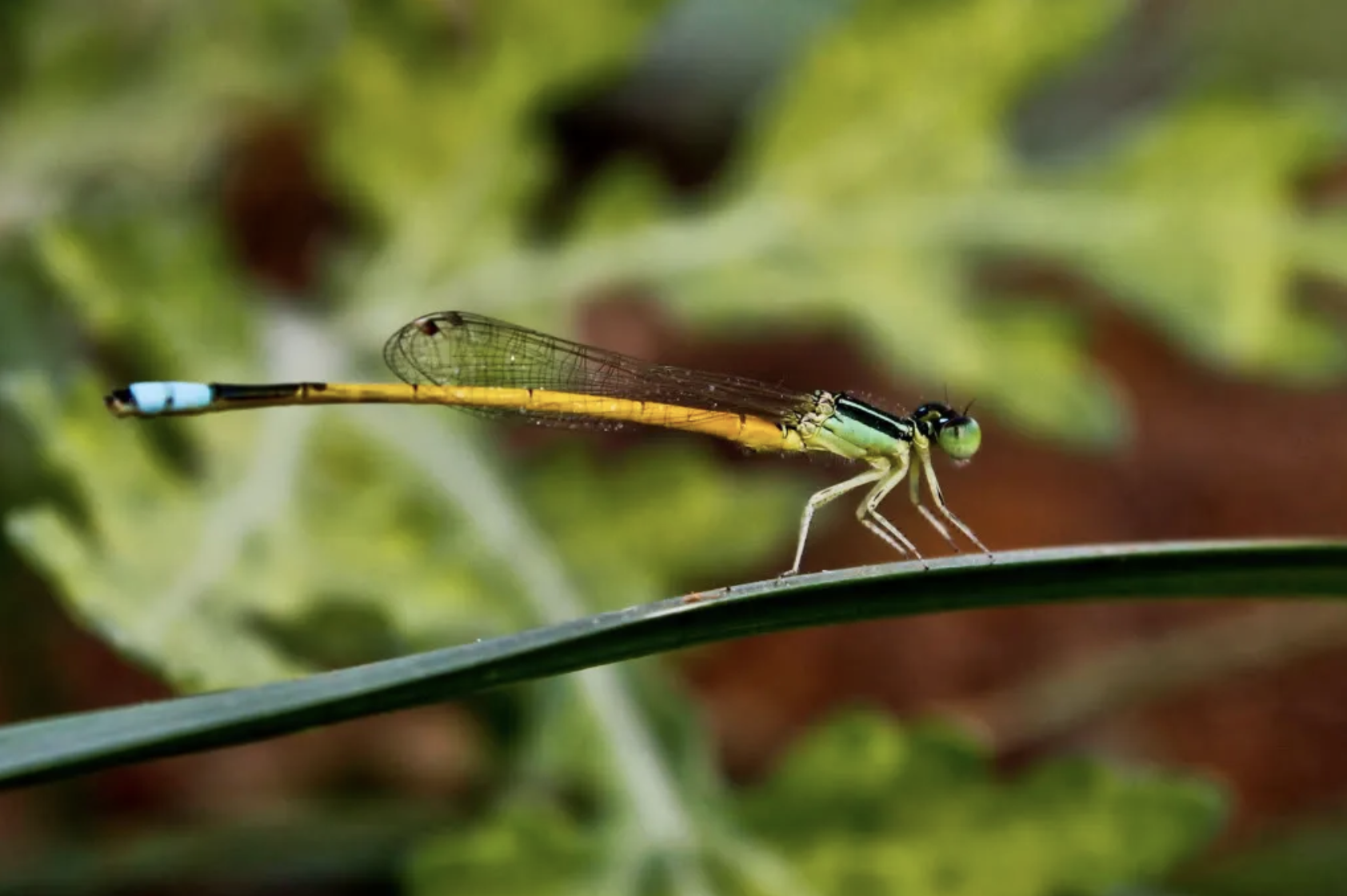
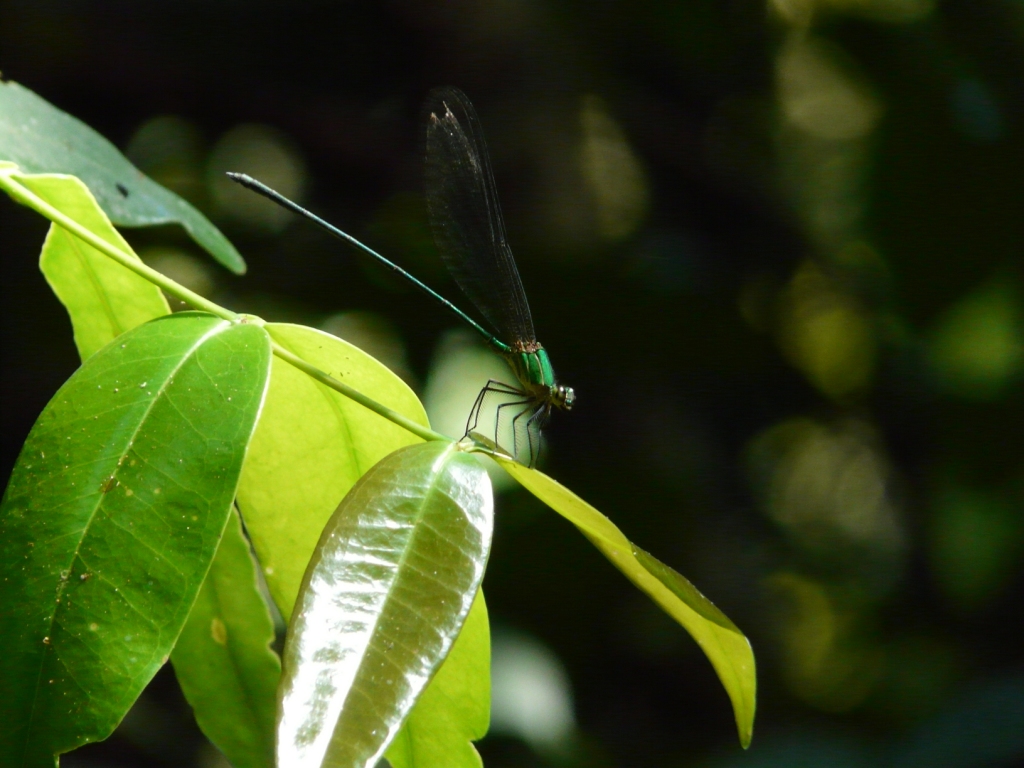
The Golden Dartlet, or Iscnura aurora, is a small species of damselfly that resides in the general vicinity of small streams and ponds. The above photograph was taken several hundred meters from any sizable body of water – a testament to the creature’s rugged and functional, yet beautiful design.  Continue reading

The Little Things Matter

I appreciate the sentiment, if not all the implications, of the professor who commented for this amazing story in today’s New York Times story (in the “N.Y. /Region” section, for reasons you need to click through to understand): Continue reading

Periyar Sightings: February 2, 2012

This slideshow requires JavaScript.

We are sharing some of the snapshots taken by Mr.Whiteley, who is staying at Cardamom County from 2nd of Feb-2012 onwards, from Periyar Tiger Reserve.

Continue reading

Praying Mantis

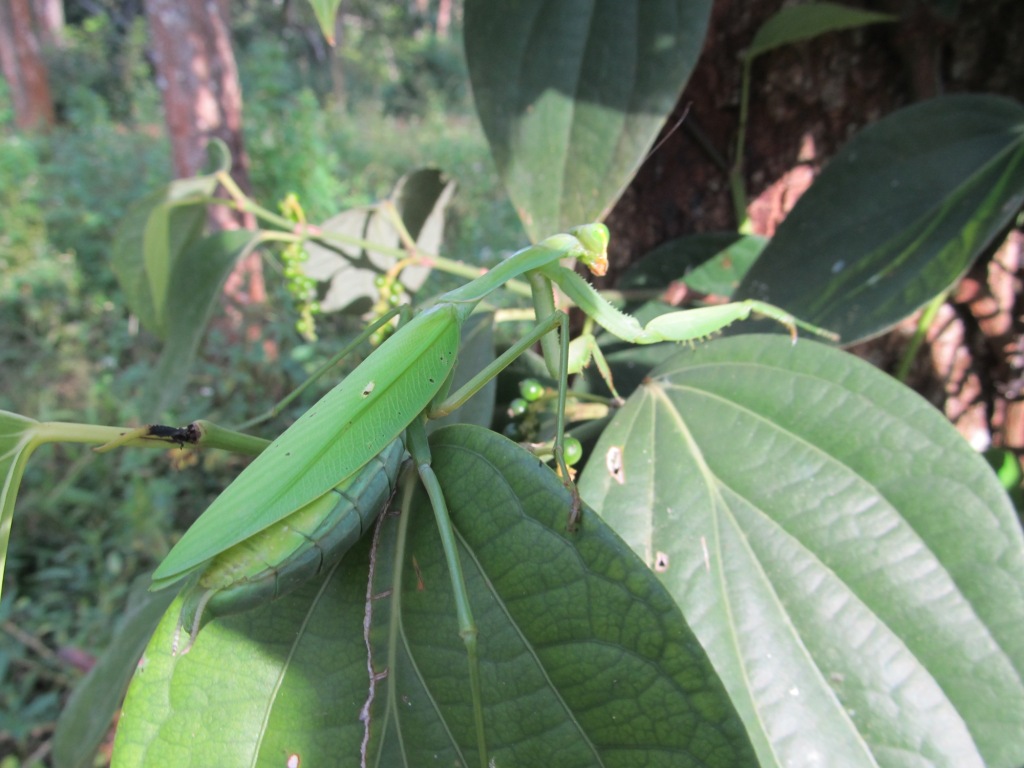
This photo has been taken near the tribal village (Mannakudi), Periyar tiger reserve December 2011

The praying mantis is the common name used for this insect due to their typical ‘Prayer-like’ stance. The word ‘mantis’ is actually derived from the Greek word ‘mantis’, which means fortune teller, or prophet. Continue reading

Beetles, Dancing, Rock & Roll

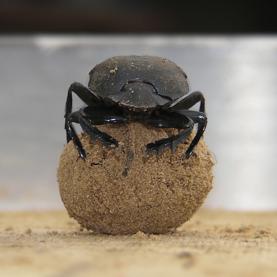
Click the image to the left to go to an article in Scientific American about a beetle that is capable of a remarkable architectural feat while dancing a remarkable two-step:

Emily Baird of Lund University in Sweden and her colleagues study how animals with tiny brains—such as bees and beetles—perform complex mental tasks, like navigating the world. The dung beetle intrigues Baird because it manages to roll its dung ball in a perfectly straight line, even though it pushes the ball with its back legs, its head pointed at the ground in the opposite direction. If the six-legged Sisyphus can’t see where it’s going, how does it stay on its course?

Continue reading