Droning For Polluters

Junior Walk of Coal River Mountain Watch in Naoma, West Virginia, prepares his drone to fly near a reclaimed surface mine in Edwight. Roger May/The Guardian

Mother Jones shares a story we missed in its original publication:

One Man’s Aerial Crusade Against West Virginia’s Coal Industry

Citizen vigilante uses his drone to expose polluters—”I don’t have a lot of friends around here.”

Coal has stalked Junior Walk his entire life.

Continue reading

Resistance Is Futile

Illustration by Kotryna Zukauskaite

We do not have time for the patience required for proving the futility of resistance, but this historical perspective is valuable nonetheless:

When Coal First Arrived, Americans Said ‘No Thanks’

Back in the 19th century, coal was the nation’s newfangled fuel source—and it faced the same resistance as wind and solar today

Steven Preister’s house in Washington, D.C. is a piece of American history, a gorgeous 110-year-old colonial with wooden columns and a front porch, perfect for relaxing in the summer. Continue reading

Really, Wyoming?

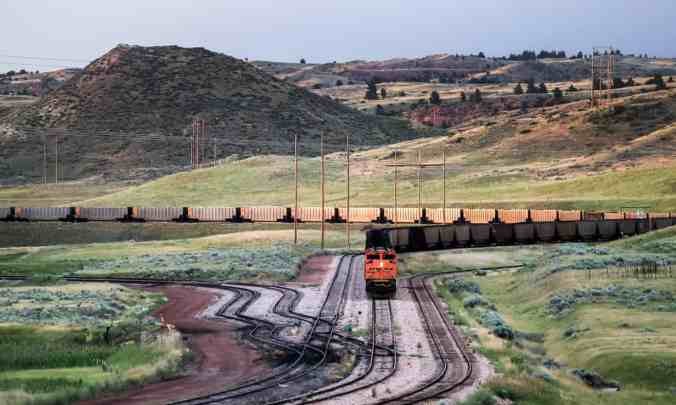
A train loaded with newly mined coal near Gillette, Wyoming. Photograph: Tannen Maury/EPA

It’s been too long since we last asked this question that had been a mainstay in these pages, but today we have to ask it of Wyoming, based on this story:

Wyoming stands up for coal with threat to sue states that refuse to buy it

Republican governor says measure sends message that Wyoming is ‘prepared to bring litigation to protect her interests’

Wyoming is faced by a transition to renewable energy that’s gathering pace across America, but it has now come up with a novel and controversial plan to protect its mining industry – sue other states that refuse to take its coal. Continue reading

Coal’s Final Days

GettyImages-1197377139_Germany-power-plant_web

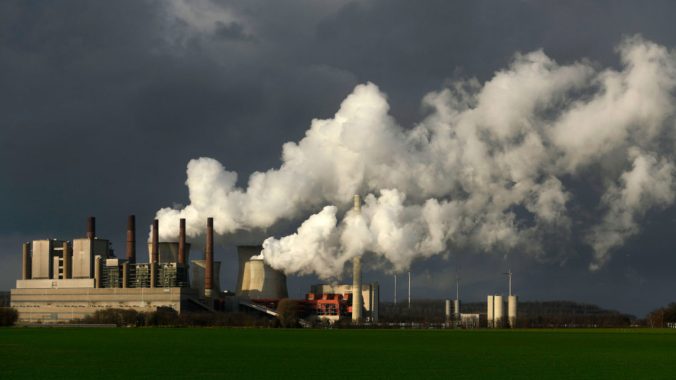
A coal-fired power plant in Neurath, Germany. The country has pledged to phase out coal by 2038. INA FASSBENDER/AFP VIA GETTY IMAGES

Thanks to Fred Pearce, as always for his environmental reporting, and to Yale e360 for this unexpected news that coal is not headed for a renaissance (as some politicians would have us believe):

As Investors and Insurers Back Away, the Economics of Coal Turn Toxic

Coal is declining sharply, as financiers and insurance companies abandon the industry in the face of shrinking demand, pressure from climate campaigners, and competition from cleaner fuels. After years of its predicted demise, the world’s dirtiest fossil fuel may finally be on the way out.

AP_18080022826346_coal-plant-demo_web

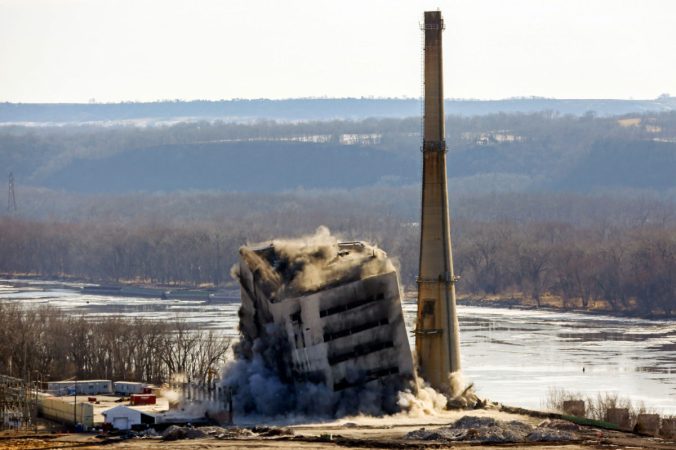
Demolition of the coal-fired Nelson Dewey Generating Station in Cassville, Wisconsin in December 2017. The power plant closed in 2015. NICKI KOHL/TELEGRAPH HERALD VIA AP

Any day now, New York State will be coal-free. Its last coal-fired power station, at Somerset on the southern shore of Lake Ontario, will shut for good as the winter ends. Remember when Donald Trump promised to bring back coal? Well, three years on, coal’s decline is accelerating — in the United States and worldwide. Continue reading

First-ever Electricity Surplus in India

Unregulated coal mining is polluting rivers in Meghalaya, India (Flickr/ECSP via climatechangenews.com)

We’ve covered a couple examples of alternative energy in India, but in general there’s a long way to go towards providing electricity to even most of the population, which generally suffers power outages. Now, the country has a surplus for the first time, but at what cost? Indian energy is still mostly in coal, and six of the country’s cities are in the top ten worst-polluted in the world. Tali Trigg writes for his blog Plugged In on Scientific American:

Like Germany, India has struggled to achieve power selling parity between its southern and northern regions, but is finally starting to see prices close-to-equal across the country. While India’s achievement is remarkable from one point-of-view, the fact remains that 300 million Indians still do not benefit as they have no access to electricity and most of the added capacity is from highly-polluting coal power causing grievous air quality.

Continue reading

From Coal Mine to Land Art

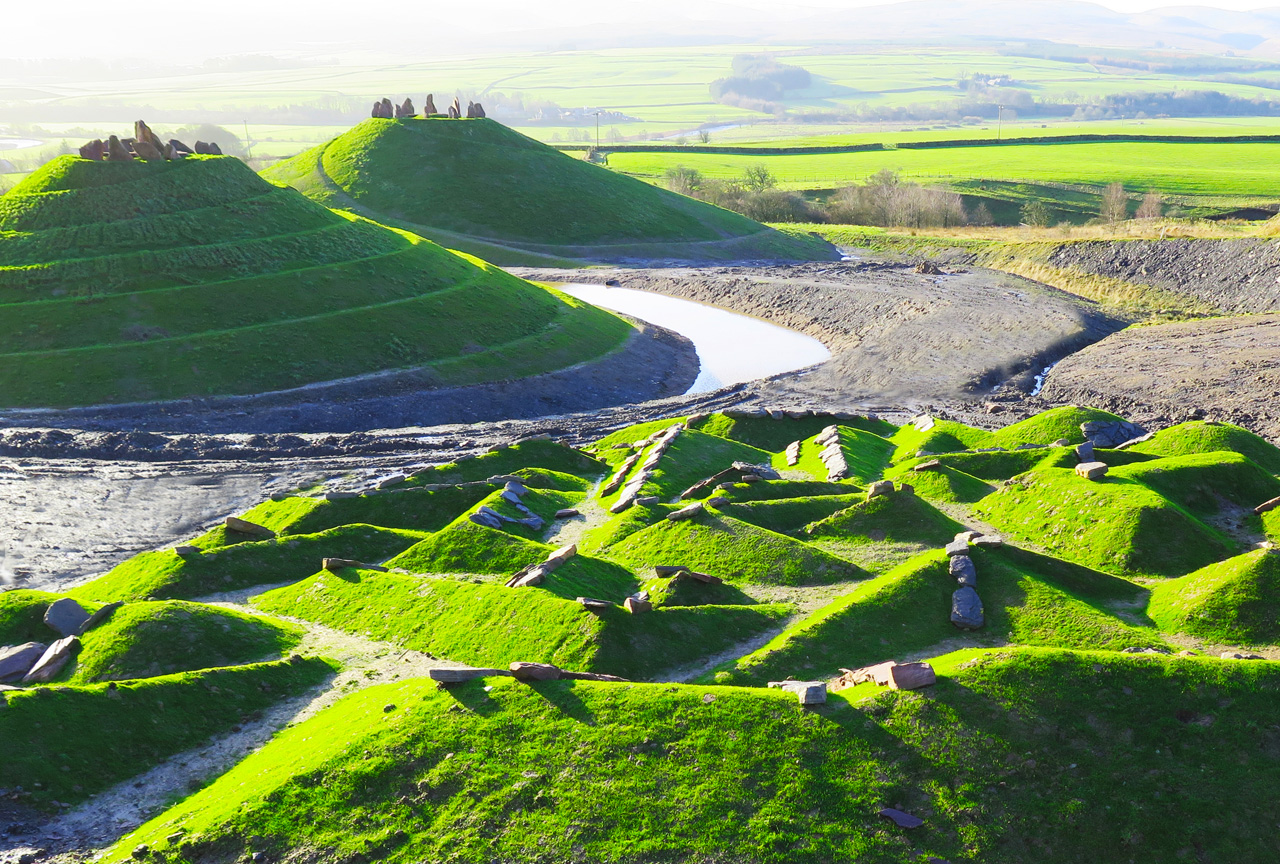
In five years, Scotland plans to run on nothing but renewable energy. Towards that, a start has been to look at deserted coal mines. PHOTO: CoExist

In five years, Scotland plans to run on nothing but renewable energy. Towards that, a start has been to look at deserted coal mines. PHOTO: CoExist

In five years, Scotland plans to run on nothing but renewable energy. The country’s few remaining coal mines are shutting down, leaving a question: How should towns deal with the ugly scars left behind by abandoned mines? Near the village of Sanquhar, the answer is a massive, 55-acre work of land art. Looking like a modern Stonehenge, it builds a miniature multiverse from 2,000 boulders found on the site. Locals, sick of looking at the former mine, lobbied the landowner—Richard Scott, the Duke of Buccleuch—to do something. But they wanted to go beyond just adding a little grass to cover the scarred earth, and build a replacement that might draw visitors to boost a struggling economy. The duke turned to architect Charles Jencks to turn the mine into art.

Continue reading