Impossible Made Possible By Pat Brown

01impossible1-jumbo.jpg

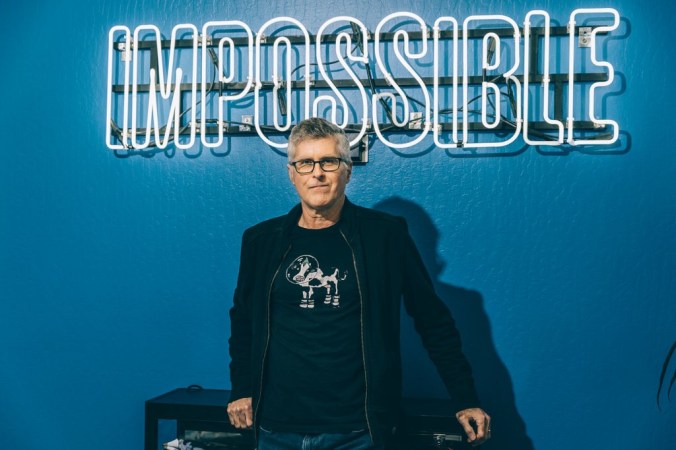
“Our whole focus is on making products that deliver everything that meat lovers care about,” said Pat Brown, the chief executive.  Matt Edge for The New York Times

We were waiting patiently for this day to come. Impossible has had our attention for a couple years now, but who knew when it would go really big? The time is now:

Behold the Beefless ‘Impossible Whopper’

Burger King is introducing a Whopper made with a vegetarian patty from the start-up Impossible Foods. The deal is a big step toward the mainstream for start-ups trying to mimic and replace meat.

OAKLAND, Calif. — Would you like that Whopper with or without beef?

merlin_142926714_e16db61c-10ca-410f-a951-850718fda06a-jumbo.jpg

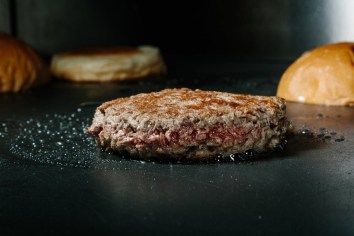
An Impossible Foods burger on the grill at the company’s headquarters in Redwood City, Calif.CreditJason Henry for The New York Times

This week, Burger King is introducing a version of its iconic Whopper sandwich filled with a vegetarian patty from the start-up Impossible Foods.

The Impossible Whopper, as it will be known, is the biggest validation — and expansion opportunity — for a young industry that is looking to mimic and replace meat with plant-based alternatives.

Impossible Foods and its competitors in Silicon Valley have already had some mainstream success. The vegetarian burger made by Beyond Meat has been available at over a thousand Carl’s Jr. restaurants since January and the company is now moving toward an initial public offering.

White Castle has sold a slider version of the Impossible burger in its 380 or so stores since late last year. Continue reading
Changing Our Eating Habits

impossible-foods-6_edited_custom-7dc5fbab4da8c072dcd7f800ee14c96766bb0f58-s1400-c85

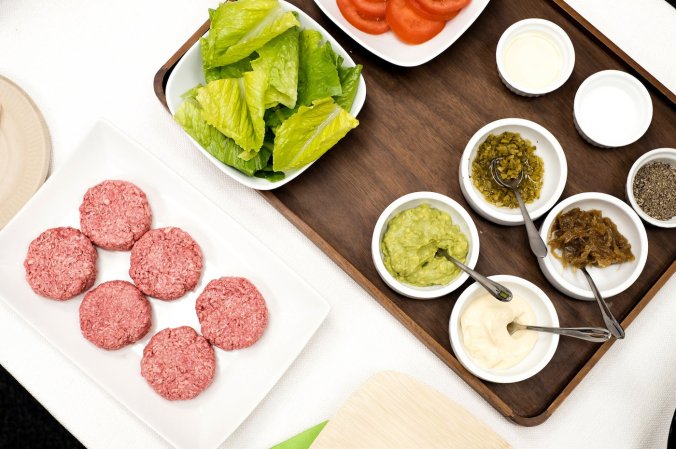
Silicon Valley-based Impossible Foods has taken a high-tech approach to creating a plant-based burger that smells and tastes like real meat. At the company’s headquarters in Redwood City, Calif., chef Traci Des Jardins served the Impossible Burger (pictured uncooked) with vegan mayo, Dijon mustard, mashed avocado, caramelized onions, chopped cornichon, tomato and lettuce on a pretzel bun. Maggie Carson Jurow

Full disclosure first: we operate restaurants that serve meat. It is always the best quality meat we can source, and best includes the most humane and most ecologically sensitive growing conditions. But still, it is meat, and meat is problematic. So, we tread lightly when we speak about our behaving responsibly, and try to minimize judgementalism.

When we get reminders of the importance of reducing meat consumption we know it is true, but we still ensure all our guests are able to get, within reason, the best of what they want food-wise.  I spent more time, and consumed more calories than I care to count, taste-testing for the new menus at three hotel restaurants in the last two years; that is my own sin to bear, and I am in penance mode now, trust me.

So, when I see a good feature story related to vegetarianism, or to vegetarian innovations, I am all in. Here is one from the Salt show on National Public Radio (USA) and I look forward to taste-testing it:

This summer, diners in New York, San Francisco and Los Angeles will get their hands on a hamburger that has been five years in the making.

The burger looks, tastes and smells like beef — except it’s made entirely from plants. It sizzles on the grill and even browns and oozes fat when it cooks. It’s the brainchild of former Stanford biochemist Patrick Brown and his research team at Northern California-based Impossible Foods. Continue reading