Sustainable tourism and operations are what initially drew me in to coming to Kerala, India at the Cardamom County. Water conservation is a central issue facing the world today. Coming from Canada, which is said to store up to 20% of the world’s fresh water, the idea of not having water to drink is a strange one. Of all the water on our planet, 97.5 per cent is sea water and three-quarters of the remaining 2.5 per cent is locked in polar ice caps. The tiny bit left over is drinkable. Natural rainwater harvesting is a common practice throughout much of the Thekkady area and Kerala in general. Pots and larger storage vessels like the one pictured below are often used by the locals to hold rainwater that is abundant during the monsoon season from June to August.
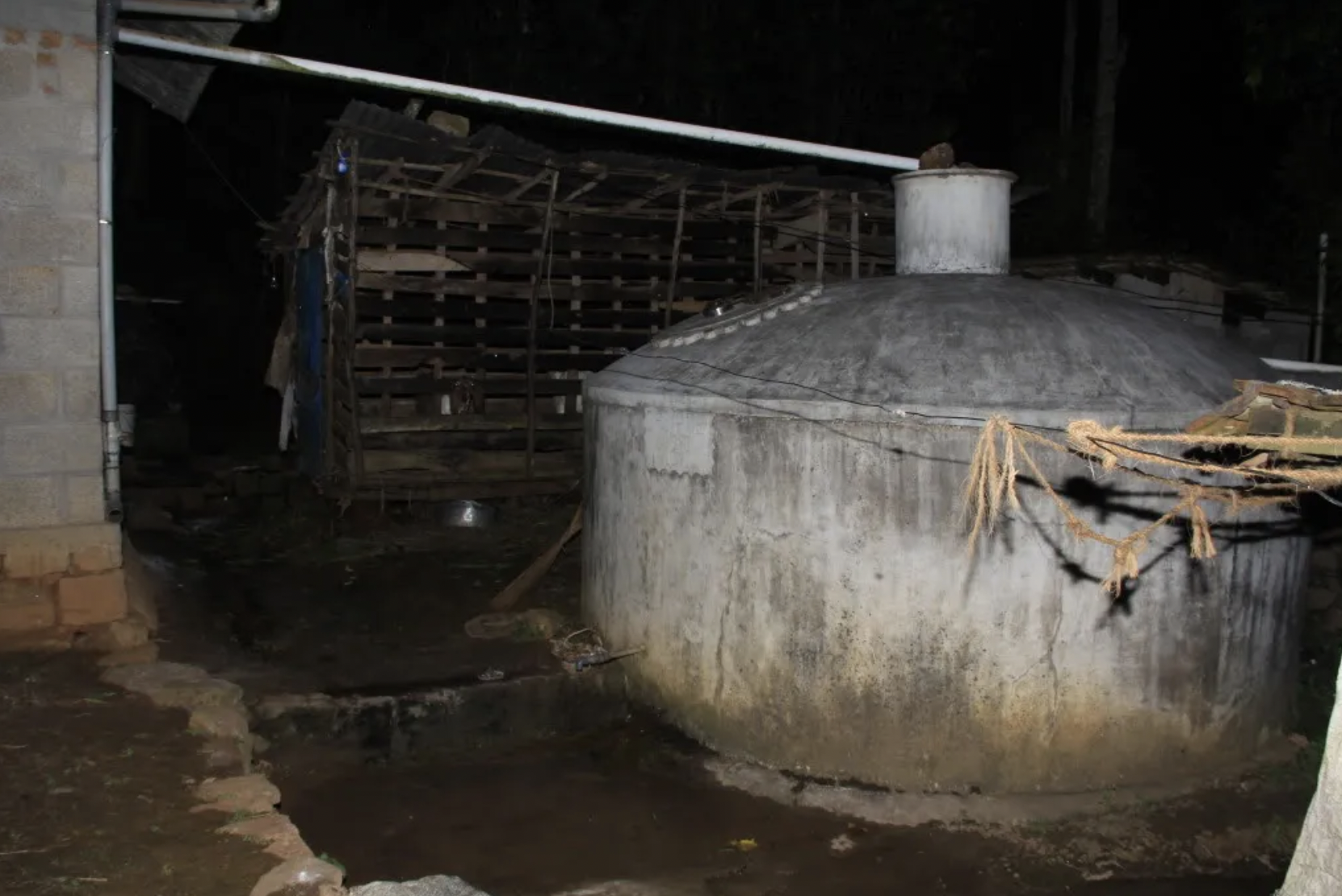
It is considered fairly clean for use in washing clothing, dishes, and people themselves. The bottled water, however, in the form of individually packaged Aquafina bottles poses an issue. Fortunately Pepsico and Aquafina do use UV treatment, reverse osmosis, ozonisation, carbon filtration, and sand filtration to treat their water and has a protocol of giving back more water than is taken in a program called “Positive Water Balance”. Pepsico India saved 836 units more water than it consumed in 2009, which is an uplifting thing to hear about.
On-site organic farming results in a great number of useful plants and herbs which can be made into oils, creams, and pastes which are central to the Ayurvedic Centre run by certified ayurveda practitioner Dr. Vinu. Among the more interesting herbal remedies is from the serpentine root or rauvoifia tetraphylla which provides an antidote for snakebites.

On the tamer side are the aloe vera plants, which boast a wide array of medicinal properties, which are useful in the treatment of wound and burn healing, treating minor skin infections, and even diabetes. Aditionally there is an assortment of hibiscus, which is said to fend of colds, coughs, and sinus congestions. Another feature of the Ayurvedic Centre is the neighbouring pond containing 1000 plus fish ranging from bright orange goldfish and round-tailed tilapia to the open-mouthed katla and V-shaped tails of the grass carp. 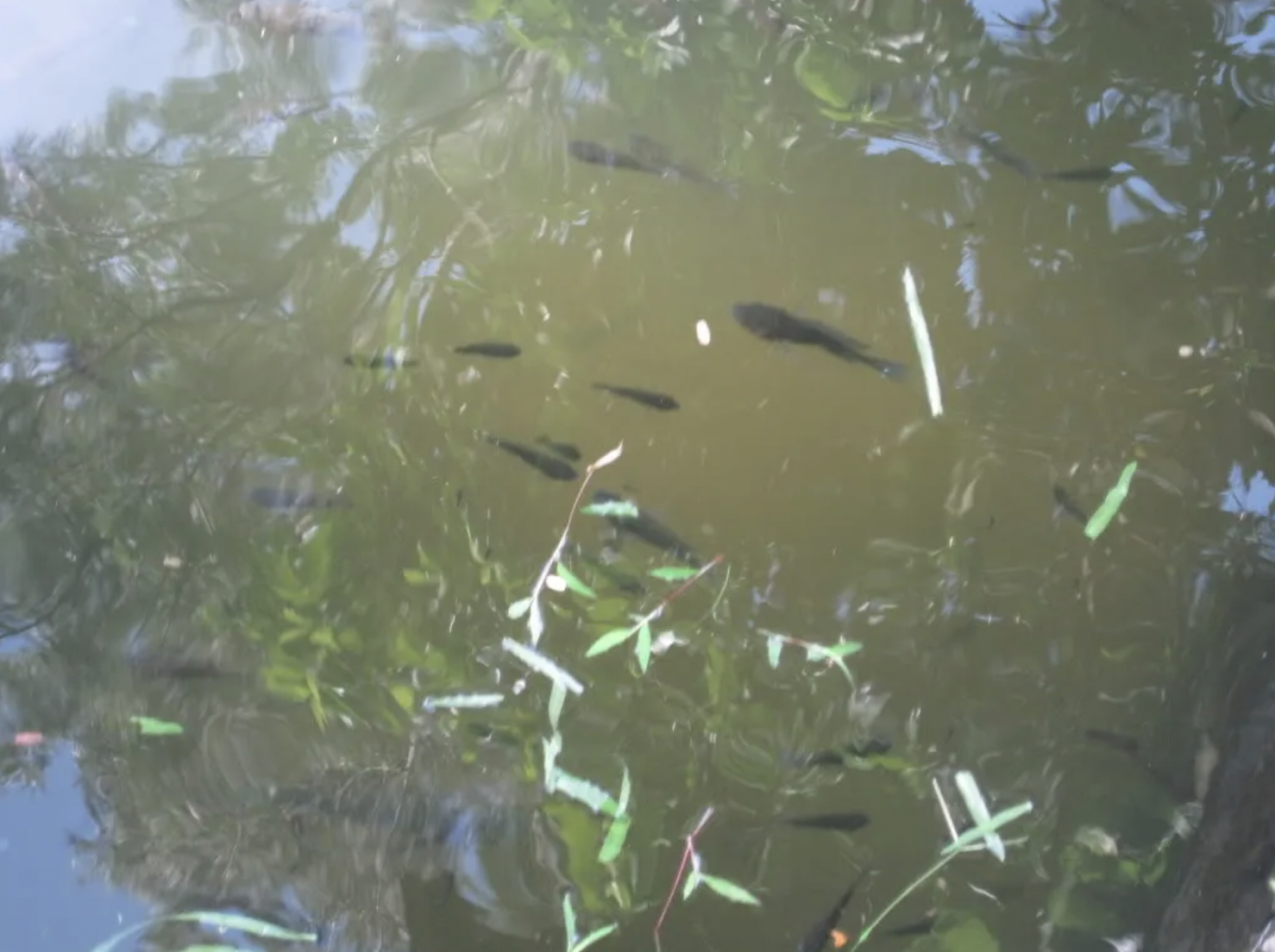 Watching the grass carp snatch grass and leaves from the top of the pond and subsequently chase after one another for the latest catch was quite a sight to see. One of the most beautiful aspects of Cardamom County is the wealth of greenery and creepers that cover the resort in a layer of lush biodiversity. From the all-spice trees to the Chinese cherry trees and many varieties of flowers, you never feel far from the Periyar Tiger Reserve.
In terms of sustainability an important aspect of Cardamom County is its use of solar water heating tubes. Resident engineering manager, Pardeep showed me the four 200-litre tanks, one 50-litre tank and over 100 of the metallic tubes set on racks. These power the hot water for a number of the rooms’ showers and sinks, the kitchen and canteen, and the showers and washing facilities in the Ayurvedic Centre. The tubes are very cool to the touch on the outside but on the inside is the borrow silicator which keeps the water warm.

 Organikos
Pingback: Raxa Collective
Pingback: Water Harvesting & Accumulated Wisdom « Raxa Collective
Pingback: Rubytailed Hawklet « Raxa Collective