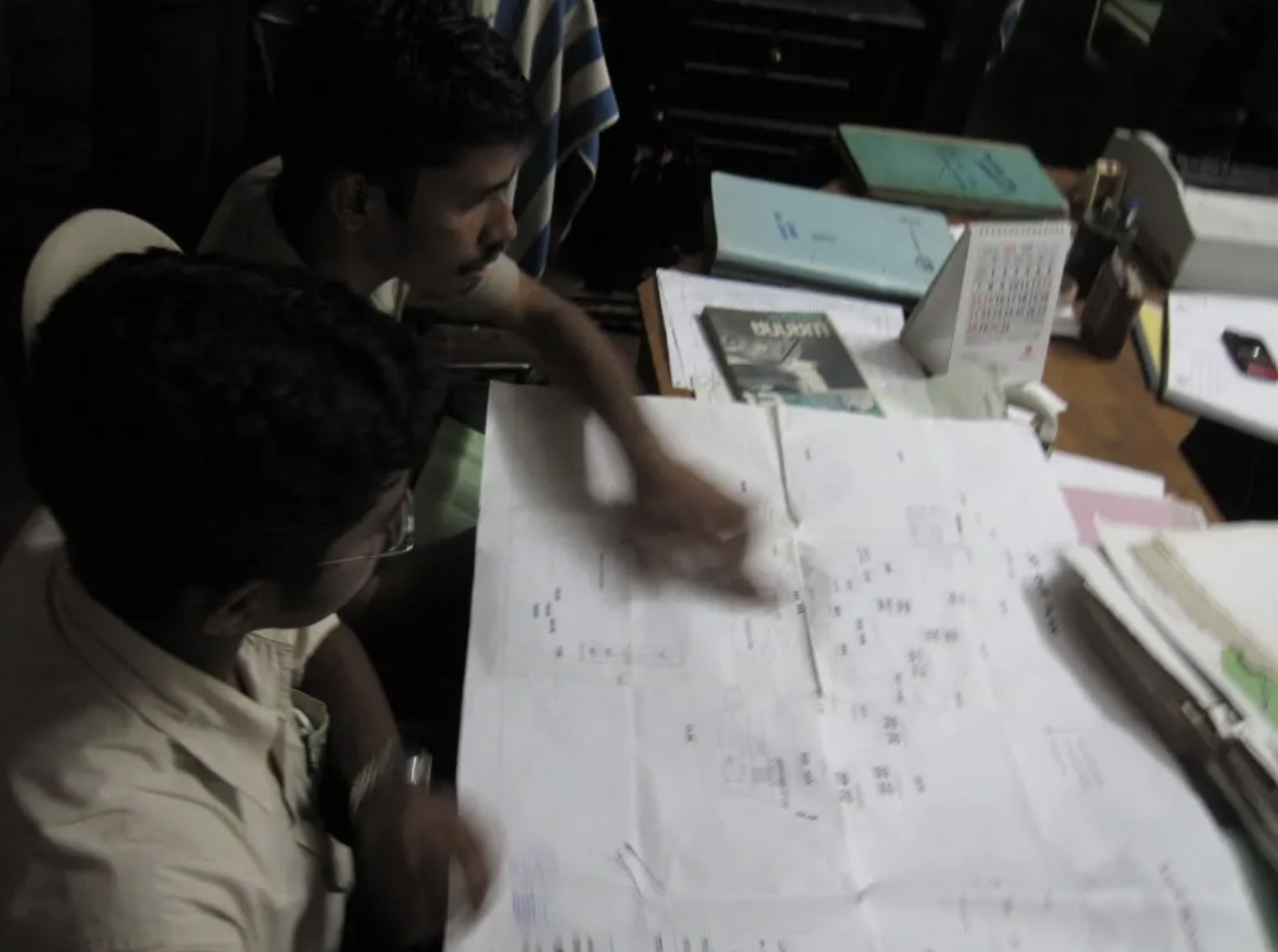
Over the past week our team at Cardamom Country has been in conversation with another team working for a brighter and better future for Planet Earth called Team Sustain. Founded in 1994, Team Sustain is based in Kochi, India and provides cost effective logistics and infrastructure solutions for sustainable resource utilization, engineering green solutions for the modern world. Mr. George Matthew, the founder of Team Sustain, spoke with me and explained that his main goal was to reduce the carbon footprint of as many people and organizations as possible. Mr. Matthew especially said he wanted to increase the benchmark and accepted levels of energy efficiency and encourage further sustainability-oriented social projects with minimal environmental costs.
Much of last month was spent discussing the proposition of installing new renewable power sources and now the plans are being made to bring the project closer to fruition. The latest project that Team Sustain worked on was a 65kW Thin Film solar panel project to take a property entirely off grid, thus creating a carbon neutral, net-zero site. They are also in the process of reducing the property’s energy consumption from 305kW all the way down to 65kW through various energy saving procedures.
This procedure is called an energy audit. It consists of first taking measures that quantify the amount of energy used at different hours of the day. Then ineffective systems and old technologies are removed or replaced, such as old freezers and refrigerators, CRT televisions and excessive levels of lighting or lux. Additionally desktops are replaced with much more energy efficient laptops and ceiling fans’ conventional regulators are replaced with electronic regulators. Schedules for procedures such as lighting management systems at night are also modified and timed so that energy is not unnecessarily expended.
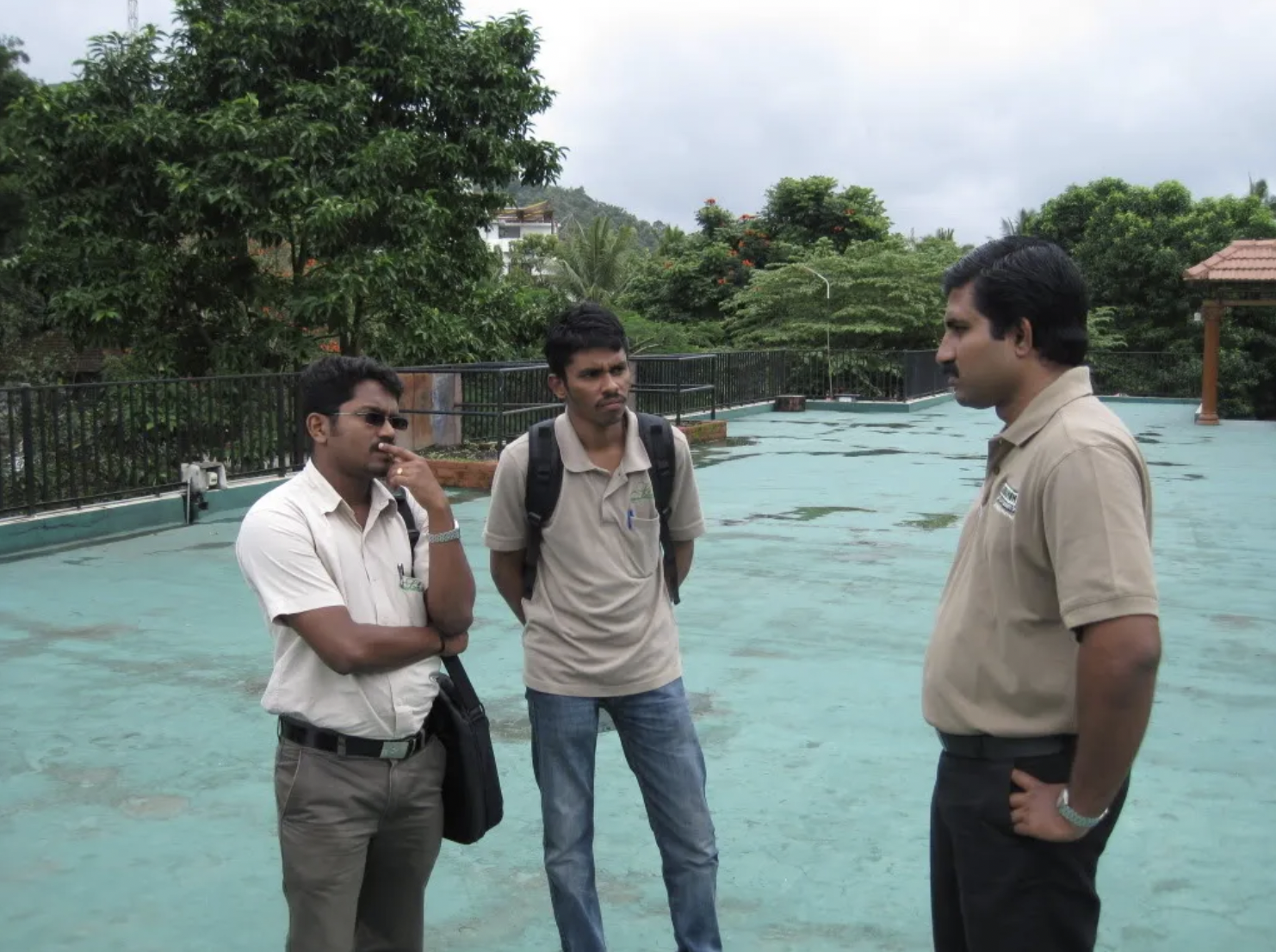
The areas that we scoped out here at Cardamom County included the restaurant rooftop and the organic farming plantation. As Ragesh, the project coordinator explained to me, Thin Film solar paneling technology would be the most effective in a higher altitude wet and tropical climate such as atop the Western Ghats here in Kumily. This is because with Thin Film technology, the panels remain effective without relying on heat as much as light. Being closer to the equator and in the Northern Hemisphere, the panels would also face south at a lesser angle of 15 degrees compared to a 50-degree angle that might be used in a European country or in Canada. Many other issues are currently being taken into consideration including the position of battery rooms for storage and transmission, utilizing dual purpose solar panels as joint rain water harvesters with a connected piping system, and considering further on-site passive solar water heating technology.
Stay tuned for more on how these projects progress!

 Organikos
Pingback: Revisiting The Tiger Trail « Raxa Collective