Guest Author: Rania Mirabueno
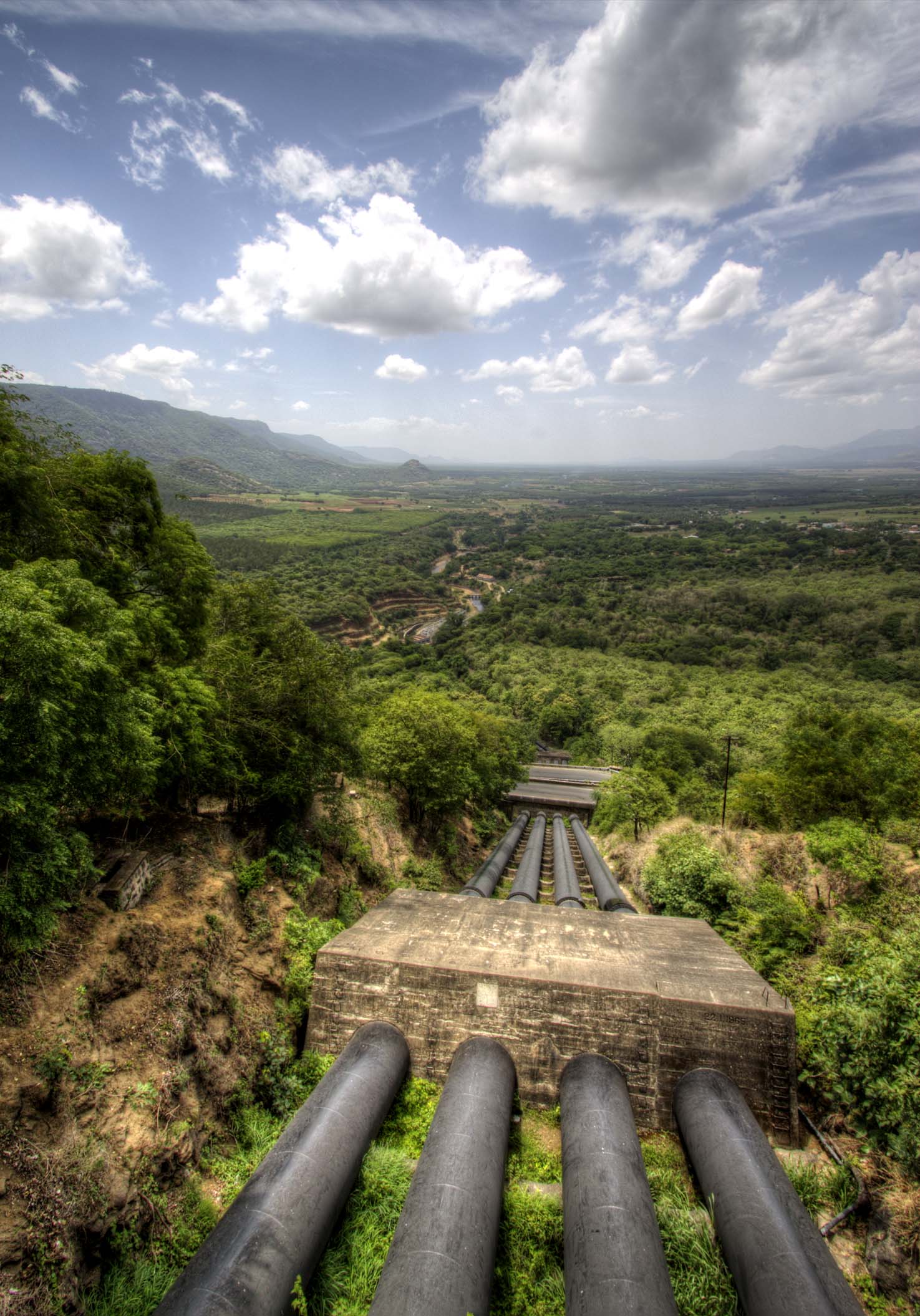
Mullaperiyar Dam taken by Milo Inman

View from Mullaperiyar Dam taken by Milo Iman
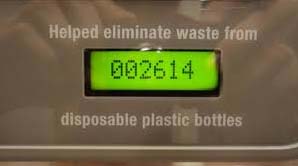
Sustainable Water Fountain taken by Seth Inman
While enjoying this beautiful view into Tamil Nadu from the top of the Cardamom hills in Thekkady, Kerala, I began to think about what was behind me. A massive water system, four gigantic pipes directing water from the Mullaperiyar dam to its neighbor, Tamil Nadu. It instantly hit me how vital water is to human civilization that no pie chart or graph can depict any clearer.
The dispute of water from Kerala to Tamil Nadu rings close to my heart with similar water challenges to my home in the Southwest region of the United States. The Hoover Dam is the lifeblood for populations nearing more than 3 million in Los Angeles to Phoenix. Sustaining livelihoods of people will require creative collaborations among cities and increasing educational initiatives about how our actions as a civilization can negatively or positively affect our land and resources, especially water.
The real question is how does this EZ-fill water fountain found at Cornell University fit in with Mullaperiyar dam? Upon first glance, we see that this creative solution measures how much plastic water bottles humanity saves by filling one’s reusable water bottle. Beyond the attractive design, we see that it changes our perception of water usage- how everyday actions contribute towards a larger effort.
What I am interested to uncover is how can this same sustainable concept of everyday education work in a larger scale among cities. GIS, geographical information systems have participated in this discussion by visually mapping overlapping systems of information to inform decision makers about key challenges and opportunities. For example we can see on NASA data spatial maps depicting over time how important mangrove swamps are eradicated due to fishing and aquaculture practices.
Although it is helpful to see large scale data visually with GIS, what we don’t see is our day to day interaction with our landscapes and the associated effects. Similar to the water fountain, can we inform people by way of the designed environment? The banal? The everyday locations we use or destination locations such as the dam? Beyond design solutions that solve carrying capacity or political disputes designing educational initiatives into any design is an outcome that impacts people at the human scale.
About the author: My passion is for equitable design for people and the land. I am working towards a Masters of Landscape Architecture at Cornell University in Ithaca, New York. I hold bachelors degrees of Environmental Design and Music Performance.
 Organikos
Reblogged this on Sunnyace Reblog Collections.
Reblogged this on Sunnyace Reblog Collections.