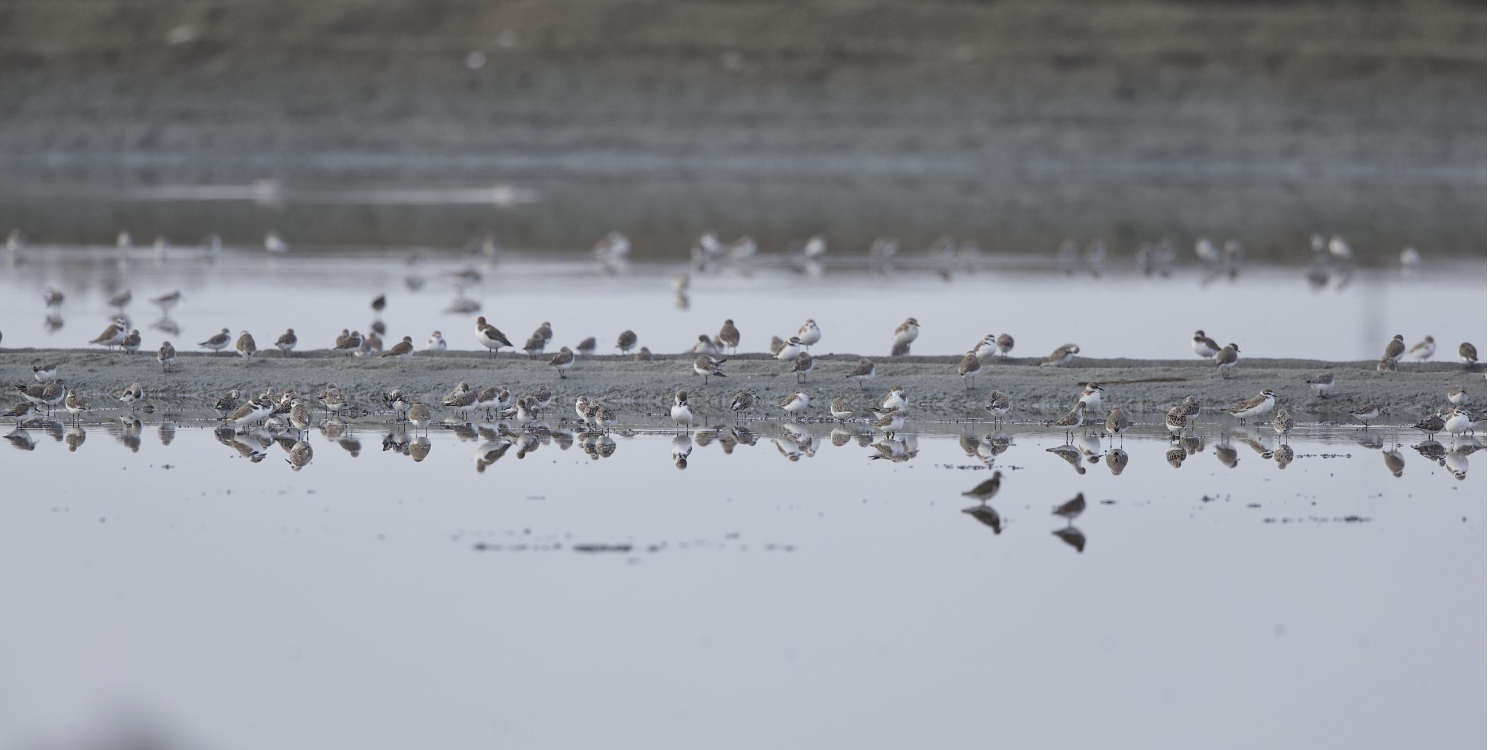

Tawny Eagle
Fast forward to June of 2012, when I started scouting for birds in the grasslands. Clement Francis showed me the birds of Hesaraghatta. Clement is a topnotch bird photographer. I was amazed at his skills. He could identify every bird there and explained their features and behaviour. We roamed around the grasslands in our car and upon sighting a raptor on the ground, Clement would approach the bird from the car, going around it in wide circles, gradually reducing the distance from the bird. As I sat on the passenger seat with my lens rested on the car door, Clement whispered to me not to make eye contact with the bird, or make any large movements while he parked the car at the comfort-distance and with the sunlight behind us. He approached the bird with such skill that it never felt threatened as he mumbled the ideal camera settings for perfect photographs under his breath. He gave me very valuable lessons in approaching the various species of the grasslands, while advising on the ideal light conditions and inculcated patience in making handsome pictures.
He highlighted the need to shoot near perfect raw images that required minimal editing, insisting to present the bird as you saw them. His motto was “Never alter the colour of the birds”, insisting on WISIWIG: “what I saw is what I got”. He himself makes such magical pictures and his pictures are inspiring to most of the bird photographers in India.
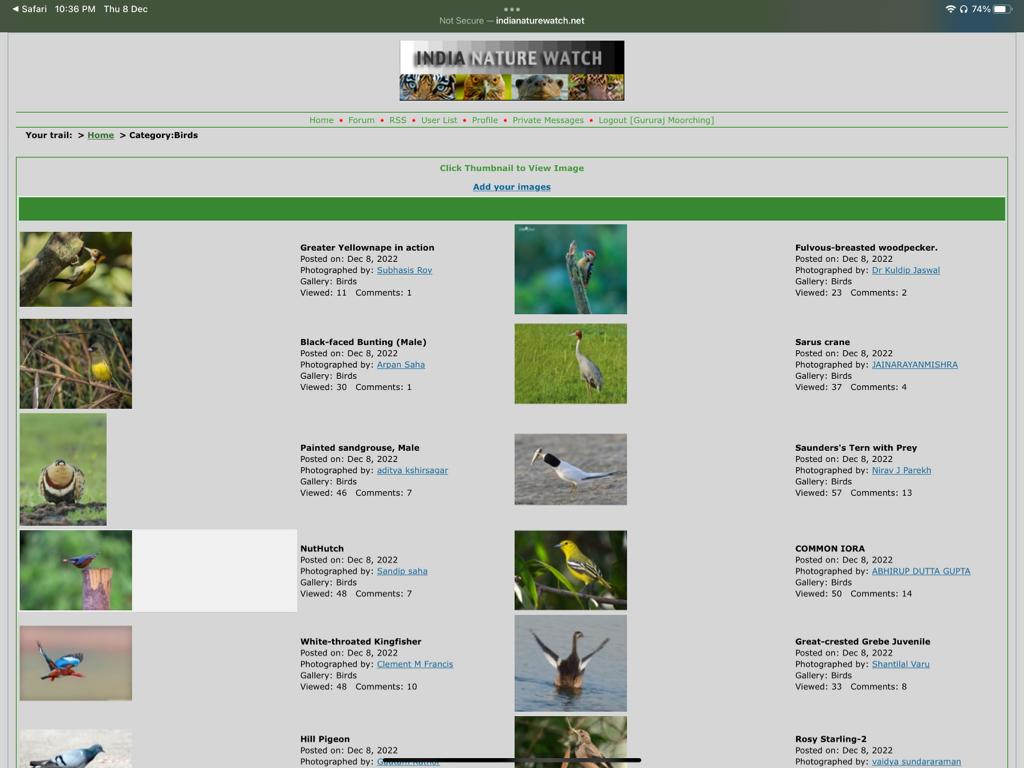
India Nature Watch
Those were the times when the famous wildlife website India Nature Watch had become very popular. It was a treat to watch Clement and various enthusiasts from all over India post pictures as members could post one picture a day. Information on location and camera settings were also posted beside the photograph. It was a huge boon for beginners like me. Birds and Mammals of India popped on your desktop each day. The digital camera era was ushered in with discussions on the prowess of gear that was a learning experience to all the budding photographers. India Nature Watch, popularly known as INW, had offered a veritable platform to amateur and professional photographers alike and to several dreamers, a desire to travel in India and experience wildlife.
During such trips, Clement spoke to me about the birds of India and their struggles due to habitat loss and the dangers of using pesticides on crops. As an example he pointed out the defective knees of some of the Paddyfield Pipits. There were horrifying stories and yet the birds continued their battles and successfully raised their families- highlighting the resiliency of nature.
 Organikos