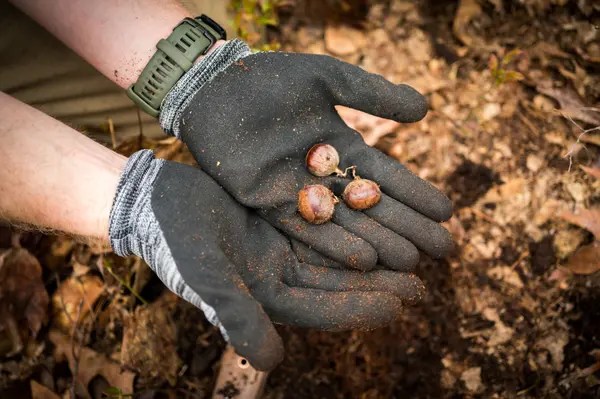
This spring, 160 chestnuts resulting from crosses made from large, standing American chestnut trees with natural blight resistance were planted at the botanic garden. Troy Thompson
Growing up in New England, apples and chestnuts were part of why autumn was my favorite season. During seven years living in walking distance of the Cornell orchards, apples remained a highlight of autumn well into adulthood. We have family who live in Boylston, so a visit to see this restoration project is now on my wish list. Thanks as always to Margaret Roach for all the gardens on that list:
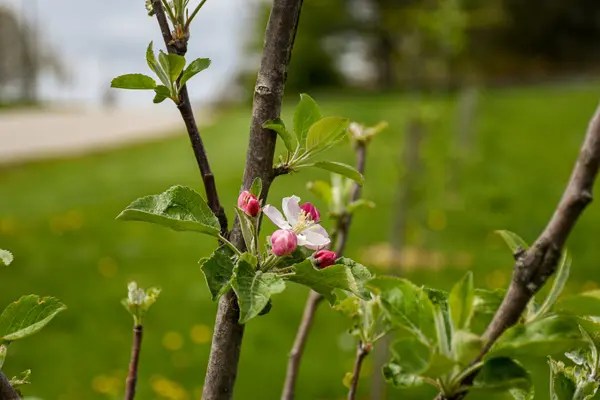
At the New England Botanic Garden at Tower Hill, in Boylston, Mass., the grafted heirloom apple trees are already big enough to bloom. But fruit isn’t expected for a few more years. New England Botanic Garden/Megan Stouffer
How Do You Restore a Chestnut Forest or an Apple Orchard? Very Slowly.
This botanic garden is determined to bring back the American chestnut tree and heirloom apples that taste like those grown 500 years ago. It won’t be easy.
“Explore what’s in bloom now,” exclaims a banner on the New England Botanic Garden at Tower Hill’s website. And, indeed, there is much to see.
The dramatic property in Boylston, Mass., includes two conservatories and 18 distinct gardens, both formal and naturalistic. The grounds offer sweeping views across the vast Wachusett Reservoir, as well as hiking trails that tuck into wilder portions of the garden’s nearly 200 acres.
As director of horticulture, Mark Richardson is always attuned to the calendar of displays that his team provides to delight more than 225,000 visitors a year. But the garden has two additional compelling botanical projects — the planting of blight-resistant American chestnuts and the restoration of a historic apple collection lost to disease — that don’t show off in the same way. At least, not yet.
These projects go comparatively unnoticed next to the rainbow border in the Garden of Inspiration area, orchestrated to bloom all season in a progression of hues, or the living walls of colorful, textural plants in an area called the Court…
Read the whole article here.
 Organikos