Cycling through the Belize Forest

img_0970_zpsbst6nigh

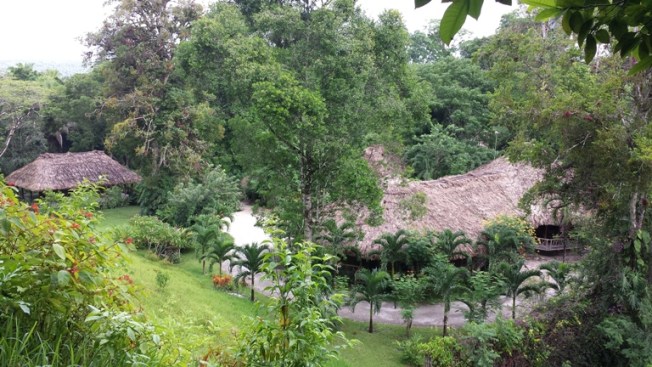
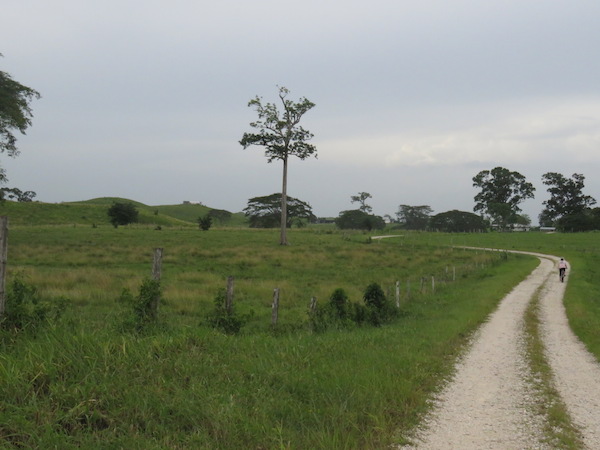
There are plenty of activities at Chan Chich Lodge that will expose you to a variety of forest wildlife and immerse you in the nature of Belize, such as the walking tours, horseback riding, canoeing, or the driving tours. But one of the lesser known activities that can also provide the same thrill as the other ones is bicycling.

I went on my first bike ride along the main road a week ago.  For the first mile starting from the compound area, the paved road offered a smooth ride past the suspension bridge and up until the “Y” intersection. I turned the handlebar to the left and my bike dropped a half-inch to the lower, limestone gravel road. The gravel pebbles started out small, boosting my confidence that I would make it to edge of cattle pastures of Gallon Jug estate, about five miles out. Continue reading

Enhancing the L.A. River


img_0431_kb

Nature Conservancy biologist Sophie Parker in the Glendale Narrows section of the Lost Angeles River. Source: Yale E360

It might be hard to believe, but at one point in time the Los Angeles River was characterized by perennial and seasonal wetland, seeps, springs, swamps, riparian forests, and mud and alkali flats. Starting in  1938 and until 1960, however, the river underwent a radical transformation, as it was enclosed by a concrete straitjacket for 51 miles to funnel the water through a channel that prevents flooding.

In its natural state [the L.A. River] was often little more than a trickle for nine months of the year. During the rainy season, however, the small, braided stream would turn into a powerful, churning river. It behaved like a dropped firehose, wildly lashing the Los Angeles valley, scouring gravel and soil across a seven-mile-wide floodplain, and carving a new course with every deluge. When the waters receded, a mosaic of fertile marshes, ponds, and other wetlands remained.

Now the L.A. River will undergo another profound change in the near future that will release parts of the river from its man-made confines and allow for  the water to transgress more naturally. The U.S. Army Corps of Engineers, in collaboration with the City of L.A.  and conservation groups, completed a plan to remove three miles of concrete, enhance an 11-mile run through the Elysian Valley called the Glendale Narrows, and restore lost habitat. Continue reading

World Orangutan Day

tnc_56625009_preview_cropped

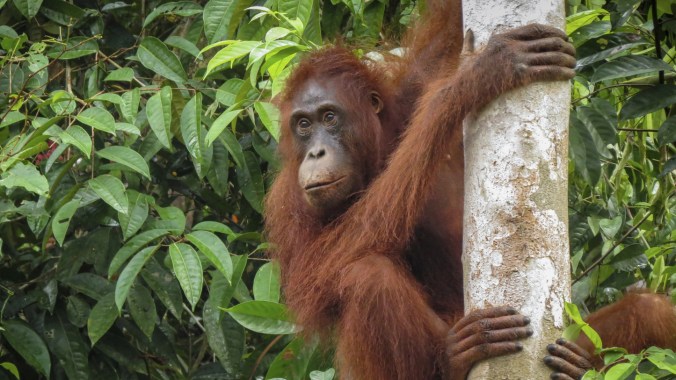
An orangutan in Tanjung Puting National Park in Borneo, Indonesia. All photos from: The Nature Conservancy

About a week ago we celebrated World Lion Day. Today we celebrate a different, long-limbed animal that likes to climb trees, the Orangutan. There are two species of this magnificent arboreal ape, both of which are facing potential extinction due to deforestation, poaching, the illegal pet trade and forest fires. As of last month, the status of the Bornean orangutan was classified as “critically endangered,” but conservationists are not giving up and are taking significant measures to improve forest management by working together with local communities and developing public-private partnerships.

The harmony between humans and apes began to unravel with the arrival of European explorers, who hunted them extensively during the 19thcentury. But it was not until the mid-20th century that human activities began to imperil orangutans’ existence. Extensive deforestation not only directly threatened orangutan habitat, it made the forest more easily accessible to humans. This led to both conflicts with orangutans, as the apes will eat crops, and made it easier for poachers to hunt the animals.

Continue reading

The Adapters to Climate Change

field-notes-bangladesh-adapt-676-1

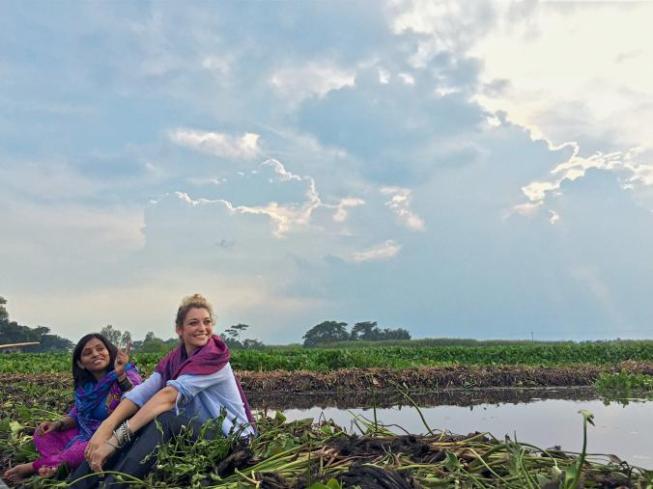
Bouyant fields made of plants and manure can support crops in Bangladesh. Source: National Geographic

Climate change is a tough reality, but in spite of its devastating impacts on the natural environment, there are people who are drawing from their ingenuity to find alternative farming methods in the affected surroundings. Alezé Carrère, a National Geographic grantee, is on a journey to study the people and communities that are adapting to climate change, and she and a film crew are documenting cases into a video series called Adaptation.

[In 2012 Carrère] learned of a group of farmers in Madagascar who were figuring out how to farm in fields eroded by deforestation and heavy rains. Instead of depending on development aid to reforest washed-out areas, the farmers adapted. Soon they began to prefer farming in the eroded gullies, which became rich with water and nutrients.

Continue reading

The Development of Organic Farming

4437

All photos from: The Guardian

The debate of whether or not an organic diet is healthier has long been in question and does not yield a definitive scientific answer, but instead a consensual logical conclusion.  An organic diet is beneficial in that food free of pesticides and chemicals is safer and better for us than food containing those substances. Although organic agriculture occupies only 1% of global agricultural land, the growth of this industry is projected to increase as population growth, climate change and environmental degradation progress and will therefore necessitate agricultural systems with a more balanced portfolio of sustainability benefits.

With that prospect in mind,  John Reganold and Jonathan Wachter from Washington State University conducted a study, Organic Agriculture in the 21st Century, published in Nature Plants, that compared organic and conventional agriculture across the four main metrics of sustainability: be productive, economically profitable, environmentally sound and socially just.

[They] found that although organic farming systems produce yields that average 10-20% less than conventional agriculture, they are more profitable and environmentally friendly. Historically, conventional agriculture has focused on increasing yields at the expense of the other three sustainability metrics.

Continue reading

A Rio Restaurant Feeding the Homeless

img_9450-hero

All images from modernfarmer.com

Before the start of the Olympics, I shared a story about Rio de Janeiro that put a slightly dour mood onto the prospect of the international event. However, there are other important stories to share that cast a much brighter light on Brazil’s second-most populous city. Here’s an inspirational story about a restaurant in Rio that exemplifies a business model rooted on two principles, altruism and sustainability, and is helping solve two major problems in the city: feeding the homeless and decreasing food waste.

by Andrew Jenner

It’s coming up on 1 p.m. on Saturday, and the kitchen staff is hard at work. On one end, they’re chopping cabbage, onions, chayote, and a chicken. On the other, another pair of cooks preps a tangerine and carrot sorbet. Massimo Bottura—a dude with owlish glasses whose establishment in Italy was just named the world’s best by the British magazine, Restaurant—peeks over their shoulders with encouragement and a caution: easy on the sugar, OK?

In the front of the house, volunteers wander to and fro, harried people jab their phones, and a Telemundo TV crew jockeys for a few minutes with Bottura and David Hertz, the Brazilian chef and social entrepreneur who represents the other half of the brains behind the place. Outside, a generator outside throws off diesel fumes and a hellish racket, while construction workers tear apart the sidewalk to—Bottura and Hertz desperately hope—fix some issue with the kitchen’s gas supply. It’s one of a million little problems this little restaurant has faced, but Refettorio Gastromotiva is the little restaurant that could.

Continue reading

An Alternative Sustainable Fertilizer

poopstory_hero2

Source: modernfarmer.com

There is no clean way to say this but…sewage sludge might just be the next thing to help grow the produce you consume. A recent study published in the journal Frontiers in Nutrition states that thermally conditioned sewage sludge could replace commercial chemical fertilizer as a sustainable option for improving soil properties. The greatest advantage of this alternative fertilizer is that it re-uses essential and finite phosphorus resources, which are commonly sourced from non-renewable phosphate rocks.

Sewage sludge is now a readily available substitute of commercial fertilizers in agriculture due to technological improvements that have increased the phosphorus content of it. Therefore, Andry Andriamananjara from the University of Antananarivo (Madagascar), along with his colleagues, decided to assess its effectiveness using a phosphorus radiotracer technique to measure the availability of phosphorus for plants in thermally conditioned sewage sludge.

Continue reading

The Arctic Struggles

p043qgl8

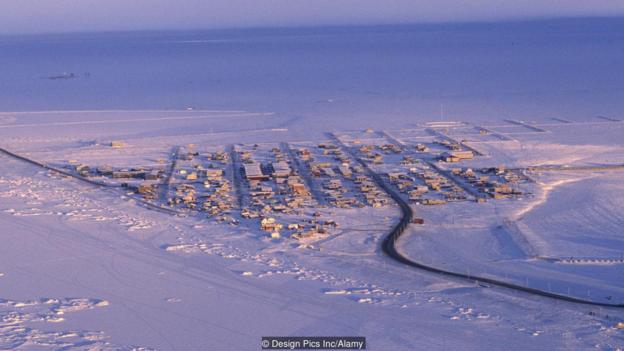
Barrow, Alaska. All photos from: BBC Earth

There is plenty of news on the alarming reduction of polar ice caps and the detrimental effect it has on polar bear populations. However, there is another, hidden problem that is hurting a different community just as much as these giant bears, and it is affecting the humans living in the northernmost town in the United States: Barrow, Alaska.

The big unspoken worry in the north is that large deposits of chemical pollutants are trapped within the ice.

For decades that was not a problem. But now rising temperatures are causing the ice to melt faster than ever. The area of summer sea ice has shrunk by 10% per decade since 1979, and in May 2016 the ice extent was the smallest in 38 years.

That means trapped chemicals like polychlorinated biphenyls (PCBs) are escaping and infecting animals like seals, the prey of choice for everything from polar bears to people.

Many of these chemicals have been banned for decades. They have been confined deep in the ice all this time and are perfectly preserved, like the sap-stuck mosquitos in Jurassic Park.

A study published in 2015 followed subsistence hunts from 1987 to 2007 and found significant amounts of PCBs in the internal organs and blubber of locally-harvested seals. The researchers concluded that, while levels of older banned contaminants are dropping, modern pollutants are rising.

That is problematic, because native Alaskans’ diets are largely comprised of seal.

Continue reading

Growing Number of Trees on Farmland

tree-on-farm

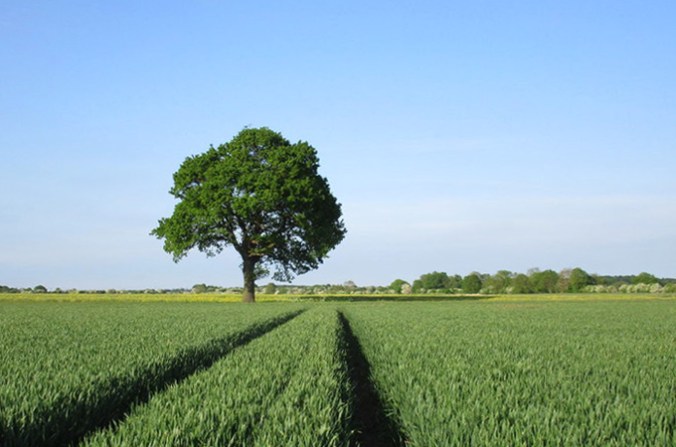
Source: Conservation Magazine

The number of tree coverage on farms is on the rise, and a recent study published in the journal Scientific Reports has added this hidden cache of carbon storage to the global carbon count. Researchers found out that farms sequester four times as much carbon as current estimates indicate, using remote sensing and a land cover database.

Researchers found that 43 percent of farmland across the globe had at least ten percent tree cover in 2010. Including the carbon sequestering capacity of this tree cover increased storage capacity estimates for farmland from 11.1 gigatonnes of carbon to 45.3 GtC. At least 34 GtCs of this storage capacity is from trees. They also found that between 2000 and 2010, tree cover on farms increased by two percent. This resulted in a 2GtC, or 4.6 percent, increase in biomass carbon.

Continue reading

Upcoming Circular Model in Clothing Industry

1_web_72dpi_landscape_800

All photos from Yale E360

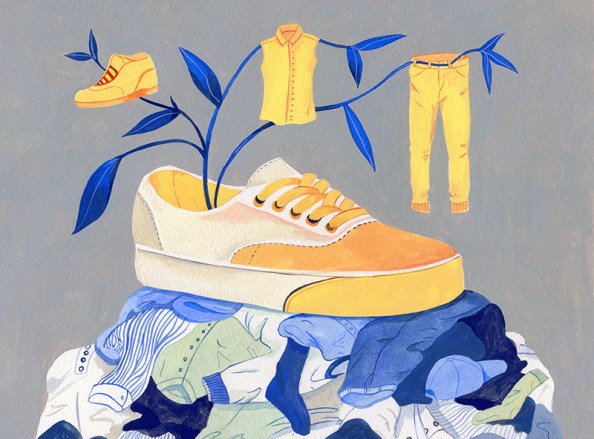
Clothing is a daily necessity (a vanguard nudist might disagree with that statement). Every day after getting out of bed we change into a a set of clothes before stepping out of our homes because it is a daily habit that we have adopted even before we had the ability of dressing ourselves when we were babies. This practice we have developed, when you add up clothing that gets worn out and must be replaced, is very costly to the environment considering people in the U.S. dispose of about 12.8 million tons of textiles annually, which amounts to about 80 pounds per person.

Growing cotton, the most-used fabric in fashion, requires water and agricultural chemicals. (Organic cotton is an exception.) While cotton is grown on just 2.4 percent of the world’s cropland, it accounts for 24 percent and 11 percent of global sales of insecticides and pesticides, respectively, according to the World Wildlife Fund. The Sustainable Apparel Coalition — an alliance of retailers, brands, and nonprofits — has been working for about five years to measure and reduce the industry’s environmental footprint.

Recycling has become a rallying cry in the apparel industry, with H&M as its most vocal evangelist. The Swedish firm launched a 1-million euro contest to seek out ideas for turning old clothes into new, invested in Worn Again, a company that is developing textile recycling technology, and enlisted hip-hop artist M.I.A. to produce a music video called Rewear It that aims to “highlight the importance of garment collecting and recycling.” With Nike, H&M is a global partner of the Ellen MacArthur Foundation, whose mission is to drive a transition to a circular economy — that is, an industrial system in which everything at the end of its life is made into something new, in contrast to today’s economy, where most consumer goods are produced, used, and then thrown away.

Continue reading

Preserving Darkness

13darksky-web01-superjumbo

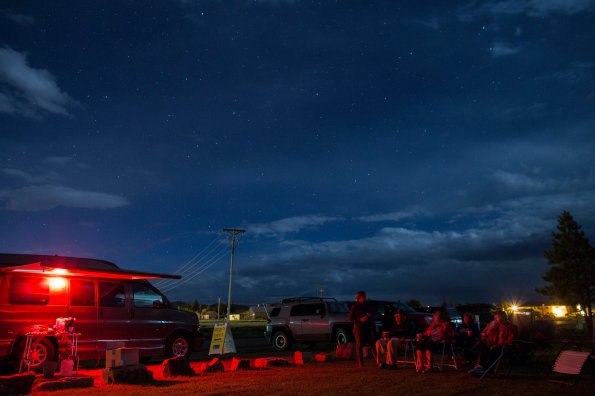
Members of Dark Skies Inc. look for meteors in Westcliffe, Colorado. Source: New York Times

A few days back we wrote about the Perseid meteor outburst taking place between August 11th and 12th and I sincerely hope you had the opportunity to find a remote location with low night pollution to see it because it was truly a cosmic phenomenon (we lay some futon cushions on the back of a pick-up truck, drove out to an area of Gallon Jug fields at three in the morning, and laid back to gaze at the meteor shower).

A couple thousand miles away, residents of towns in the Wet Mountain Valley of southern Colorado, Silver Cliff and Westcliffe, were able to enjoy the display early Friday morning because even from the town’s limits they can see the Milky Way. It is rare to find a town with such low light contamination, but it isn’t a coincidence. Locals have sustained efforts for more than a decade to dial down on the outdoor lighting by not only dimming the light potency but also requiring lights to face downward. These communities are preserving the beauty of gazing out into a star-filled night sky and have benefited from the visitors who started to visit for the purpose of stargazing. Here’s the story as reported by the New York Times:

WESTCLIFFE, Colo. — As people around the world stepped into their backyards or onto rooftops to peer up at the annual spectacle of the Perseid meteor shower early on Friday morning, few of them had a view like Wilson Jarvis and Steve Linderer.

Continue reading

The Recovery of the Island Fox

3000

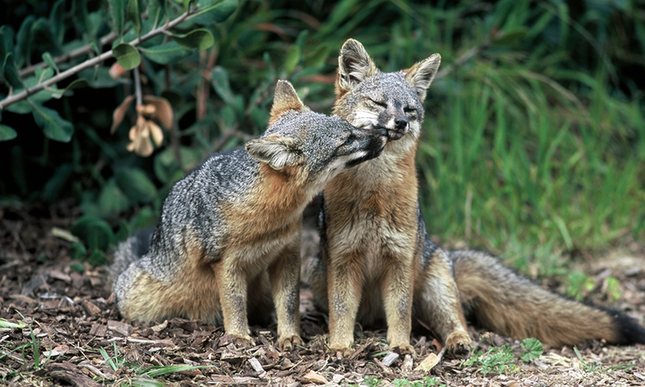
Island Foxes. Source: The Guardian

We are happy to share another win for wildlife conservation. One of America’s rarest mammals, the island fox, has experienced a record-breaking recovery twelve years after the species was declared endangered. Here’s the story from The Guardian:

The US Fish and Wildlife Service (FWS) has delisted three subspecies of island fox – endemic to the San Miguel, Santa Rosa and Santa Cruz islands – just 12 years after they were granted endangered species protections due to a catastrophic 90% population loss.

The island fox is one of the smallest canids in the world, around the size of a domesticated cat. They are thought to have evolved on the channel islands, located off southern California, over the past 6,000 years and initially thrived due to a lack of predators, feasting on mice, crickets and the occasional crab.

However, the island fox suffered badly during the late 1990s after use of the pesticide DDT wiped out bald eagles on the islands. Golden eagles, which prey on the foxes, quickly replaced the fish-loving bald eagles, leading to numerous fox deaths.

Continue reading

A Portable Power Plant

estream-portable-hydro-power-plant-blades-889x593

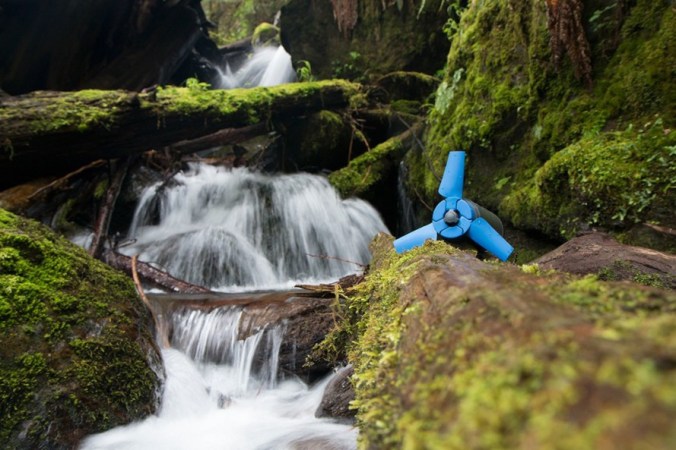
Source: Enomad.com

I believe I can confidently say that all of us at some point during a nature outing have run out of battery power on our cell phone or camera just at the moment we were about to capture a magnificent shot of a cool animal or a picturesque landscape. There are plenty of portable battery chargers that can spare us from those despairing occurrences, but what about one that uses a renewable energy source to charge? I bet you’re guessing it’s solar powered, but that would be too ordinary for the developers at Enomad. They have created a portable hydroelectric generator called Estream that can fit easily into a travel pack. The tube-like device has three turbines which rotate when placed or dragged underwater and the energy created from the rotating turbines gets stored in the battery attached. The battery takes about 4.5 hours to charge, and can power up a maximum of three smartphones, GoPros, or even tablet PCs.

Continue reading

The Chan Chich Trails

20160803_073332

View from the top of one of the knolls (i.e., former Mayan structure) surrounding the compound

Day by day I’ve been exploring the trails around Chan Chich Lodge, and during each excursion I find some kind of surprise. I tend to tag along Seth’s bird outings not only to learn about the birds fluttering about, but also to increase the chances of spotting some type of wildlife mammal.  Certain trails are better for finding the animals that I hope to see (such as a Margay or a White-nosed Coati), but I have diversified my search in order to avoid discriminating against all the other stunning wildlife at Chan Chich and to take into consideration my birder companion’s interests.

Climbing to the top of the grassy mounds (concealing Mayan structures) that surround the central hotel area is one option that offers an elevated perspective of the lodge and allows for a less constricted view of the trees that attract Brown-hooded Parrots, White-collared Seedeaters, and Tropical Kingbirds. Most of the knolls have a bench at the top, which I believe serve more as a scenic embellishment than a respite from the twenty stair-step “hike.” At one of the mounds there is a wooden platform on the edge of the hill that provides a private outlook towards the forest canopy. I found this outlook at sunset, which made the discovery all the more memorable, and I will not reveal its precise location to encourage visitors to find it on their own. Continue reading

Honoring World Lion Day

01-asiatic-lion-ngsversion-1470838592918-adapt-885-1

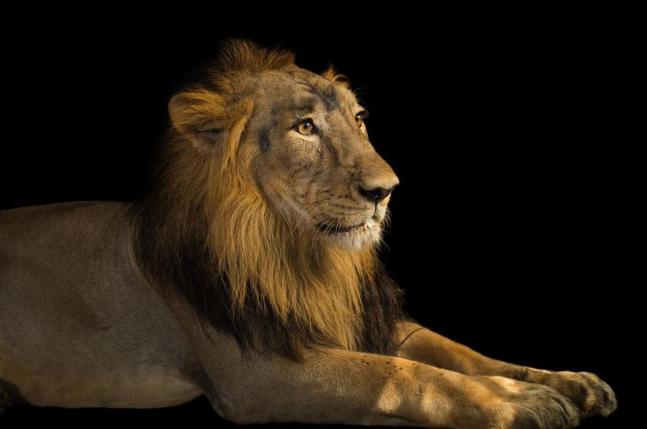
A male Asiatic Lion. Source: National Geographic

In celebration of World Lion Day (August 10th), here’s a motivational and uplifting conservation story of Asiatic Lions in west India’s Gir National Park:

The Asiatic lion once roamed vast swaths of the Middle East and Asia, but indiscriminate hunting and killing to protect livestock led to their mass slaughter. By the late 1800s, as few as 10 of the animals remained on Earth.

Their last refuge became western India’s Gir National Park, a protected area where these endangered animals are now on an upward trend. According to a 2015 census, a little more than 500 lions—the world’s total wild population—live in Gir, up from 411 in 2010. In comparison, about 20,000 African lions remain in the wild. (See a map of the lion’s decline worldwide.)

Continue reading

The New Green Building Certification on the Block


3810_b

UWC Dilijan College in Armenia, the first BREEAM certified building. Source: idea.am

The two most recognized sustainable building certifications in the U.S., Energy Star and LEED, now have a new companion joining the movement within home territory. BREEAM (Building Research Establishment Environmental Assessment Methodology), a 25-year-old sustainability evaluation method officiated by the U.K consultancy BRE, offers a practical and more affordable online self-assessment tool for building owners who want to elevate their commitment to sustainability. BRE is working in collaboration with BuildingWise to focus on evaluations for existing buildings and tackle the estimated 5.6 million commercial buildings in the U.S. that are not being benchmarked using a “scientifically based” certification. Continue reading

All About Horns

05waqanimalhorns-adapt-590-1

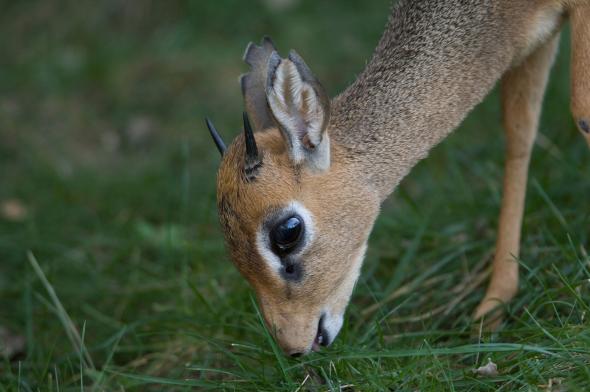
A dik-dik, a type of dwarf antelope with tiny horns. All photos by National Geographic

Horns are a curious biological development that come in all shapes and sizes and serve different purposes. There are plenty of white-tailed deer around the Gallon Jug Estate, some of which are young bucks with anywhere from one- to five-point antlers, and last night two guests actually watched a pair of these males butting heads within Chan Chich Lodge. An article by National Geographic enlightens us to the horny way of life:

Horns evolved independently in many animals to meet similar needs—first as weapons, and then as defenses against rivals, says Don Moore, director of the Oregon Zoo in Portland.

Horns likely initially inflicted body blows, but became larger and more elaborate as they absorbed blows to the head. This strategy led some animals, like pronghorns, to essentially wrestle (watch a video), whereas others, like sheep, ram their opponents.

Continue reading

The “Wildman” in You


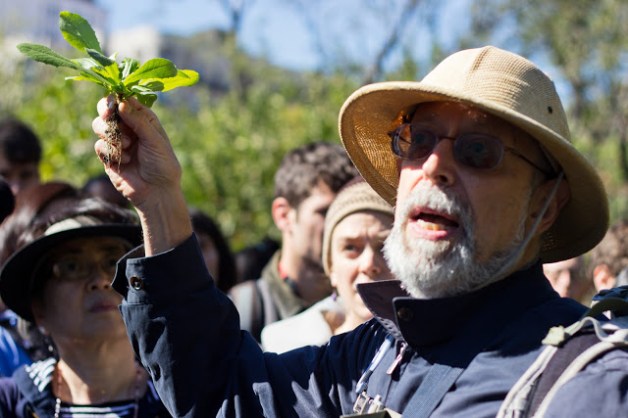
Whether you live in an urban or rural setting, the abundance of edible plants that surround us typically remains unconsumed unless we are referring to the plants that are growing in our own gardens. “Wildman” Steve, NYC’s famed foraging expert, is an avid naturalist who learns about the properties of common plants growing in neighborhoods in order to identify their utility for human consumption, including their medicinal attributes in some cases. He shares his findings through various forums and even has a phone application to offer a practical and user-friendly tool for those who want to get “in the field” and learn.

All of his videos, like the one below, remind us of the plethora of flavorful plant species right in our own backyard or neighborhood park and the following one highlights the joy it can be to do it with someone you love.

Continue reading

Grubby Animal Feed

4980

Source: The Guardian

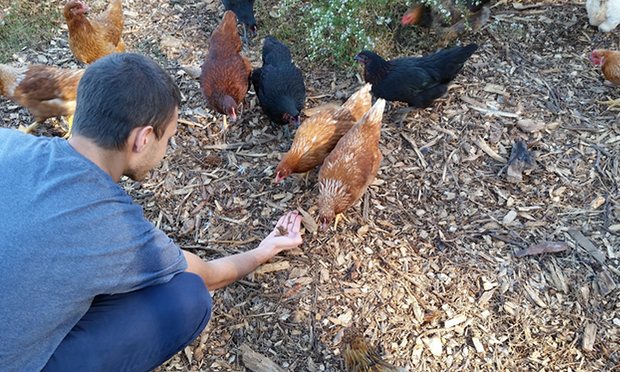
Two Georgia Tech graduates (who also happen to be cousins), Sean Warner and Patrick Pittaluga, are breeding and selling an insect many people consider revolting in order to provide a more sustainable substitute for animal feed (if you are about to eat a meal, I recommend postponing this article for a later, food-free, time). The insect they are growing is larvae, specifically black soldier fly larvae. Grubbly Farms, the name of their company, dries the larvae and sells them whole as chicken treats. This is a more sustainable protein and fat source for chickens, pigs and farmed seafood compared to the more popular animal feed that is based on fish, called fish meal.

Around 75% of the fish used in [conventional fish meal] are wild-caught species of small fish such as anchovies, herring and sardines. Demand for these species will likely increase as the world relies more on fish farming – and less on depleting wild fish stocks – to feed the growing appetite for seafood.

Grubbly Farms’ business plan isn’t just about creating more nutritious and sustainable animal feed, Warner said. It’s also looking to tackle America’s billion-dollar problem with food waste – produce and leftover foods being tossed away by businesses and homes and clogging up landfills at the rate of 52m tons per year. Warner is feeding the larvae fruit and vegetable pulp from a local juicery, and the company has also recently started working with a bakery to add days-old bread to the mix. Warner estimates that once production is up-and-running, they will use around two tons of food waste a day.

Continue reading

The Jaguar in the Night

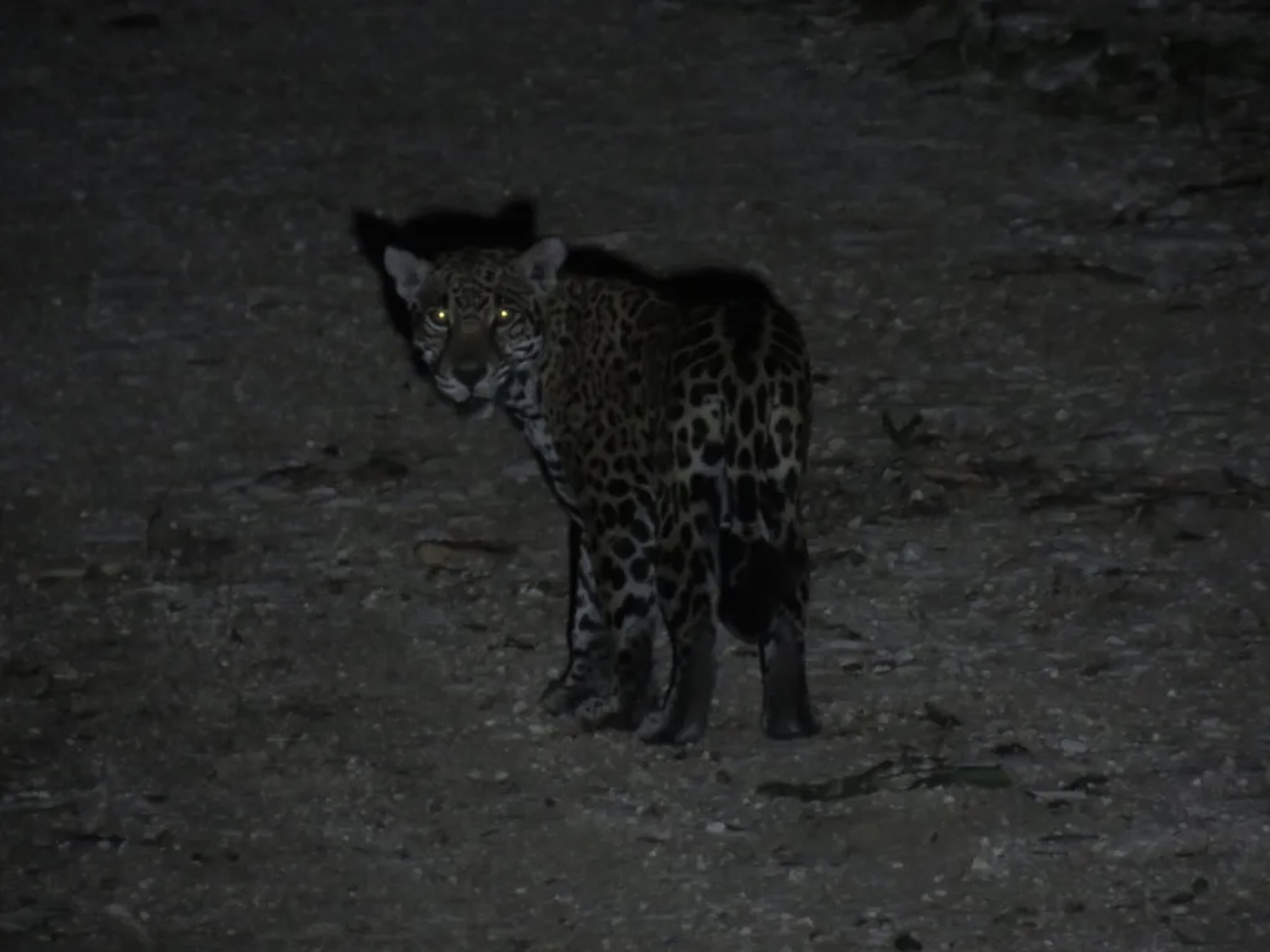
Jaguar by Seth Inman

The night drive is one of the most popular tours at Chan Chich Lodge because it is arguably the best opportunity for spotting a jaguar, ocelot, margay, or puma. Of the four forest cats, last night our tour group was fortunate to see the beloved jaguar.

The drive started at 7:30pm. Eight of us climbed up the back of the truck and took our seats along the cushioned benches facing out to the road. We were instructed by Luis, our tour guide, to look for “eyes,” and thereafter, the truck rumbled to a start and Luis began to point his flashlight in all directions, up at the tree branches and down at the forest undergrowth. The aftermath from Hurricane Earl was evident as the truck drove between broken tree stumps and overhanging branches, but this also allowed wildlife to appear in places that it had not been seen before.

Continue reading