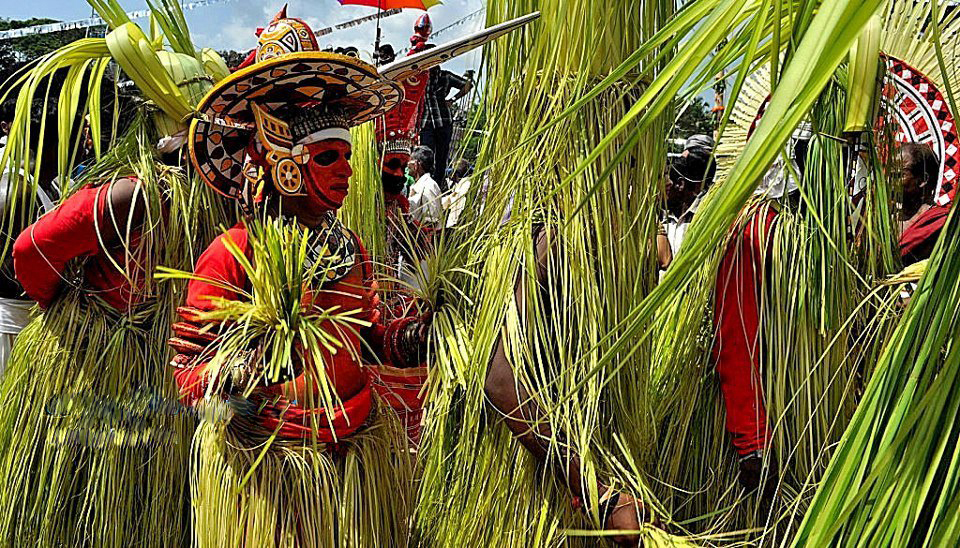
The rhythm, elegance and finesse of the classical dance of Kerala is a result of the various cultural influences that took place in the state. These classical forms are a delicate fusion of ancient classical texts and folk traditions, often related to religious rituals and mythological stories. Continue reading
Author: Salim.E.I
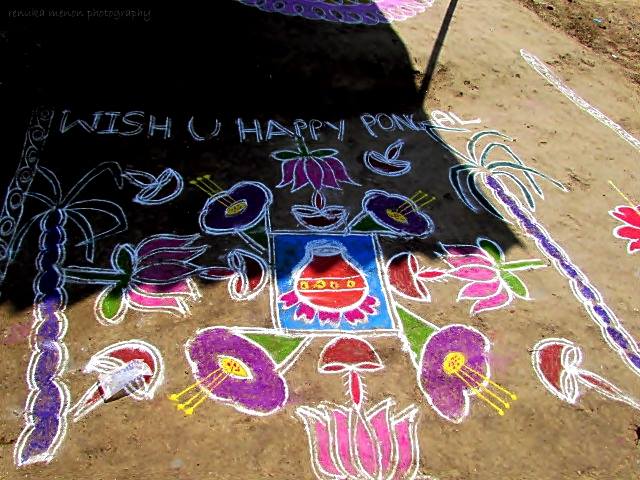
Thai Pongal – Festival of Tamil Nadu
Thai Pongal is a harvest festival celebrated in Tamil Nadu on January 14th every year for four days. Tamilians decorate their homes with sugarcane and leaves from banana and mango trees, and draw on the floor with kolams (decorative patterns made with rice flour). Continue reading
Hill Palace – Kochi
The Hill Palace, built in a blend of Dutch and traditional Keralan architectural styles, was built in the year 1865 and spreads over 20,000 square feet in forty-nine buildings. Once the official residence of the maharaja of Cochin, today Hill Palace is one of Kerala’s largest archaeological museums. Continue reading
Simian Visitors to Cardamom County
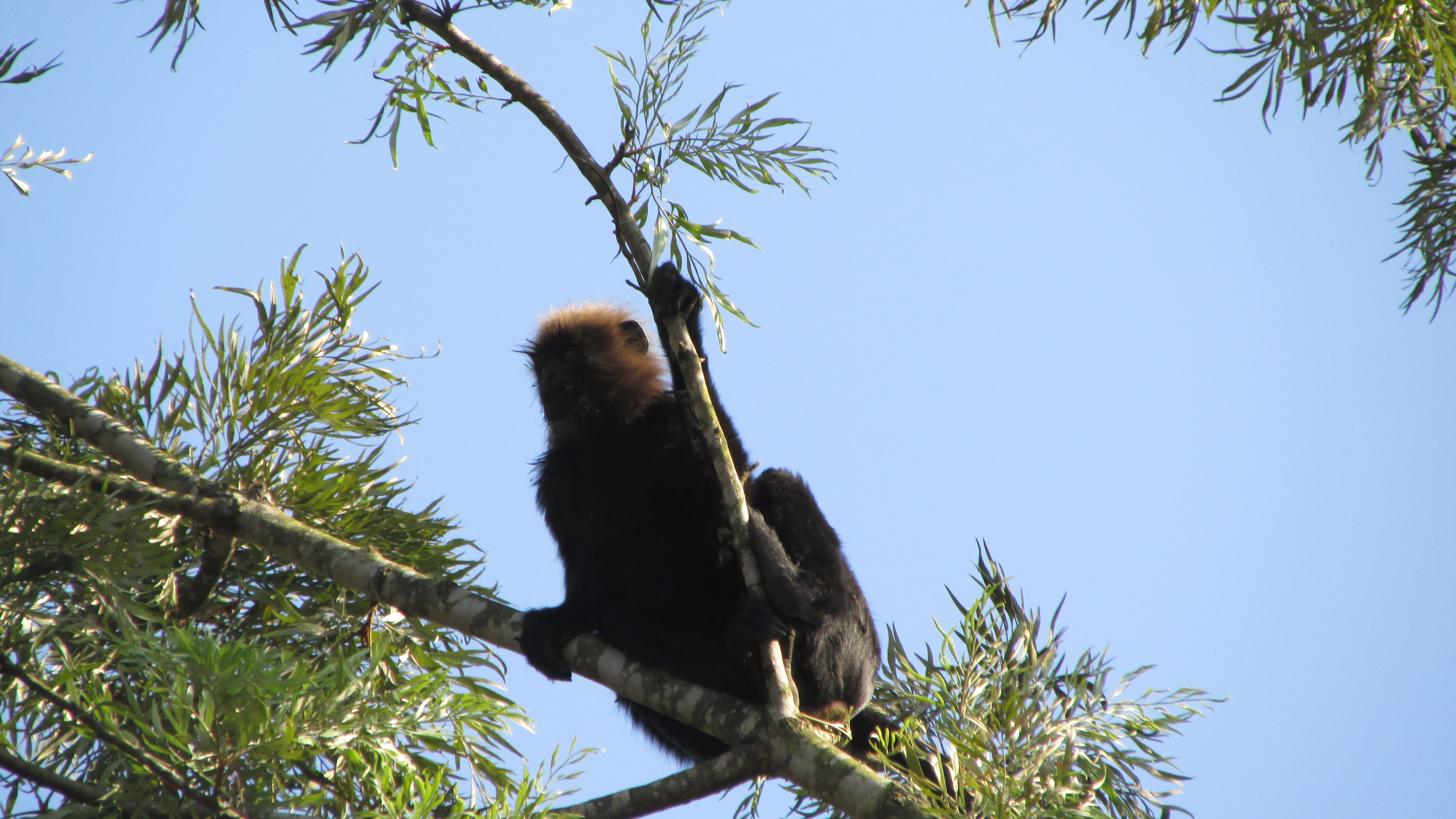
It’s been a while since we shared with you pictures of visitors from Periyar at Cardamom County. Here are a few photos of a family of Nilgiri Langur that took a quick stop at our resort on their way to their final destination: the Periyar Tiger Reserve. Continue reading
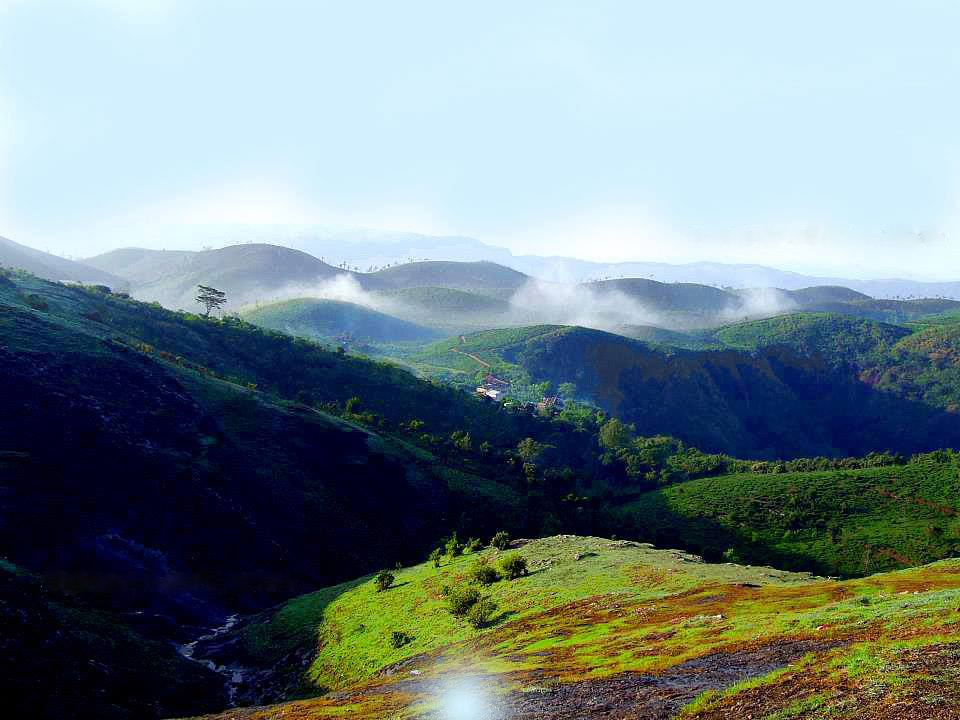
Beauty of Munnar – Top Station
Top Station, named for being the railway station with the highest elevation in the area, is one of the main attractions in Munnar. It is about 24 km from the town, and the view from Top Station provides us with a stunning bird’s eye view of Tamil Nadu, our neighboring state to the east. Continue reading
Thirumali Nayak Palace – Madurai, Tamil Nadu
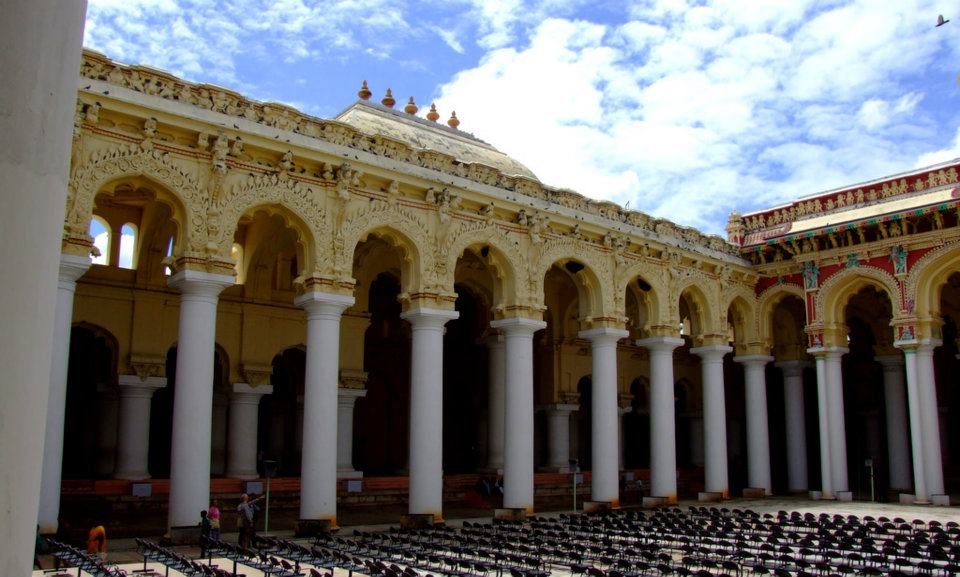
Thirumalai Nayak Palace was built in the year 1636 by king Thirumalai Nayak, designed by an Italian architect. The courtyard in this palace is 3900 sq meters and is surrounded by massive pillars. The courtyard was mainly used for daily dance and music programmes. Continue reading
Temple Art – Kerala
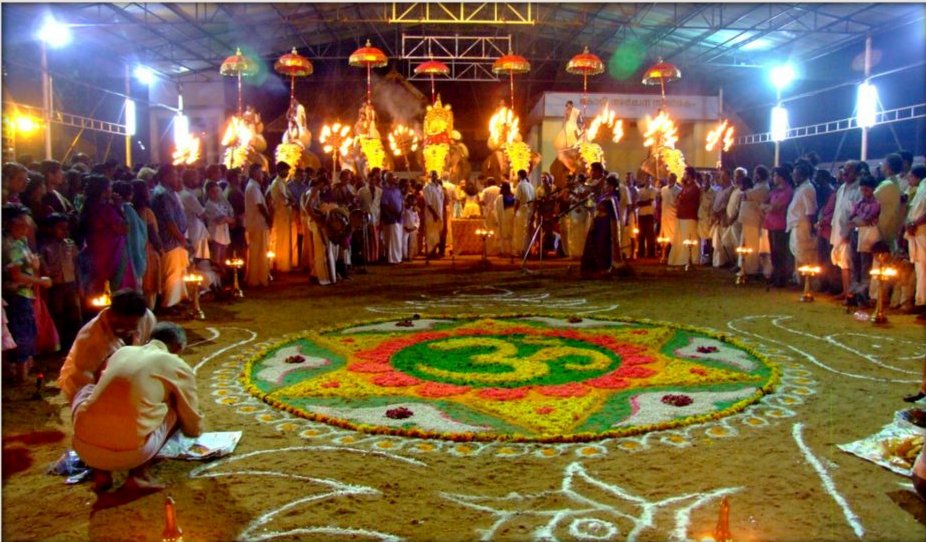
The temples of Kerala offer various artistic and cultural events during festival time. During these periods, previously limited space become public as people gather to celebrate together, making carpets of natural materials, which we have described before. Continue reading
Beauty of Kerala – Aranmula Boat Race
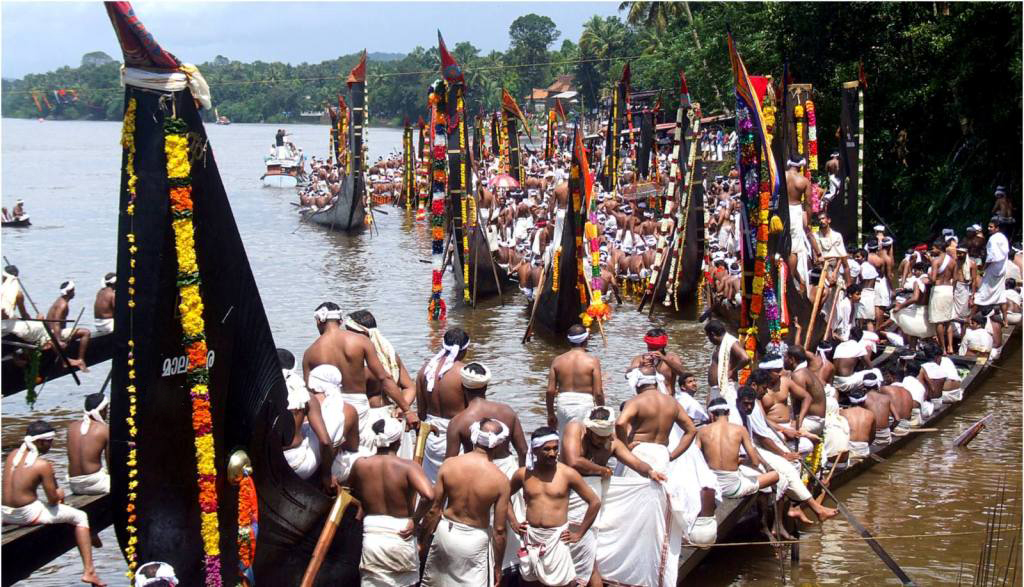
The Aranmula boat race is held during the harvest festival of Onam, on the Pamba River near the Sree Parthasarathy Temple at Aranmula. The head of the boat is usually fantastically decorated with golden lace, a flag, and chains of flowers; often the boats have an ornamental umbrella towards the centre of the vessel. Continue reading
Bandipur National Park – Karnataka, India
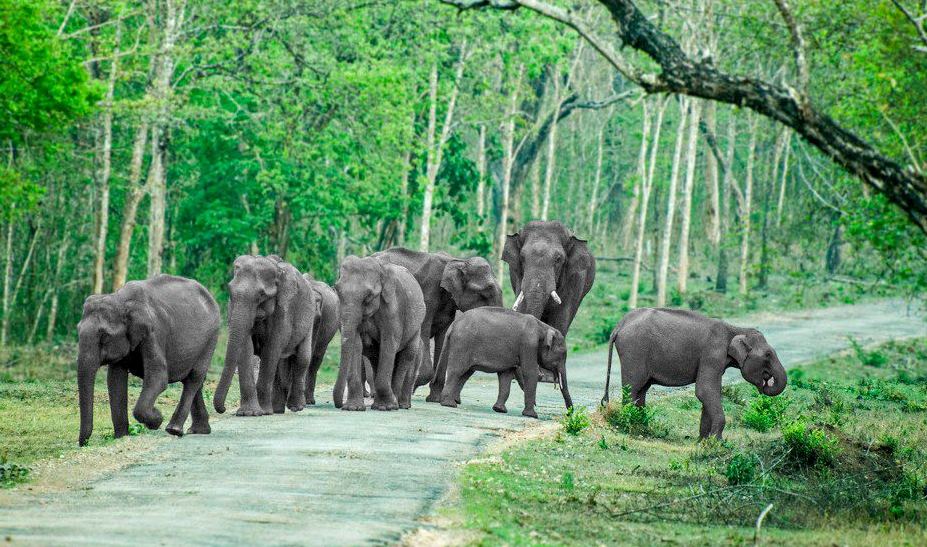
Bandipur National Park is one of the most famous wildlife national parks in South India, and is part of the Nilgiri Biosphere Reserve. Covering an area of 880 sq km, it was once one of the private wildlife reserves of the Mysore Maharaja. Today, Bandipur National Park is a protected zone for over 100 species of mammals, Continue reading
Sri Krishna Temple – Ambalappuzha, Kerala
The Sri Krishna Temple of Ambalappuzha is situated about 12 km south of Alleppey. Dedicated to Lord Sri Krishna, the temple architecture is a mixture of Keralan and Dravidian styles. Continue reading
The Lotus
The lotus, a symbol of the goddess of wealth and prosperity Lakshmi, is also the national flower of India. It has long been said that the lotus’ growth from deep mud has symbolic significance, as beauty can bloom from any condition. In India, lotus roots are also consumed as side dishes to rice or various types of bread, and they are also used to make pickle. Continue reading
Periyar Sightings
Today we are sharing the sightings of Mr. Vinoy Khakie from his experience inside the Periyar Tiger Reserve. His photos are impressive despite the fact they were taken from a moving boat.
Ernakulam – Kerala
Ernakulam, which I wrote about last April, was once the official capital of the Raja of Kochi. The city is said to have received its name from a Tamil word that means ‘abode of Shiva’. Today, Ernakulam is seemingly half Kerala backwaters and half one of the fastest growing cities in the country. Continue reading
Murinjapuzha Waterfalls – Kuttikkanam
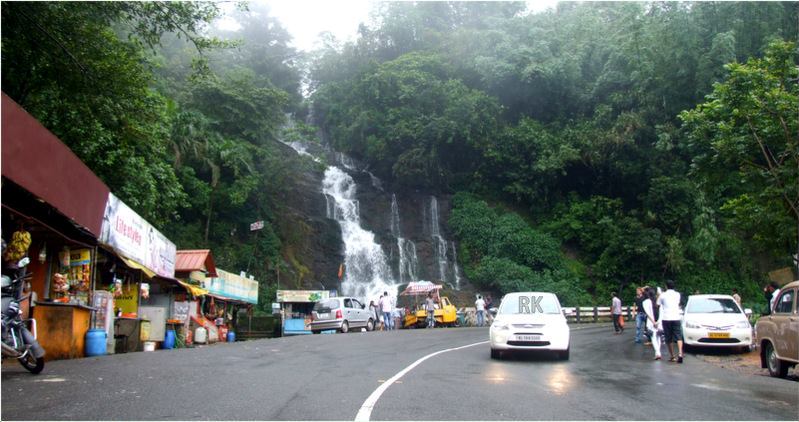
Murinjapuzha is a beautiful waterfall located 40 km from Thekkady en route to Cochin. The area is at its best soon after the monsoon when the Western Ghats are at their greenest and the rushing water draws visitors to stop at the local tea shops to take in the views. Continue reading
Mural Paintings – Kerala
Kerala has a rich mural heritage dating back to the 7th and 8th century. These early wall paintings were characterized by their elaborateness, symbolic coloration and ornamentation, and ability to display emotion. The murals were painted using natural dyes extracted from plants. Continue reading
Badami Temple, Karnataka
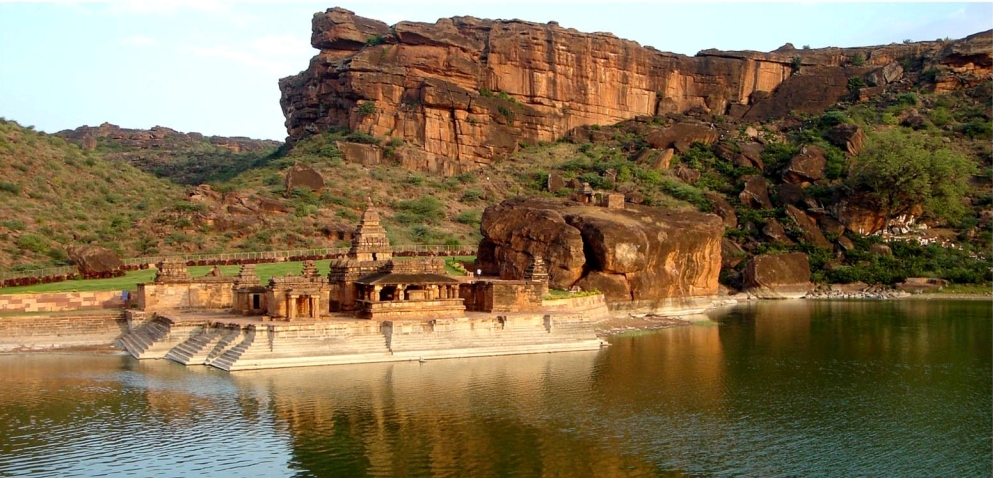
Badami, situated in modern Karnataka, was once the majestic capital of the royal Chalukyas between the 4th and 8th century — now it is a rural town famous for the monuments and remnants that remain. Continue reading
Beauty Of Kerala, Vagamon
Vagamon is a land with undisturbed forests, exotic flora and fauna — green glades and verdant meadows interspersed with shola forest combine to create a picturesque landscape. 1200 metres above sea level, Vagamon is located approximately 45 km from Thekkady; a true paradise for hikers and trekkers. Continue reading
Beauty of Periyar River
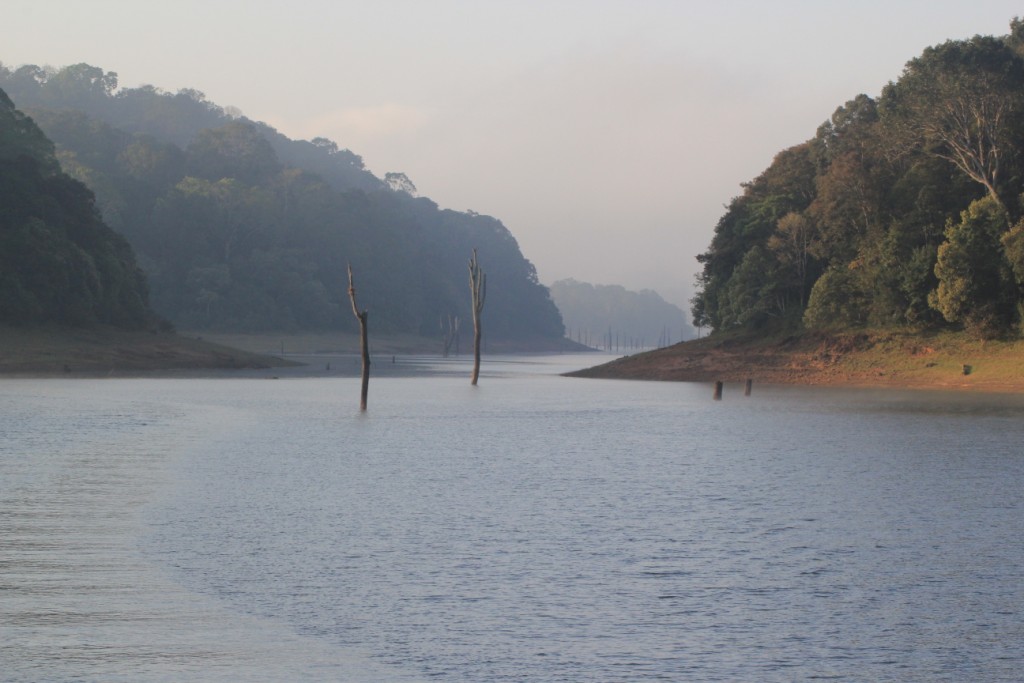
Periyar Lake comprises about 26 square kilometers within the Periyar Tiger Reserve, a sanctuary for wildlife next to Cardamom County. Periyar River, which flows from Periyar Lake, is not only the lifeline of the Periyar Tiger Reserve, but also of central Kerala. It originates in the Sivagiri peaks in the Western Ghats, 1830 meters above sea level, across the border into the neighboring state of Tamil Nadu. Continue reading
Kavadi Aatam: Ritual Dance
Kavadi Aatam is a religious dance offered to Lord Muruga during a pilgrimage, made mainly by men, which originated in Tamil Nadu. It is a colorful (as you can see in the photos) ritual dance widely prevalent in the Subramanya Temples in Kerala and Tamil Nadu during the festival season. The Kavadi, which are set on top of the dancers, can reach 10-15 feet high, and when the dancers twist and spin in a row it creates a quite beautiful effect.
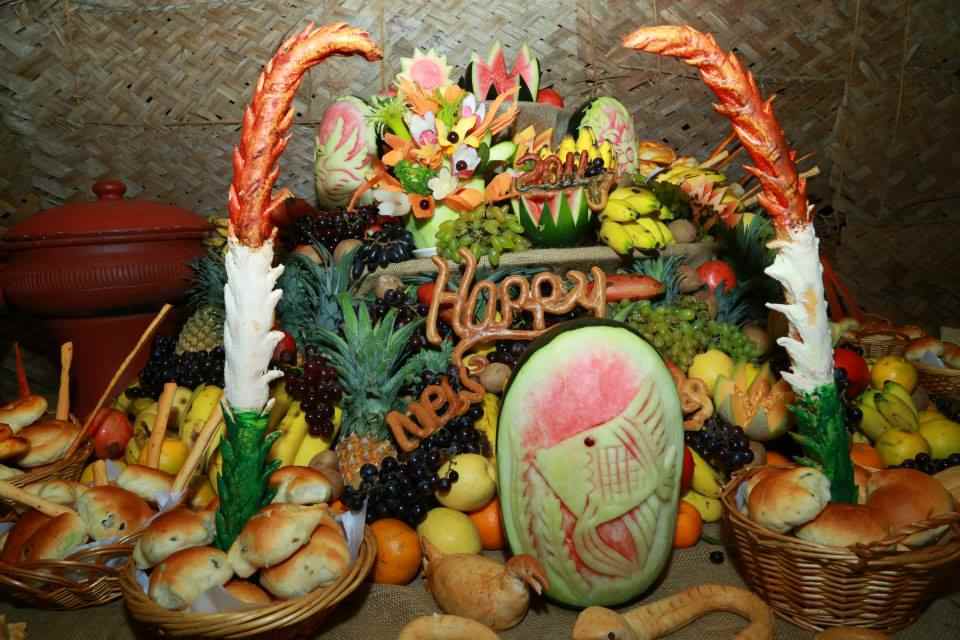
New Year and New Beginnings, 2014
New Year’s Eve is a time of new beginnings.We believe in celebrating with all our guests all the achievements and learning of the previous year along with the joy of stepping into a new year with new expectations and beliefs and hope for new opportunities. We welcome our guests in the traditional Indian way with a small performance followed by aarthi and tikka and blessings from an elephant who represents the elephant headed god Ganesha, the god of beginnings. Continue reading