Tipu Sulthan’s Summer Palace, Mysore

Photo Credits: Dileep Kumar

Photo Credits: Dileep Kumar

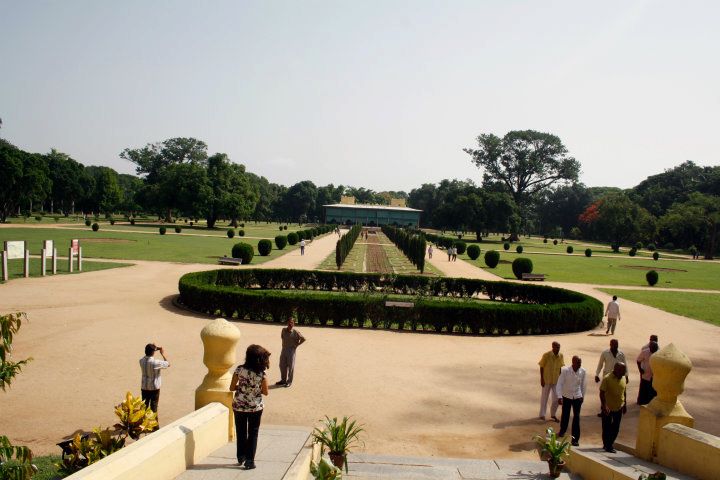
Known as the “Tiger of Mysore”, Tipu Sulthan was the ruler of the Mysore Kingdom from 1782 to 1799. The construction of the summer residence was started by his father Hyder Ali. Built with French rosewood and adorned with pillars, this beautiful palace is surrounded by ornamental trees and a beautiful garden.
Continue reading

Agraharam – Brahmin Homes

Photo Credits: Ramesh Kidangoor

Photo Credits: Ramesh Kidangoor

Brahmin homes are called agraharam. They are made up of 50 to 100 dwellings housed in a single compound that are so closely packed that, in most cases, two homes have a single wall as separation. The Brahmin mix of Tamil and Kerala culture is evident in every aspect of their lives, ranging from language, behavior, architecture and culinary skills. Continue reading

Kuthira Malika, Trivandrum

Photo credits: Ramesh Kidangoor

Photo credits: Ramesh Kidangoor

The Kuthira Malika is a beautiful Kerala style, two story, 80 room palace with open verandas. Built by the Maharaja Swathi Thirunal in 1844, the name Kuthira Malika, which means Horse Palace, was chosen based on the many wooden horse figures carved along the entire length of the exterior lintel of the upper floors. The Palace has now been converted into a museum that houses very interesting and rare artifacts and paintings belonging to the previous Travancore Kings. Continue reading

Kottiyoor Mahadeva Temple – Kannur

Photo Credits: Ranjith

Photo Credits: Ranjith

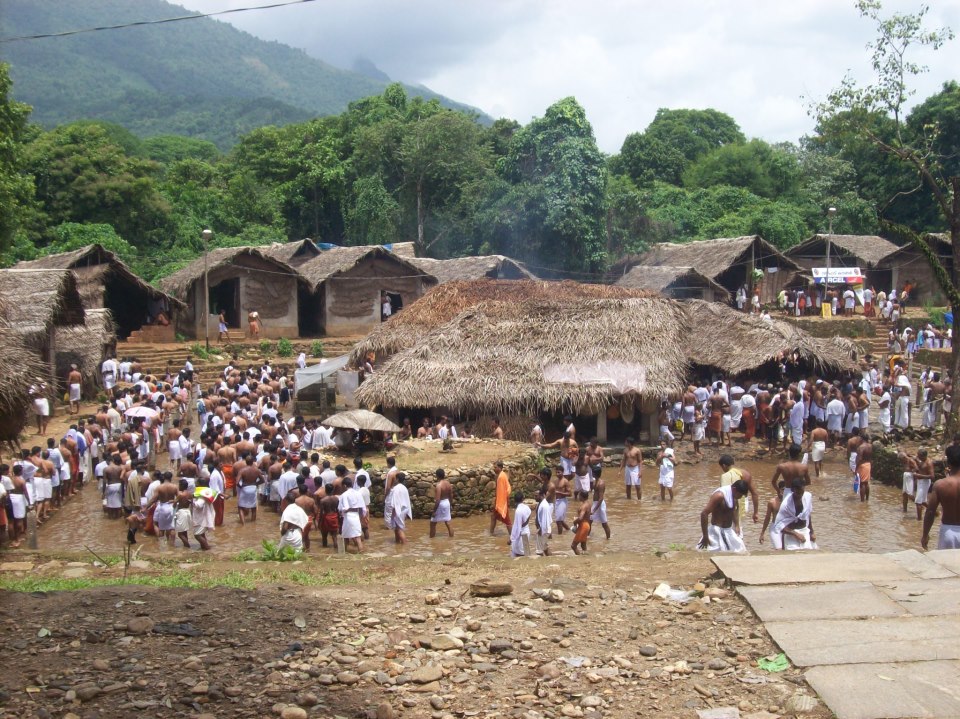
Kottiyoor Mahadeva Temple is located near Kelakam in the Kannur district. Described as the ” Varanasi of the South”, the shrine is dedicated to Lord Shiva and is an important pilgrim centre of north Kerala. Located in the deep forest, it is interesting to notice that there are no physical temple structures except for a Shiva linga. The annual festival attracts lakhs of devotees every year during the ” Vaisakha Maholsavam”. Continue reading

Prayer

Photo Credits: Ramesh Kidangoor

Photo Credits: Ramesh Kidangoor

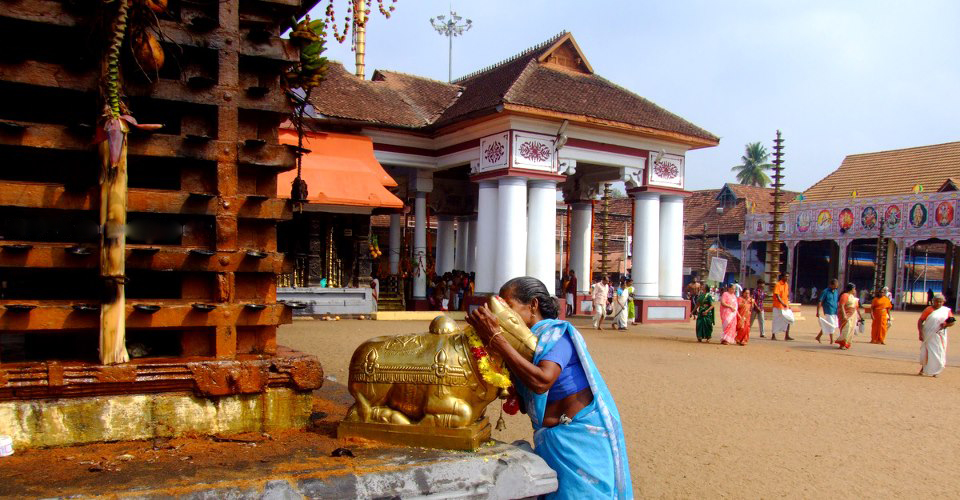
Temple worship has had a glorious tradition in India and over the years there have been many temples built for different Gods and Goddesses. In the Hindu religion, people believe the only way of establishing a relationship with God is through an animal mediator, such as the bull, snake and elephant. Continue reading

Kerala’s Classical Arts

Photo Credits: Ramesh Kidangoor

Photo Credits: Ramesh Kidangoor

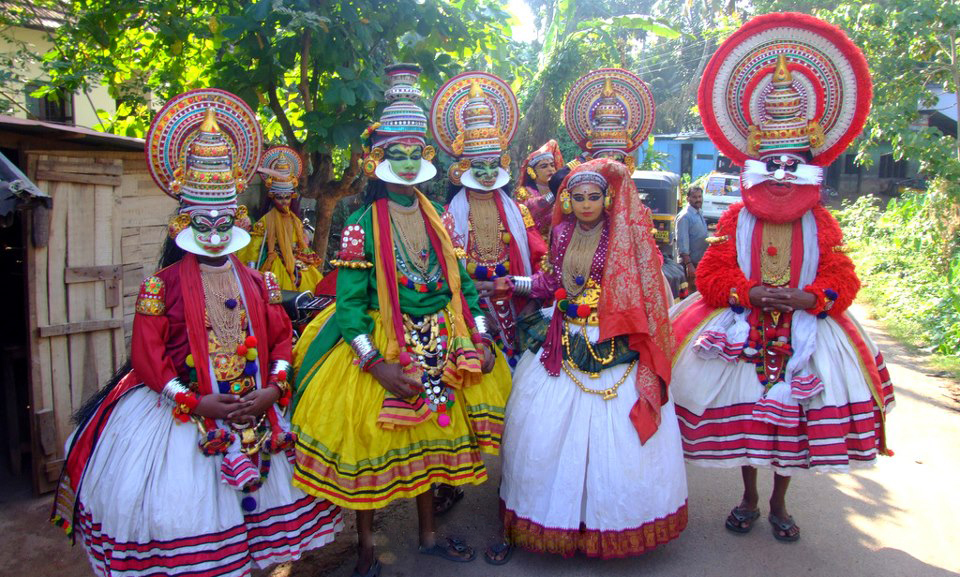
From December to May Kerala comes alive with its colorful Temple festivals. Each Temple has its own lore, ranging from the fantastic to the bizarre, and always involving many people within their communities. Kerala’s classical arts such as Kathakali, Theyyam and Panchavadyam, among others enjoy a frenzied resurrection during the festival season. Continue reading

Bolgatty Palace – Kochi

Photo Credits: Ramesh Kidangoor

Photo Credits: Ramesh Kidangoor

The Bolgatty Palace was built in 1744 by the Dutch and later taken over by the British. Today it is a hotel run by the Kerala Tourism Board. The palace is located on Bolgatty Island, one of the islands that form part of the city of Kochi. It is a two-storied building with well-laid verandas on both sides facing the seas. Set amidst lush, tropical greenery, this Dutch heritage building has the added advantage of a spectacular view of the backwaters.
Continue reading

Snake Worship

Photo Credits: Ramesh Kidngoor

Photo Credits: Ramesh Kidngoor

The origin of snake worship goes way back in history in many parts of India, but only in Kerala is it such a living tradition. In earlier times, in almost every Hindu household the southwest corner of the compound was set apart for a shrine called sarpakavu as the propitiation of the serpent god was considered essential to the wellbeing of the family. There are several legends associated with snake worship; it is believed that soon after Parasurama created Kerala the land with thick forests was inhabited by poisonous snakes. It is believed that people believed they could appease them through worship. Continue reading

Kavadiyattam- Folk Dance

Photo credits: Ramesh Kidangoor

Photo credits: Ramesh Kidangoor

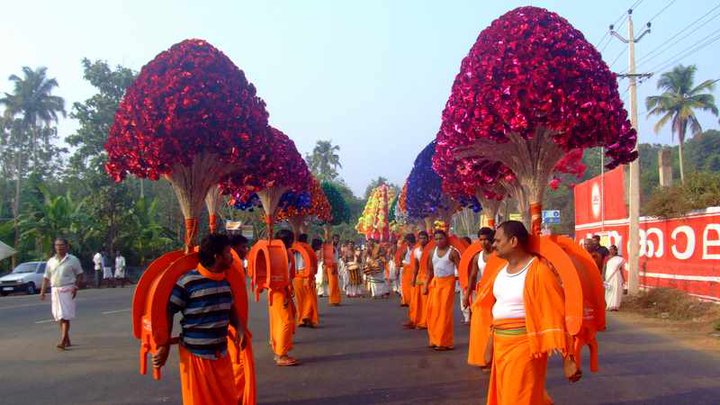
Kavadiyattam is an important folk art in certain pockets of the state. Ash-smeared dancers in yellow or pink-coloured clothes carry ornate, multi-tiered arches on their shoulders and move in procession to the rhythmic beats of the chenda, udukku, thakil and nadaswaram to please Lord Subramanya. Continue reading

Marine Drive – Cochin, Kerala

Photo credit:Ramesh Kidangoor

Photo credit: Ramesh Kidangoor

Marine Drive is considered one of the most beautiful parts of the city of Cochin, with a spectacular view of the backwaters and the Cochin harbour. This scenic strip is the popular hangout for many people with shopping, cinemas, restaurants, supermarkets, the rainbow bridge and a new walkway shaped like a house boat. Continue reading

Velakali – Traditional Dance, Kerala

Photo Credits: Ramesh Kidangoor

Photo Credits: Ramesh Kidangoor

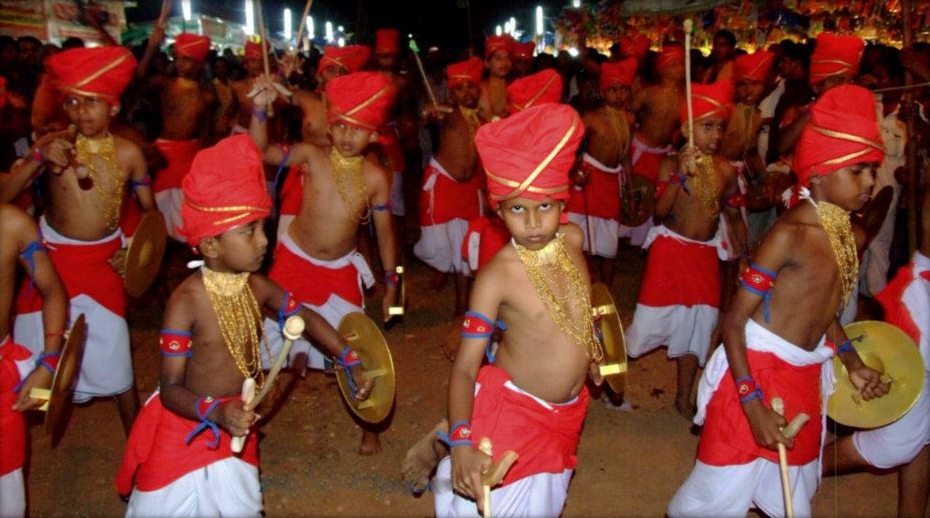
Originating among the traditional warriors of Kerala, Velakali is a ritual artform presented in a temple courtyard. Among the martial folk arts, this is one of the most spectacular and extremely vigorous dances performed in Kerala. Fifty or more dancers dress up as soldiers with colorful shields  and shining swords. Their fabulous attire includes a conical headdress and chests covered with beads and other types of garlands. The dance includes war-like steps in a line to the accompaniment of martial music. Fighting techniques are displayed by coming forward from the line.  Continue reading

Panchavadyam – Rhythms Of Kerala

Photo Credits: Ramesh Kidangoor

Photo Credits: Ramesh Kidangoor

Panchavadyam is an orchestra made up of five instruments, primarily percussion but one wind instrument – chenda, kombu, kuzhal, elathalam and maddalam. Kerala temple festivals are the ideal occasion to witness its entire range of traditional musical expertise. Originally this was the music that accompanied temple processions where caparisoned elephants carried the idol. A panchavadyam performance takes hours, with a pyramid-like rhythmic structure in which the instruments go through five musical stages, or peaks.
Continue reading

Gommateshvara Monolith Statue – Shravanbelagola , Karanataka

Photo Credits: Ramesh Kidangoor

Photo Credits: Ramesh Kidangoor

Shravanbelagola is a famous Jain pilgrimage centre that abounds in monoments. The 17-meter high, 1000-year-old monolithic statue of the Jain saint Gommateshvara, considered to be the world largest monolith stone statue, is situated here. Gommata was the Jain prince who renounced the world in his moment of supreme triumph and victory in war. Pilgrims travel to the site by the thousands to view the statue of this man of great moral strength and virtuous character. Continue reading

Nadumuttom – Central Courtyard

Photo Credits: Manoj

Photo Credits: Manoj

Kerala has an abundance of architectural styles. There are two main features in Kerala houses that make them unique: The first is that domestic architecture follows the style of detached sections. Secondly the evolution of domestic architecture closely followed the trends in temple architecture. A typical house in Kerala is the courtyard type or the Nadumuttom.  Continue reading

Pooja – Hindu Worship

Photo Credits:Ramesh Kidangoor

Photo Credits:Ramesh Kidangoor

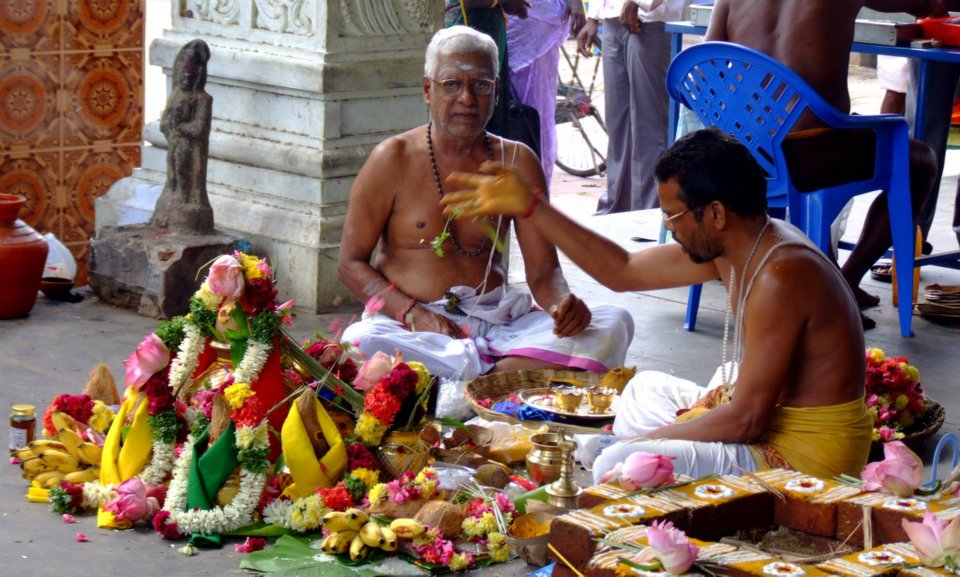
The Hindu view of the universe is a cyclical one and the complex theme of Hindu mythology is dominated by the constant conflict between good and evil. Pooja is a ritualistic worship performed by Hindus as an offerings to various Gods and Goddess. It is an act of showing reverence  through invocations, prayers, songs and rituals. Pooja can be performed in different ways like through meditation, chanting mantras, and offering flowers and fruits. Poojas are regularly performed in Hindu homes, irrespective of caste or status. Continue reading

Vidyarambham – The Beginning Of Learning

Photo Credits: Ramesh Kidangoor

Photo Credits: Ramesh Kidangoor

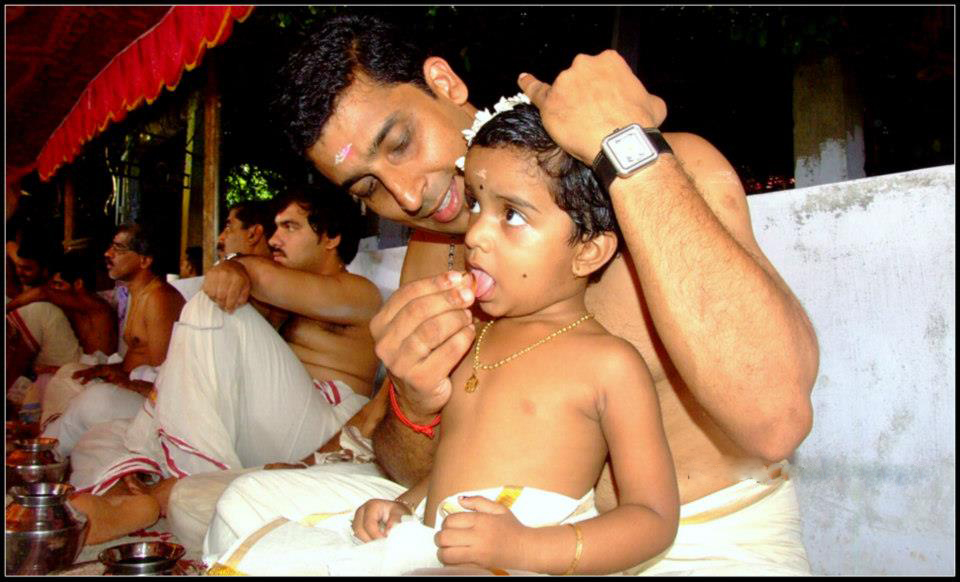
Vidyarambham means the beginning of education, or being initiated into the world of learning. As the auspicious day of Mahanavami approaches, devotees get ready to pray to Sarasvati, the Goddess of Knowledge and Education. On the eve of Mahanavami books and equipment associated with one’s vocation are placed before the Goddess to invoke her help in surmounting obstacles in the path of learning. The ritual of Vidyarambham is performed on the following day, Vijayadashami, which is the last day of the 9-day Navaratri festival. On the Vijayadashmi day from early morning hundreds of children between the ages of three and five are initiated into the world of education in various temples across the state. Continue reading

Flavours Of Kerala – Banana Chips

557298_418938768156506_518875458_n

Photo Credits : Ramesh Kidangoor

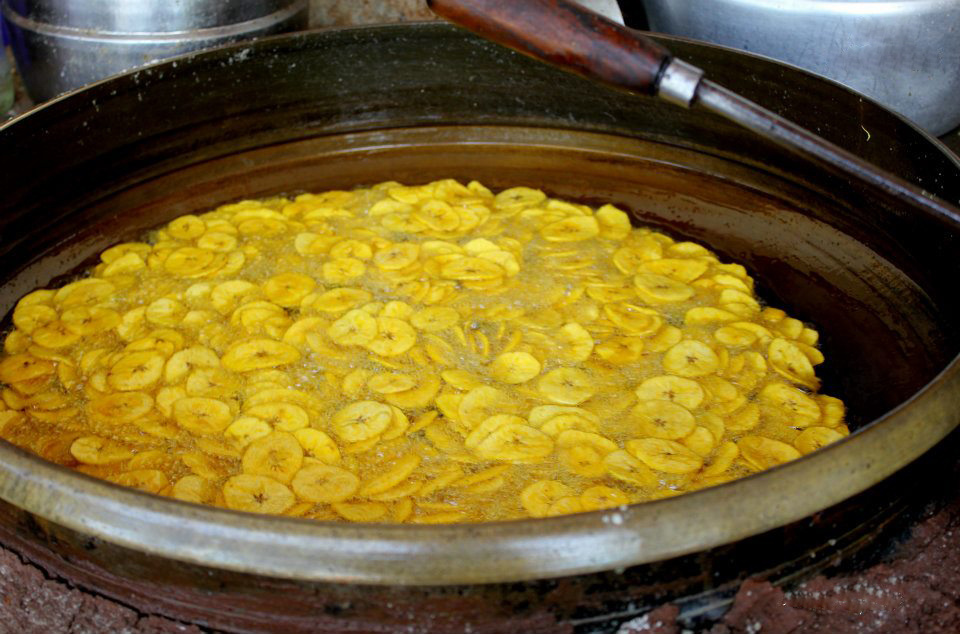
Kerala cuisine is noted for the many snack items to be enjoyed, especially during tea time or in between major meals during the day. Banana Chips are a common example found throughout the state in any bake shop, snack shop or tea stall. They are are also included in the traditional Kerala sadya meal. Continue reading

Festival Of Kerala- Thrissur Pooram (April 21 , 2013)

Photo Credits: Ramesh Kidangoor

Photo Credits: Ramesh Kidangoor

Thrissur Pooram is the grandest of festivals in Kerala, filled with elephants decorated with headdresses, beautifully crafted parasols, decorative bells and ornaments. The atmosphere is set by the ensemble of panchvadyam and pandimelam; the riveting orchestras  dominated by percussion. The fireworks display in the early hours of the day following the pooram will rival shows held anywhere in the world. The Thrissur Pooram takes place every year in the Vadakkumnathan temple. Continue reading

Uthralikavu Bhagavathy Temple – Kerala

Photo Credits: Ramesh Kidangoor

Photo Credits: Ramesh Kidangoor

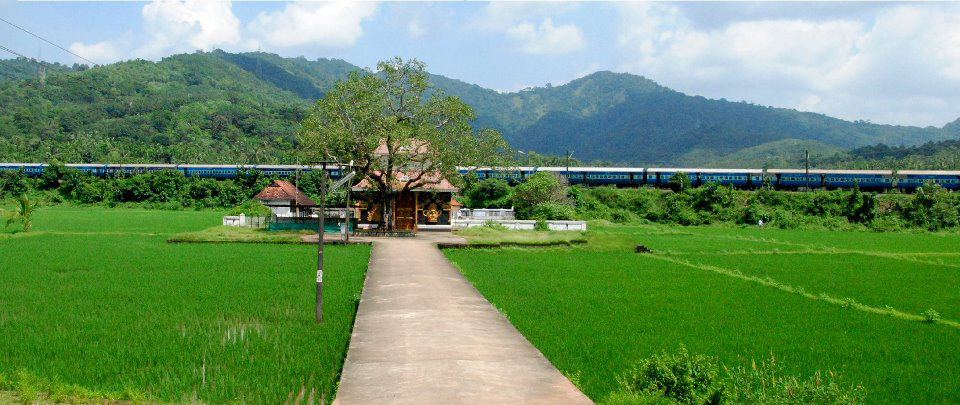
Uthralikavu is a Devi temple surrounded by paddy fields near Thrissur. The Uthralikavu Temple Festival is one of the most popular temple celebrations in central Kerala. The annual pooram festival is conducted by three villages near by. The temple is dedicated to Goddess Sri Rudhiramahakali. Continue reading

Shravanbelagola – Jain Temple, Karanataka

Photo Credits: Ramesh Kidangoor

Photo Credits: Ramesh Kidangoor

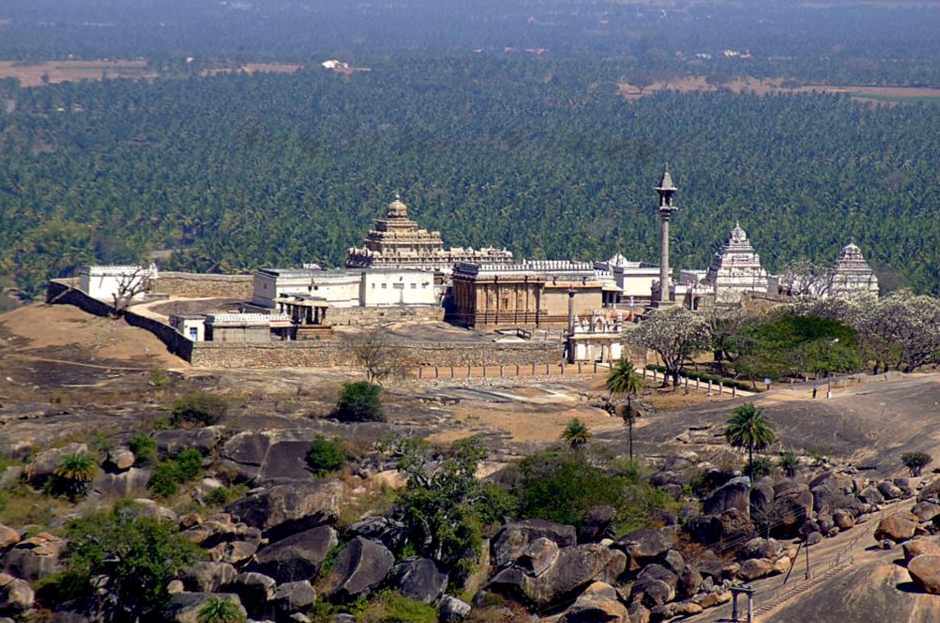
Located strategically between the two hills of Chandagire and Indragiri near Hassan, the picturesque hill town Shravanbelagola is a renowned site for Jain pilgrimages. This Jain temple was built in 983 AD by Chandragupta Maurya, the grandfather of the Great Ashoka. Continue reading