Nutmeg (Myristica Fragrans)

The Nutmeg Tree is an evergreen aromatic which usually grows up to a height of 15-20 meters. Nutmeg and mace are two distinctly different spices produced from the same tree- the nutmeg being the actual interior nut, while mace is the red lacy covering beneath the outer shell. Although it is now cultivated throughout most of the south Indian states, the tree is a native of Moluccas, an island in the Indonesian archipelago. It thrives in hot and moist climates at low elevations.

Continue reading

Black – Eyed Susan Vine (Thunbergia Alata)

The Black Eyed Susan vine is native to tropical countries and naturalized in India. The twiner is often seen among hedges as well as on the ground. The leaf paste of this  plant is used in traditional medicine. It is commonly grown in gardens, plains and hills.

Continue reading

Rock Balsam (Impatiens Acaulis)


Rock Balsam is native to Peninsular India. It grows widely in the Western Ghats, occurring in small or large clusters in the hills up to 800 – 2400 meters on wet rock faces. The lavender flowers are showy and stand out daintily from the rounded heart-shaped leaves.

Kovalam Beach

Kovalam lies 16 kms  south of Thiruvananthapuram, Kerala’s Capital.  Three crescent shaped beaches surrounded by rocky outcroppings form the main attraction of this coastal resort. The coast is backed by steeply rising headlands covered in verdant coconut palms, especially the southernmost Lighthouse Beach. The green hinterlands provide a refreshing backdrop to the white sandy beaches, offering privacy and seclusion.

Pineapple (Ananas Comosus)

Pineapple is one of the most popular fruits worldwide and it’s widely cultivated throughout Kerala. The flesh and juice of this fruit are used in various of the state’s cuisines. During season it’s not uncommon to see them by the truckload on road sides.

Continue reading

Beauty of Munnar

The hill station Munnar lies 1600 metres above sea level, making it the perfect summer resort of the British Administration in South India before independence. Now famous for its tea plantations Munnar retains its colonial charm. With its sprawling estates, rolling hills, sparkling waterfalls, picture postcard hamlets and undulating valleys, Munnar has all the makings of an idyllic holiday destination.

Continue reading

Dhobi’s Kerchief (Mussaenda Glabrata)

Dhobi’s Kerchief is native to the Western Ghats, thriving in forested hilly tracts. Although the shrub flowers during mid- monsoon and early winter, the white bracts may be seen on the plant throughout the year.  Its leaves and fruits are used in traditional medicines, and the shrub is the food plant for the commander butterfly.

Continue reading

Marigold (Calendula)

Marigold is a tropical plant found widely throughout south India. The beautiful flowers are mainly cultivated for commercial purpose as temples offerings. It comes in different colors, yellow and orange being the most common. This flowers has a strong pungent odor that is not only used in cosmetics and herbal medicines but in gardening as a natural pest deterrent.

Continue reading

Earliest Inhabitants

Tribals have been an integral part of the Wayanad district for thousands of years. Its earliest settlers were the tribes of Adivasis, which are divided into various sects such as Paniyas, Kurumbas, Adiyas and Kurichyars. It is currently estimated that nearly 400,000 tribal people live Wayanad.  The sects are physically distinguisable with their dark skin and stout builds. Tribal dwellings recreated on the adjoing grounds of the wildlife sanctuary offer a glimpse into their traditional life.

Continue reading

Kumarakom Bird Sanctuary

Kumarakom Bird Sanctuary is located in Lake Vembanad, the largest fresh water lake in India and second largest in south Asia. Set against the backdrop of rich green paddy fields and still grey waters, the 14 acre sanctuary is the home for many species of birds.

Continue reading

Wayanad Wildlife Sanctuary

Located on the southern tip of the Deccan plateau, Wayanad is packed with scenic beauty. The region includes  sub-tropical savannahs, thickly wooded hills, evergreen forests, rolling paddy fields in the valleys and verdant spice plantations in the heights. Blasted by wind and lashed by rain, Wayanad spreads across 2,132 square kms of the lofty Western Ghats and is recognised for its biodiversity. Continue reading

Dahlia

The dahlia is a tropical plant widely cultivated in the Western Ghats of India. In Kerala, as in locations around the world, the plant is popular for its beautiful flowers. This decorative flower is found in gardens and farms of the high ranges, creating a kaleidoscope of colours, sizes and shapes.

Continue reading

Poothan-Thira Kali

Kerala offers a veritable array of the performing arts, most of them springing from folk tradition. Though often related to religious rituals and mythological stories, they are also very much the language of the  people. Dramatic costumes, vibrant colours, throbbing music; watching a folk dance is an unforgettable experience. Poothan-Thira Kali is one of the popular ritualistic dances of North Kerala. Continue reading

Idukki Dam Reservoir

The Idukki Dam stands between the two mountains Kuravanmala and Kurathimla,839 metres high and 925 metres high respectively. The dam is situated near the Cheruthoni Barrage, with the Kulamavu Dam to its west. These three together extend between rocky hills to form the largest reservoir in Kerala. Idukki District is known for its dam and also for being Kerala’s forest district with an astonishing 50 percent of its total area under green cover. Idukki Dam is the world’s second and Asia’s first arch dam. This reservoir and the famous Idukki Wildlife Sanctuary are located 50 kms from the Periyar Tiger Reserve. Continue reading

Tree of Life

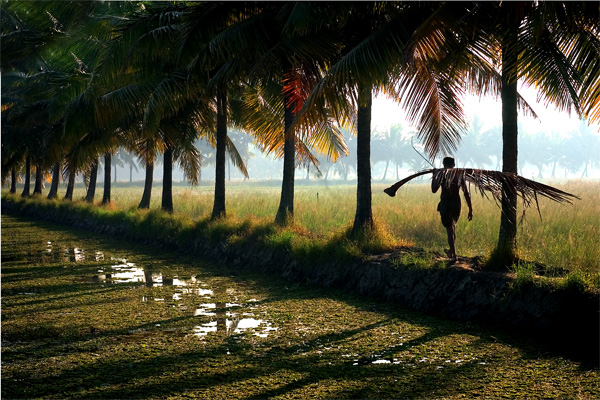
Kerala is one of the leading producers of coconut in the world, producing thirteen billion nuts per annum. Not only is the tree an iconic fixture of the Kerala landscape dotted with green palms and their swaying fronds but this tree is an integral part of the state economy.  Numerous products and by-products are derived from all parts of the tree, providing food, shelter and fuel, as well as the raw material for various local crafts. Not surprisingly, in Malayalmam this multi-faceted tree is known as kalpakavriksham or the “Tree of Life”.

Continue reading

Lake Periyar

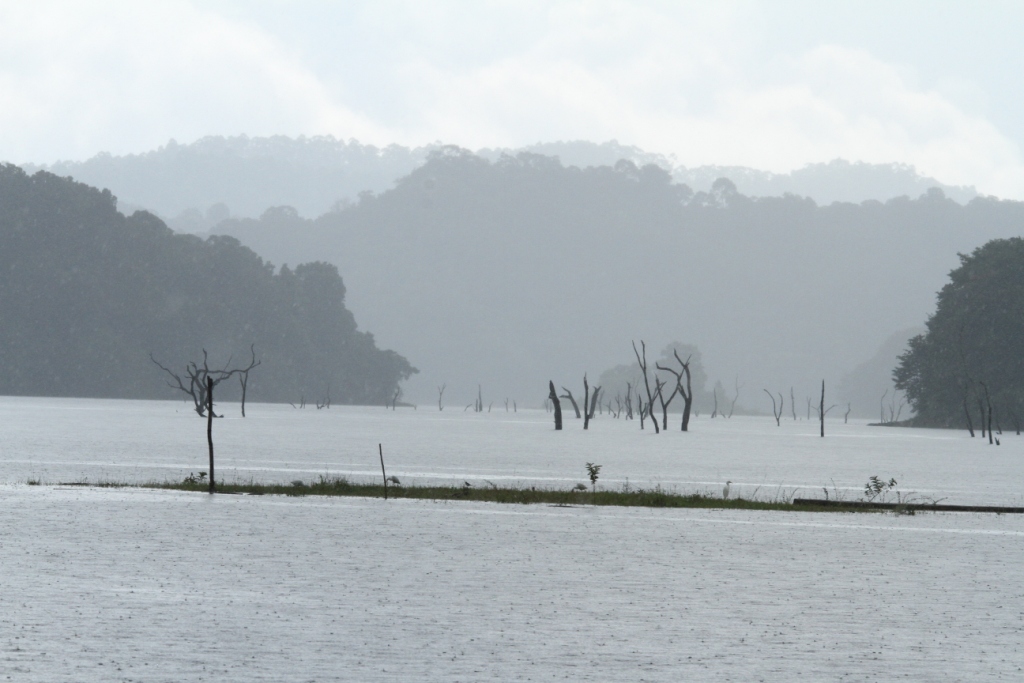
The Periyar River originates in Kerala’s Western Ghats near the Tamil Nadu border and then flows in the northerly direction to the Periyar National Park. The Periyar Lake was created by the British in 1895 with the building of the Mullaperiyar and forms a major watershed for the sanctuary and for both states.  The lake forms the nucleus of the reserve,  providing a great habitat for water birds such as darters, grey herons, egrets, cormorants and kingfishers. Continue reading

Aralam Wildlife Sanctuary, Kerala

This slideshow requires JavaScript.

Aralam Wildlife Sanctuary is located in the north of Kerala near Kannur. It is one of the state’s smallest wildlife sanctuaries, with an area of just 55 square kilometers.  It makes up for its small size with a privileged location on the western slopes of the Western Ghats, an area famous for a wide variety of flora and fauna. Aralam fauna includes mammals such as elephant, bison, deer, wild boar, jungle cats and leopards. Additionally a wide variety of flora is also found in the evergreen areas of this sanctuary.

Silent Valley National Park, Kerala

Photo by Mr. Vijay Mampilly

Silent Valley National Park is located along the western corner of the Nilgris Mountains in the Palakkad District and remains one of the last vestiges of an undistributed tropical evergreen rainforest in Southern India.

Continue reading

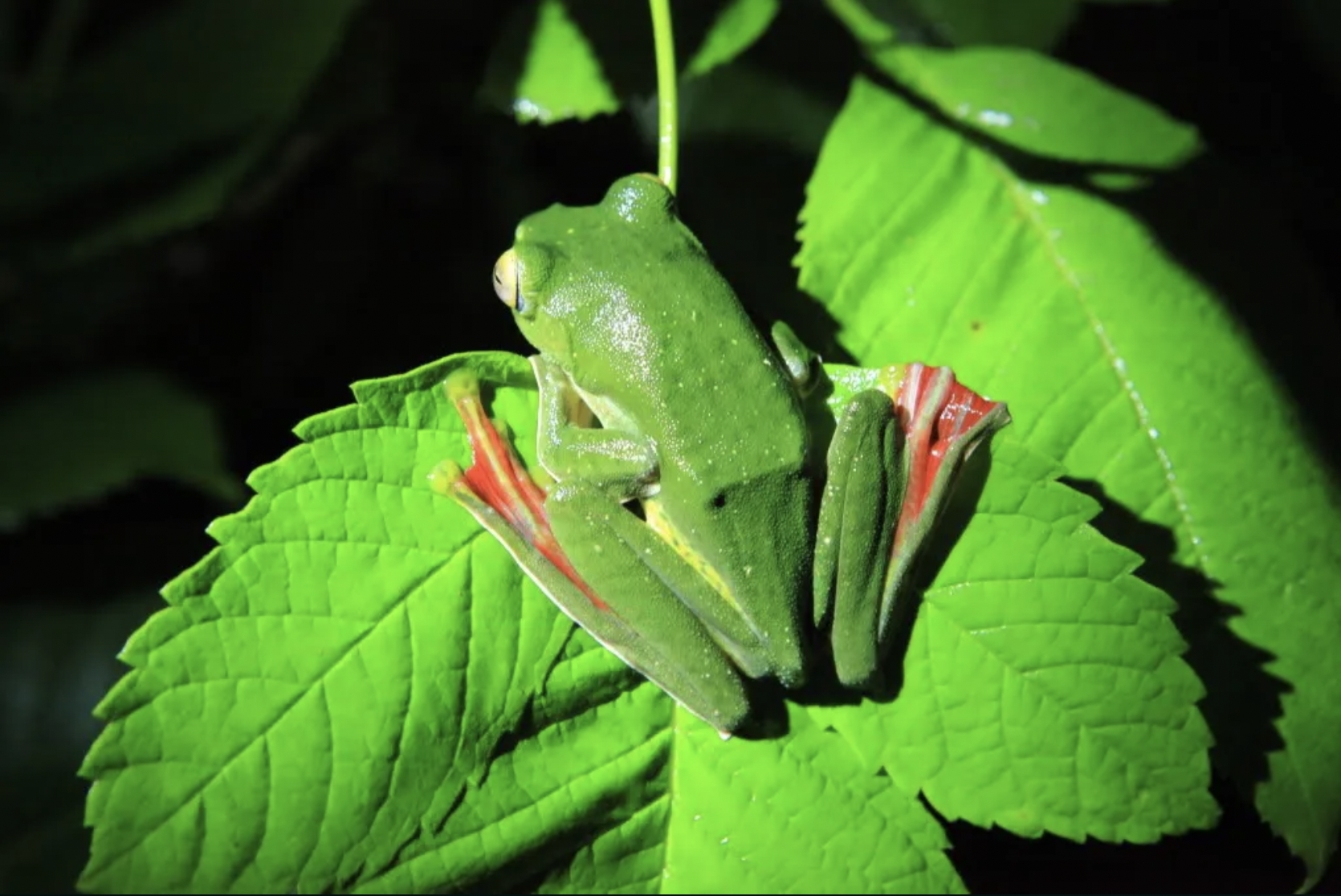
Malabar Gliding Frog (Rhacophorus malabaricus)

Malabar gliding frogs are widely distributed in the Western Ghats of India, primarily in evergreen and semi-evergreen forests at altitudes between 500 to 1200 meters above sea level. These pictures were taken at the Aralam Wild Life Sancatury near Kannore.

Continue reading