
Poinsettia flowers are a very common ornamental plant naturalized in the Western Ghats of India. These flowers are popularly used during the Christmas season to decorate churches and homes. In Kerala, it is cultivated for this use.
Poinsettia flowers are a very common ornamental plant naturalized in the Western Ghats of India. These flowers are popularly used during the Christmas season to decorate churches and homes. In Kerala, it is cultivated for this use.

Athirappally Waterfalls is one of the Kerala’s famous picnic spots. Fed by the Chalakkudy River, this 80-85 feet high wonder is situated in the forest area of the Sholayar ranges. During the monsoon season the falls are a thundering wall of water. Many people visit this refreshing site to unwind with its sound and spray.

The Nadaswaram is a unique instrument in many traditional South Indian and Hindi ceremonies. Today, it is constructed primarily from bamboo, but materials such as sandalwood, copper, brass and ivory are historically included. This instrument is made of three parts: kuzhal, thimiru and anasu. All of these parts combine to make to the double-reed, bell shaped instrument that creates music with a range up to two and a half octaves. Because of its intense volume and strength, the Nadaswaram is most often enjoyed outdoors, but one thing is certain: the sound it produces is sure to be music to many ears.

Madurai, a city in the Indian state of TamilNadu, is commonly known as temple city as the Meenakshi Amman temple is situated there. The main deity of the temple is Meenakshi, the avatar of Goddess Parvati, spouse of Lord Shiva. The story behind the temple and Meenakshi is as follows. According to the legends, this avatar of Goddess Parvati was an answer to the devotion of King Malayadwaja Pandya and his wife Kanchanamalai, for their request for parenthood. They were granted a girl but she was three breasted. The worried king approached Parvati in prayer and a call from heaven answered that the third breast will disappear once she found her consort. Continue reading
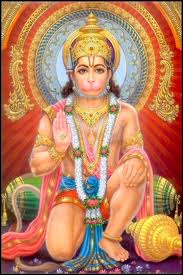 According to the Hindu epic ‘Ramayanam’, Hanuman was born to the queen Anjana Devi (a supernatural woman cursed into a monkey’s form) and her spouse King Kesari. Anjana, who was childless, prayed to Lord Shiva to give her a child. After her long devotion to Shiva, Vayu Bhagvan Mayut (the God of wind) granted her a son. Hence the boy was also known as Pavan putra, meaning Pavan-wind, putra-son. Continue reading
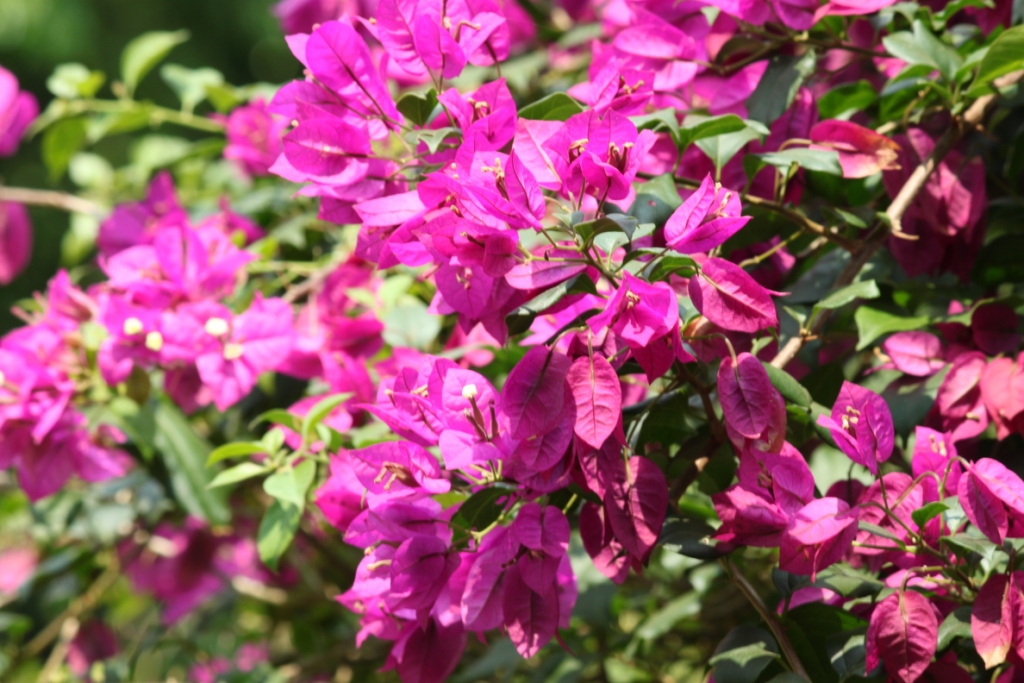
Bougainvillea flowers are very common and popular in the Western Ghats of India. This beautiful plant thrives in both dry and humid climates, making them a popular ornamental in numerous parts of the world. The flowers attract butterflies and other nectar eating insects and birds, as well as being the food plants for moth as well. In Kerala local people grow bougainvillea at home as it is a pest-free plant with a color palette for any garden.

Lord Ganesh is the son of Lord Shiva and Goddess Parvati. (The birth order of their children differs based on region: In northern India, Murugan is often said to be the elder, while in the south, Ganesha is considered the first born.)
Ganesh was the beloved son of his mother Goddess Parvati and according to the legends he was made from the dust rubbed from her body mixed with sacred oils during a time when Lord Shiva was away in meditation. Especially Parvati made him for her protection, as a security guard. She created her son in completely human form. The legend behind his elephant head is as follows: Goddess Parvati was taking her bath and Lord Ganesh was asked to not allow anyone to pass until she finished. Lord Shiva returned from his meditation and summoned Parvati to him. Not knowing his father, Ganesh refused him. After several attempts Lord Shiva got infuriated and cut off Ganesh’s head. When Goddess Parvati found her son dead, she ordered Shiva to restore him. Lord Shiva said he could grant the wish, but that the boy’s head had been destroyed and the only option was to use the head of another on his body. Lord Shiva sent his messengers through the camp to bring him the head of any creature that slept facing north. They found only a sleeping elephant and they returned with its head. Shiva attached it to the body of the boy and restored him to life and Lord Ganesh is recognize by his elephant’s face today. Continue reading
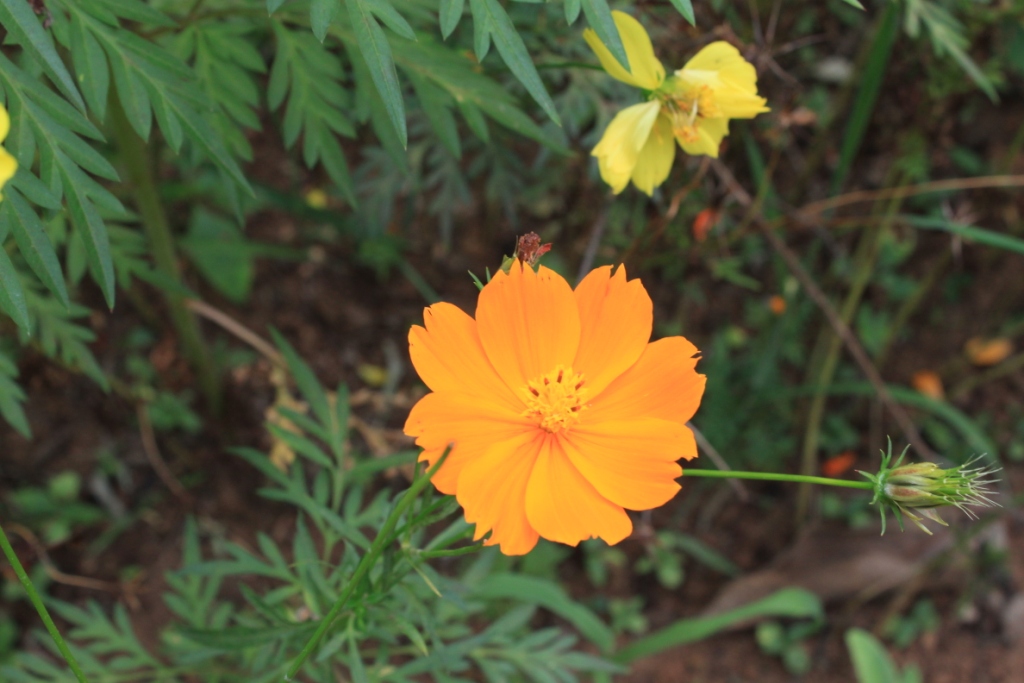
Cosmos are naturalized all over the Western Ghats of India. These flowers are a feast for pollinators such as butterflies and bees. Their frequent use as an ornamental in the gardens of Kerala indicate their popularity among people as well!

Lord Shiva is one of the three powerful Gods of Hinduism, with Lord Vishnu and Lord Brahma. According to the epics of Hindu tradition he has the power to transform and destroy the creatures in the world.
In ancient times he took many avatars to destroy demons and it is believed that those who worship him regularly will receive his blessings in the form of “boons”, or wishes granted. He is often represented with the River Ganga on his head and a snake round his neck, illustrating his powers against poison. He has an eye in the middle of his forehead which he opens when angered, ejecting a rain of fire. In Malayalam this eye is called Netrikkan. He is also the father of Lord Ayyapan, the famous deity of Sabarimala temple.

The roads through the Western Ghats in Kerala are hilly and serpentine. These photos were taken along those winding routes heading to the neighboring state of Tamil Nadu. The route across the border goes through Kumily, Lower Camp, Gudalur and Cumbum, with Kumily being the border town in Kerala and the rest located in Tamil Nadu.
The distance from Kumily down into the valley is only 6km. The huge pen stock pipes that bring water from Mullai Periyar Dam to the power house in Lower Camp can be seen on this drive; a view that shows a part of the unique relationship between the two states. Continue reading

Kerala has an extensive network of waterways covering a distance of approximately 560 km. Besides the large inland lakes, the backwaters include the whole network of canals and waterbodies made by the unique craftsmanship of nature. The lifestyles along these waterways has given rise to a popular but easy going form of tourism. The photos in this post are taken from Alappuzha (Alleppey), the smallest district of Kerala. Continue reading

White hibiscus is a small shrub which normally grows to a height of 15-20 feet commonly naturalized in the Western Ghats of India. This single white flower blooms throughout the year and is slightly fragrant. In Kerala, it is mainly grown in homes and spice gardens as an ornamental plant.

Indian Leopard at Wayanad Sanctuary
Indian Leopard comes under one of the categories of five Indian big cats, which are massively spreaded on the Indian sub-continent. Preferring dry, deciduous areas with significant amounts of rainfall these leopards inhabit tropical rainforest upwards of 2200 meters above sea level. Continue reading
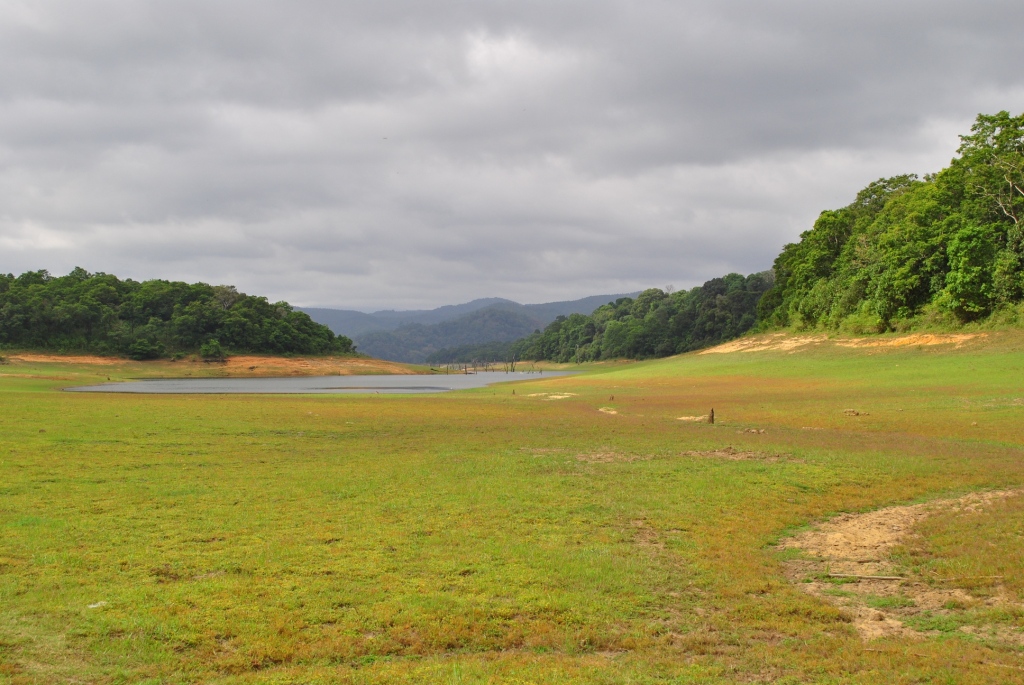
One who loves Nature Mother will love this walk, especially during monsoon. You feel the soft earth on the bog, hear the whispering movements in the forest and smell her flowers everywhere. Nature Walk is a three hour trek which passes through evergreen and moist deciduous forests interspersed with marshy grasslands in Periyar Tiger Reserve. The trail normally covers 4 to 5 km area of Reserve escorting along with a tribal forest guide. This program offers an excellent opportunity of Bird watching, butterflies and other wildlife of Periyar Tiger Reserve. Continue reading
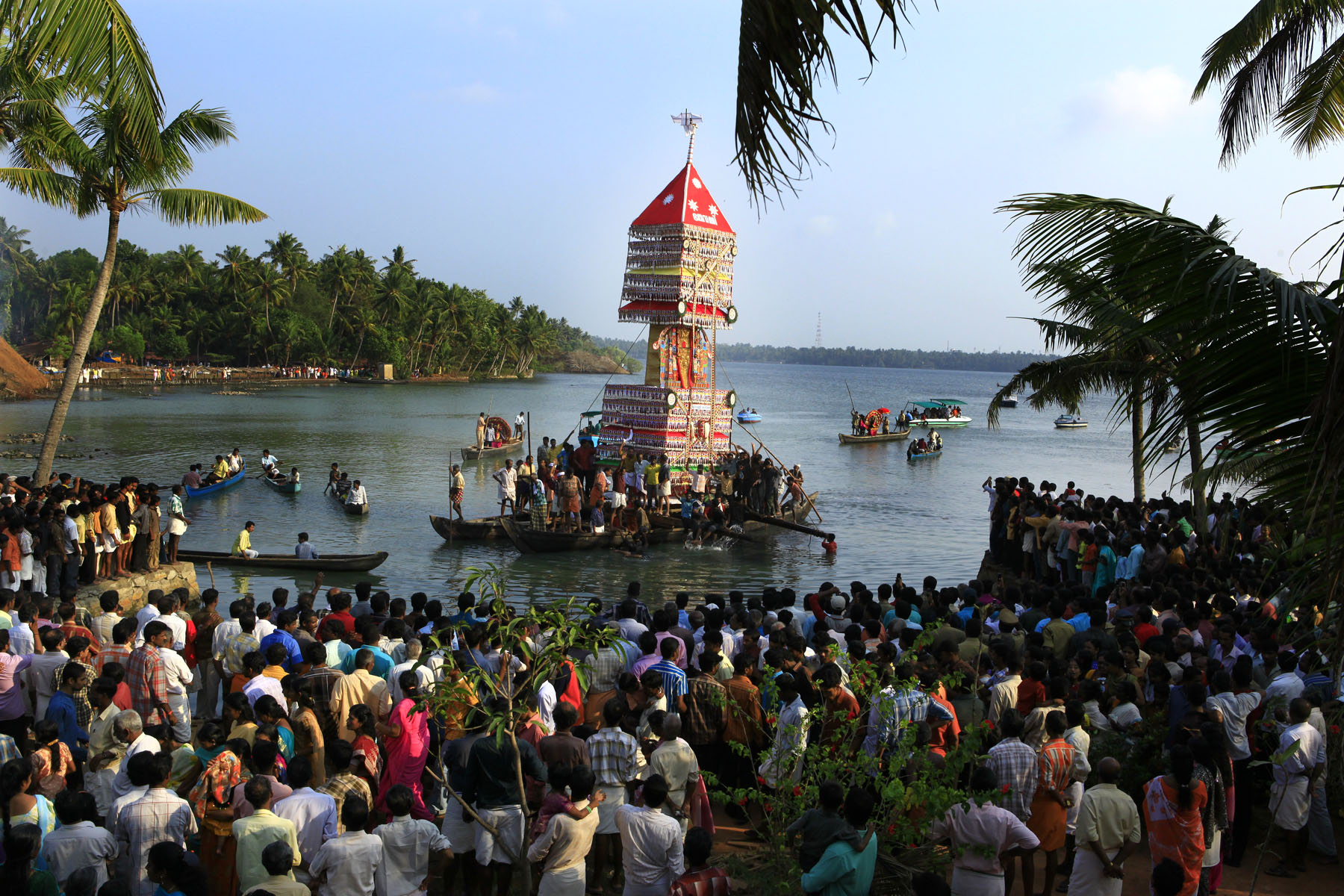
During the Malayalam month of Kumbham and Meenam (February & March), a special Keralan temple festival draws the faithful to the Allepy and Kollam districts. This festival, Kettukazhcha is a time where devotees of Goddess Parvathy bring offerings from their paddy field. At the temple of Chettikulangara they use sculpted and decorated forms of six temple cars known as ‘Kuthiras’, five ‘Therus’ (Chariots ) to represent the architectural skills of the ancient people of Chettikulangara. Continue reading
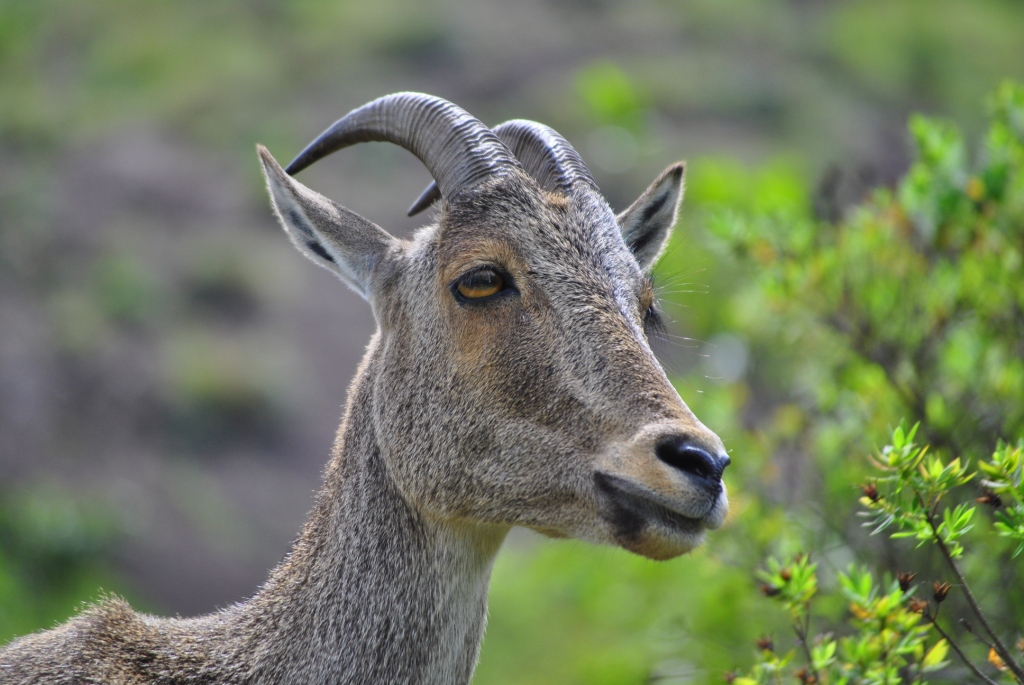
The Nilgiri tahr is a wild goat commonly found in India’s Western Ghats at elevation of 1200m-2600m. These animals can be found in abundance in Eravikulam National Park, Kerala. Female Nilgiri tahr are short with smaller curved horns comparing to males. It is the state animal of Tamil Nadu (one of the southern states of India). These photographs were taken at the national park during a staff tour to Munnar.
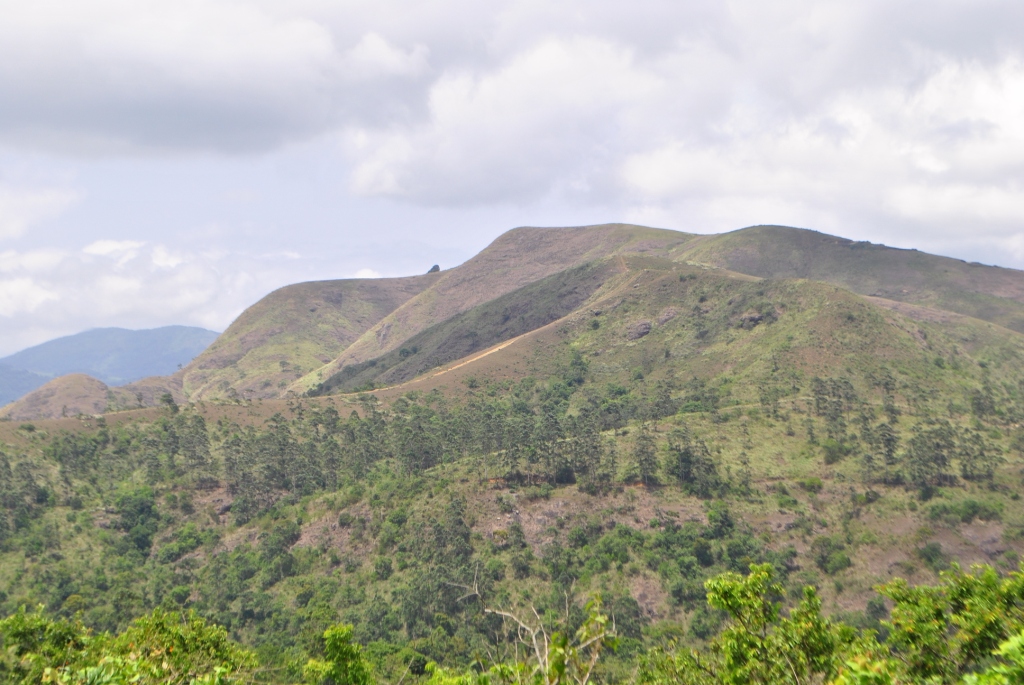
The Border Hike is a full day trek inside the Periyar Tiger Reserve along the border of Kerala and Tamil Nadu (one of Kerala’s neighboring states), exploring the length and width of Periyar. The route passes through undulating terrains, at altitudes ranging from 900m to 1300m. Trekkers enjoy looking from the slopes and hills down onto the forest and the vast plains below. Continue reading

Spiral ginger is an herbal plant which is naturalized in India’s Western Ghats. The entire plant has medicinal properties which is mainly used in curing skin diseases. The oil extract from the roots is directly applied on the affected area. The fragrance of the plant is like ginger and hence bears the name. Continue reading

Ochira is a distinctive place of worship in the district of Kollam in Kerala. The Ochirakkali is a temple festival celebrated there which commemorates the historic battle between the kings of Travancore and Kayamkulam. It is a mock fight enacted between groups of two men dressed as warriors in the padanilam, the Malayalam word for battlefield. Men, irrespective of age, engage in mock duels wielding wooden sticks on a vast ground filled with water up to knee level. The concept of this festival is to be aware of the universal consciousness. The festival begins in the months of June and July.

Heliconia caribaea is tropical plant naturalized in the Western Ghats of India. In Kerala, it is commonly popular for its beautifully colorful flowering bracts. It is often grown as a decorative flower for bouquets as it can last for 6-7 days. The flowers are highly modified into a shellfish claw shape and only the sunbirds feed off their nectar. Continue reading
 Organikos