Backwater Fishing

Kerala is a land of rivers, lakes, lagoons, rivulets and beautiful canals filled with rich and diversified fish fauna, many of which are rare and endemic species. Fisherman ply the Vemabanad Lake, Ashtamudi Lake and Kayamkulam Lake as well as the backwaters still using using traditional methods, including Chinese fishing nets as well as small nets that are cast by hand.
Continue reading

Flower Show – Thekkady

This slideshow requires JavaScript.

Thousands of people in and around Thekkady including locals, foreign tourists, students and nature lovers enjoyed the decorated show which included nearly 150 varieties of flowering plants such as Marigold, Dalia, Rose, Hibiscus, and Portulaca. The Agri-horticultural Society of Thekkady has been organizing the Flower Show for the past 5 years. This is the sixth edition of the 10 day event, which ended yesterday.

Continue reading

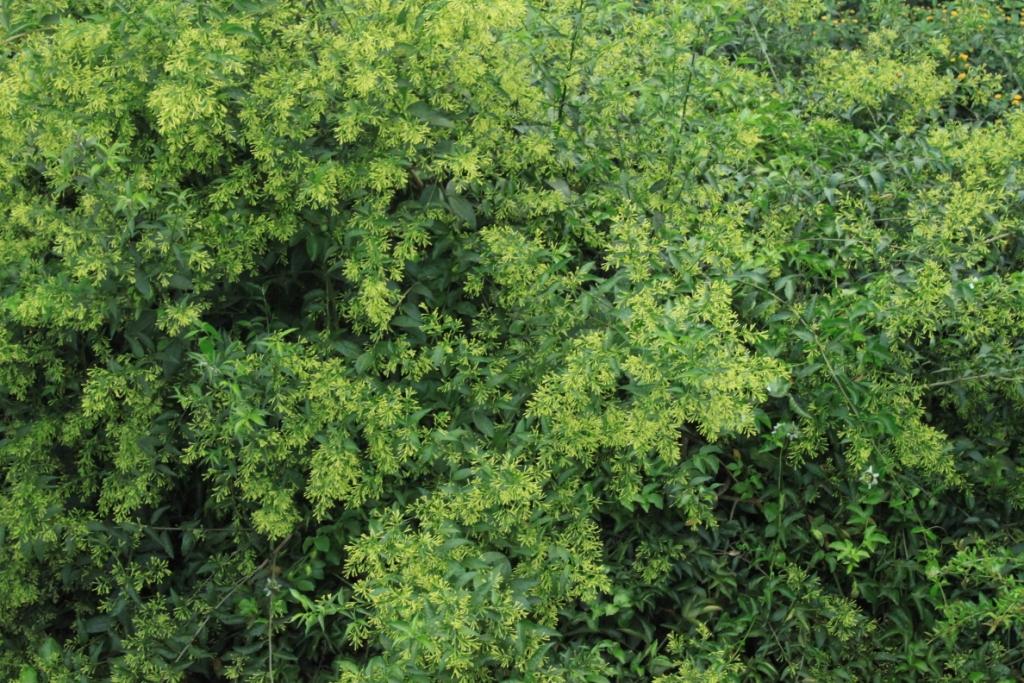
Night Blooming Jasmine (Cestrum nocturnum)

Night blooming Jasmine is an ornamental, evergreen shrub with a woody base that grows up to 13 ft tall. Frequently found in the Western Ghats of India, this nocturnal plant is also known as Lady of the Night or Queen of the Night due its heavily perfumed flowers that can be smelled from the distance of 10 to 15 yards.

Continue reading

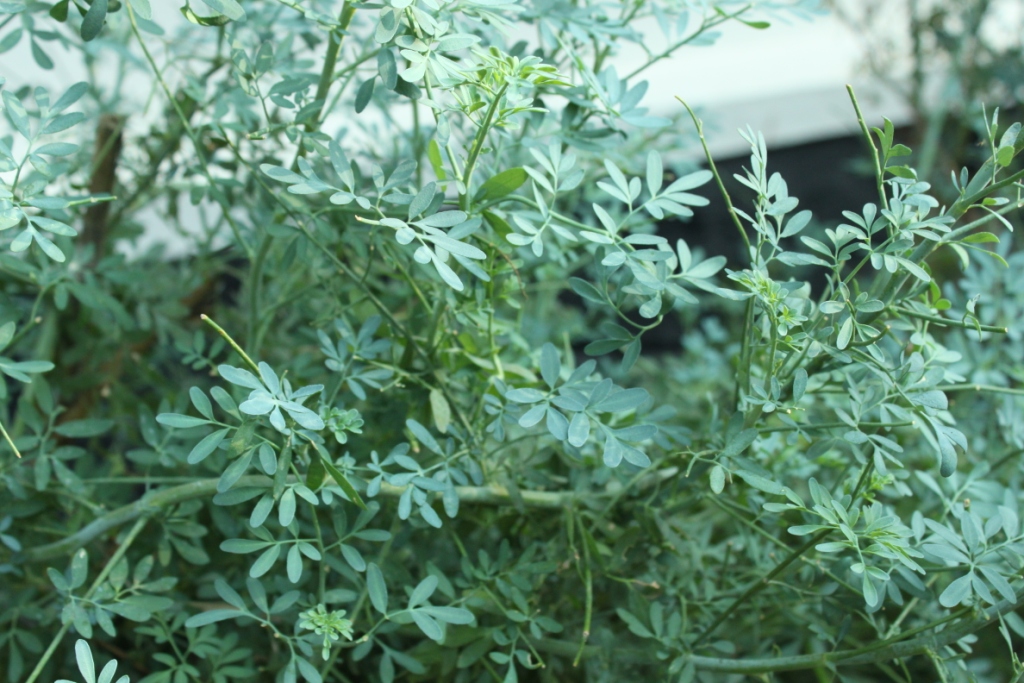
Common Rue (Ruta graveolens)

Common Rue is a perennial herb which grows up to 2-3 ft in height. This native of Southern Europe has established well in India’s Western Ghats.  Its aromatic, evergreen bluish-green leaves have medicinal qualities, and the yellow flowers and fruits blossom from June to September.

Continue reading

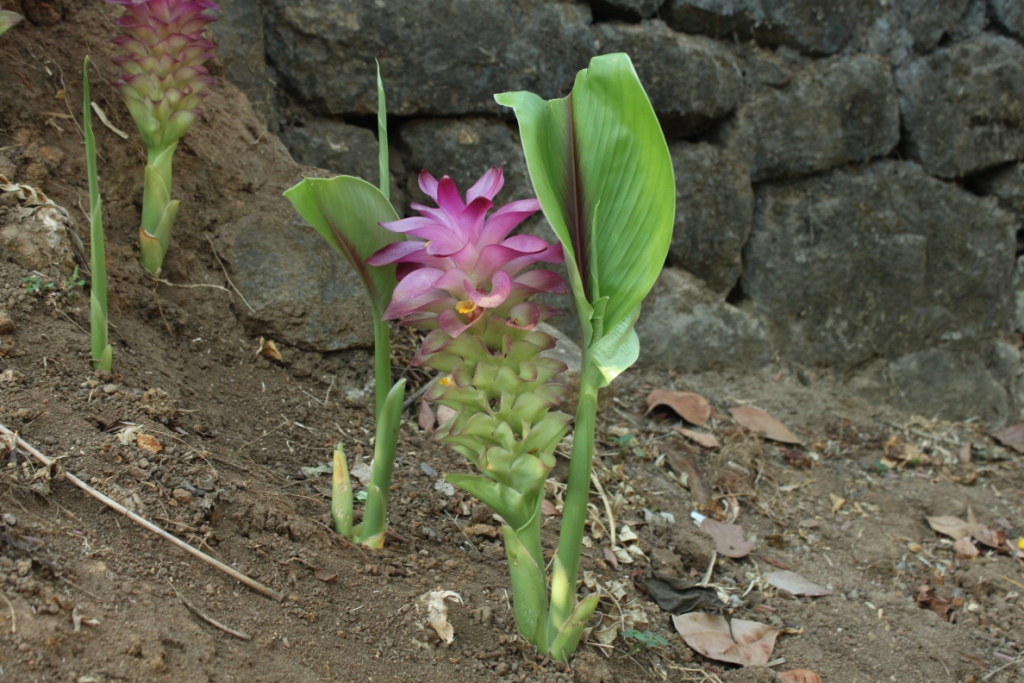
Hill Turmeric (Curcuma pseudomontana)

Hill Turmeric (Curcuma pseudomontana) is a tall 60 to 70cm perennial native to the Western Ghats which is commonly found in forested slopes. The attractive bright yellow flowers are borne among mauve-purple bracts.

Continue reading

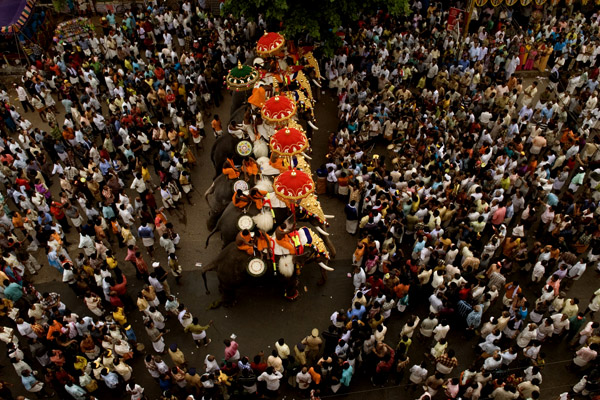
Pakal Pooram – Glimpse of Thrissur Pooram

Photo: Joshy Manjumel

Pakal Pooram is a small-scale version of the grand Thrisssur Pooram.  The Pakal Pooram (Day Pooram) pictured above took place last December in Thekkady as a tourist attraction.

Elephants have been the part of the cultural ethos of Kerala for centuries. The people of Kerala consider this animal a harbinger of good fortune, a remover of obstacles and as a representative of the god Ganesh, an inseparable and integral part of religious and economic life.

Continue reading

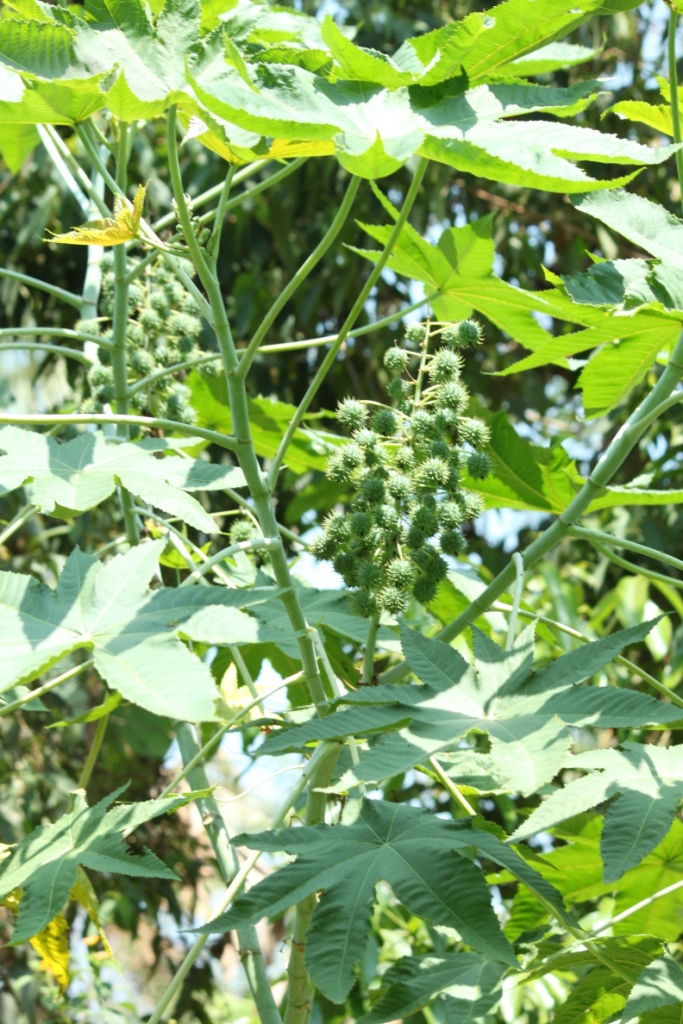
Castor plant – Ricinus Communis

The Castor plant is a very strong, sturdy plant growing throughout tropical regions, common along stream banks, riverbeds, bottomlands and any hot area where the soil is well drained. This fast growing plant grows to a height of 6-15 feet in one season and can reach the height of 39 feet. It can live for many years in mild climates, and can become quite woody, like trees.

Continue reading

Butterflies of Kerala – Common Emigrant

Male Common Emigrant

This butterfly is the most common among the six species of Grass yellows that are found in Kerala. Though often found flying languidly over grassy patches, this small, fragile insect has nothing to do with grass. Its food plants are Cassia legume and other legumes. It is on the wing throughout the year, except during winter extremes. It is often seen on garden flowers and on damp patches where the mud is puddled.

Continue reading

Areca Nut – Areca Catechu

The Areca Nut palm tree is an unbranched, erect, medium sized monoecious (unisexual) tree growing in humid tropical regions. Its has fragrant, white flowers that mature into olive shaped, reddish-orange fruit, about 4-5 cm long in which lie the areca nut. The areca nut is a major commercial crop in India. These are often chewed along with betel leaves and hence are also called Betel Nuts.

Continue reading

Latex- Rubber Tree (Hevea brasiliensis)

The latex rubber tree is a tropical plant native to South America and South East Asia, which is the primary global source of natural rubber. Kerala has over 110,000 acres of land under rubber cultivation – annual production is about 690,000 tons – over 92% of India’s natural rubber.

Continue reading

Periyar Sightings: April 12, 2012

This slideshow requires JavaScript.

Mr. David and Anbella from Luxemburg shared their experience of Periyar with us:

We stayed at Cardamom County and took a visit to the Periyar Tiger Reserve. We were happy to spot many birds and wild boars. Our main goal was to spot elephants, which was unfortunate for us because the forest guide told us they hadn’t been sighted for the past two days. Anyhow we enjoyed the wildlife we did see, even though we didn’t find the elephants. – Mr. David

Common Sunflower (Helianthus annuus)

Native to North and South America from the genus of Helianthus, the Sunflower is an annual herbaceous plant which grows 1- 4.5 meters high. The immensely popular flat, platelike flower can grow up to 6 inches wide and is actually made up of a tight series of compound flowers that will mature into edible seeds. The Sunflower is named for both its obvious sun shape and for the way the buds and leaves exhibit heliotropism,  following the sun from east to west throughout the day. (The mature flowers remain facing east.)

Continue reading

Mohiniyattam – Classical Dance of Kerala

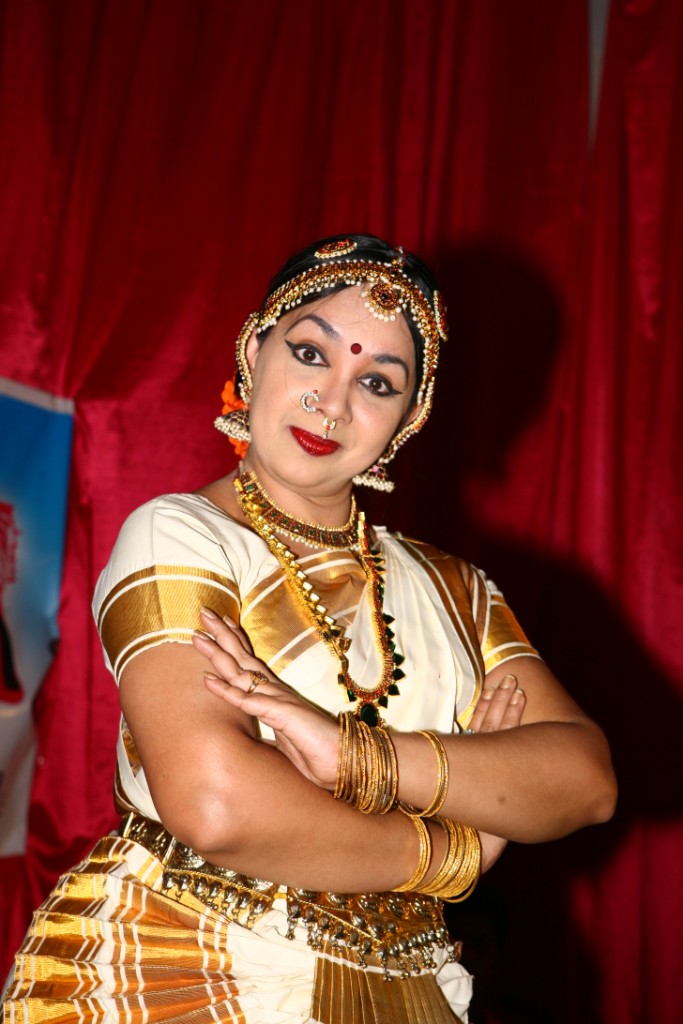
Mohiniyattam is a classical dance form which is believed to have originated in Kerala. Mohiniyattam is a fusion of Bharthanatyam with the dynamism and vigour of Kathakali. This dance performed solely by women was once only seen in Temples and Royal Courts.

Continue reading

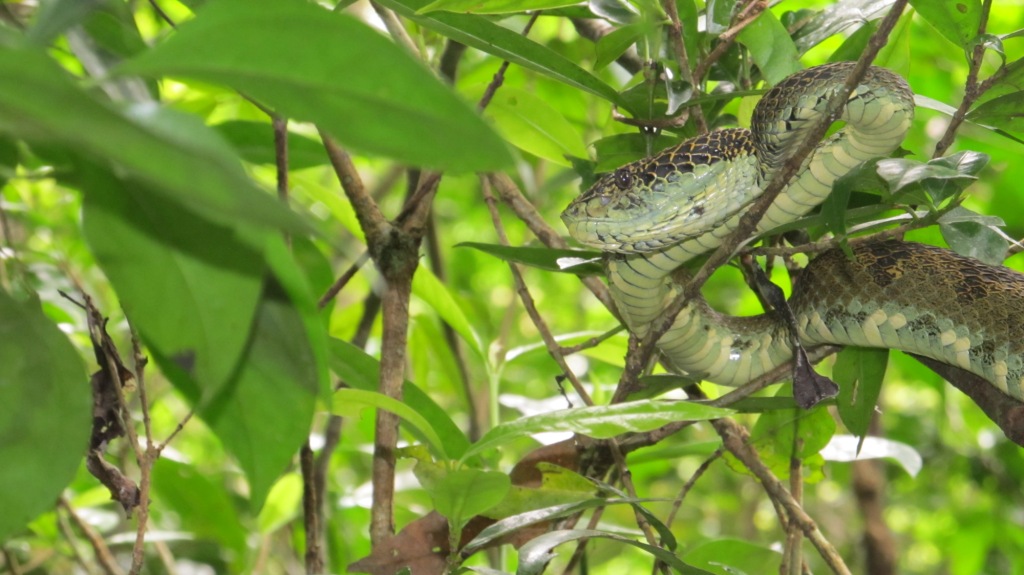
Bamboo Pit Viper (Trimeresurus gramineus)

Photo: Mr.Kannan

This photo was taken by Mr. Kannan, a senior forest watcher in Periyar Tiger Reserve. The Bamboo pit viper is one of the venomous snakes of Indian which is mostly found in the Western Ghats. They are typically green in color along with black, yellow and orange markings in the skin.

Continue reading

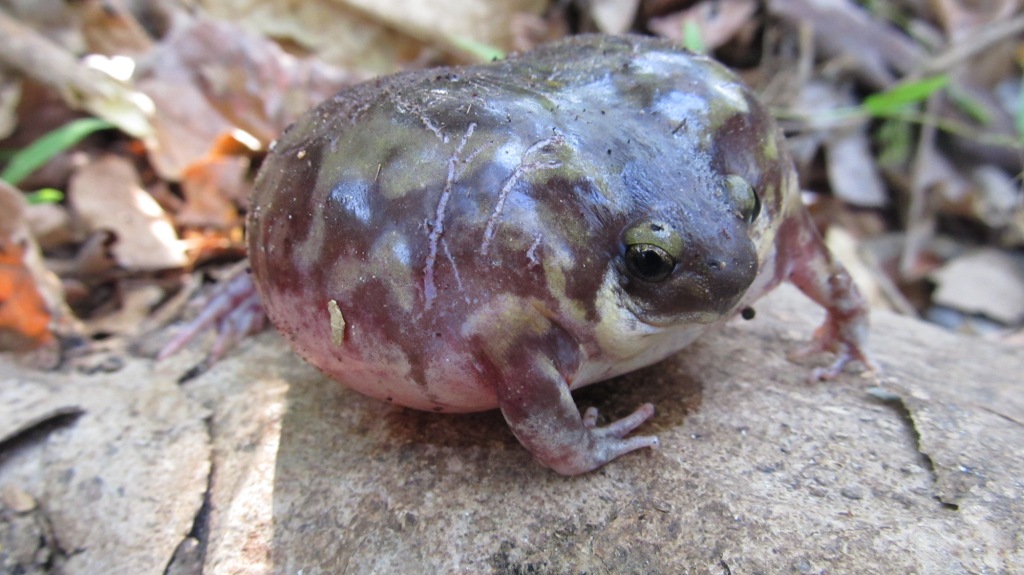
Indian Balloon Frog – Uperodon globulosus


Photo: Mr.Kannan

The Uperodon, commonly known as the Balloon Frog, is well known for its ability to puff up, expanding its lungs past its backbone. It has a small head, especially compared with its exaggerated body, with a narrow mouth and a rounded snout.

Continue reading

Enchanting Backwaters – Kuttanad

This slideshow requires JavaScript.

Kerala is a land of extensive networks of rivers, canals, streams and lagoons that form the Enchanting Backwaters which exemplify an amazing relationship between the ingenuity of man and the artistry of Nature. Its crisscrossing canals which were once busy waterways, have evoked comparisons with Venice since travelers began visiting them. The backwater region of Kuttanad is famous for paddy fields, duck farming and fishing. Most of Kuttanad consists of paddy fields that spill out into vast structures inland from the backwaters. With its abuntant paddy Kuttanad has been named the “Rice Bowl of Kerala”.

Continue reading

Aranmula Kannadi – An Ancient Indian Metal Mirror

Aranmula, an ancient village in the district of Pathanamthitta on the banks of the famous Pamba River, has a special history of Kerala’s traditional arts. For centuries Indians have been experts in Metallurgy; Delhi’s ancient Mayuran Iron Pillar, and forged Damascus steel are part of an artisanal culture in South India that stretches back more than 2000 years. The Aranmula Kannadi (metal mirror) technology is part of this history.

Continue reading

Bilimbi (Averrhoa bilimbi)

Tree sorrel or cucumber tree is a tropical fruit tree which reaches 35 ft in height. It is cultivated in southern India, where it is commonly called Bilimbi (Averrhoa bilimbi).  In Kerala, it is widely used for making pickles. In other regions of the country, it is often eaten raw along with salt and chilli powder.

Continue reading