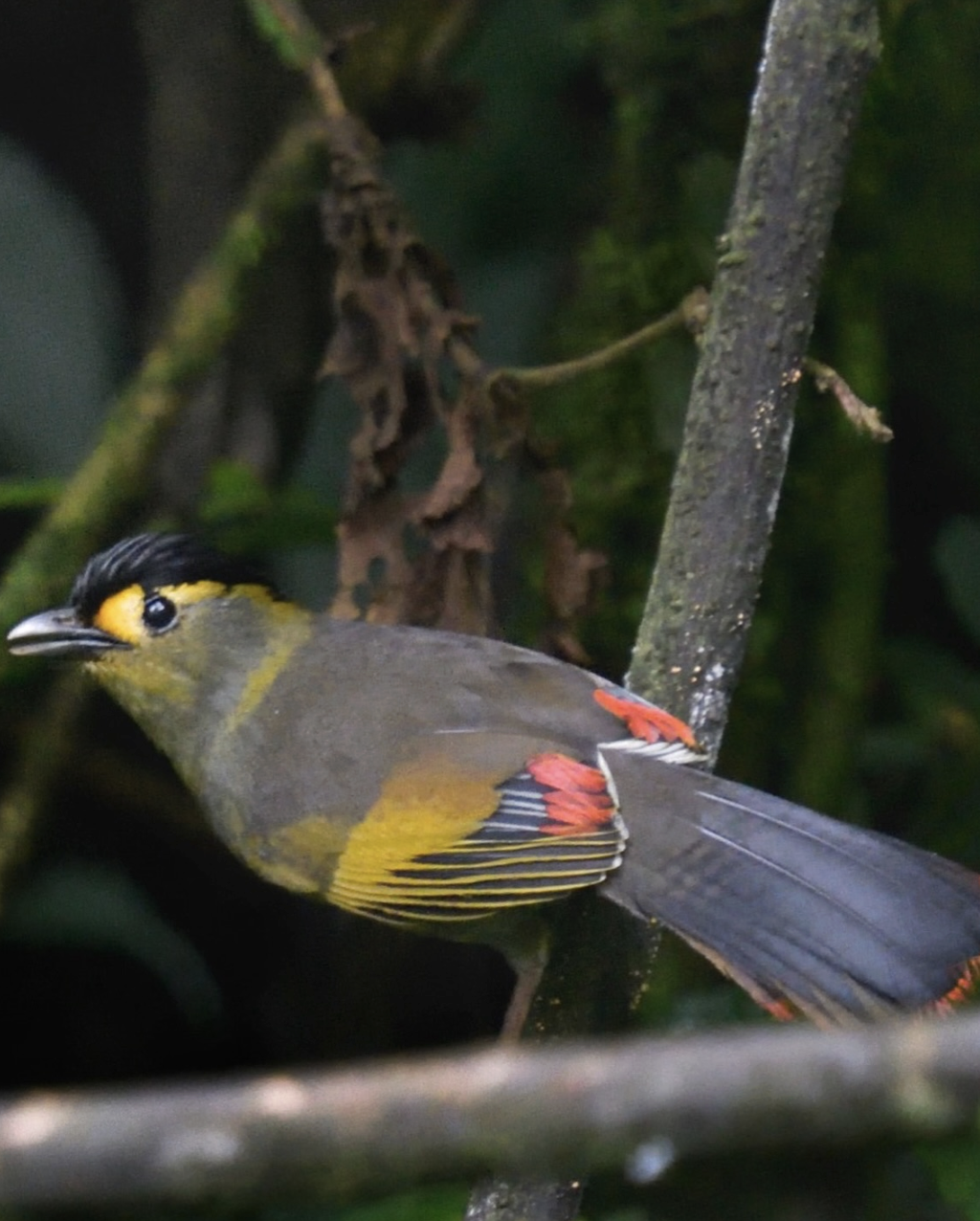
Bird of the Day: Bugun Liocichla

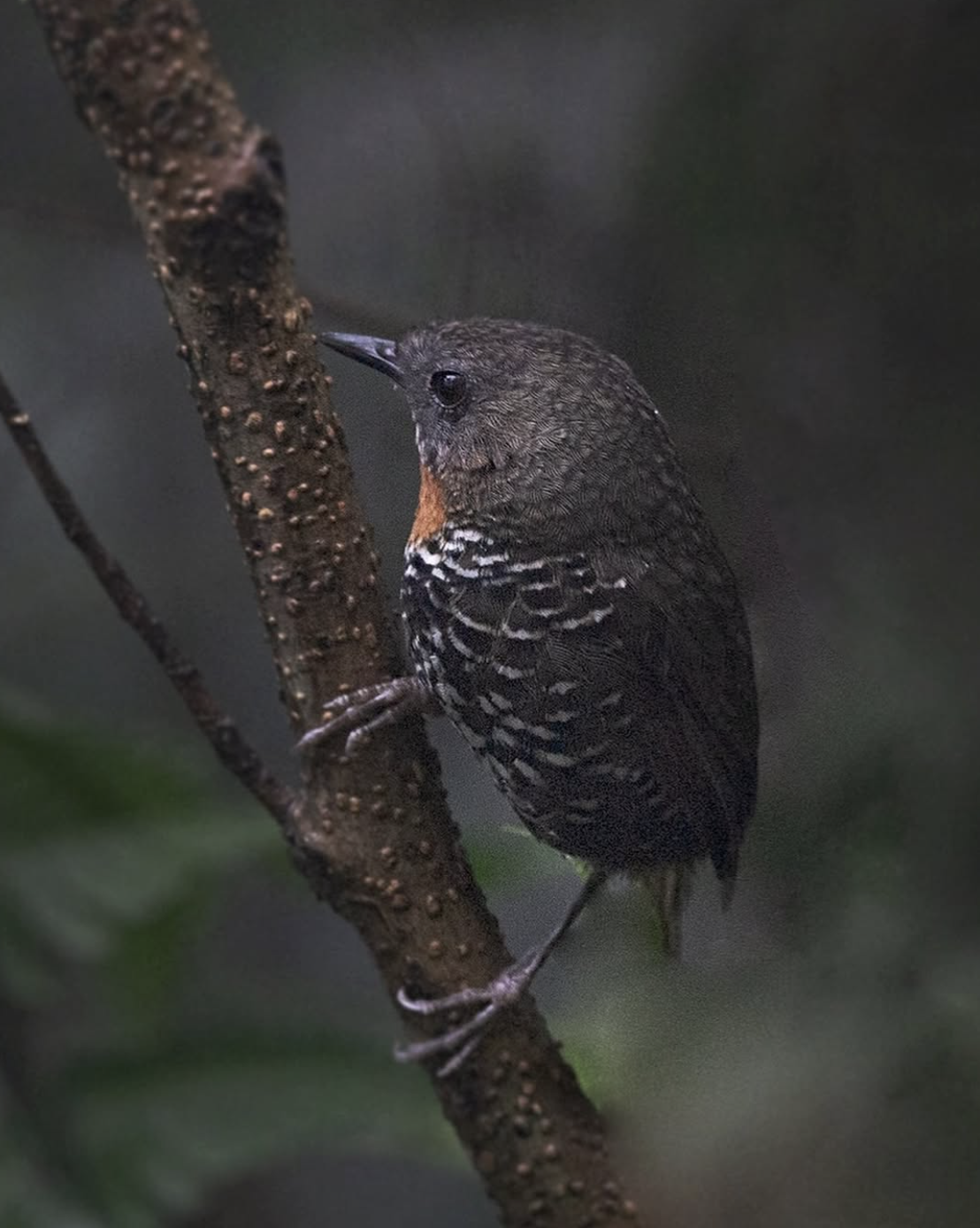
Bugun Liocichla by Gururaj Moorching - Organikos

Classified as Critically Endangered by the IUCN Red List-one of India’s most rare birds

Eaglenest Wildlife Sanctuary, Arunachal Pradesh
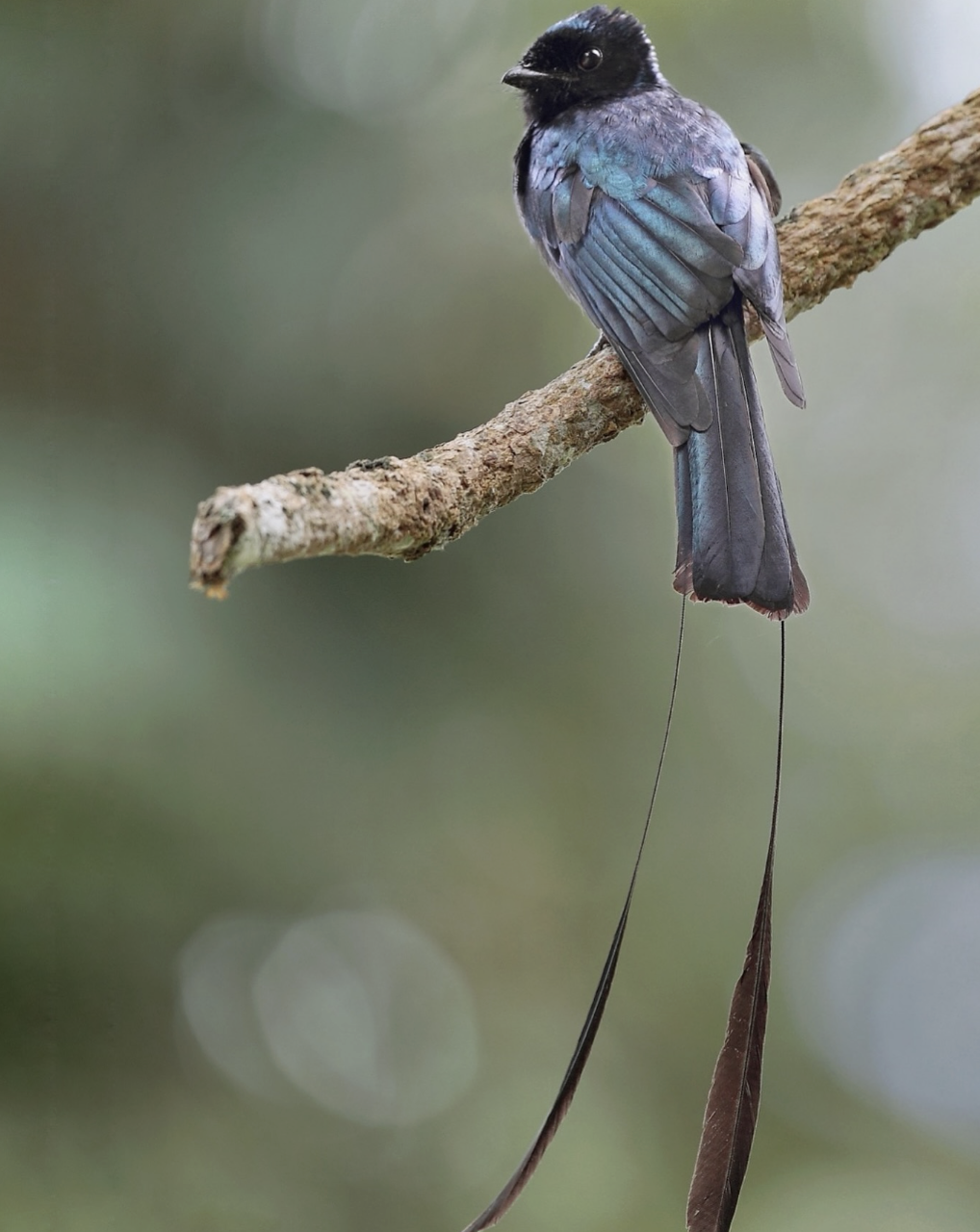
The Bugun Liocichla was discovered only in 2006 by Dr. Ramana Athreya, an astrophysicist and birder, at Eaglenest Wildlife Sanctuary in Arunachal Pradesh, India — making it one of the most recently described bird species in the world.
Conservation Importance
The discovery highlights the biodiversity significance of Eaglenest Sanctuary, leading to community-based conservation efforts.
The local Bugun tribe collaborates with conservationists to protect the bird and its habitat, making it a model for eco-community conservation, and the bird species a symbol of conservation success in India.
Found nowhere else on Earth, the Bugun Liocichla is endemic to Arunachal Pradesh in the Eastern Himalayas. Its known population of 15-20 individuals is limited to just a few square kilometers around Eaglenest Wildlife Sanctuary.

Stories from the Field: Spoon-billed Sandpiper

In my previous post I’d written about birding with Clement Francis and how educational he was in so many ways – sparking my interest in birding, my abilities as a bird photographer, and not least, my understanding of the challenges that birds and other wildlife suffer in the face of climate change and human related habit destruction. The story of the Spoon-billed Sandpiper impacted me in a huge way.

This tiny bird travels between the Arctic Tundra and the South Asiatic regions. While they breed in the tundra, they migrate southwards during winters in a migratory route of 8000 kilometres. Just 200 pairs of this birds existed back then. Now due to human intervention and the implementation of captive breeding programmes, the population are reaching to a decent number.

The International Union for Conservation of Nature (IUCN)  has listed the Spoon-billed Sandpiper under the “critically endangered” species. During one of our trips Clement showed me the picture of the bird in its breeding plumage that was shot in Siberia. From that moment on my mind was set on seeing the bird. It may appear like an exaggeration, but the bird appeared in my dreams quite often and the desire to see it for myself grew stronger every day. At the time of our trip the bird was in migration to a small patch in the Sunderbans of Bangladesh,  but the numbers there were decreasing, and their path seemed to be shifting toward stopovers in Thailand instead. 

Continue reading

Stories from the Field: Birding with Clement Francis

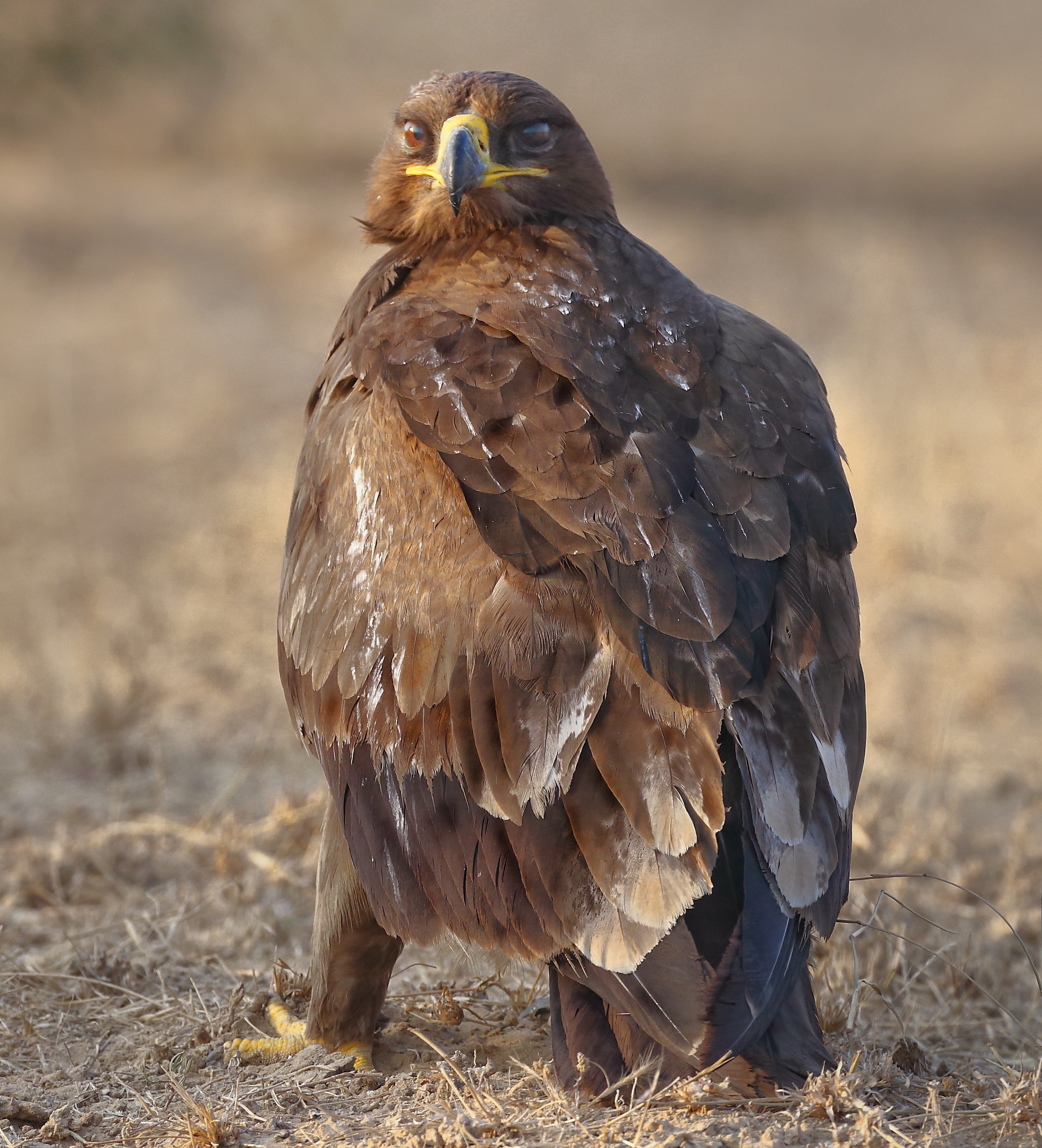
Tawny Eagle

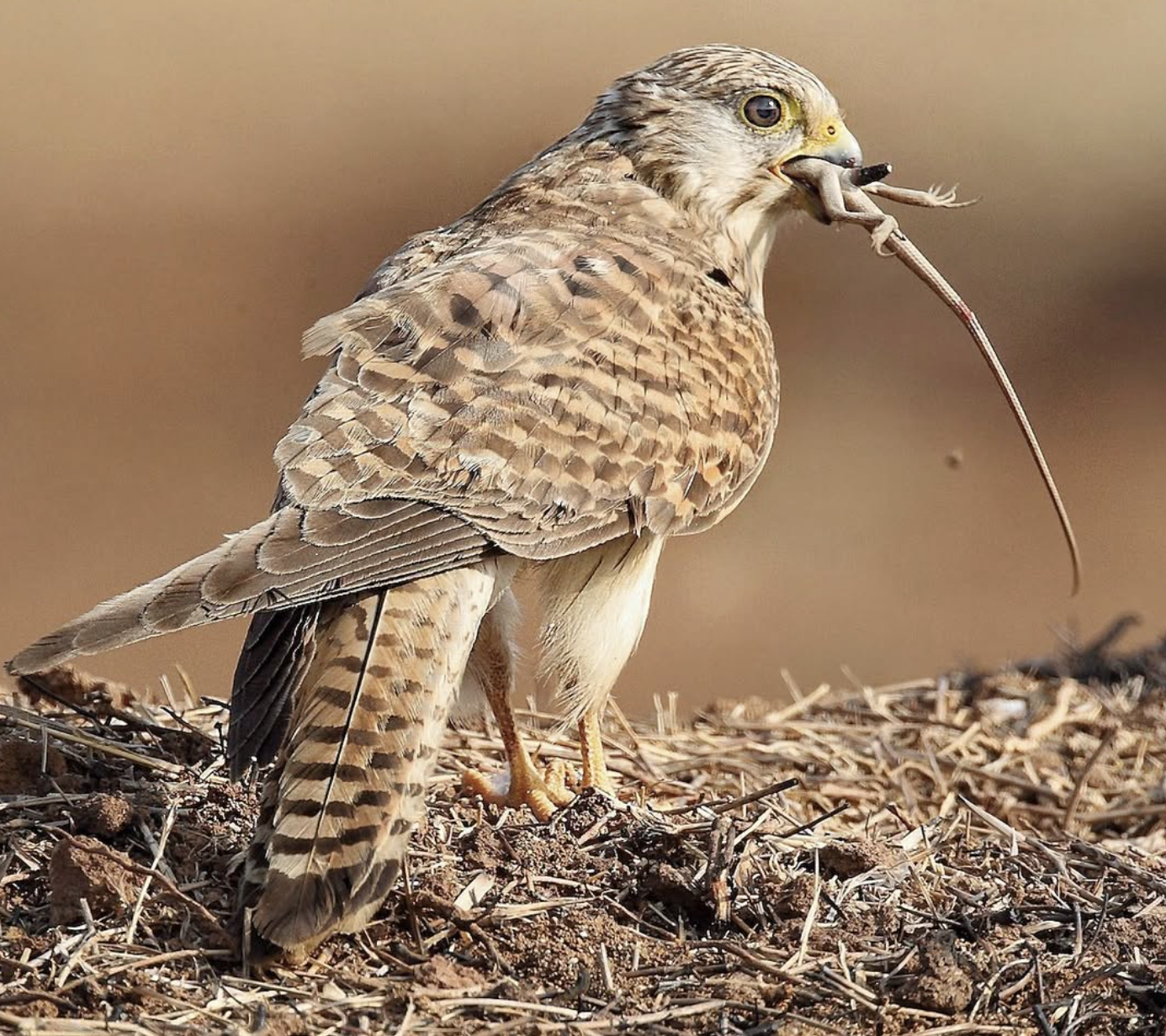
Fast forward to June of 2012, when I started scouting for birds in the grasslands. Clement Francis showed me the birds of Hesaraghatta. Clement is a topnotch bird photographer. I was amazed at his skills. He could identify every bird there and explained their features and behaviour. We roamed around the grasslands in our car and upon sighting a raptor on the ground, Clement would approach the bird from the car, going around it in wide circles, gradually reducing the distance from the bird. As I sat on the passenger seat with my lens rested on the car door, Clement whispered to me not to make eye contact with the bird, or make any large movements while he parked the car at the comfort-distance and with the sunlight behind us. He approached the bird with such skill that it never felt threatened as he mumbled the ideal camera settings for perfect photographs under his breath. He gave me very valuable lessons in approaching the various species of the grasslands, while advising on the ideal light conditions and inculcated patience in making handsome pictures. Continue reading