Understanding Animal Behaviour

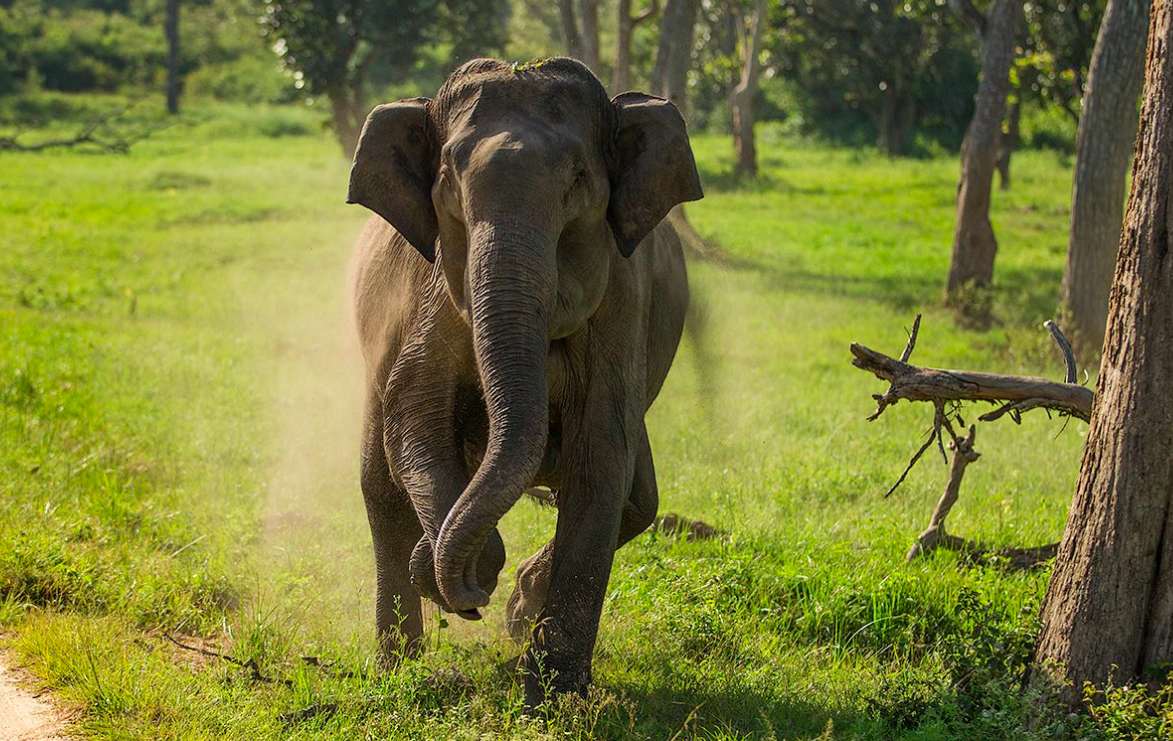
Elephant in mock charge at Bandipur Tiger Reserve; photo credit: Sudhir Shivaram

If you want to be a good wildlife photographer, you need to be a good naturalist first. Understanding your subject’s behaviour and knowing the natural history is even more important than good equipment to make good images.

Elephants commonly make a mock charge when they have calves in their group. During a photographic safari in India’s national parks the drivers and guides are knowledgable about this behaviour and know how to react. When a jeep enters the vicinity with elephants they understand that a mock charge is likely.

After the mock charge the elephant relaxes and moves within the family group naturally. This is the opportunity for good behaviour shots. Continue reading →

Capturing Behavior

elephants
One of the important points to keep in mind during wildlife photography is to observe the behavioral aspects of your subjects and capture it.

When you spend time with your subject and when they get used to you, they continue their normal behavior and that’s when you need to be alert and keep your eyes open to capture any of the behavior they exhibit.

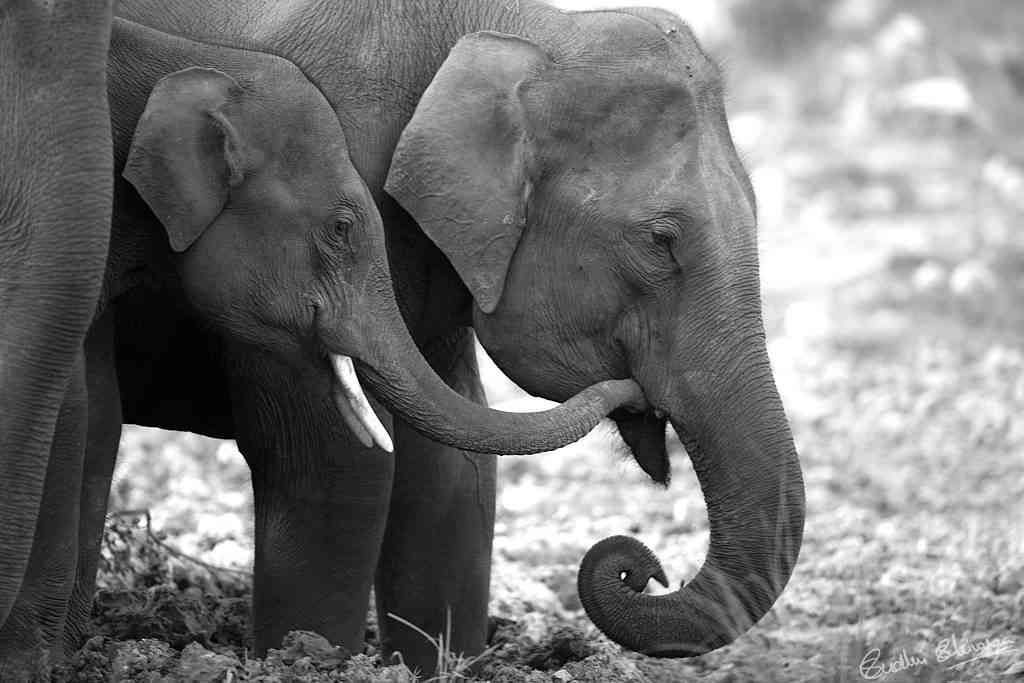
In this image what I have captured is one of the most common means of communication between elephants: Continue reading →

Action Capture, Part 2


I captured this leaping Bonnet Macaque was photographed at Daroji Sloth Bear Sanctuary near Hampi, Karnataka. Although the photograph represents a split second of activity on the animal’s part, it represents a great deal of thought and patience on mine.

One of the important aspects in wildlife photography is to study the behaviour of your subjects, which will help you in your planning and image making. In this case I noticed the monkeys had a pattern of climbing the left rock and jumping to the right rock to get onto the trees on that side. Continue reading →

Action Capture

Keoladeo Ghana National Park, Bharatpur in Rajasthan

Each time I head into the field to photograph wildlife I watch their movements within the habitat patiently and then think about how best to tell that individual’s story. Frequently action is a dramatic part of it.

Shutter Speed is an important parameter of the “exposure triangle”. When photographing action you can freeze the image using a high shutter speed or can create motion blurr with slow shutter speed.

As a photographer you need to decide in advance how you want to capture the image, whether it’s a silky flow of water, panning shot, long exposure star trials, long exposure vehicle tail light trails etc. There is no one correct answer. Continue reading →

Winter Arrivals

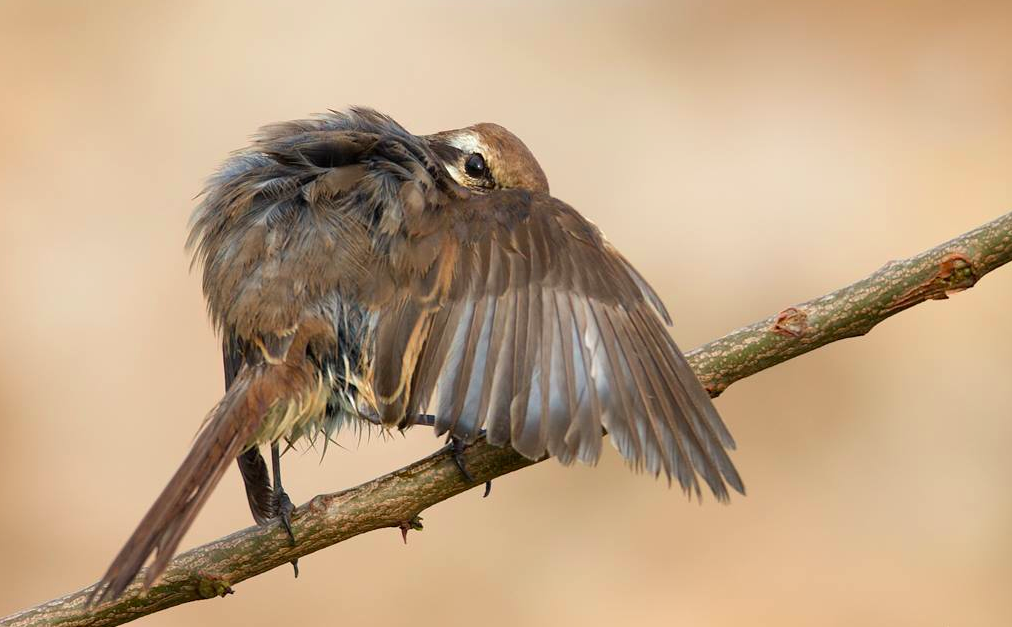
An exhausted winter arrival

Yesterday I encountered the first Brown Shrike for the season at Daroji Bear Sanctuary, near the town of Hampi, Karnataka.

For me, the appearance of the Brown Shrike is an indication of the winter migrants arrival. In previous years my first sightings have been in October, but they’ve arrived earlier this year.

I saw and photographed 2 individuals. One was totally worn out, probably because of the long, tiring migration from as far north as Siberia. Continue reading →

Stories from the Field: Lakkavalli Forest Range, Bhadra Wildlife Sanctuary

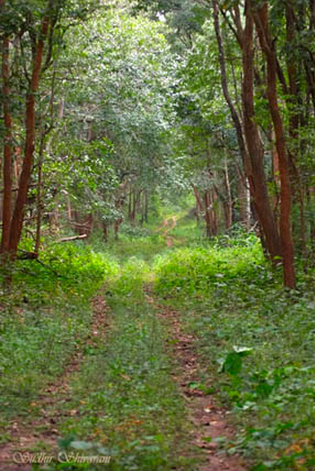
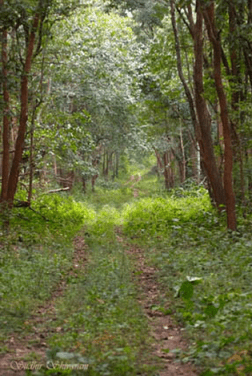
Lakkavalli Forest Range, Bhadra Wildlife Sanctuary

Lakkavalli Forest Range, Bhadra Wildlife Sanctuary; photo credit: Sudhir Shivaram

On Global Tiger Day Amie introduced the idea that I’ll be sharing my experiences as a wildlife photographer. Much of my time is spent doing workshops throughout India, but I’m happy to reach into the archives of my pictorial adventures to share with Organikos readers.

This is a safari from my earlier days photographing wildlife, and it’s an experience that I’ll always remember! It was around 1 pm when we reached the Lakkavalli Forest guest house, situated on top of a hill, overlooking the Bhadra dam. The road was good and the drive was quite scenic. We took the Bangalore-Tumkur-Tiptur-Arsikere-Tarikere route. As soon as we reached the guest house, we took our gear and headed into the forest. Though it was 2:30 in the afternoon and we knew that it wasn’t the best of times for spotting wildlife, we wanted to spend more time in the forest.

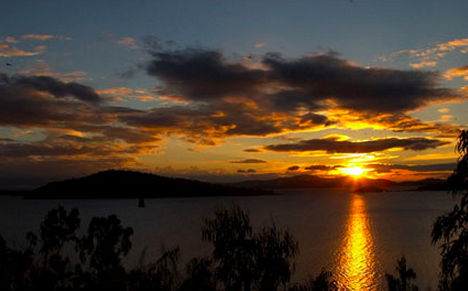
The forest was crawling with millions of Giant Wood Spiders. The webs spread across trees, with arachnids waiting patiently for their prey. The Lakkavalli range has a good concentration of mammals, but our timing wasn’t great on the first day. An interesting fact about the Bhadra Wildlife Sanctuary is the work done by the then DFO, Mr. Yatish Kumar, who was successful in re-locating 17 villages from within the sanctuary to the outskirts of the park. As the forest officials say, people in these villages admire him so much for his accomplishments, that they have named one of the villages as Yatish Nagar. The day’s sightings were limited to some Deer, Sambars and Gaurs. We came back to our guest house just in time for some spectacular sunset scenes.

Photo credit: Sudhir Shivaram

The next morning, driver Suresh along with guard Shivarudrappa picked us up. At the sanctuary entrance a forest watcher joined us. We were very eager to sight a tiger, as a particular route (Paramagudda) was quite famous for frequent tiger sightings. We never knew what the forest had in store for us but it turned out to be my most memorable safari to date. An hour’s drive into the forest yielded nothing. Suddenly the watcher, seated at the back of the jeep shouted, “Chirte sir, Chirte” (Leopard sir, Leopard). Continue reading →