The Hope in Calamity

nepali-baby

This five-month-old boy, rescued 22 hours after a 7.8 magnitude earthquake hit Nepal on April 25, is an entire nation’s miracle. SOURCE: kathmandutoday.com

It is not every afternoon that you hear a mention of the Richter scale and your country’s name in the same breath. Unfamiliar it being, you do what seems natural – seek answers. So a call goes to the friend in the capital (New Delhi), who appears to not have felt the tremors that were otherwise shaking headlines. As two people who spent half of each day in the newsroom and well understood the adage of bad news being good news (talk about occupational hazards), we got to the heart of the matter: tremors in India result of a 7.8 magnitude earthquake in the bordering country of Nepal. For comparison, take the 2010 Haiti earthquake recorded at 7.0; both countries share similar economic conditions and the latter continues on the path to recovery, with international aid. We knew the counters had started ticking, headlines were already screaming numbers.

Continue reading

A Traveler in My Own Land – Introduction

Dear coffee-stained diary,

1016402_10151817477384853_833963116_nIt’s been a while since you and I turned pages together, but then there were no new stories to tell. Now we say ‘hello’ at the start of a new line for am on the road again; taking paths that wind through tea gardens and forests, hug beaches and overlook a harbor in this homeland I call Kerala (India). The sights are plenty, so are the stories.

Yours to know are tales of ships docking here to trade in spices and those of communities striving to keep their identities alive. Yes, you’ve had your generous share of the history of the Chinese fishing nets but perspectives are things of beauty. Oh, I almost forgot the people. Continue reading

Eyes on New Sights

Kanikonna blooms herald the coming of Vishu (Picture: Abrachan P)

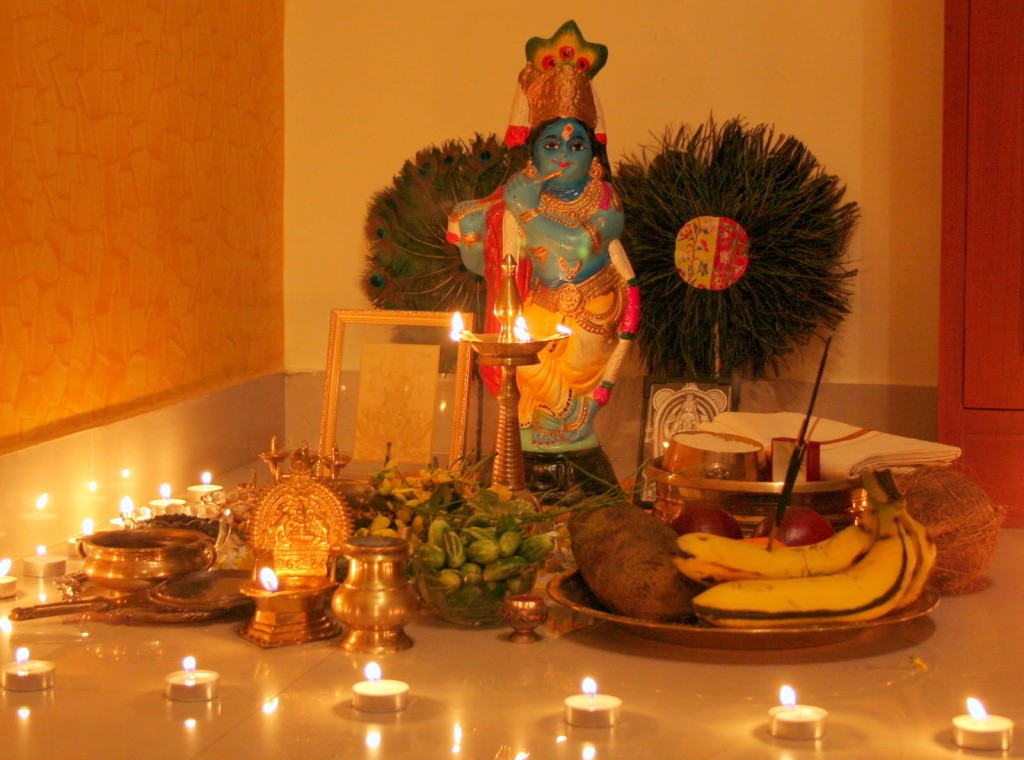
If all of Kerala is to have a favorite color this season, it’d be yellow with touches of gold. For this is the time of Vishu, a festival of prosperity and gratitude. Embraced by all Malayalis and celebrated by other Indian states by the names of Ugadi or Baisakhi, the festival marks the beginning of the zodiac calendar and is determined by the position of the sun. It falls during the sowing season, with Onam being the state’s harvest extravaganza.

Nature begins celebrating first. Come summer and yellow flowers dot the green canopy. The flowering is related to the heat and the blooms first appear close to two months before the onset of monsoon. Known as konnapoo (Indian laburnum), they are the postcard of the festival. Earlier, the flowers bloomed in backyard gardens and plucking these made for conversations and laughter over fences of houses. With accelerating urbanization, the flowers are now picked off shelves at markets that come up a few days prior to the festival. Between growing the plant in one’s own garden and buying it off vendors, one thing has held its ground: the warmth a handful of tiny yellow flowers spread. Continue reading