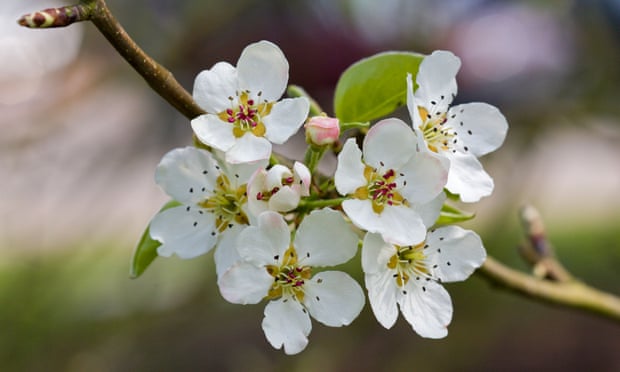
The UK has a rich history of biological recording by scientists and ‘citizen scientists’ who document the first signs of spring. Photograph: Alamy/Guardian
We first heard of the word phenology on this site back in 2012, from writings on a citizen science workshop in the Galápagos. Since then, the term has been linked to citizen science in the context of forest life cycles in England, coffee farming in Costa Rica, and orchids in the United Kingdom. It’s a good thing that there’s a history of normal people collecting information on nature’s timelines in Britain, because that provides rich and deep data on changing phenology with a warming climate. Jessica Aldred reports for the Guardian on a new study published in Nature:
Climate change is disrupting the seasonal behaviour of Britain’s plants and animals, with rising temperatures having an impact on species at different levels of the food chain, new research shows.
The result could be widespread “desynchronisation” between species and their phenological events – seasonal biological cycles such as breeding and migration – that could affect the functioning of entire ecosystems, according to the large-scale study published this week in the journal Nature.







 Organikos