The Bolgatty Palace was built in 1744 by the Dutch and later taken over by the British. Today it is a hotel run by the Kerala Tourism Board. The palace is located on Bolgatty Island, one of the islands that form part of the city of Kochi. It is a two-storied building with well-laid verandas on both sides facing the seas. Set amidst lush, tropical greenery, this Dutch heritage building has the added advantage of a spectacular view of the backwaters.
Continue reading
Architecture
Living in a small space and loving it : inspiration from Graham Hill
When he had a choice Treehugger.com founder Graham Hill chose to live in a small apartment. He believed it would allow him to live within his means financially, environmentally and beyond…
Gommateshvara Monolith Statue – Shravanbelagola , Karanataka
Shravanbelagola is a famous Jain pilgrimage centre that abounds in monoments. The 17-meter high, 1000-year-old monolithic statue of the Jain saint Gommateshvara, considered to be the world largest monolith stone statue, is situated here. Gommata was the Jain prince who renounced the world in his moment of supreme triumph and victory in war. Pilgrims travel to the site by the thousands to view the statue of this man of great moral strength and virtuous character. Continue reading
Nadumuttom – Central Courtyard
Kerala has an abundance of architectural styles. There are two main features in Kerala houses that make them unique: The first is that domestic architecture follows the style of detached sections. Secondly the evolution of domestic architecture closely followed the trends in temple architecture. A typical house in Kerala is the courtyard type or the Nadumuttom. Continue reading
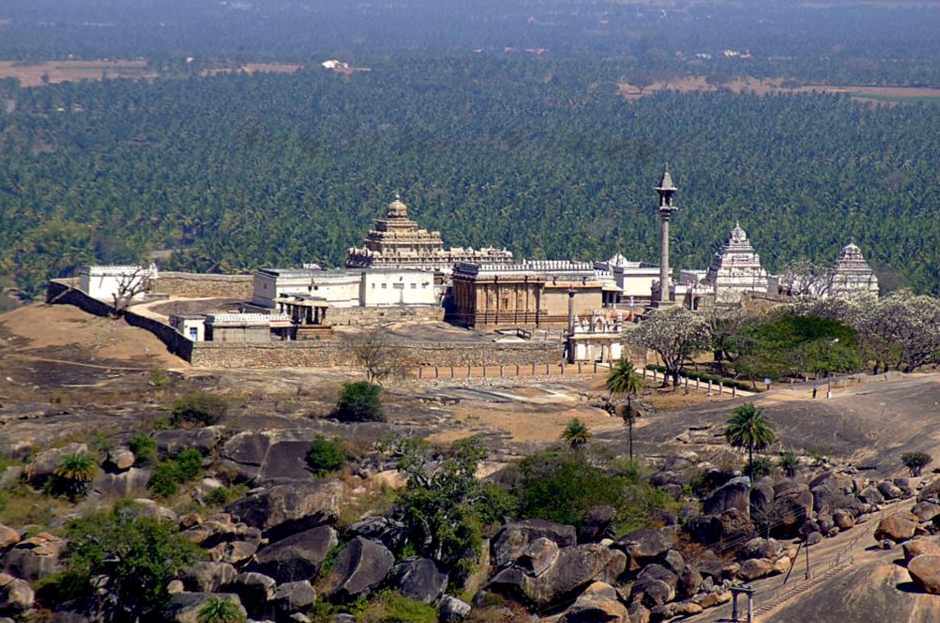
Shravanbelagola – Jain Temple, Karanataka
Located strategically between the two hills of Chandagire and Indragiri near Hassan, the picturesque hill town Shravanbelagola is a renowned site for Jain pilgrimages. This Jain temple was built in 983 AD by Chandragupta Maurya, the grandfather of the Great Ashoka. Continue reading
Malik Ibn Dinar Mosque – Kasaragod, Kerala
Malik Ibn Dinar Mosque is one of the oldest Mosques in Kerala. It was built by Malik Ibn Dinar, a missionary from Arabia who is credited with bringing Islam to the Malabar shores. The original mosque Dinar built in 648 AD was a small structure but with marble paving stones brought from Mecca. Continue reading
Napier Museum – Thiruvananthapuram, Kerala
The Napier Museum is also known as the Trivandrum Art Museum of Art. It was completed in 1880, making it the oldest museum in Kerala and one of the oldest in India.The museum houses an extensive collection of bronze and stone sculptures and wooden carvings dating from the 11th to the 18th centuries. There are some very interesting musical instruments and a 400-year old clock. The traditional ornaments used by Kerala women, elaborate lamps and life -lized Kathakali figures complete with resplendent costumes add to the museum’s eclectic collection. Continue reading
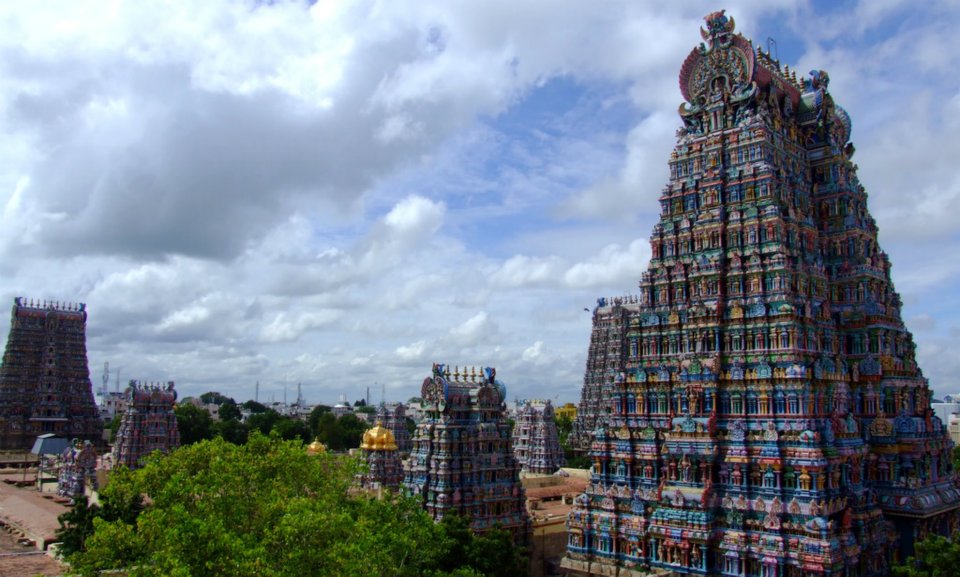
Madurai Meenakshi Temple
Located on the banks of the Vaigai River, Madurai is the oldest city in Tamil Nadu with an historical legacy over 2500 years old. The famous Meenakshi Temple dominates the city, which evolved around it. The architecture is purely Dravidian but there is an amalgam of many styles dictated by many dynasties as the temple changed hands many times. Continue reading
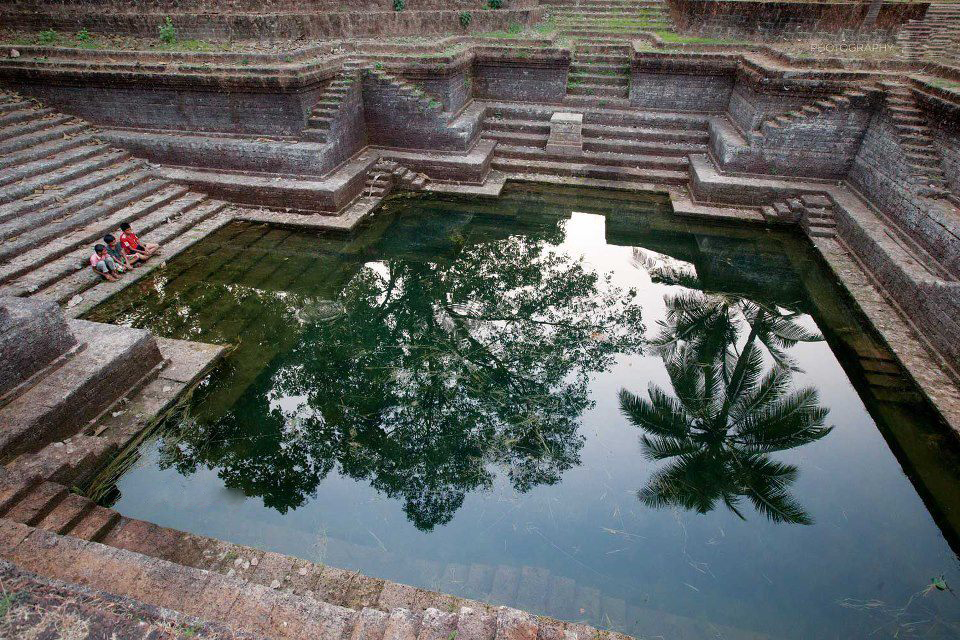
Theerthakkulam – Temple Ponds, Kerala
Most temples in Kerala have a sacred pond, or Theerthakkulam, outside the temple wall. Normally the pond is located on the North- East corner of the compound. The sacred water is used by devotees to wash their hands and feet before going into the temple . Continue reading
Aihole Temples – Karnataka
Aihole was the capital of the Chalukyan Kings, who between the 4th and 6th century A.D began experimenting with the idea of constructing temples with stone blocks. Aihole has over 125 temples, all intricately carved and rich in detail. Durga temple has a semicircular apse and a sanctum, encircled by a richly carved colonnaded passageway. Durga temple is roofed in the usual flat Early Western Chalukyan manner. The niches in the circumambulatory passage around the sanctum are filled with statues; notable among them are splendid images of Durga and Shiva. Continue reading
Traditional Kerala Houses
Traditionally the architecture of Kerala has been of a humble scale, an ensemble of simplicity and elegance tailored to suit the climate and culture of the state. The low walls, sloping roofs and projecting eaves of ancient houses were built for protection against heavy rains and intense heat. The architecture of Kerala tells many stories; the way its structures have been designed not only speaks about the artistic and technical capabilities of the craftsmen, but also about the progression and evolution of its society. Continue reading
Kailasanatha Temple – Kanchipuram,Tamil Nadu
Kailasanatha temple is the largest and most important of the temples built by Rajasimha, the last king of the first Pandyan empire. Dating from the 7th century, this is one of the oldest temples in Kanchipuram and is a rare example of the Dravidian style. A wall of fifty-eight small shrines further encloses the main shrine. Continue reading
Bekal Fort
Located in the northern part of Kerala in the Kasaragod District, the 17th century Bekal Fort is one of the largest and best preserved forts in the state. This imposing circular laterite structure rises 130 ft above sea level and stands on a 35-acre headland that juts into the Arabian Sea. The fort consists of a centrally located 30 foot high observation tower, which affords a grand view of the blue sea and the green palm forest. There are underground tunnels leading to the Sea. Continue reading
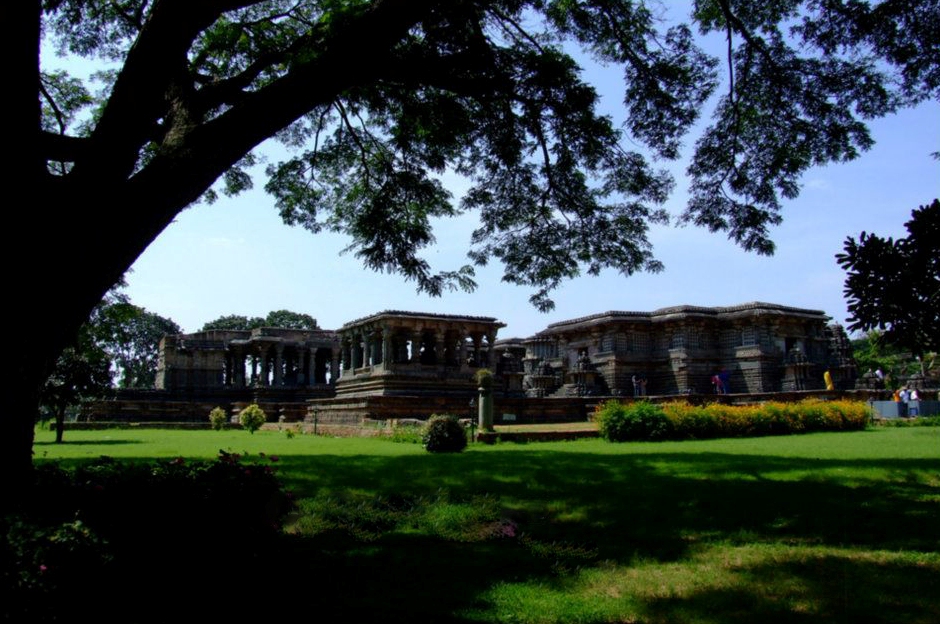
The Hoysaleswara Temple – Halebidu, Karnataka
The Hoysaleswara Temple was built by “Kettumalla” one of the ministers of King Vishnuvardhana during 1121 A.D. It is believed that it took nearly a century to complete the temple, there are still some unfinished portions.The ground plan is the characteristic star shape common to all Hoysala Temples. Continue reading
Thanjavur Memorial Shrines And Nandi Mandapa
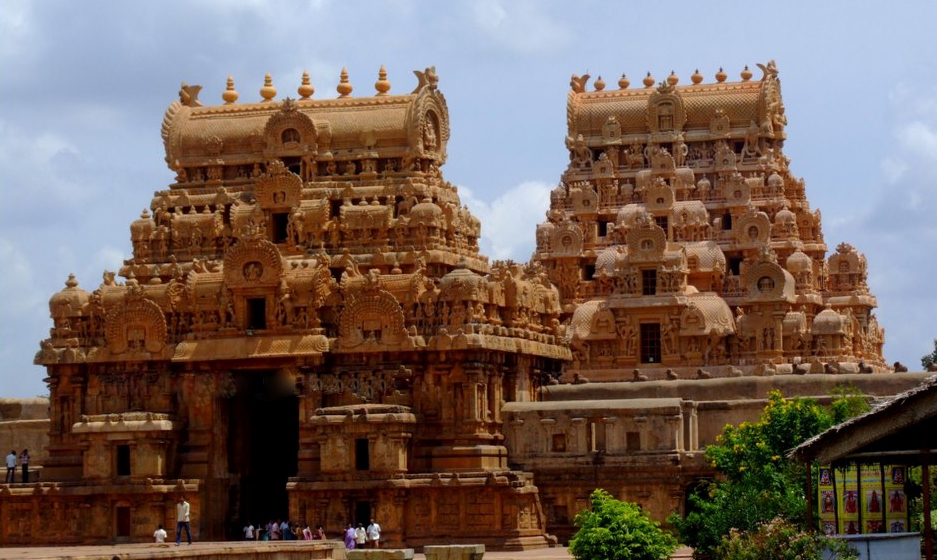
The temples and shrines at Thanjavur are amoung the finest examples of South Indian architecture of the late Chola period. Dedicated to Lord Shiva, the Breehadishwara Temple is considered the greatest single undertaking of its time, taking almost 15 years to complete the full structure. Continue reading
Cape Camorin, Known Locally As Kaniyakumari
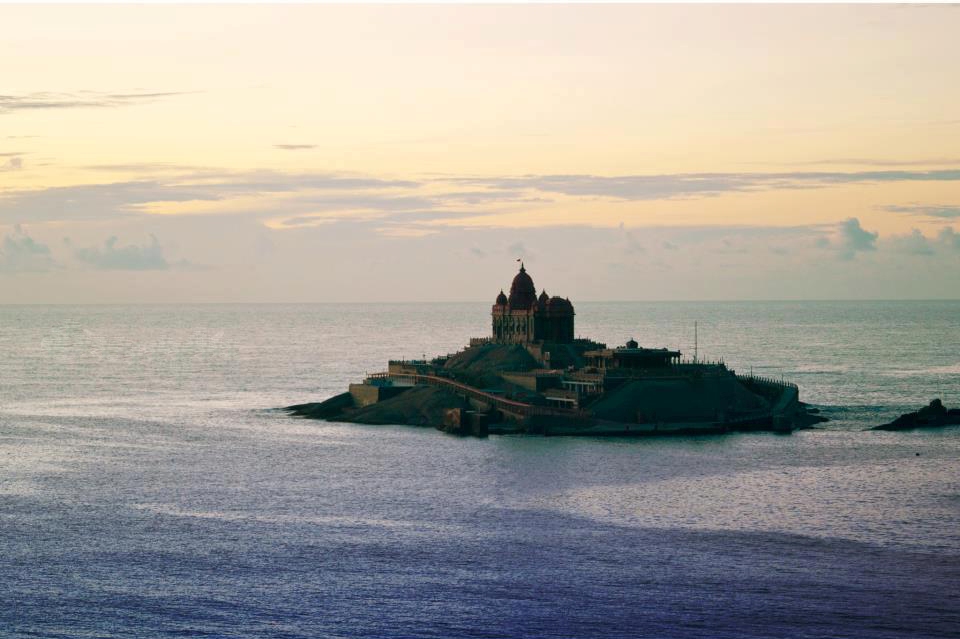
Kaniyakumari, also known as Cape Camorin, lies 90 km south of Trivandrum and is the southernmost tip of the mainland Indian sub-continent. The waters of the Indian Ocean, the Bay of Bengal, and the Arabian Sea converge here. The Vivekananda Memorial and recently erected statue of the great Tamil poet Thiruvallur are the main attraction of this place. A dip at the bathing ghat constructed at the confluence of the Seas is believed to cleanse and rejuvenate the pious.
Temple Gopurams
The word Gopuram refers to the monumental tower built at the entrance of South Indian Dravidian temples. These Gopurams are multistoried structures decorated with painted sculpture and carvings depicting Hindu mythology.
Continue reading
Temple Art – Sculpted Panels
The history of worship in Indian is difficult to chronicle with certainty because the recorded history depends on oral traditions handed down through generations. Hindu religion is beautifully preserved in southern India. The art of temple building made its transitions from temporary structures in wood to more enduring stone edifices that have stood through the ravages of time. Continue reading
A Few Etruscan Tombs
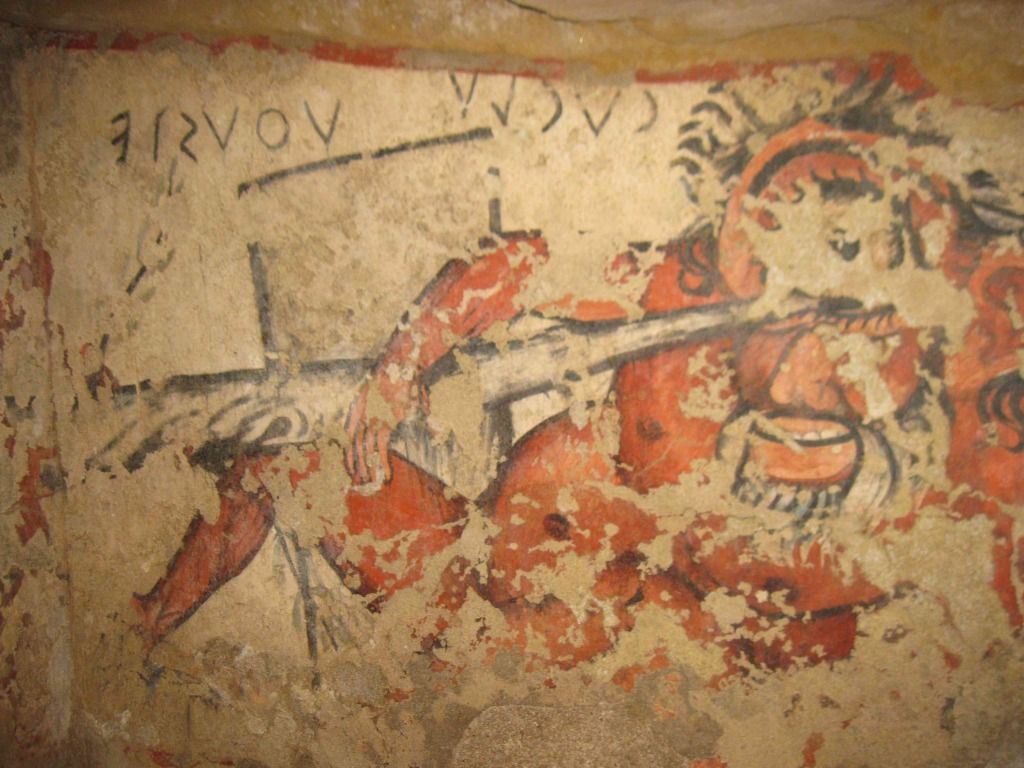
The Etruscans are, for all their great cultural influence on the Romans, a poorly understood people. We know they once dominated northern Italy and much of its western coast and that they interacted extensively with not only the Romans but also many other native Italic tribes in the 1st milennium BC. Some of this contact is reflected linguistically: the modern English word “person,” deriving from Latin persona, entered the Latin language from Etruscan phersu Continue reading
Badami Cave Temple, Karnataka
The Badami Cave Temple in Karnataka was the capital of the early Chalukyas, who ruled much of that area of India during the 6th and 7th centuries. Badami is a treasure trove of Indian rock-cut architecture and sculpture. It is set in a picturesque countryside at the mouth of a sandstone ravine . The caves overlook a large lake known as Agasythya Teertha.