
Tompkins County, NY
Tompkins County, NY
Tompkins County, NY

Tompkins County, NY
Outskirts of Bangalore, Karnataka
The Barn Swallow’s nesting and habitat preferences have made it the most abundant and widely distributed swallow species in the world. The species adapted to using human structures as nest-bases from their previous preference of nesting in caves (although a single population on California’s Channel Islands still chooses to nest in its ancestral cave-grounds), and today you can find Barn Swallows nesting nearly anywhere in the US, even ranging as far afield as southern Alaska.
Since they nest on man-made structures so often (hence their common name, as well as their species name rustica in the genus Hirundo), they make for a great focal species for Celebrate Urban Birds given that their habitat of choice can coincide with rural, suburban, and urban landscapes that include buildings, open areas, and water, especially bodies of which provide a source of mud. As you can see in the photos above and below, mud is the main building material for their nests, as it is for Cliff Swallows, a few of which are featured in these slideshows! Barn Swallows are also frequent subjects of the Funky Nests in Funky Places challenge at Celebrate Urban Birds.
If you enjoyed my last post on hummingbirds, then I think you’ll like these photos that I uploaded on the Celebrate Urban Birds blog even more!
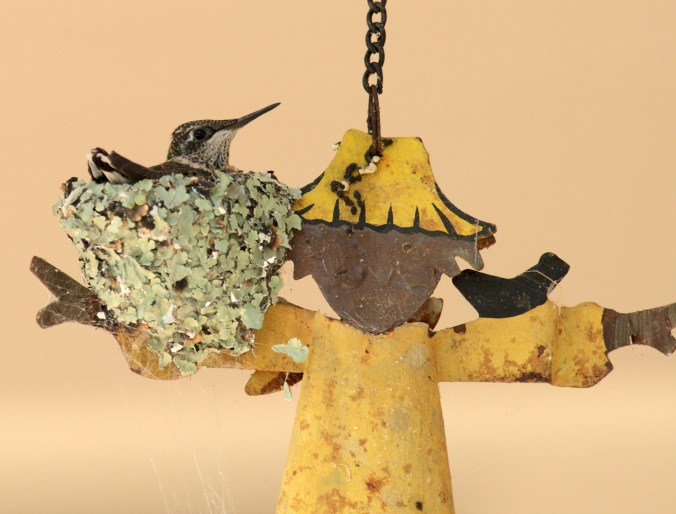
Photo of Ruby-throated Hummingbird by Marshall Faintich

Gray Catbird nest with eggs. Photo by Flickr user JMK Birder.
In my last post I covered Killdeer eggs and nests, focusing on their pyriform shape and mottled coloration. Here I’d like to talk a bit about egg pigmentation in more detail, since variation in patterns and colors is so fascinating in itself!
We saw with Killdeer that the spotted coloration of the eggs helped them blend in better with their surroundings, but what about eggs that aren’t marked at all? Well, white eggs, as we might assume, don’t have much camouflage potential unless placed in a white background, which is essentially limited to very light sand or gravel. White eggs, therefore, need to be disguised in other ways. They can be covered by things like feathers or vegetation, which is what many waterbirds do–wet leaves or seaweed can even stain parts of the eggs brown! They can also be laid in burrows or cavities where they won’t be seen anyway, which is what many woodpeckers, parrots, and owls, among other species, do.

San Meteo, CA
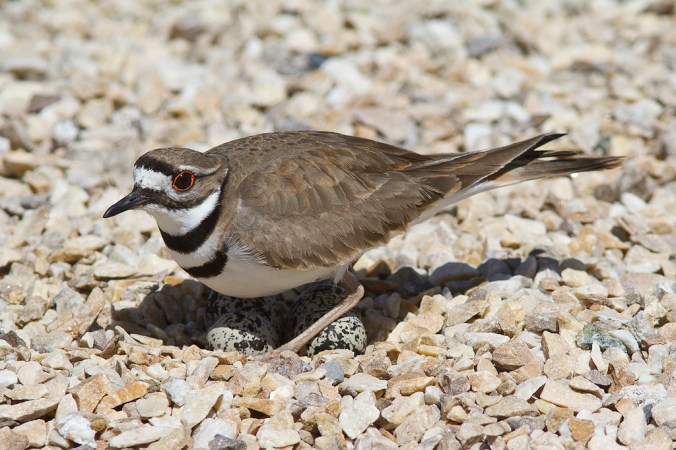
Photo of Killdeer in Upper Newport Bay Nature Preserve by Morgan Terrinoni
If you haven’t heard of CUBs–Celebrate Urban Birds–yet, click here. Unlike the rest of shorebirds in the family of plovers, dotterels, and lapwings, Killdeer inhabit places other than the beach. Why? In part this is because they enjoy expanses of gravelly rocks and short grass, and there is only so much coastline. With all the parking lots, golf courses, well-maintained lawns, grazed pastures, and athletic fields in the US alone, it isn’t surprising that they took to the niches that were much more open to a ground-dwelling bird than the fairly packed shores. The fact that Killdeer have chosen homes that quite often happen to be in (sub)urban areas points to the relative comfort the species has for human proximity, and to a degree explains their successful expansion throughout North America as year-round residents. Continue reading

Tompkins County, NY

San Meteo, CA

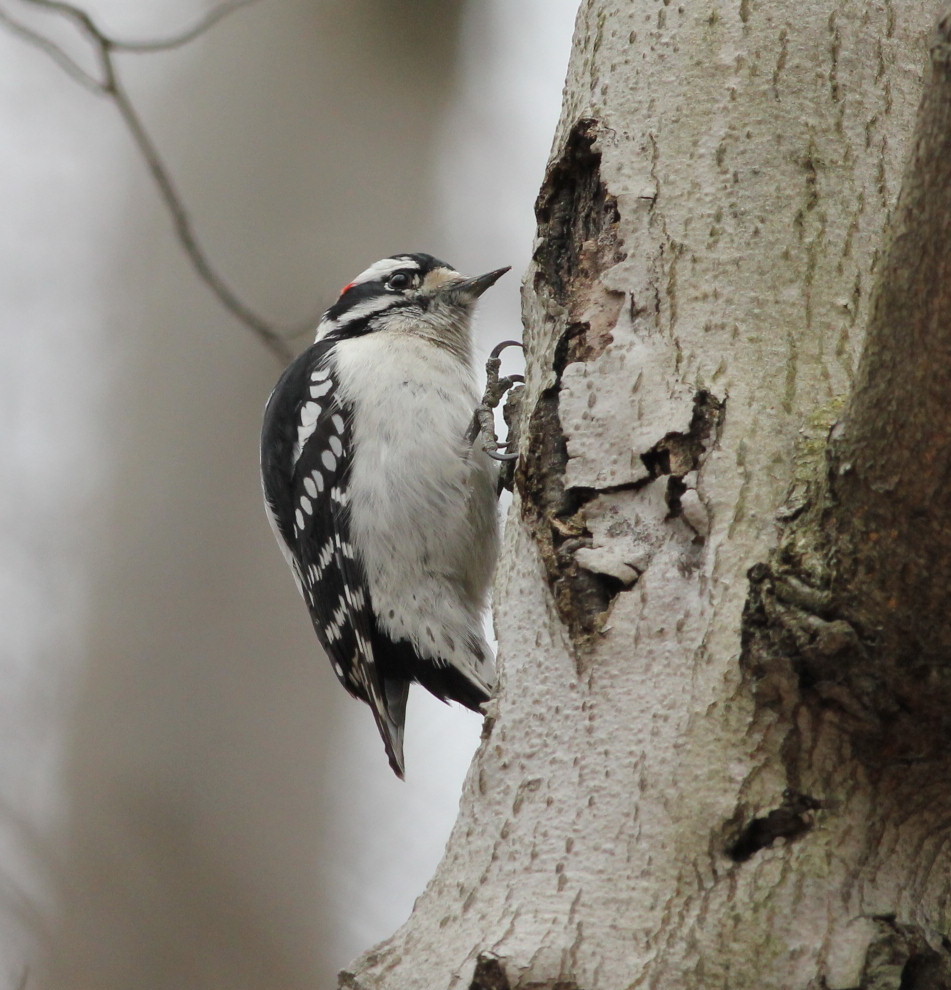
Tompkins County, NY

Lalbagh Botanical Gardens, Bangalore

Tompkins County, NY
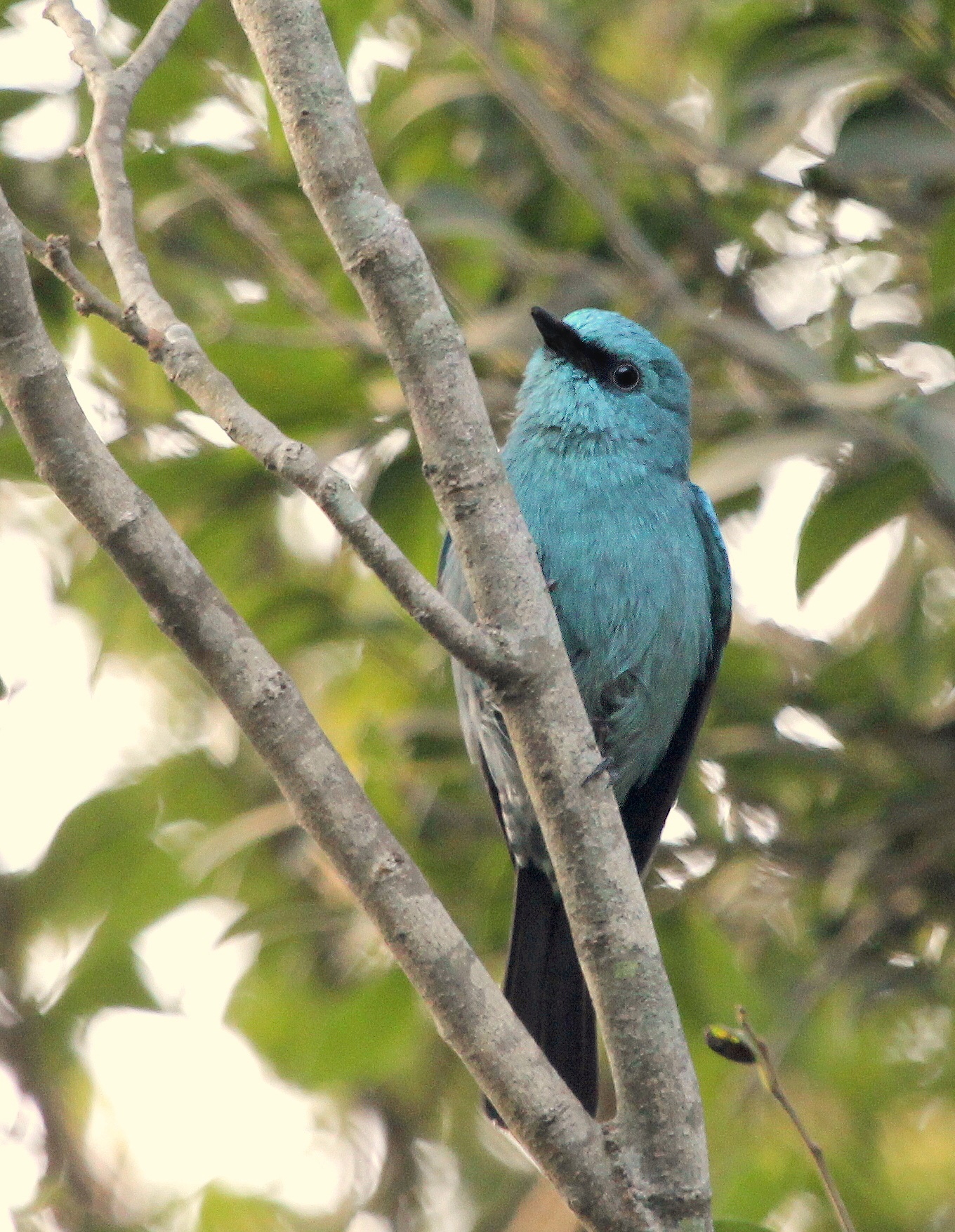
Lalbagh Botonical Gardens, Bangalore, Karnataka
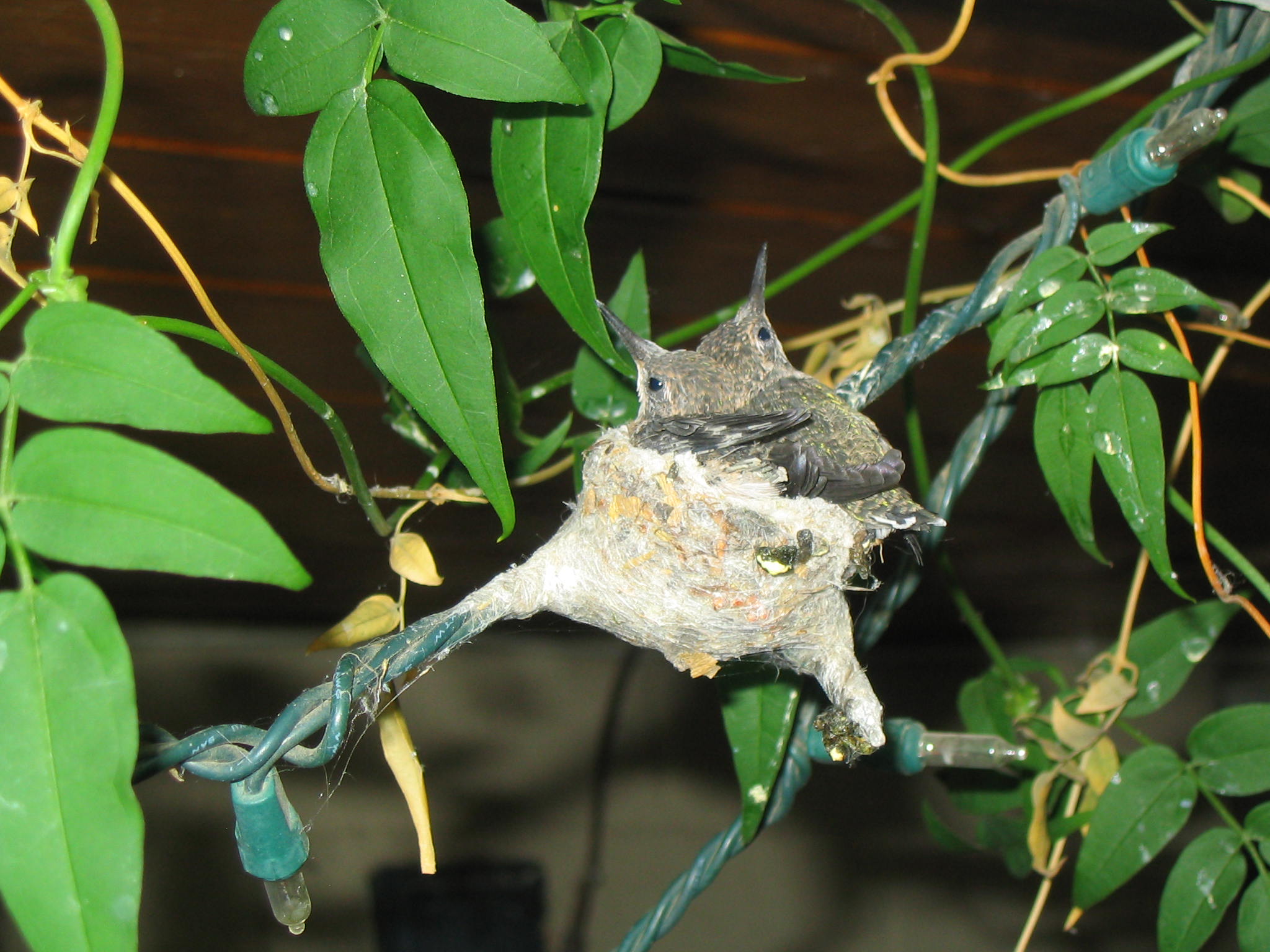
Photo by Charles Spencer, AZ
If you’ve ever watched a hummingbird for some time, you’ve probably thought that they’re one of the cutest and most exciting birds that you can find in your yard. Most would agree that it is some combination of their size, speed, vibrancy (of both color and motion), and relative rarity that can make them so appealing to us, but have you ever seen hummingbird nestlings? Or a nest, for that matter?
In the past couple years of the Funky Nests in Funky Places competition we’ve received photos of over a dozen hummingbird nests, all but one of which have been built on a man-made object! Seeing the hummingbird hatchlings poke their little beaks out of the tiny cup that the mother has created for them is a wonderful experience, and the feat of each minuscule nests’ construction becomes more impressive when you consider what the assembly materials are.
As you take a close look at the contributors’ photos shared here, you should be able to see (despite occasional blurriness) that the majority of the nest cup seems to be comprised of a silky substance. Surprisingly enough, much of this is spider web! Also known as spider silk, these strands of what humans normally think of as a fragile material (though some species of spiders produce silk with a higher tensile strength than steel) are perfect for hummingbirds’ purposes because they are sticky, light, stretchy, and strong.

Photo by Sharon Obery, IL
In the past few years at the Celebrate Urban Birds Funky Nests in Funky Places competition we have seen a fair number of nests found by contributors in their grills. And although at first it might seem surprising to learn that so many people are finding nests there (and, as you can see from their captions, the photographers are usually pretty shocked to open up their grill and encounter eggs or nestlings!), if you think a little about what certain bird species look for in a nesting location, grills actually make sense as nest homes. Why? Well, let’s review a couple facts about bird nests.
First off, many species will always nest in a protected hole, or cavity. The most common of these that you could find around your house include (but aren’t limited to) European Starlings, House Sparrows, House Wrens, and Eastern Bluebirds. Next, we should remember that the most important factor for a nest location is its capability to provide shelter and protection from predators. Does it sound like a grill would meet these requirements? Here’s some of their nest-worthy qualities:

San Francisco Bay Trail, CA
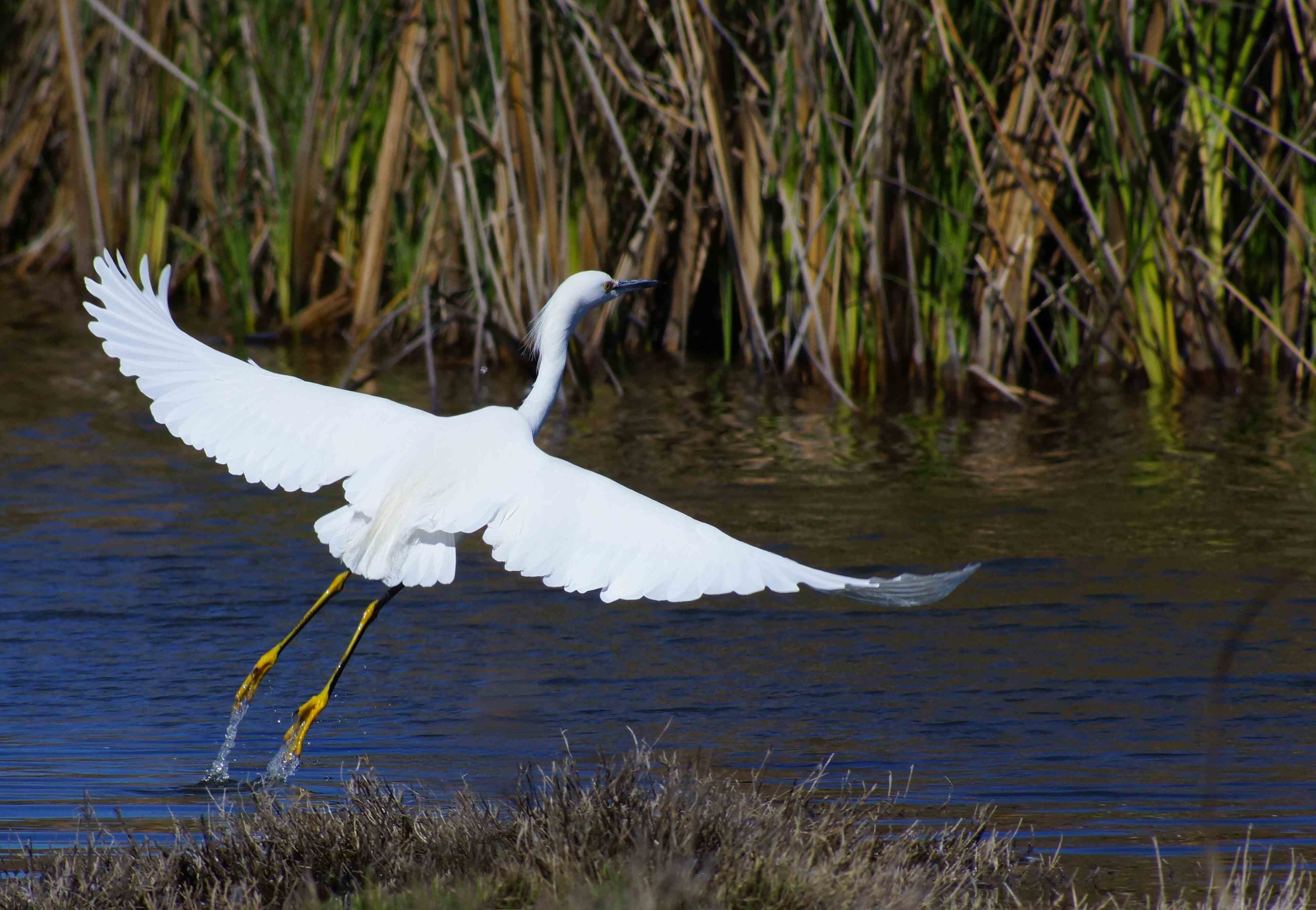
San Francisco Bay Trail, CA
 Organikos