As Wild As It Gets

Greg Carr says Gorongosa is a “human development and conservation project". PHOTO: BBC

Greg Carr says Gorongosa is a “human development and conservation project”. PHOTO: BBC

What does it take to restore a wildlife hotspot? To put some animals back in, develop and sustain the environment so more animals return, and hold up the model as a means to uplift communities, and thereby the nation? The answer is Gorongosa National Park – a Mozambican safari paradise.

In 1962, six-year-old Vasco Galante was treated to his first cinema trip – to see Charlton Heston in the Hollywood epic, The Ten Commandments. But despite the blockbuster’s eye-popping sequences, the images that most impressed young Vasco came from a short advert shown before the film, which showcased the elephants, lions and buffalo in the verdant floodplains of Gorongosa National Park – a Mozambican safari paradise once marketed as “the place where Noah left his Ark”.

As he left the Lisbon picture house, young Vasco vowed to visit the park one day, and more than 40 years later, he finally got the chance. But the park he encountered was a far cry from the Gorongosa of ’60s showreels that once attracted the likes of John Wayne, Joan Crawford and Gregory Peck. A brutal 15-year civil war in the aftermath of Mozambique’s independence from Portugal in 1975 had devastated much of the province, and Gorongosa, one of its key battle grounds, was almost destroyed.
Continue reading

Forging Understanding Through Food

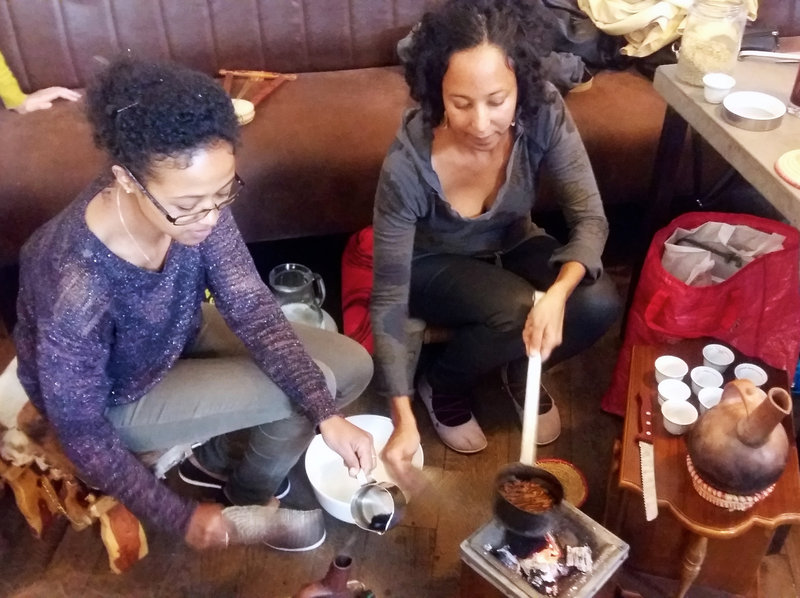
Luwam Melake (left), a recently arrived Eritrean refugee, and Saba Tesfay, who is half-Hungarian and half-Eritrean, wash, roast and grind coffee beans during a traditional Eritrean coffee ceremony. PHOTO: Lauren Frayer for NPR

Luwam Melake (left), a recently arrived Eritrean refugee, and Saba Tesfay, who is half-Hungarian and half-Eritrean, wash, roast and grind coffee beans during a traditional Eritrean coffee ceremony. PHOTO: Lauren Frayer for NPR

What are ways to combat xenophobia, an aversion to what is perceived as foreign? Especially when that involves fragile human spirits, miles away from their homelands and hoping on the faintest possibility of refuge in an alien land. Budapest is showing the way.

Customers crowd into a bustling Budapest restaurant for dinner. They open their menus, expecting to read about stuffed paprikas and Hungarian goulash.

But instead they find … Eritrean sourdough pancake bread. Afghan pie. Syrian sweets.

“It’s a little bit difficult, because not all the ingredients are available in Hungary. So a few of them are coming from Austria or other countries. But we can do it!” laughs Judit Peter, the bartender and director of special projects at Kisuzem, a trendy, bohemian bar in Budapest’s historic Jewish quarter. “People really like it. We’ve served 80 portions a day — and that’s quite a lot for a small kitchen like ours.”

Continue reading

Chile Looks Beneath the Waters

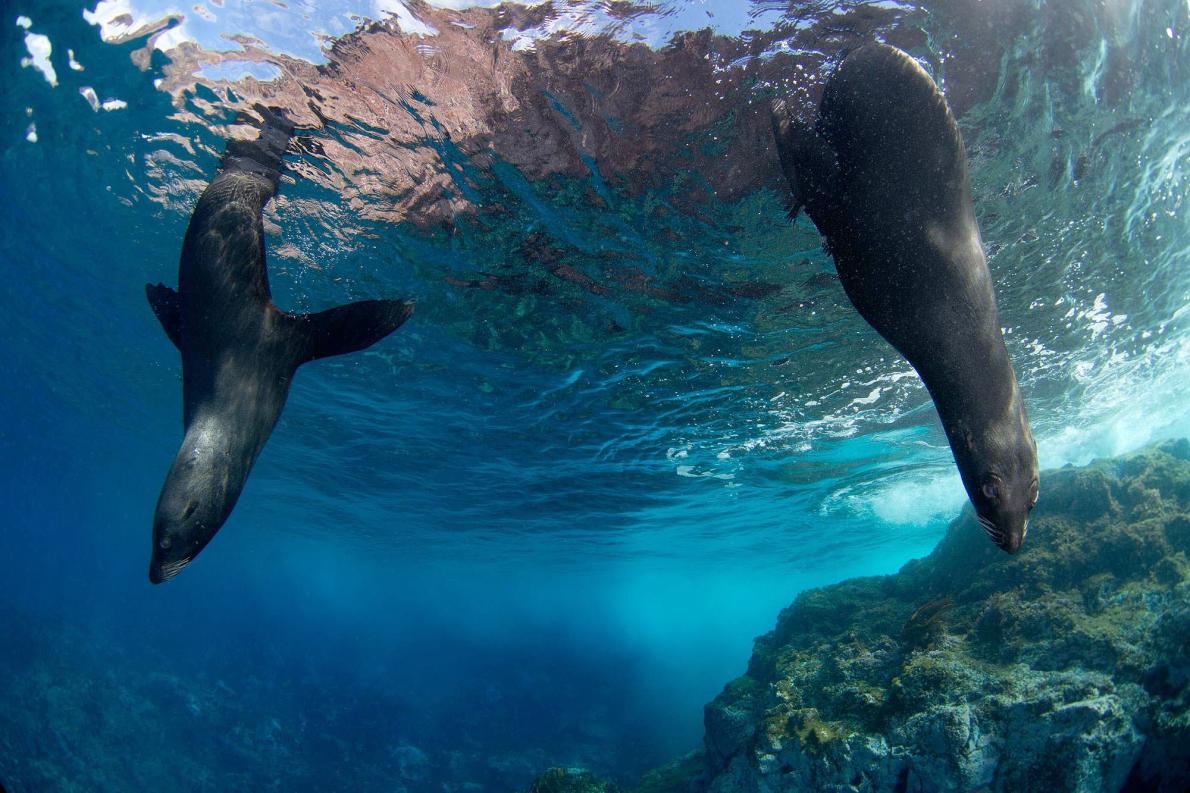
Two Juan Fernandez fur seals (Arctocephalus philippii) slide through the water off the Desventuradas Islands about 559 miles (900 kilometers) west of Chile. Divers snapped this picture during a 2013 expedition to an area that is now the largest no-take marine reserve in the Americas. PHOTO:  ENRIC SALA

Two Juan Fernandez fur seals slide through the water off the Desventuradas Islands. Divers snapped them during a 2013 expedition to an area that is now the largest no-take marine reserve in the Americas. PHOTO: ENRIC SALA

Here’s another win for those who vouch for the ecosystem wealth that lie beneath the waters. The Chilean government on Monday announced that it has created the largest marine reserve in the Americas by protecting an area hundreds of miles off its coast roughly the size of Italy.

The new area, called the Nazca-Desventuradas Marine Park, constitutes about eight percent of the ocean areas worldwide that have been declared off-limits to fishing and governed by no-take protections, says Russell Moffitt, a conservation analyst with the Marine Conservation Institute in Seattle, Washington. (Read about the world’s largest marine reserve in the Pacific Ocean.)

Continue reading

Building an Empire, A Fish at a Time

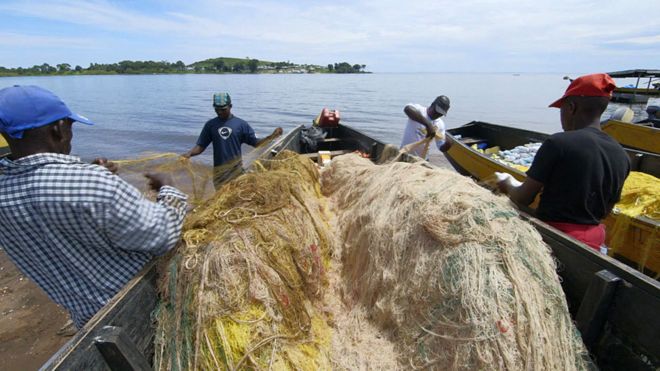
When Mama Sylvia started fishing 27 years ago, all she had was a small canoe, which she paddled with an oar. PHOTO: BBC

When Mama Sylvia started fishing 27 years ago, all she had was a small canoe, which she paddled with an oar. PHOTO: BBC

We talk about sustainable development. Often, the definition is relegated to the environment domain alone and does not cover social and human capital. The United Nations has identified gender equality as one of the key Millennium Development Goals, validating the fact that every small victory is a step forward for the larger good. Like Mama Sylvia’s story.

Gertrude Nabukeera, or Mama Sylvia as she is usually known, stands with her arms resting on her hips as she supervises a handful of men unloading the catch from a fishing boat. It’s early in the morning and the boats are bringing their night’s catch in at the Nakatiba landing site, on the island of Bugala in Lake Victoria, Africa’s largest expanse of fresh water. More than 400m long and lined with motor-driven boats, this landing site is owned and run by Mama Sylvia.There are concrete stalls from which she sells the catch of the day, and to the right an icebox the size of a freight container in which she stores the fish.

It’s unusual for a woman to be the boss of a fishing business in Uganda, or anywhere else for that matter, but even more surprising is the fact that she herself was once a fisherwoman – one fisherwoman among many, many fishermen.

Continue reading

Helping Salmon Get By

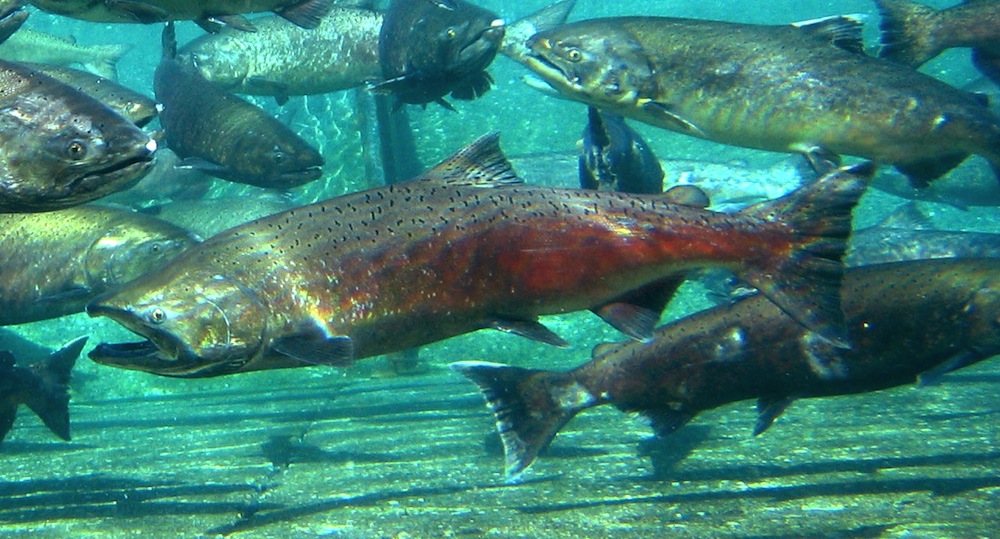
Drought and man-made obstacles lead fishery to boost releases of Chinook into Sacramento River, in hopes that a few thousand return to spawn.  PHOTO: Livescience

Drought and man-made obstacles lead fishery to boost releases of Chinook into Sacramento River, in hopes that a few thousand return to spawn. PHOTO: Livescience

To boost the dwindling population of natural chinook salmon in California, hundreds of thousands of fish are spawned and released by federal and state agencies every year. This year, 600,000 salmon were released earlier than normal because of a historic drought in California.

The California drought, the state’s worst on record, has taken a terrible toll on those already-diminished winter Chinook salmon runs. It’s not just that there isn’t enough water; there’s not enough cold water, especially after competing interests such as urban areas and big agriculture—each equipped with more political muscle than wild salmon advocates have—take their share. In 2014, the returning winter Chinook numbers were the worst that fishery officials had ever seen. In a normal year, about 25 percent of the eggs produce baby salmon healthy enough to migrate; last year, with only 5 percent surviving their infancy in the unusually warm water, nearly the whole winter run was wiped out.

Continue reading

A Clean Breath of Life

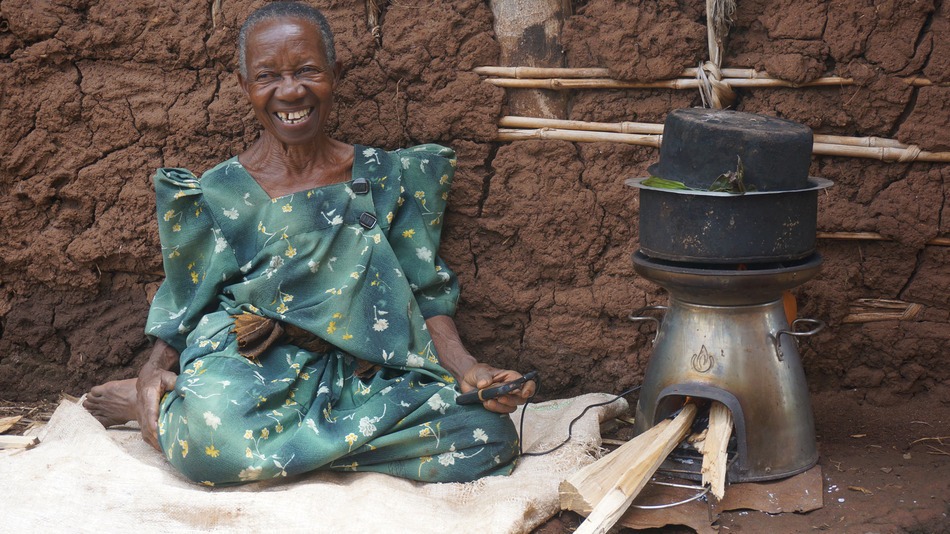
In addition to eliminating 94% of the smoke and 91% of the carbon dioxide emitted by open fires, the HomeStove can save households as much as $8 to $10 per week just on fuel, the company says. the HomeStove can save households as much as $8 to $10 per week just on fuel. PHOTO: Biolite

In addition to eliminating 94% of the smoke and 91% of the carbon dioxide emitted by open fires, the HomeStove can save households as much as $8 to $10 per week just on fuel. PHOTO: Biolite

According to the WHO, 4.3 million people die prematurely every year from illnesses attributable to household air emissions from cooking with solid fuels, which kill more people every year than malaria, HIV and tuberculosis combined. Women and children, who spend the most time near open flames in developing countries, are most at risk. And the gravity of the dangers of indoor air pollution pushed  product developers Alec Drummond and Jonathan Cedar to maximize the use of the off-the-grid stove they were initially designing for campers.

“We’d seen that by blowing air in a particular place in a wood fire, you can really improve combustion and turn a rudimentary fuel into a super hot, controllable, clean combustion process,” Cedar tells Mashable. “We were fascinated by this idea that you could take waste product and turn it into a useful energy source.”

“The question was: How do you do that without batteries, which still tie you back to the grid?” he says.

Continue reading

When Stories Travel the World

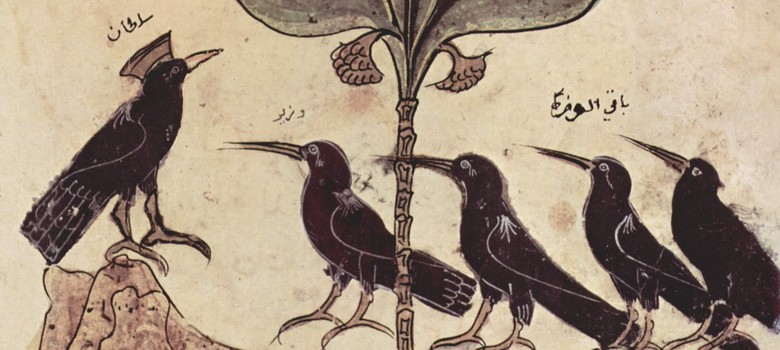
Few books have been narrated, written, re-written, translated and adapted as much as Panchatantra, the collection of tales of wisdom. PHOTO: Scroll

Few books have been narrated, written, re-written, translated and adapted as much as Panchatantra, the collection of tales of wisdom. PHOTO: Scroll

For more than two and a half millennia, the Panchatantra tales have regaled children and adults alike with a moral at the end of every story. Some believe that they are as old as the Rig Veda. There is also another story about these fables. According to it, these are stories Shiva told his consort Parvati. The present series is based on the Sanskrit original.

A king, worried that his three sons are without the wisdom to live in a world of wile and guile, asks a learned man called Vishnu Sharman to teach them the ways of the world. Since his wards are dimwits, Vishnu Sharman decides to pass on wisdom to them in the form of stories. In these stories, he makes animals speak like human beings. Panchatantra is a collection of attractively told stories about the five ways that help the human being succeed in life. Pancha means five and tantra means ways or strategies or principles. Addressed to the king’s children, the stories are primarily about statecraft and are popular throughout the world. The five strategies are: First Strategy: The Loss of FriendsSecond Strategy: Gaining FriendsThird Strategy: Of Crows and OwlsFourth Strategy: Loss of Gains and Fifth Strategy: Imprudence.

Continue reading

The Internet of Philosophy

The Stanford Encyclopedia of Philosophy now contains nearly 1,500 entries, and changes are made daily. (Installation by Marcos Saboya and Gualter Pupo. Photo by Reuters/Olivia Harris)

The Stanford Encyclopedia of Philosophy now contains nearly 1,500 entries, and changes are made daily. (Installation by Marcos Saboya and Gualter Pupo. Photo by Reuters/Olivia Harris)

The Internet is a goldmine of information, yes. In a parallel dimension, it lags in providing authoritative, rigorously accurate knowledge, at no cost to readers. The Stanford Encyclopedia of Philosophy has changed all that, beginning two decades ago.

The story of how the SEP is run, and how it came to be, shows that it is possible to create a less trashy internet—or at least a less trashy corner of it. A place where actual knowledge is sorted into a neat, separate pile instead of being thrown into the landfill. Where the world can go to learn everything that we know to be true. Something that would make humans a lot smarter than the internet we have today.

Continue reading

The BIG Backwater Conservation Story

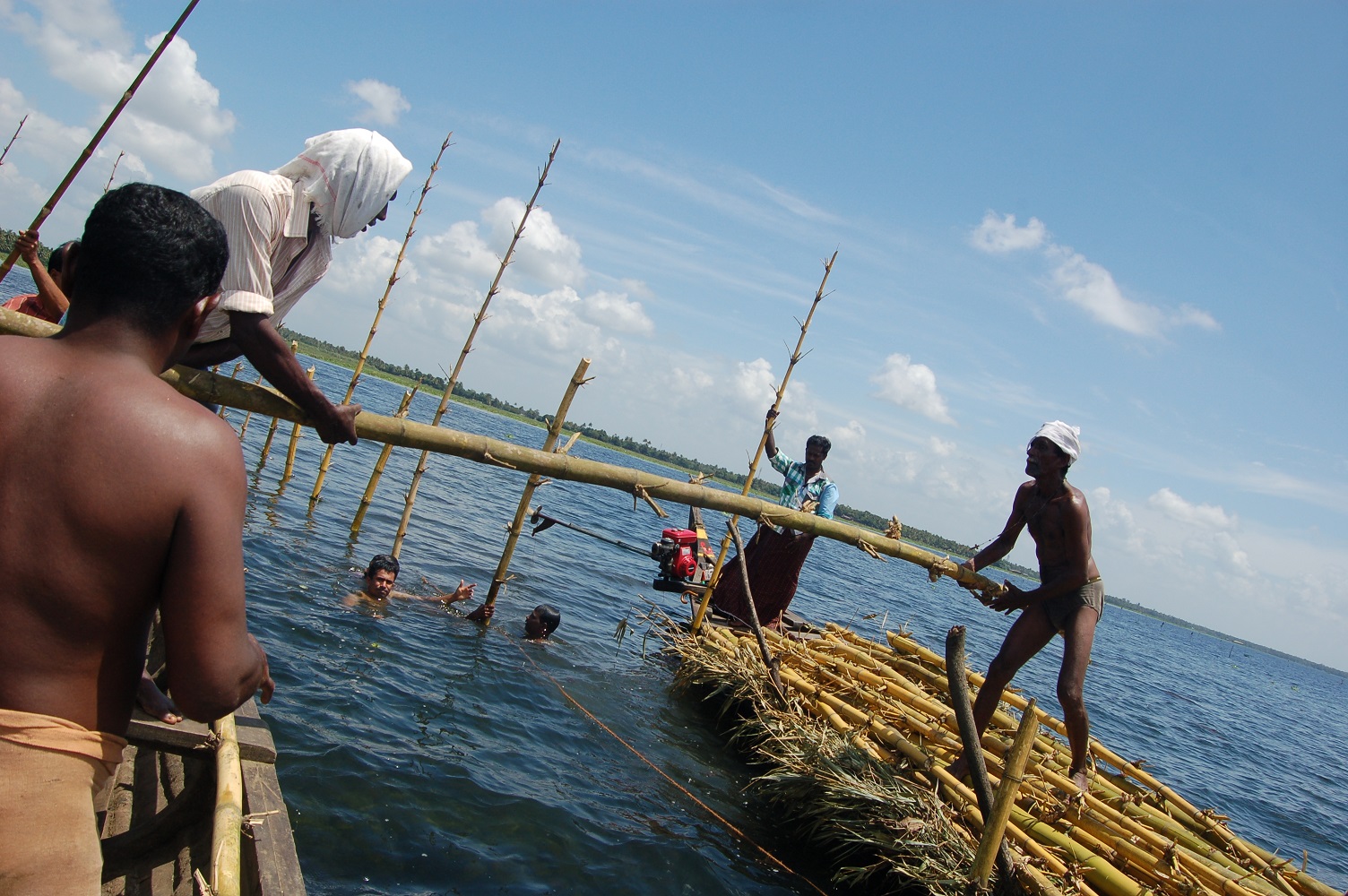
A fish sanctuary in the making on Lake Vembanad, Kerala, India. PHOTO: Scroll

A fish sanctuary in the making on Lake Vembanad, Kerala, India. PHOTO: Scroll

We love the backwaters. Period. Every single time one of our Xandari Riverscapes houseboats puts out into these deep waters, our hearts swell with pride. Responsible showcasing the charm, the timelessness of these waters and its people brings us much joy. And when we come across conservation efforts to maintain the quintessence and soul of this stretch of paradise, we can’t help but let you know.

Spread over 36,000 hectares and three districts in Kerala, this is the kind of landscape that gives conservation ecologists a blinding headache – a resource-rich, highly-productive area that is pulled apart in several directions (waste-dumping, tourism, livelihoods, water security) and depended upon by conflicting communities who have no other alternatives. Lakes have been straddling this intersection all across India – from Chilika in Odisha, to the Bengaluru urban lakes, to Loktak in Manipur, to Vembanad.

Such heavy-use landscapes outside protected areas, however, also might hold answers to the future of conservation. Whether it is a large lake system, or forest fragments that serve as the refuge of a few species or a corridor for wild animals, or a forest fringe, or large agricultural swathes that also host biodiversity, a section of conservationists believes that the future lies in teamwork between nature and mankind.

Continue reading

Bringing Food Closer in South Africa

Lakheni is a social enterprise which harnesses the aggregated buying power of low-income communities to give them access to discounted staple food.

Lakheni is a social enterprise which harnesses the aggregated buying power of low-income communities to give them access to discounted staple food.

The Global Social Venture Competition (GSVC) provides aspiring entrepreneurs with mentoring, exposure, and $50,000 in prizes to transform their ideas into businesses that will have positive real world impact. And one of the winners this year is Lakheni, a service that could serve as a low-cost replacement for brick-and-mortar stores.

Continue reading

Sustainable Seafood, from Dock to Dish

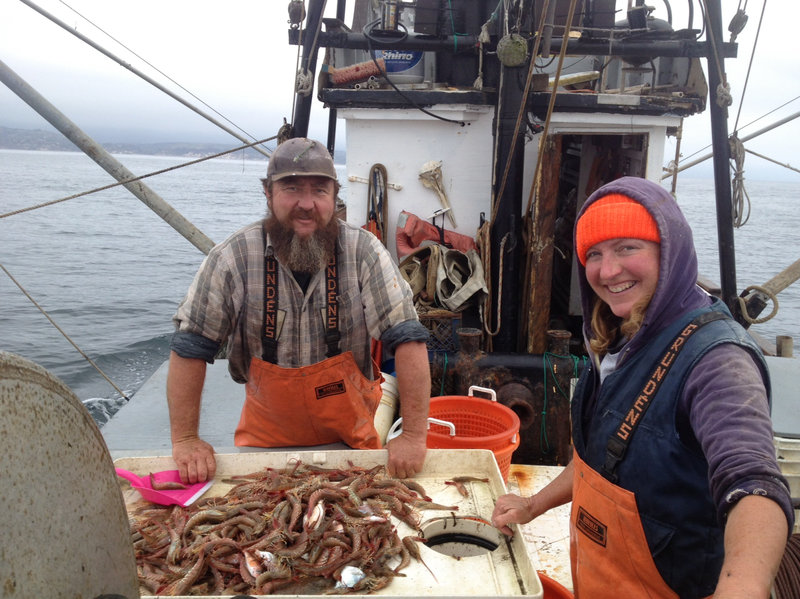
Sixteen Santa Barbara-based fishermen are participating in the Dock to Dish pilot program in California. Seen are Keith and Tiffani Andrews fishing for ridgeback shrimp on the fishing vessel Alamo. PHOTO:   Sarah Rathbone

Sixteen Santa Barbara-based fishermen are participating in the Dock to Dish pilot program in California. Seen are Keith and Tiffani Andrews fishing for ridgeback shrimp on the fishing vessel Alamo. PHOTO: Sarah Rathbone

You’ve heard of farm-to-table. At its heart, farm-to-table means that the food on the table came directly from a specific farm. Also emphasizes a direct relationship between a farm and a restaurant or store. The vocabulary of the movement is changing now to include produce from the seas, giving birth to the concept of dock to dish.

The pile of fish marks an important step toward a fundamentally different way that prominent chefs are beginning to source American seafood: the restaurant-supported fishery. Call it an evolutionary leap from community-supported-agriculture programs, which support local farmers, and community-supported fisheries, which support small-scale fishermen. Both models rely on members who share the risks of food production by pre-buying weekly subscriptions.

Continue reading

Introducing Taxi Fabric

In Mumbai, India—a city of nearly 19 million people—over 50,000 taxis pick up at least 25 to 30 people every day. For the majority of Mumbaikars, the iconic black and yellow taxis are the most convenient form of transportation in the city. And now a new vehicle of design, dialogue, and a sense of belonging – thanks to the Taxi Fabric project.

Continue reading

Costa Rica, Punching Above Its Weight, Competitively

“I’m very comfortable with the word ‘revolution,’ ” Figueres said.

“I’m very comfortable with the word ‘revolution,’ ” Figueres said.

Usually “punching above your weight” is a reference to a competition you are not prepared to win. But based on our experience in and observation of Costa Rica it means something entirely different to us. It means something more like: go for it! Give it your best even if the odds are not with you. If not you, then who?

We all have a debt, of one sort or another, to Costa Rica from my perspective if only for this reason. In so many ways it has been inspirational in an against-the-odds sort of way. And who can resist a bit of inspiration?

I shared this article with the La Paz Group teams in India and Costa Rica yesterday, with a note about how it helps understand the challenges related to climate change and what can be done about those challenges—all relevant to the 3 C’s of La Paz Group. Complicated stuff, but clearly important.

I also shared the article for another reason. The woman who features in this article is from Costa Rica, and reading it you can understand a bit better why Costa Rica is so frequently mentioned as an environmentally responsible country. This is important for all of us in La Paz Group because our journey began in Costa Rica, which started our path to Kerala, India and many other places beyond.

To give one small but important example of the long range impact of Costa Rica on La Paz Group, consider the Certification for Sustainable Tourism program developed two decades ago under the visionary leadership of the president of Costa Rica (brother of the subject of the linked article here). Jocelyn is at Xandari Costa Rica specifically to work on getting Xandari to rise up to the highest level from its current status at the second highest level of CST ranking. She has made this the foundation of her career development just after graduating from one of the world’s most prestigious academic institutions. It is impressive that she chose to do so, but equally telling about the lasting impact of Costa Rica’s commitment to sustainable development. Continue reading

Cleaning Kenya’s Slums Through a Toilet Franchise

Sanergy builds healthy, prosperous communities by making hygienic sanitation affordable and accessible throughout Africa's informal settlements.

Sanergy builds healthy, prosperous communities by making hygienic sanitation affordable and accessible throughout Africa’s informal settlements.

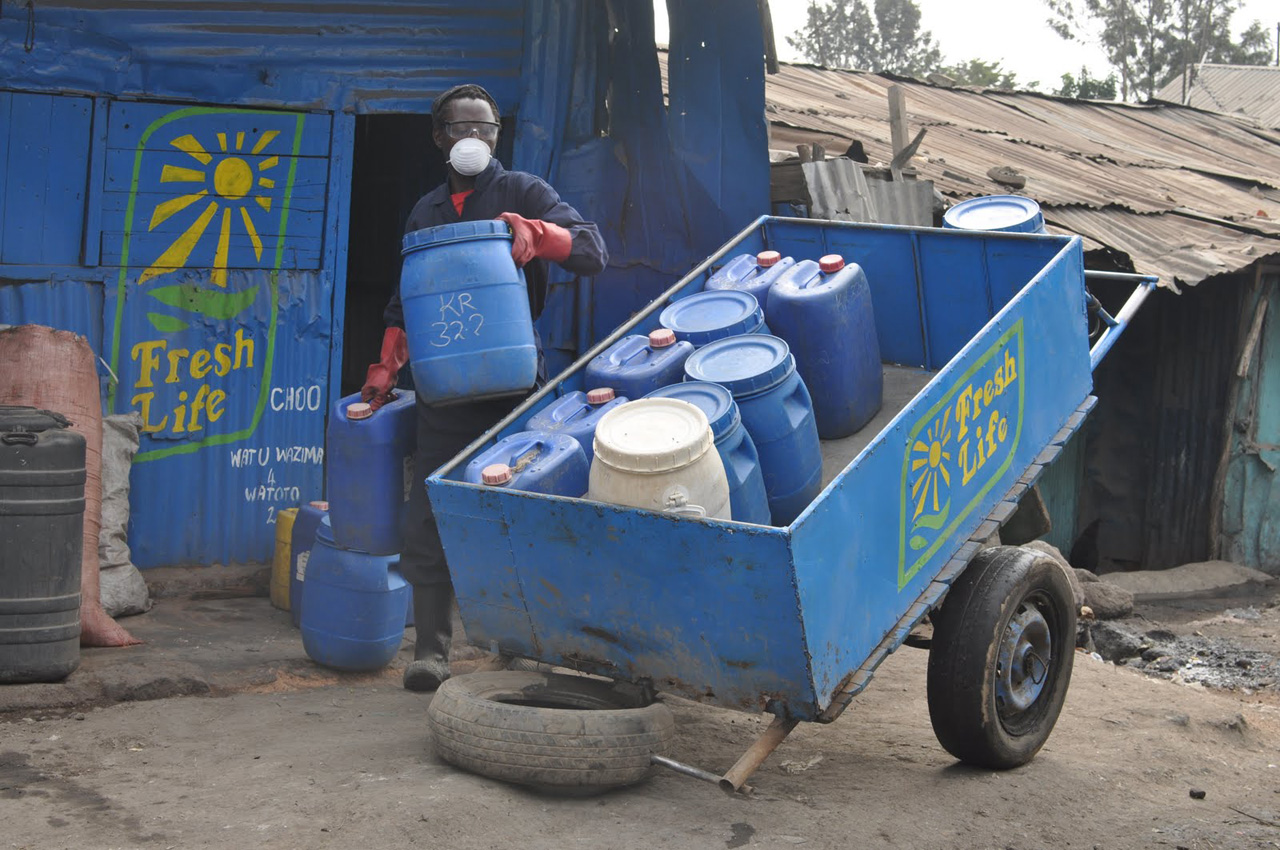
Innovations are intriguing, ones with the power to change lives more so. Add development of communities, better health and dignity of life to the equation and you can’t say no to knowing more. We are talking toilets. Do you know Caltech engineers and Kohler designers are testing a self-cleaning, solar-powered toilet that turns human waste into hydrogen and fertilizer? Then there’s Peepoople making ‘toilet bags’. Inside are chemicals that break down human waste into fertilizer, offering alternative sanitation in slums and refugee camps. Then there’s what Sanergy is doing in Kenya.

Continue reading

India to Antwerp, this Story of Diamonds

Indians have come to control almost three-quarters of Antwerp’s diamond industry.(Reuters/Finbarr O'Reilly)

Indians have come to control almost three-quarters of Antwerp’s diamond industry. (Reuters/Finbarr O’Reilly)

What New York is to the world’s money markets, Antwerp is to the global diamond trade. Antwerp is also the centre of the secondary or rough diamond market. More than 50% of global production of rough, polished, cut and industrial diamonds passes through Antwerp. Around 80% of the world’s rough diamonds are handled in Antwerp generating an annual turnover of some €30 billion. The most valuable diamonds are usually cut in Antwerp, but as the economy globalises Antwerp remains a nerve centre with much of the actual diamonds shipped out to other, cheaper locations.

Continue reading

Join the Big Butterfly Count

By spending just 15 minutes counting butterflies, you’ll be taking part in the world’s biggest butterfly survey and helping protect these precious insects. PHOTO: Wikimedia Commons

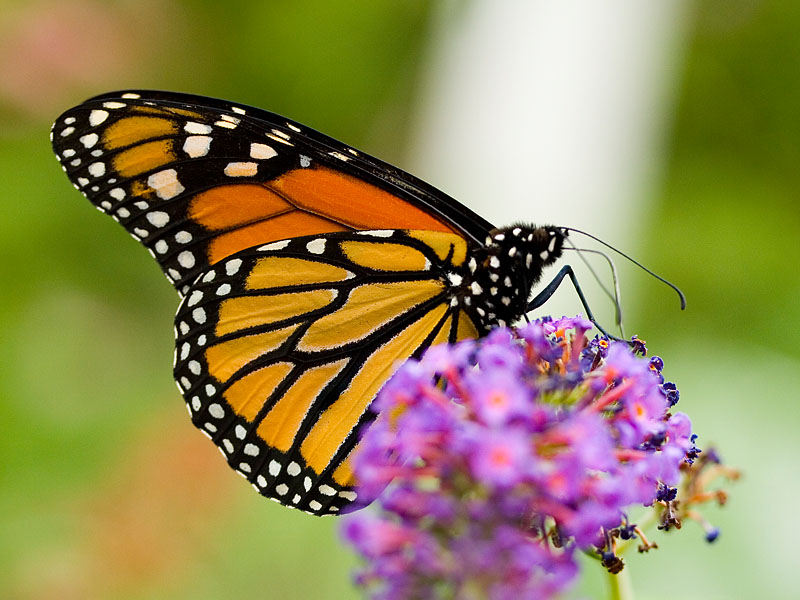
By spending just 15 minutes counting butterflies, you’ll be taking part in the world’s biggest butterfly survey and helping protect these precious insects. PHOTO: Wikimedia Commons

Butterflies aren’t just a beautiful sight, fluttering between flower heads on a sunny summer’s day, they are crucial indicators of the health of our environment. Alas the majority of UK butterflies and moths are still in major decline, they need constant monitoring and protecting. You can help do just that by taking part in Butterfly Conservation’s annual Big Butterfly Count.

Continue reading

When Fishermen Turn Scientists

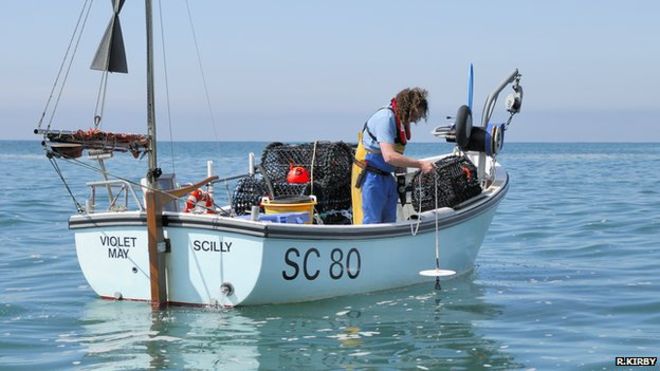
Fishermen in South Devon, UK, have turned their boats into "massive data platforms" for a citizen science study.

A research programme aims to encourage partnerships between commercial fishermen and scientists

Fishermen in South Devon, UK, have turned their boats into “massive data platforms” for a citizen science study. They have become the first commercial fishers to gather data for the Secchi Disk Study, which is gathering data on the state of the oceans’ phytoplankton. To date, there is little scientific information on the health of the tiny marine plants that form the basis of global food chains. The data will also help fishermen manage stocks.

Continue reading

The Indians Who Move Italy’s Cheese

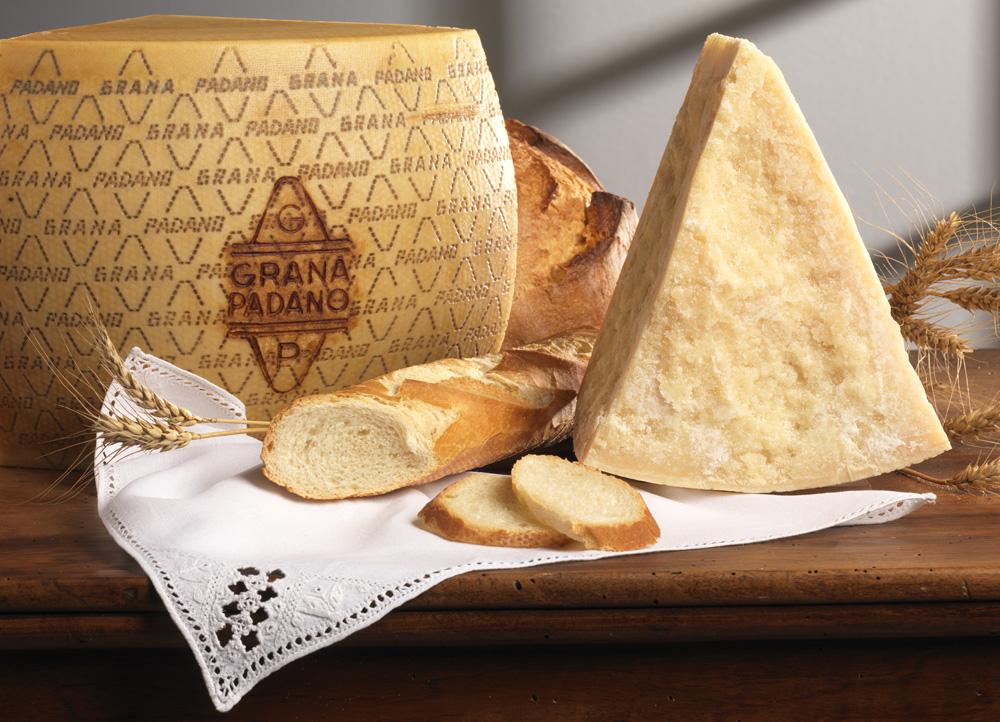
The Grana Padano cheese industry in Pessina Cremonese of Italy is powered not by locals but by Indian immigrants.

If French cheeses are best served preceding or culminating a meal, Italian cheeses are often woven into the fabric of dinner (or breakfast, or lunch). And when you look to Italy, look beyond the likes of Parmigiano-ReggianoMozarella di Bufala and Gorgonzola.Then you are bound to hear of Grana Padano. Pessina Cremonese in northern Italy is known for its hard Grana Padano cheese. But unlike other cheeses that might be made by the locals of the area, this cheese at least depends on an unusual community of immigrants: Sikhs. Nothing like food to bring communities together.

Continue reading

Guardian Pressure, Gates Commitments, Turning The Dial

Screen Shot 2015-06-28 at 7.55.55 AM

In case you have missed the campaign that the Guardian has been waging, click the image above, which will take you to their partnership site, 350.org, which we have been admirers of too. Brilliant and bold, better than anything the New York Times or any other media outlet has done in activist mode on environmental issues. You may say you want your journalism pure and objective, but on this issue, with the planet in the balance, we say not so.

Is it just coincidence that after campaigning for months now to get Mr. Gates to do something more, this good news arrives today?

Gates to invest $2bn in breakthrough renewable energy projects

Bill Gates plans to double investment in green energy technology and research to combat climate change, but rejects calls to divest from fossil fuels

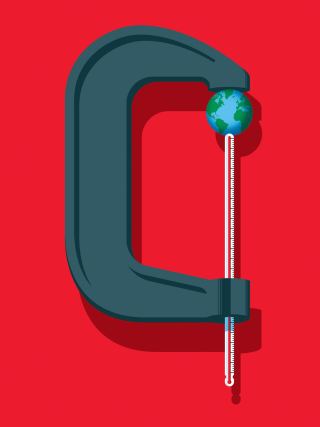
Bill Gates has announced he will invest $2bn (£1.3bn) in renewable technologies initiatives, but rejected calls to divest from the fossil fuel companies that are burning carbon at a rate that ignores international agreements to limit global warming.

Speaking to the Financial Times, Gates said that he would double his current investments in renewables over the next five years in a bid to “bend the curve” on tackling climate change.

The Bill and Melinda Gates Foundation, lead by Gates and his wife, is the world’s largest charitable foundation. According to the charity’s most recent tax filings in 2013, it currently has $1.4bn invested in fossil fuel companies, including BP, responsible for the Deepwater Horizon oil spill in the Gulf of Mexico.

In March, the Guardian launched a campaign calling on the Gates’ Foundation and the Wellcome Trust to divest from coal, oil and gas companies. More than 223,000 people have since signed up to the campaign.

Continue reading

Mind Your Language

As global trade expanded through European conquests of the East Indies, the flow of Indian words into English gathered momentum. PHOTO: EDL

As global trade expanded through European conquests of the East Indies, the flow of Indian words into English gathered momentum. PHOTO: EDL

Recently, we discussed Indian classical music as a ground of collaborations and exchanges. Cultural hegemony aside, we’d rooted for the European violin which is a mainstay at temple concerts and for the clarinet and trombone, which we may be lucky to see in music arrangements. Today, it’s about language. About how India gave the world worlds including pundit, jungle, nirvana, and more.

“Ginger, pepper and indigo entered English via ancient routes: they reflect the early Greek and Roman trade with India and come through Greek and Latin into English,” says Kate Teltscher. “Ginger comes from Malayalam in Kerala, travels through Greek and Latin into Old French and Old English, and then the word and plant become a global commodity. In the 15th Century, it’s introduced into the Caribbean and Africa and it grows, so the word, the plant and the spice spread across the world.” “The Portuguese conquest of Goa dates back to the 16th Century, and mango, and curry, both come to us via Portuguese – mango began as ‘mangai’ in Malayalam and Tamil, entered Portuguese as ‘manga’ and then English with an ‘o’ ending,” she says.

Continue reading