False Equivalence, Exhibit A?

02dakota1-master675We are concerned about false equivalence journalism, especially on environmental topics, so we have read this story twice before highlighting it. The human interest attraction is meant to be heightened by including the law enforcement perspective.

02dakota2-master675One of the most respected journalists of our time, however, seems to have committed the error right on the heels of an obviously awkward parallel story that serves as a perfect cautionary tale for false equivalence. We still recommend reading it, so you can decide for yourself:

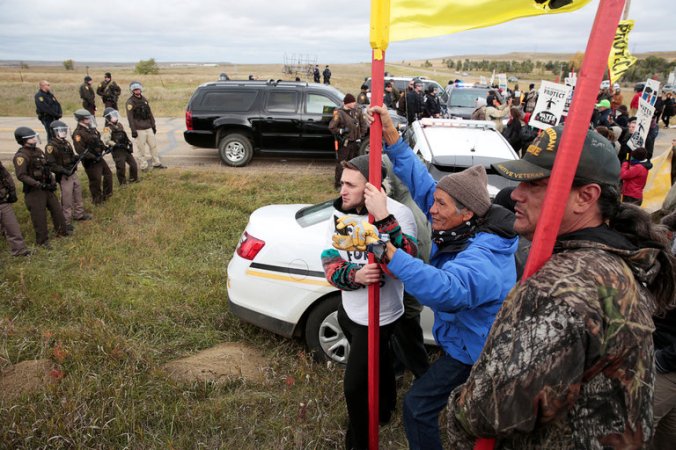

The View From Two Sides of the Standing Rock Front Lines

Dakota Access & Fairness

4500

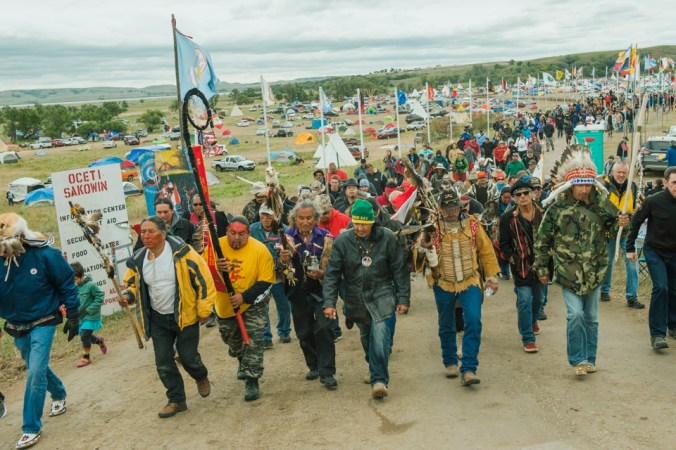
Chief Arvol Looking Horse, spiritual leader of the Sioux nation, leads his people to peacefully pray near a law enforcement barricade just outside of a Dakota Access pipeline construction site. Photograph: Stringer/Reuters

It looks hypocritical from our vantage point:

Dakota Access pipeline protesters see bias after Oregon militia verdict

Activists at the Malheur wildlife refuge were carrying guns – but ‘if native people were armed, we would be killed,’ says an activist at Standing Rock

in Cannon Ball, North Dakota

Johanna Holy Elk Face couldn’t help but chuckle. The 63-year-old Native American was one of hundreds of activists gathered to block construction of the Dakota Access pipeline on Thursday, when police with tanks and riot gear surrounded them and began making mass arrests. Continue reading

Dakota, Keystone & Resistance

29mckibbenWeb-master768.jpg

Dakota Access Pipeline protesters facing police officers in North Dakota this month. Credit Terray Sylvester/Reuters

As usual, Mr. McKibben is on the correct side of the debate and urges the rest of us to join that side and resist in solidarity:

Why Dakota Is the New Keystone

By

MIDDLEBURY, Vt. — The Native Americans who have spent the last months in peaceful protest against an oil pipeline along the banks of the Missouri are standing up for tribal rights. They’re also standing up for clean water, environmental justice and a working climate. And it’s time that everyone else joined in.

The shocking images of the National Guard destroying tepees and sweat lodges and arresting elders this week remind us that the battle over the Dakota Access Pipeline is part of the longest-running drama in American history — the United States Army versus Native Americans. In the past, it’s almost always ended horribly, and nothing we can do now will erase a history of massacres, stolen land and broken treaties. But this time, it can end differently. Continue reading

Divest, Nobel

980x-10

Thanks to 350.org for this one, via EcoWatch:

Nobel Prize, It’s Time to Divest From Fossil Fuels

350.org

Last Tuesday, Fossil Free Sweden finally received confirmation from the Nobel Foundation that it does not intend to adopt rigid sustainable investment guidelines which entirely exclude investments in the least sustainable companies on the planet—those driving climate change through the exploitation of fossil fuels.. Continue reading

Generosity’s Change Agents

Vara-Charity-1200.jpg

The rise of a new, fast-growing class of charities known as donor-advised funds represents a momentous shakeup in charitable giving in the U.S. ILLUSTRATION BY MARCUS BUTT / GETTY

Thanks to the contributors to the New Yorker’s website, we get frequent updates on topics we are interested in that might not make it into the long form reportage of the print magazine; case in point:

THE WEALTH GAP IN PHILANTHROPY

By Vauhini Vara

Each year, Stacy Palmer, the editor of the Chronicle of Philanthropy, compiles a list of the U.S. charities that have raised the most money from private sources. In the twenty-six years that the Philanthropy 400 ranking has been published, one thing has stayed constant: United Way Worldwide is at the top. (The one exception was in 1996, when the Salvation Army briefly displaced it.) But when the results started coming in for this year’s list, which was published on Thursday morning, it became clear that a new No. 1 had emerged—an organization affiliated with Fidelity Investments, called Fidelity Charitable, which has grown to become one of the most influential charities in the world. “I was stunned,” Palmer recalled. The details were especially striking. Fidelity Charitable collected 4.6 billion dollars, a twenty-per-cent increase from the previous year. United Way ranked a distant second, with donations dropping by four per cent, to 3.7 billion dollars. “Not only were they”—Fidelity—“going to be No. 1, but they were going to be No. 1 by a lot,” Palmer remembered realizing. Continue reading

More Before The Flood

Flood.jpg

We have been there, we have seen it, we have breathed it, we have witnessed enough. We are grateful to the film makers for bearing witness to a wider audience. Click above to go to the preview of the film:

Exclusive Clip: DiCaprio’s Climate Doc Exposes Destruction of Rainforest for Palm Oil as Huge Driver of Global Carbon Emissions

Rainforest Action Network

A new documentary produced and starring actor and activist Leonardo DiCaprio premieres in Los Angeles today and will be broadcast globally in 45 languages in 171 countries on the National Geographic Channel starting Oct. 30, timed to air in advance of the November elections. Continue reading

And In Other News Of Justice Related to Native Americans

gettyimages-477544415_slide-adeabb7c612c053a7083d6f756f6b0ec083cec86-s1100-c85

A road through the Gila River Indian Community in 2014. The tribe is one of 17 tribal governments the U.S. government announced Monday it had settled lawsuits with, over alleged mismanagement of land and resources. The Washington Post/Getty Images

Justice. Native Americans. Those are normally combined in the same sentence. But today, twice. In addition to the editorial here, we are happy to read the news below. Recognizing a mistake is a good first step. Taking action to fix the mistake is a great next step. Plenty more to be done on this one:

U.S. Government To Pay $492 Million To 17 American Indian Tribes

The U.S. government has agreed to pay a total of $492 million to 17 American Indian tribes for mismanaging natural resources and other tribal assets, according to an attorney who filed most of the suits.

In a joint press release by the Departments of Interior and Justice, Secretary of the Interior Sally Jewel said, “Settling these long-standing disputes reflects the Obama Administration’s continued commitment to reconciliation and empowerment for Indian Country.” Continue reading

Bill McKibben On Oil, Banks & Solidarity With A Just Cause

screen-shot-2016-09-28-at-2-50-55-pmFighting Big Oil and Big Banks to Save Sacred Lands, Precious Water and Unraveling Climate
Bill McKibben

Most Americans live far from the path of the Dakota Access Pipeline—they won’t be able to visit the encampments on the Standing Rock Sioux reservation where representatives of more than 200 tribes have come together in the most dramatic show of force of this environmental moment. They won’t be able to participate in the daily nonviolent battle along the Missouri River against a $3.7 billion infrastructure project that threatens precious water and myriad sacred sites, not to mention the planet’s unraveling climate. Continue reading

The Future Of Coffee Matters To Us For More Than One Reason

3000

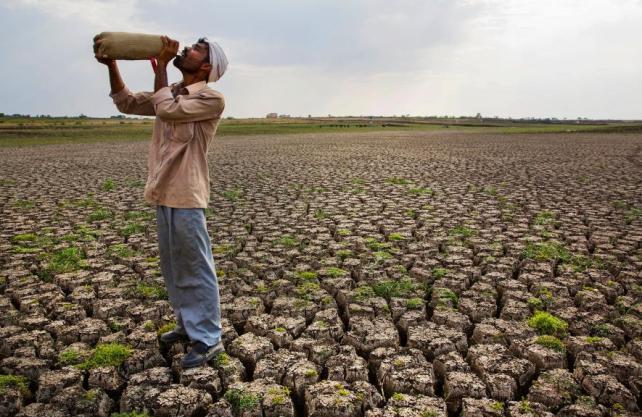
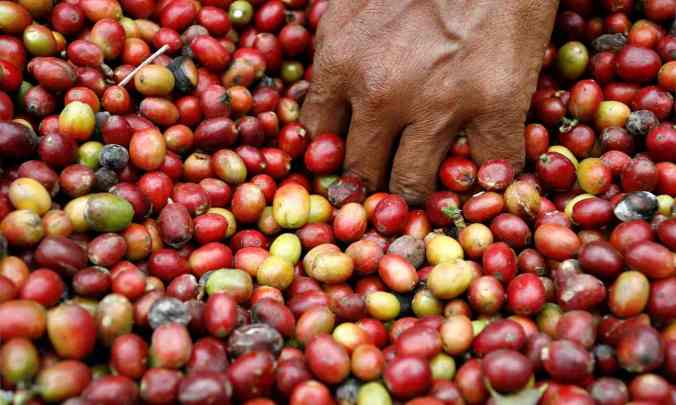
A farmer with coffee cherries from his latest crop, the seeds of which are roasted, ground and brewed to make coffee. Photograph: YT Haryono/Reuters

We work in several countries where coffee production is important to the national economy. We serve coffee in every property we have ever managed. Many of us working in La Paz Group are coffee junkies.

But more than that, as I have mentioned at least once in these pages, we care extra deeply about the future of coffee because on one of the properties we manage, some excellent arabica estate coffee is growing in the shade of a rainforest canopy. I owe you more on that topic. For now, what has my attention is ensuring the long run sustainability of this organic coffee production.

So you can be sure of where some of our team members will be next Tuesday. Join us if you can:

Climate change is threatening the world’s coffee supplies: what can we do? – live chat

Join us on this page on Tuesday 20 September, 2-3pm (BST), to debate the future of coffee, and the millions who depend on it, in the face of climate change

What we’ll be discussing Continue reading

Momentum In Tribal Territory


12tribes-listy9-jumbo.jpg

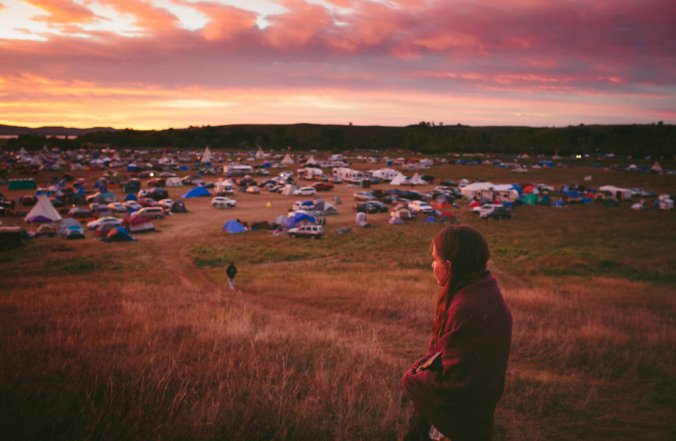
Susan Leopold, a member of the Patawomeck tribe of Virginia, watching the sun rise over an encampment where thousands have come to protest an oil pipeline near Cannon Ball, N.D.   Credit Alyssa Schukar for The New York Times

This is a great follow up to the earlier stories we read on this topic. We appreciate that the New York Times is now giving this as much attention as it deserves, and doing so with the dignity and respect that the protesters deserve:

From 280 Tribes, a Protest on the Plains

NEAR CANNON BALL, N.D. — When visitors turn off a narrow North Dakota highway and drive into the Sacred Stone Camp, where thousands have come to protest an oil pipeline, they thread through an arcade of flags whipping in the wind. Each represents one of the 280 Native American tribes that have flocked here in what activists are calling the largest, most diverse tribal action in at least a century, perhaps since Little Bighorn. Continue reading

Make Trouble When It Is Needed

lead_960 (1).jpg

Protesters demonstrate against the Energy Transfer Partners’ Dakota Access oil pipeline near the Standing Rock Sioux reservation in Cannon Ball, North Dakota, U.S. September 9, 2016. REUTERS/Andrew Cullen

We are happy that the trouble-maker who brought this to our attention, and those pictured above are heard by the Trouble-Maker-In-Chief of the USA (who we hope uses his remaining four months in that office to similar good effect):

The Obama Administration Temporarily Blocks the Dakota Access Pipeline

The surprise move came after a federal judge declined to stop the 1,100-mile fossil fuel project’s construction.

The Standing Rock Sioux Tribe and the hundreds of Native protestors who have joined them in rural North Dakota won a huge but provisional victory in their quest to stop the Dakota Access pipeline, as the U.S. government announced late on Friday afternoon that it was voluntarily halting work on the project. Continue reading

World Orangutan Day

tnc_56625009_preview_cropped

An orangutan in Tanjung Puting National Park in Borneo, Indonesia. All photos from: The Nature Conservancy

About a week ago we celebrated World Lion Day. Today we celebrate a different, long-limbed animal that likes to climb trees, the Orangutan. There are two species of this magnificent arboreal ape, both of which are facing potential extinction due to deforestation, poaching, the illegal pet trade and forest fires. As of last month, the status of the Bornean orangutan was classified as “critically endangered,” but conservationists are not giving up and are taking significant measures to improve forest management by working together with local communities and developing public-private partnerships.

The harmony between humans and apes began to unravel with the arrival of European explorers, who hunted them extensively during the 19thcentury. But it was not until the mid-20th century that human activities began to imperil orangutans’ existence. Extensive deforestation not only directly threatened orangutan habitat, it made the forest more easily accessible to humans. This led to both conflicts with orangutans, as the apes will eat crops, and made it easier for poachers to hunt the animals.

Continue reading

Preserving Darkness

13darksky-web01-superjumbo

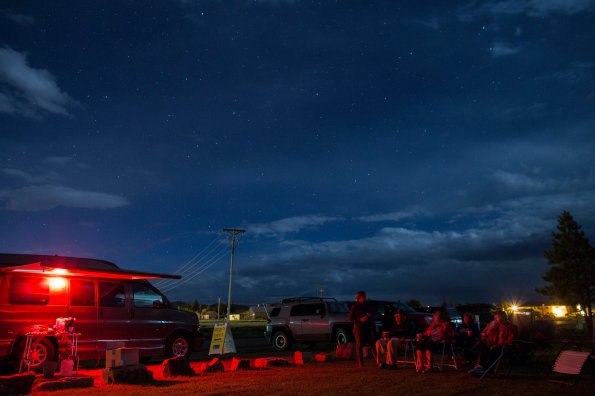
Members of Dark Skies Inc. look for meteors in Westcliffe, Colorado. Source: New York Times

A few days back we wrote about the Perseid meteor outburst taking place between August 11th and 12th and I sincerely hope you had the opportunity to find a remote location with low night pollution to see it because it was truly a cosmic phenomenon (we lay some futon cushions on the back of a pick-up truck, drove out to an area of Gallon Jug fields at three in the morning, and laid back to gaze at the meteor shower).

A couple thousand miles away, residents of towns in the Wet Mountain Valley of southern Colorado, Silver Cliff and Westcliffe, were able to enjoy the display early Friday morning because even from the town’s limits they can see the Milky Way. It is rare to find a town with such low light contamination, but it isn’t a coincidence. Locals have sustained efforts for more than a decade to dial down on the outdoor lighting by not only dimming the light potency but also requiring lights to face downward. These communities are preserving the beauty of gazing out into a star-filled night sky and have benefited from the visitors who started to visit for the purpose of stargazing. Here’s the story as reported by the New York Times:

WESTCLIFFE, Colo. — As people around the world stepped into their backyards or onto rooftops to peer up at the annual spectacle of the Perseid meteor shower early on Friday morning, few of them had a view like Wilson Jarvis and Steve Linderer.

Continue reading

Car-sharing Greatly Reduces Carbon-Output

Image via car2go.com

I’ve never owned a car myself, because friends and family have always had one. While a student at Cornell, a couple of my friends used the Zipcar service, and that’s something I’d have used if I didn’t have the opportunity to borrow a car or share a ride with housemates for grocery shopping every other week (when I didn’t bike or bus to the store instead). But you don’t need to do any math to realize that a car-sharing service is almost certainly going to result in a reduction of carbon dioxide output, even if it’s not as environmentally friendly as biking or taking public transportation. Conservation Magazine reports on a new study quantifying the use of the Car2go service in five cities over three years:

Car-sharing is quickly gaining popularity in cities around the world. Proponents say that it’s a green way to get around town. In a report published in July, researchers calculated car-sharing’s precise impact by analyzing the car-share service car2go in five North American cities. Each car2go eliminated up to 11 privately-owned vehicles from the roads and prevented 10 to 14 metric tons of carbon dioxide emissions per year, they found.

Continue reading

Honoring World Lion Day

01-asiatic-lion-ngsversion-1470838592918-adapt-885-1

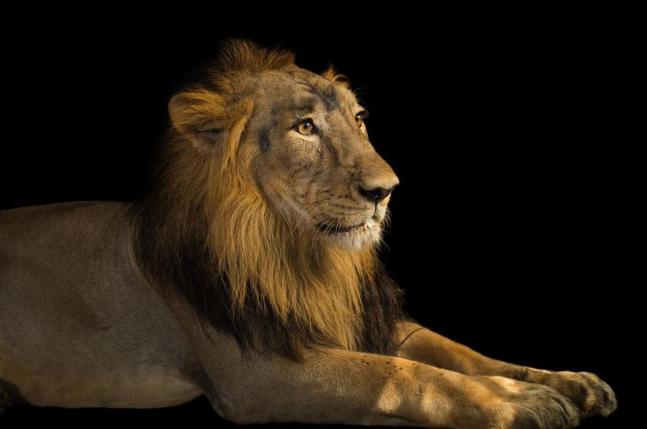
A male Asiatic Lion. Source: National Geographic

In celebration of World Lion Day (August 10th), here’s a motivational and uplifting conservation story of Asiatic Lions in west India’s Gir National Park:

The Asiatic lion once roamed vast swaths of the Middle East and Asia, but indiscriminate hunting and killing to protect livestock led to their mass slaughter. By the late 1800s, as few as 10 of the animals remained on Earth.

Their last refuge became western India’s Gir National Park, a protected area where these endangered animals are now on an upward trend. According to a 2015 census, a little more than 500 lions—the world’s total wild population—live in Gir, up from 411 in 2010. In comparison, about 20,000 African lions remain in the wild. (See a map of the lion’s decline worldwide.)

Continue reading

Keep Up Your Sustainable Efforts

5611

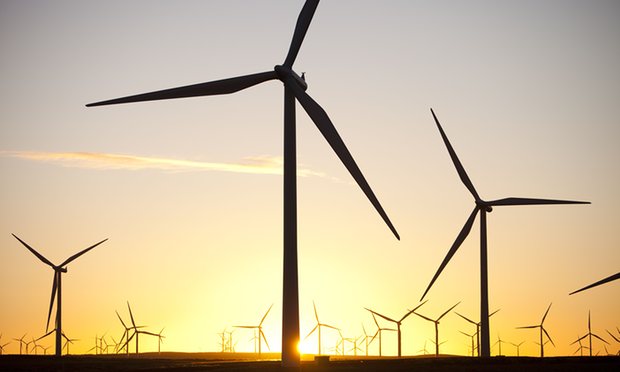
Source: The Guardian

Some positive news for all sustainable development worldwide (so yes, please continue your individual efforts to reduce your energy consumption and mitigate your carbon footprint, because they are paying off):

The amount of coal, oil, gas and renewable energy used by the global economy is falling quickly, a clear sign that economic growth is having less of an impact on climate change than in the past, according to new data from the U.S. Department of Energy.

The measure of the amount of energy that is used per unit of gross domestic product is known as energy intensity, and it’s an important indicator in the progress countries are making in tackling climate change. Globally, energy intensity has fallen 30 percent since 1990 and about 2 percent between 2014 and 2015.

Continue reading

New Zealand Plans to Eliminate Invasive Mammals

Illustration of a Brown Kiwi chick. A History of the Birds of New Zealand. 2nd ed. by W.L. Buller (London, 1888). page 326 via WikiMedia Commons

It is not surprising that one of the nations that stands to lose the most from invasive mammals is also the first country in the world to announce its ambitious plan to remove them all by 2050, but the islands of New Zealand have a lot of work ahead of them to eradicate animals like rats, stoats, and possums – around nineteen and a half million US dollars worth of work, which will be the government investment in a new public-private joint venture called Predator Free New Zealand Limited . And now that deforestation has been controlled better, it’s time to protect the country’s wildlife another way. The kiwi illustrated above, for example, is one of five species in New Zealand, all of which are threatened or endangered, or critically endangered, thanks to predation by invasive mammals that the flightless birds can’t avoid.

Continue reading

Out of Sight, Out of Water

acquifer_zpsl4jzg8aa

Source: National Geographic

As a person who’s had the privilege to live her entire life in areas that have access to potable municipal water, I view water as an environmental commodity that only involves the twist of a faucet knob to obtain it (as I think most people who have enjoyed the same privilege do). Even when the water supply was cut off for some unknown reason, getting usable water was as simple as going to the closest convenience store and purchasing a five gallon jug or waiting for the daily Costa Rican downpour in the rainy season to collect some rainwater in large bins.

I have read, studied, and heard of the diminishing freshwater reserves on our planet and it is always on the back of my mind whenever I turn on a faucet to wash dishes, take a shower, brush my teeth, etc. I am frugal with my water consumption, but that is not enough. The fact that it is so easily accessible leads to the classic conundrum of  ‘out of sight, out of mind.’   Continue reading

A Tetra Pak Social Experiment

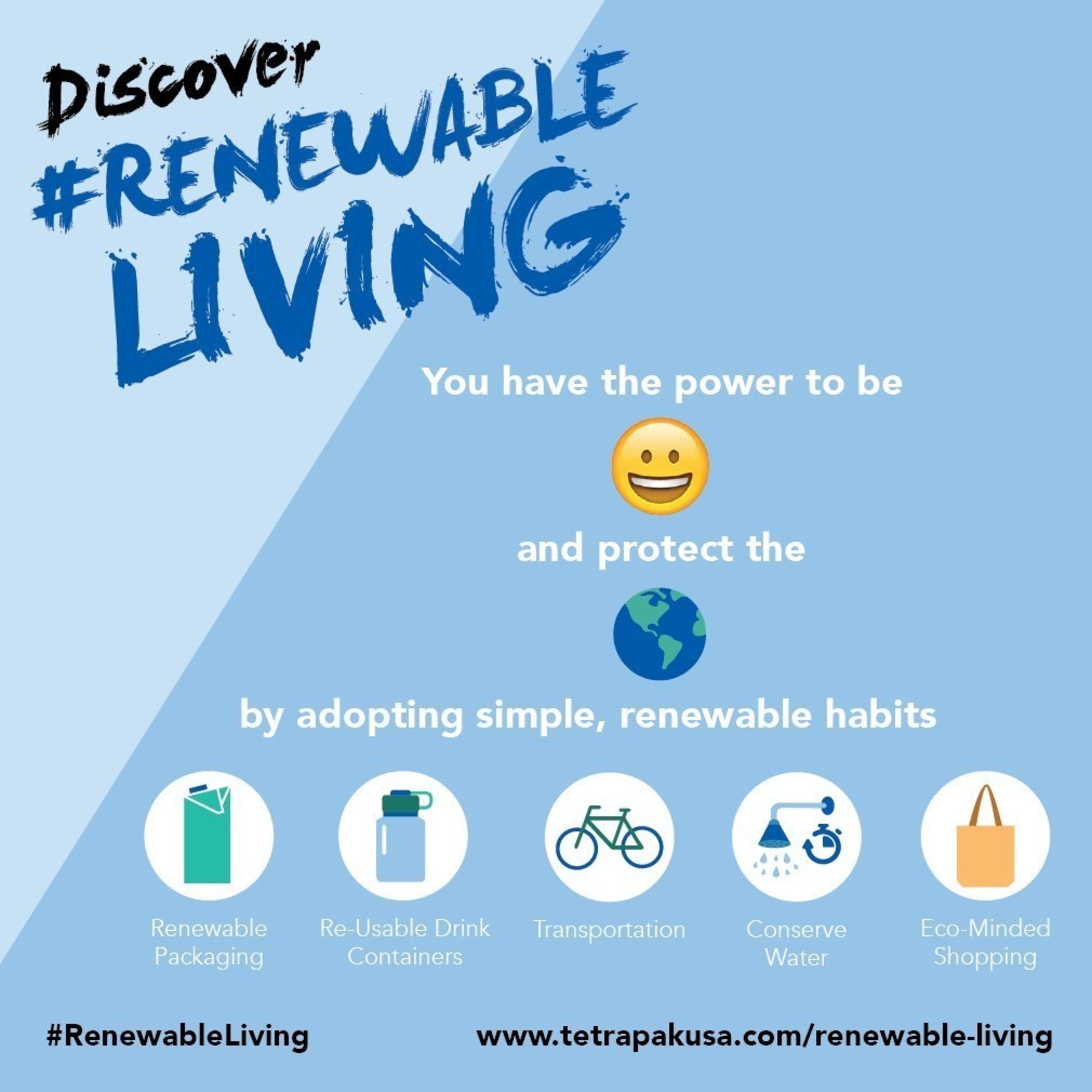
The packaging company Tetra Pak, perhaps best known for its milk cartons, is also dedicated to eco-efficiency and recyclability of its materials. Recently, they put together a study with the participation of ten women who maintain lifestyle blogs while also being mothers. Tetra Pak wanted to explore the sense of happiness that comes from practicing a small renewable habit every day, like using reusable bottles, choosing renewable product packaging, switching one outdoor habit to an indoor one, and others. Here are their key takeaway points from a white paper they released:

1. Start small and start now. Don’t over plan or procrastinate. Choose a habit you can change today and begin. Immediate, incremental changes can quickly become more automatic and result in increased happiness.

2. Cues are the key. Choose a behavior associated with a situational cue and make it more renewable.

3. Make a pact with yourself. Like a New Year’s resolution, commit to a goal and set out to achieve it. A personal contract may help to solidify the commitment, i.e. “When I encounter situation X, I will perform behavior Y.”

Continue reading

Fighting Flouting Fishing Fleets

3888

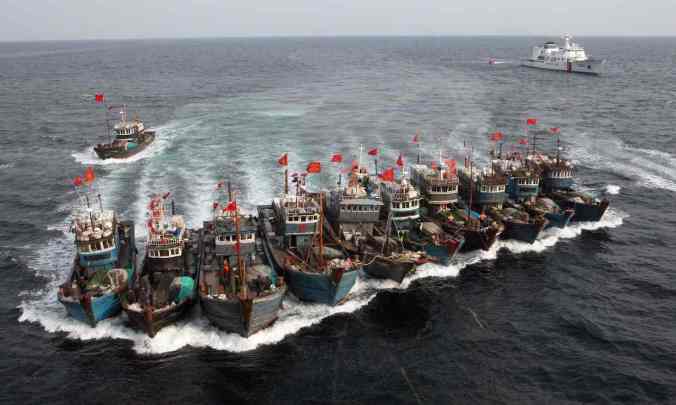
Chinese boats banded together with ropes, after alleged illegal fishing in South Korean waters in the Yellow Sea off the southwestern coast county of Buan. Photograph: Dong-A Ilbo/AFP/Getty Images

Tragedy of the commons on the high seas, fought by those who perceive their interests in common enough to do something about it (a tricky thing, as we note frequently), once again in the news.  Thanks to the Guardian, and environmental reporter Emma Bryce, for this reportage:

Tens of countries sign up to shut pirate fishers out of their ports

The first of its kind, a new international treaty obliges signatories to intercept pirate fishers before they can sell their catch

In March, the Argentinian coast guard shot at and sank a Chinese vessel that was alleged to be fishing illegally in Argentinian waters (the crew were all rescued). While it’s unclear whether the boat was committing crime, the incident showed that the tension surrounding pirate fishing is reaching a peak, marked elsewhere by increasing conflict, and the detainment and scuttling of illegal fishing fleets. But for pirate fishers, the financial gains appear to be worth these risks. Continue reading