
Yanacocha Reserve, Ecuador
Yanacocha Reserve, Ecuador
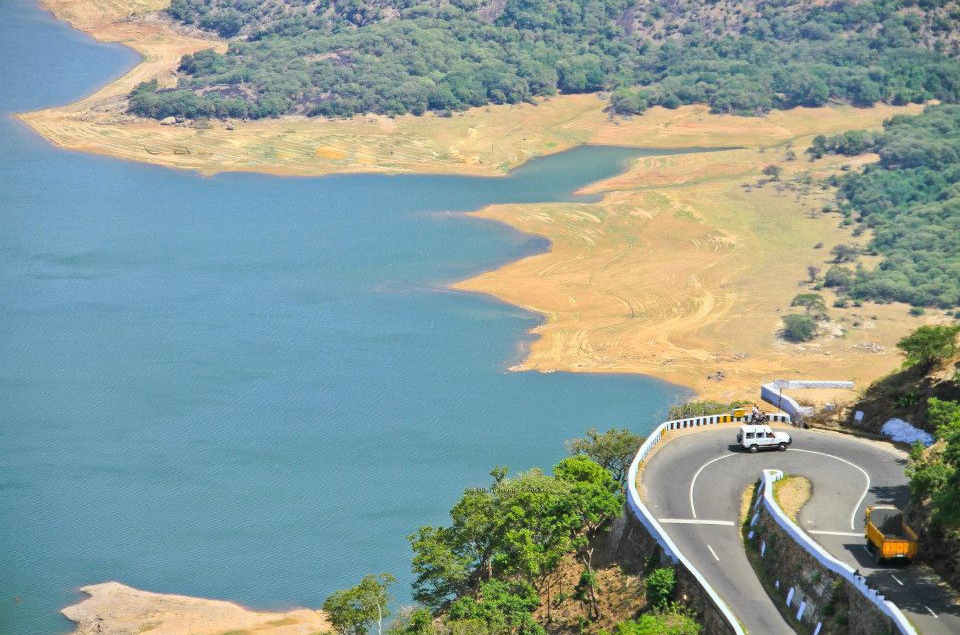
Photo credits: Dileep
Aliyar dam is situated in the Coimbatore district of Tamil Nadu. Constructed over a ten year period between 1959-1969, Aliyar dam is the source for canal irrigation for large tracts of agricultural lands in the bordering regions of both Kerala and Tamil Nadu. Continue reading
Kabini Backwaters, Karnataka
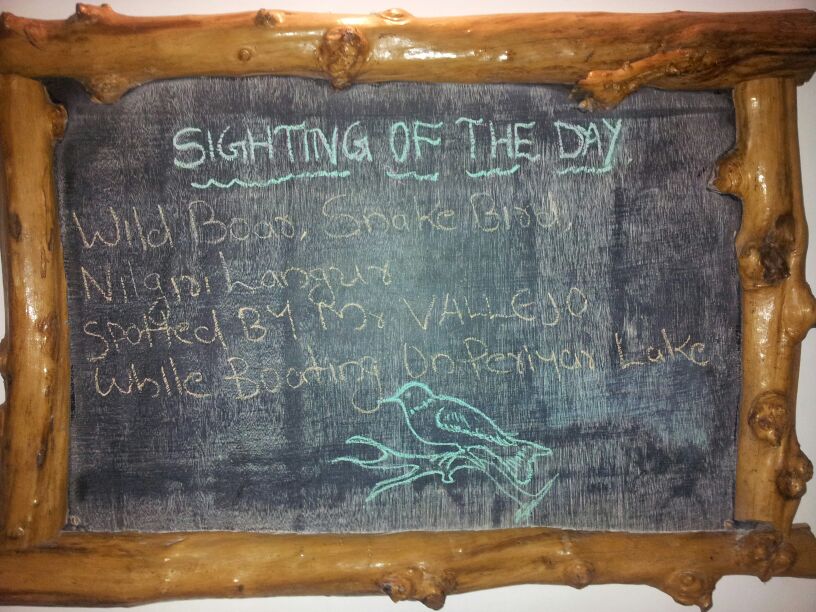
Sighting of the day
It has been a while since we have shared our guest sightings at the Periyar Tiger Reserve. Some guests carry cameras to capture every moment and some just like enjoying the moment. Our reception chalk board gives people the opportunity to share those experiences with others–in this case not in photos but their memories.


Photo credits: Surus
Pathiramanal is a small island located in the backwaters of Alappuzha District, about 2 kilometers from the Muhumma boat jetty. Many rare varieties of migratory birds from different parts of the country come here to nest, adding to the scenic beauty of its location on Lake Vembanad. Continue reading
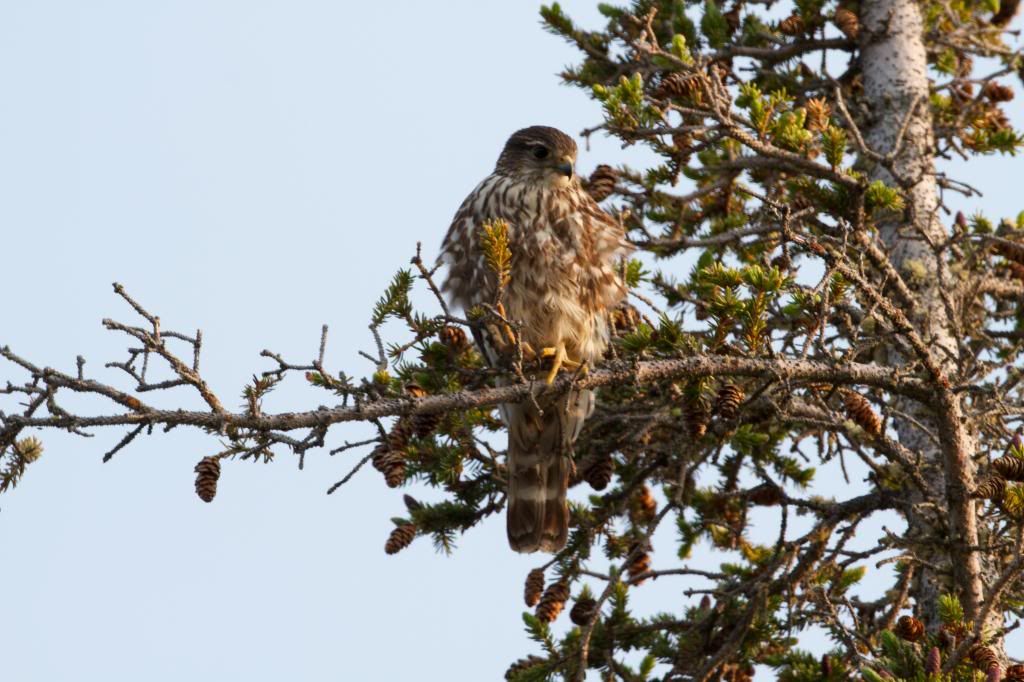
Churchill, Canada
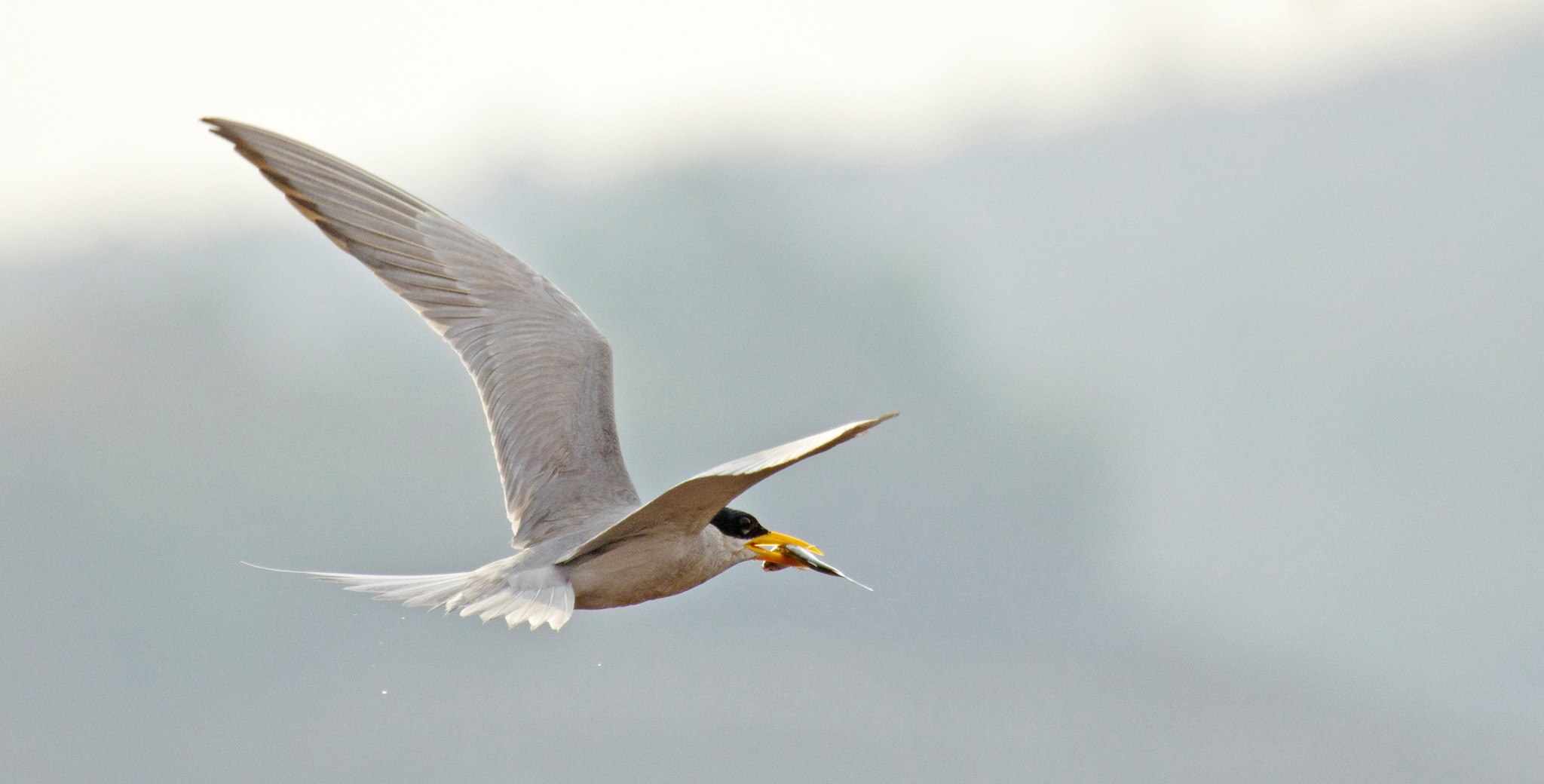
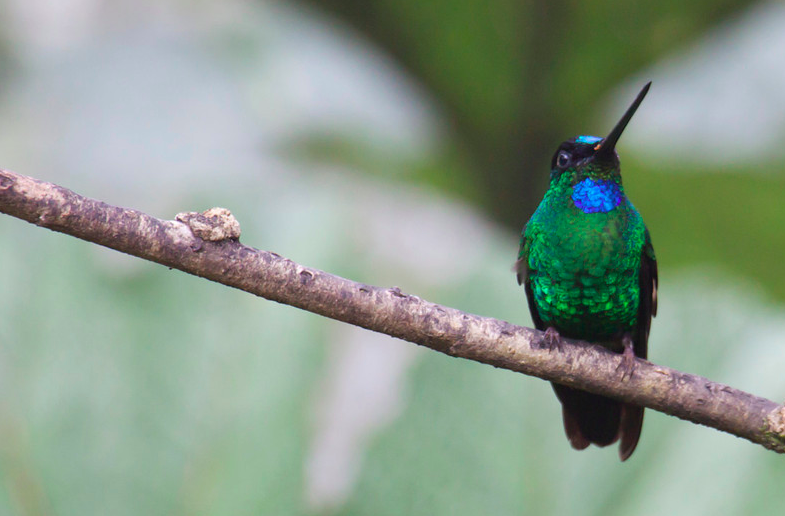
Yanacocha Reserve, Ecuador
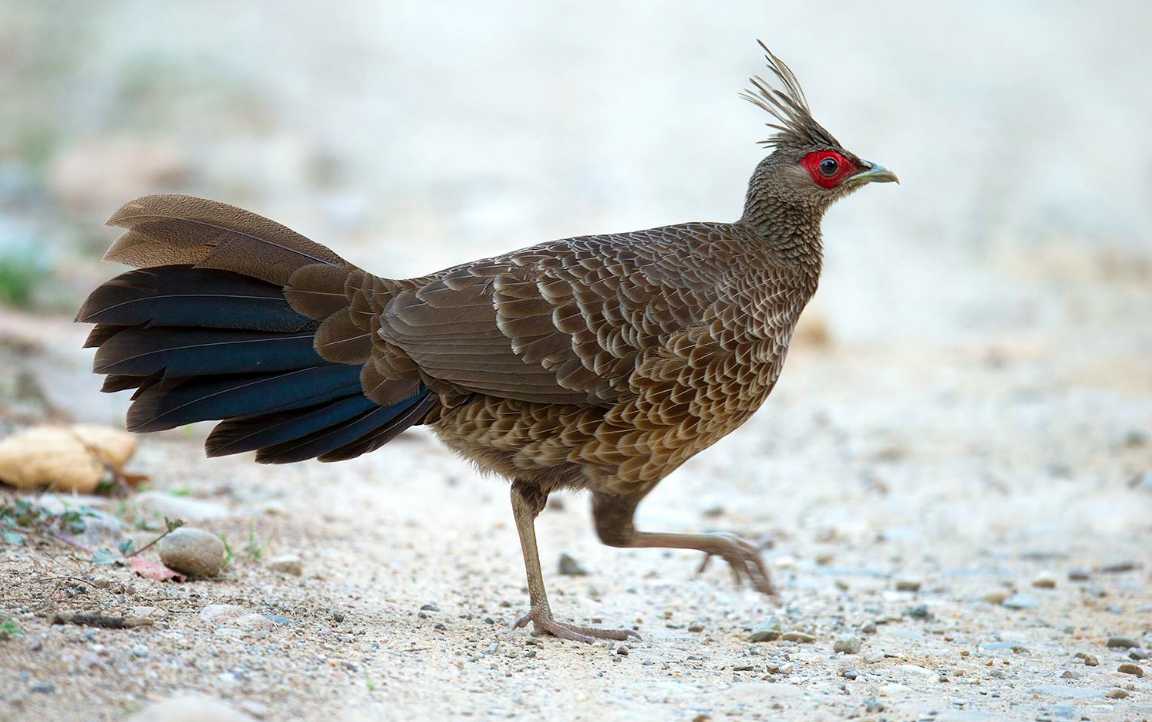
Corbett National Park, Uttarakhand
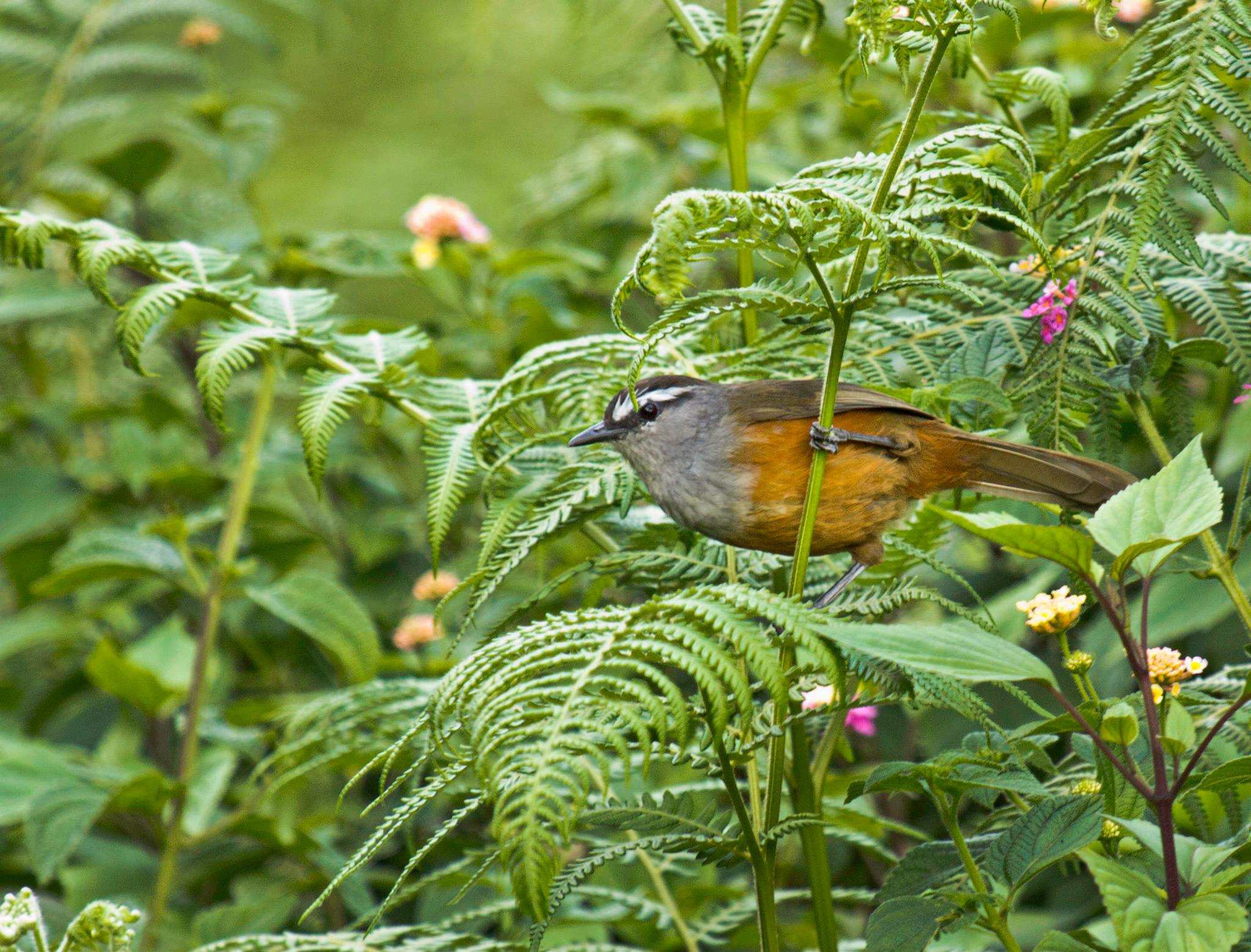
Munnar, Kerala

Photo credits: Basheer
Mararikulam beach is located 28 km south of the city of Cochin and 20 km north of Alappuzha town. This nature lover’s paradise is a beautiful beach with the exceptional quality of wide expanses with no waterfront development to mar the views. Continue reading


Photo © Fabrice Jaine
I’ve noticed a number of positive and interesting developments as of late in the area of marine species protection, pointing to an increasing recognition, by policymakers, of the value of natural capital and associated ecosystem services, particularly the value arising from ecotourism.
In February of this year, the Government of Indonesia granted full protection to manta rays within its nearly 6 million square kilometer exclusive economic zone (EEZ), making it the world’s largest sanctuary for manta rays. This reverses the trend of the past three decades wherein Indonesia has had the dubious distinction of being home to the world’s largest fishery for sharks and rays. Why the reversal? It seem that studies showing that the ecotourism value of a manta ray is an estimated $1 million over its lifetime, as compared to the onetime value of several hundred dollars for its gill rakers and meat played a key role in persuading policymakers to take action to protect the iconic species.
A few weeks later, the President of Palau announced that the country’s entire 200 nautical mile EEZ will be declared a marine sanctuary and closed to commercial fishing and seabed mining. This follows a move a few years earlier to declare Palau a shark sanctuary. In explaining the reasoning behind the moves Palau’s president noted that a dead shark is worth several hundred dollars, whereas a live shark is worth $1.9 million in tourism during its life span, and that his country will promote scuba diving, snorkelling and ecotourism as an alternative income to commercial fishing. Continue reading
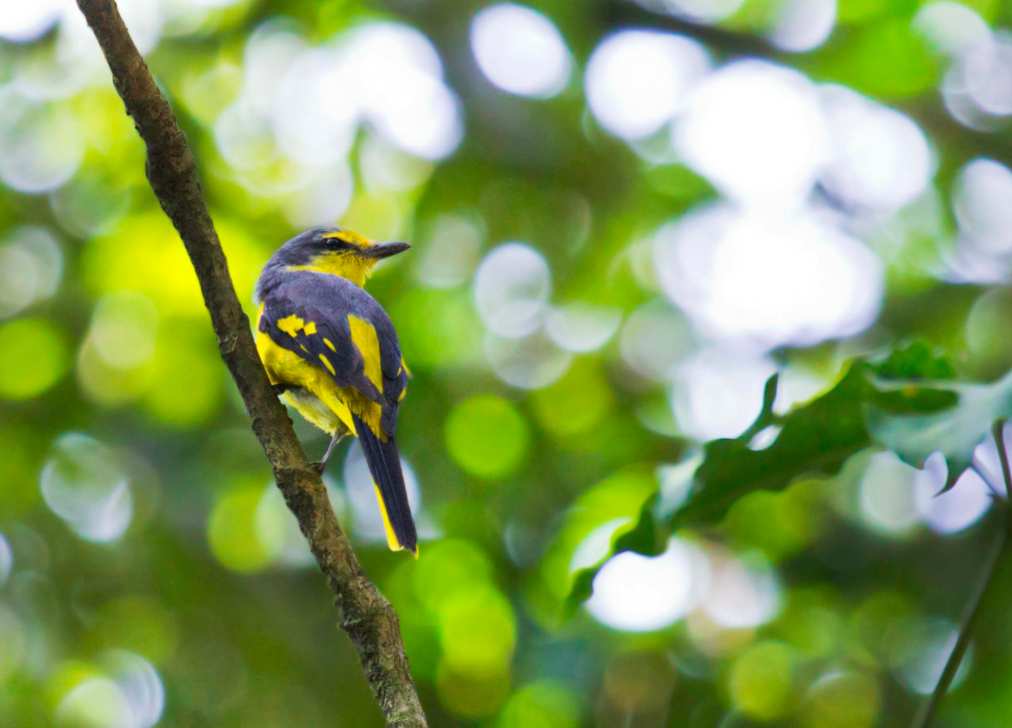
female – Munnar, Kerala
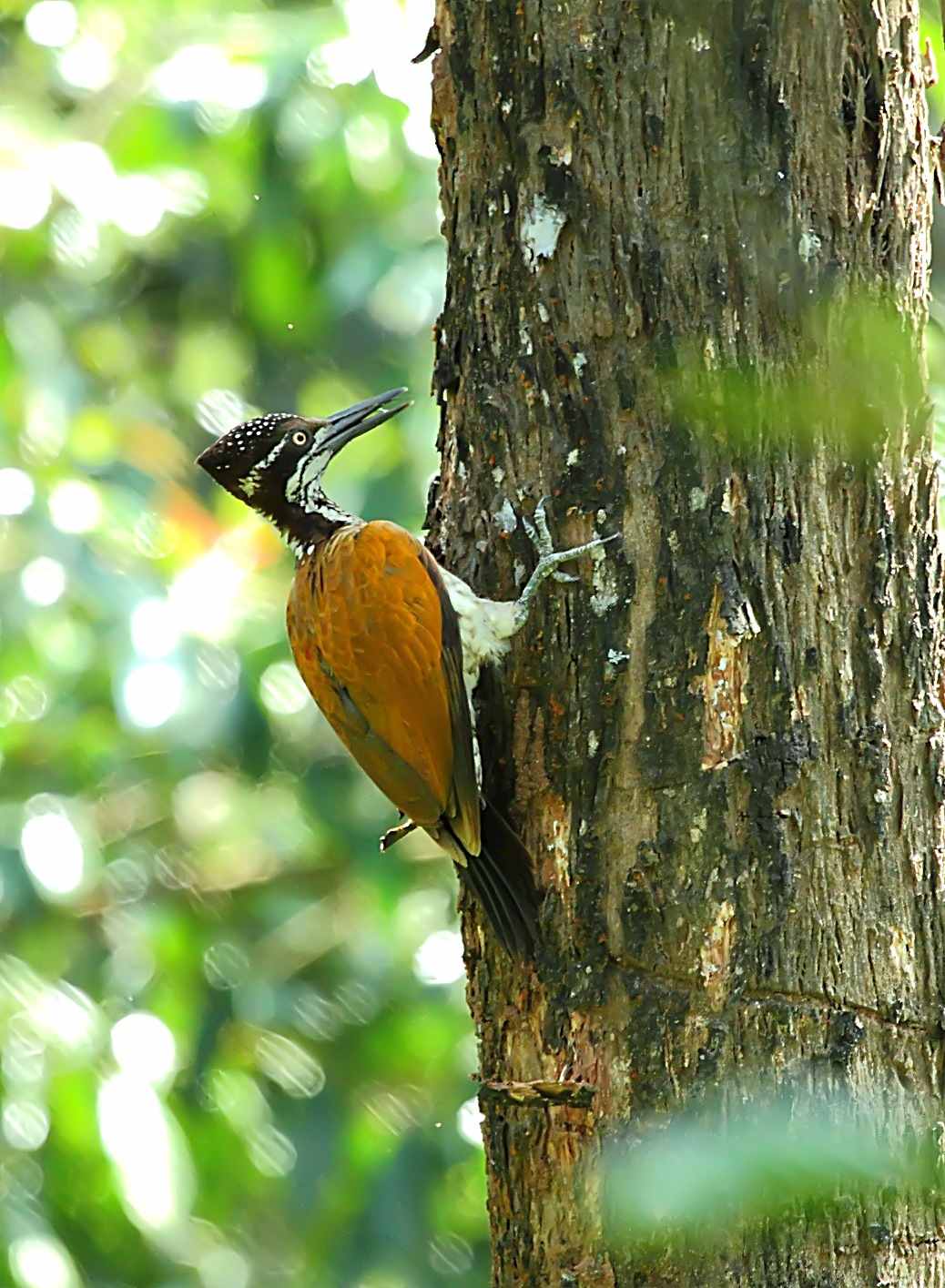
Sakleshpur, Karnataka
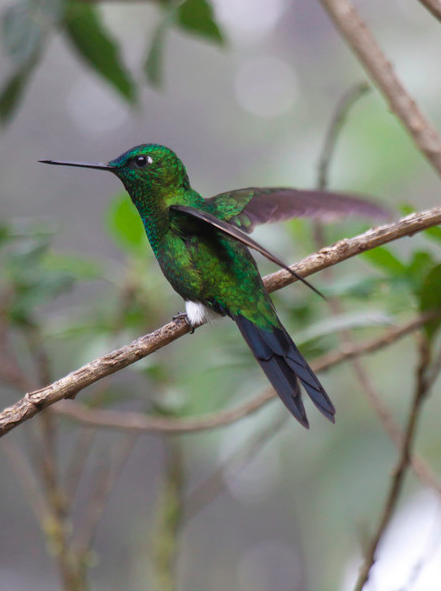
Yanacocha Reserve, Ecuador
 Organikos