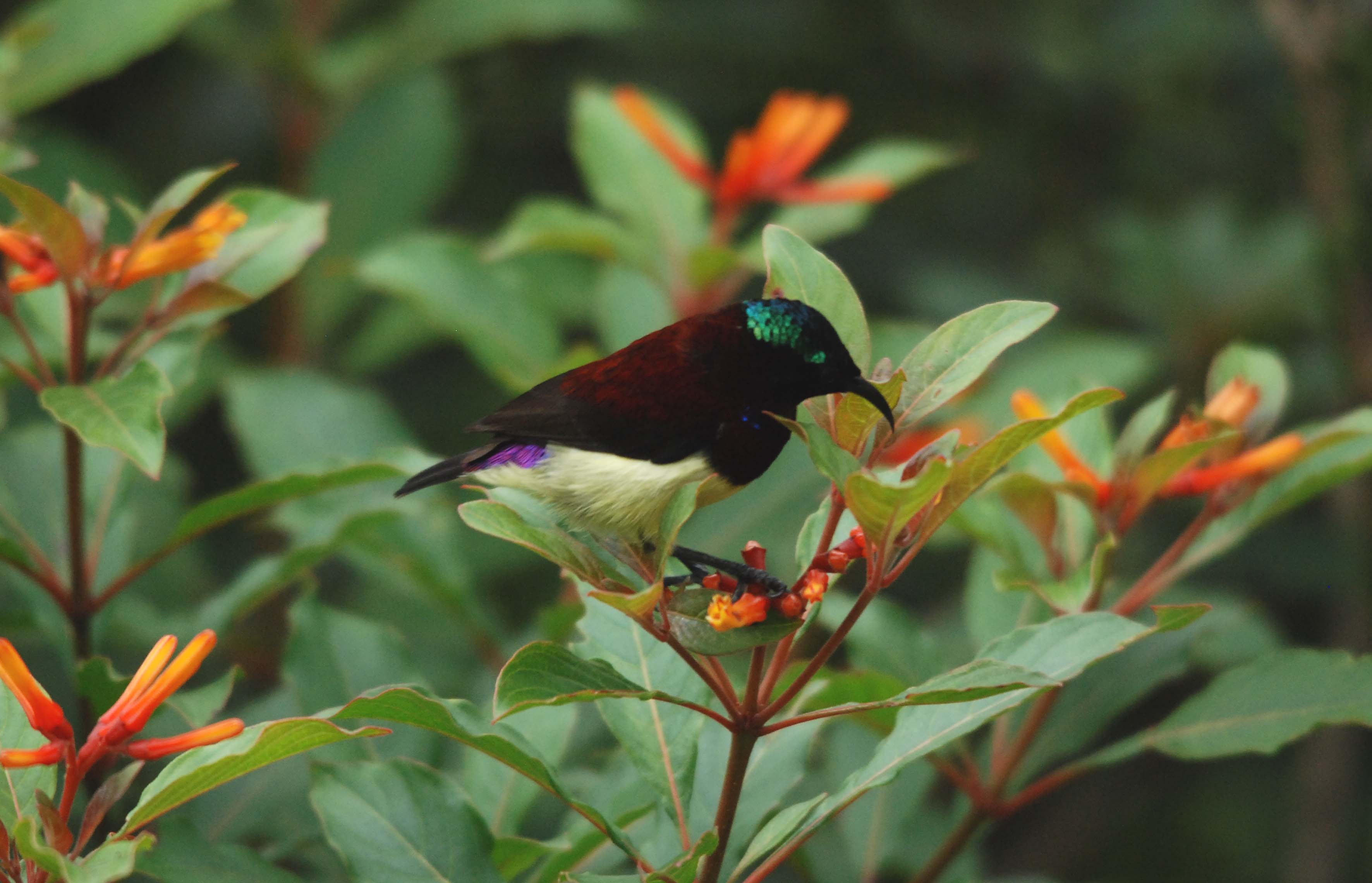
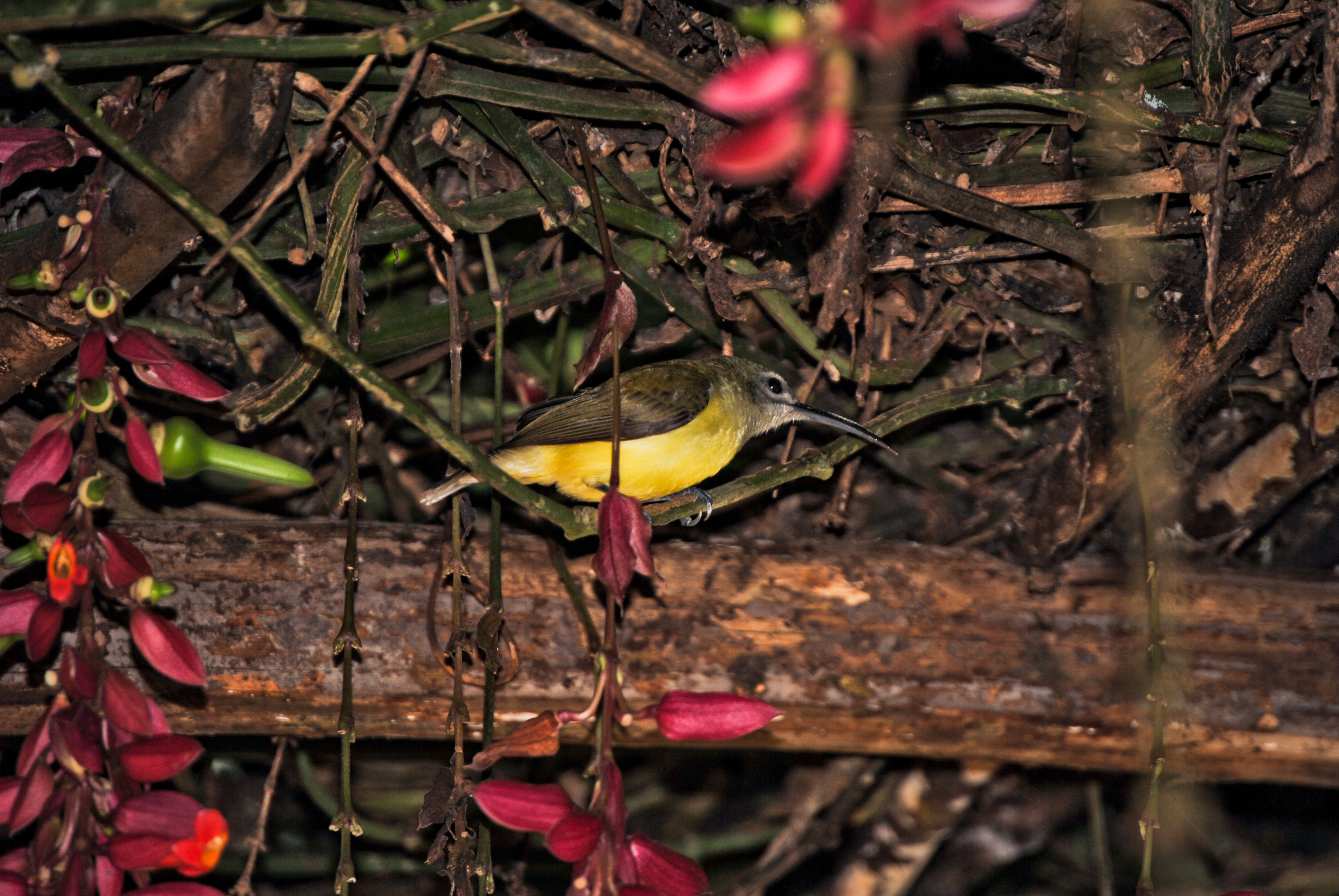
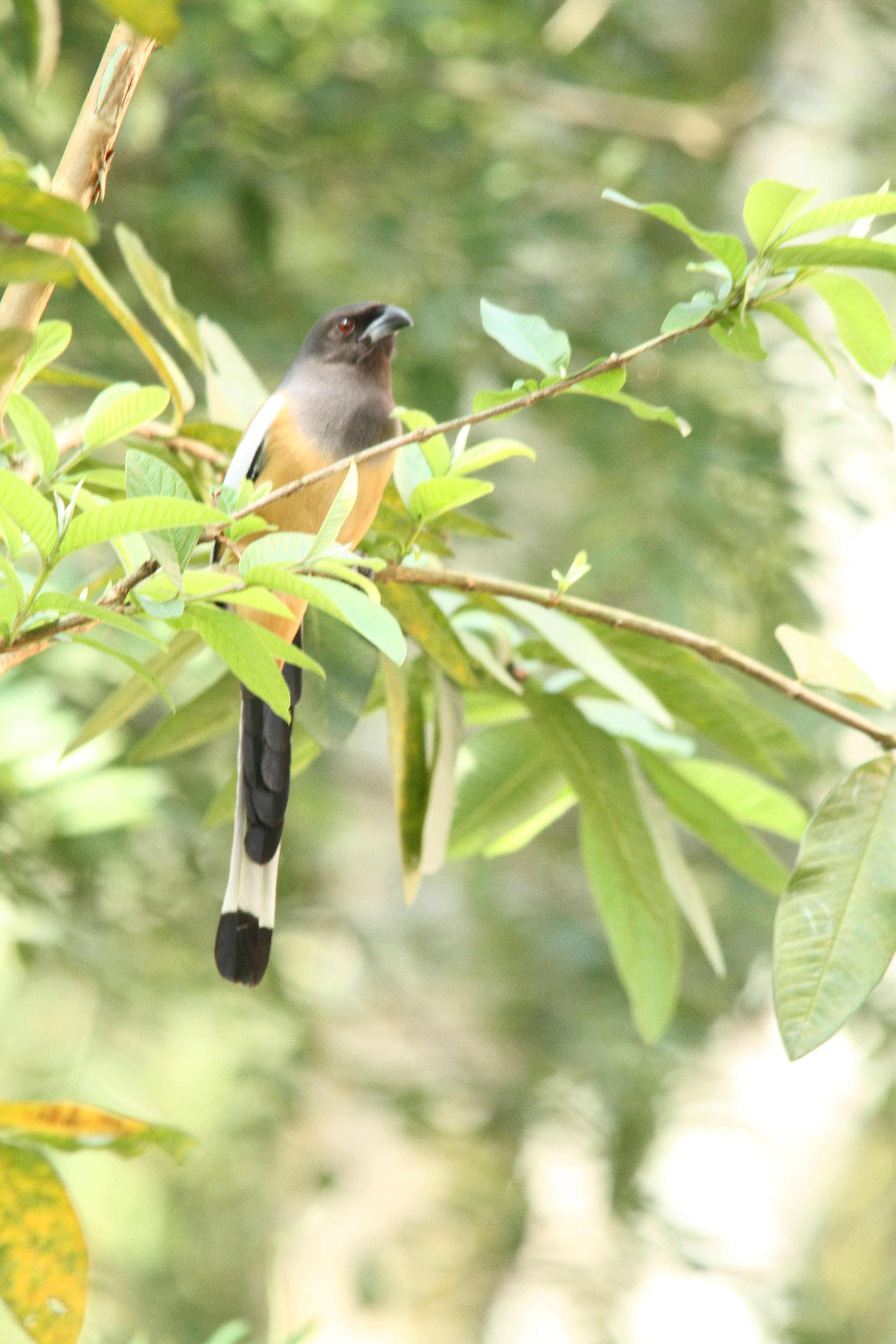
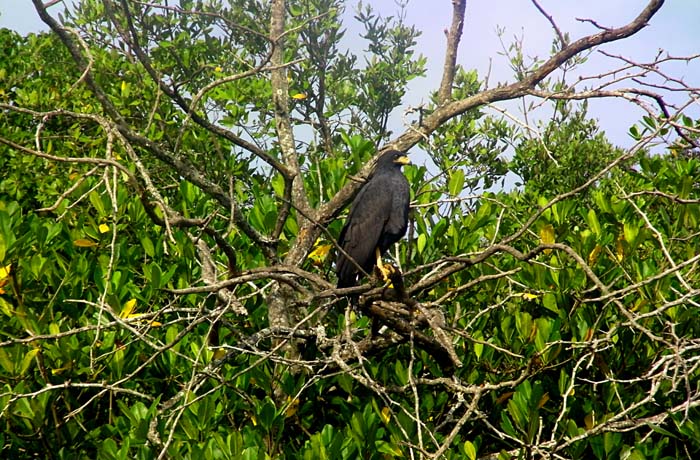
Conservation Tourism
Bird of the Day: Peacock (Pudukkottai, India)
Bird of the Day: Lesser Whistling Duck
Bird of the Day: Forest Wagtail (Thekkady, India)
La Giganta, Baja California Sur
As noted in the first and second posts on this topic, the question at hand is whether there is a formulation that can effectively bring thousands of hectares of private lands into a conservation area that is supported by entrepreneurial activity. That activity puts conservation and social welfare of the local communities as the top priorities–the motivation for bringing conservation-minded travelers to valorize these protected areas.
Bird of the Day: Malabar Parakeet (Thekkady, India)
Gulf Of California
I had not been exposed to the corridor known as La Giganta, which you can see in the background of the above photo, when I carried out my work on behalf of WWF several years ago. Now that I have, over the last week, I can only say that it had such an impact on me that I am still processing it. It is partially the geology of this portion of the peninsula known as Baja California Sur. It is partially how that geology intersects with the marine ecosystem. But it is mostly–and here I refer to the impressions I am still processing–the intersection of local people with those two natural wonders that really got to me. The photo above looks from the back of a panga (the type of boat local fishermen use) as we departed a property that is best described as an oasis. Continue reading
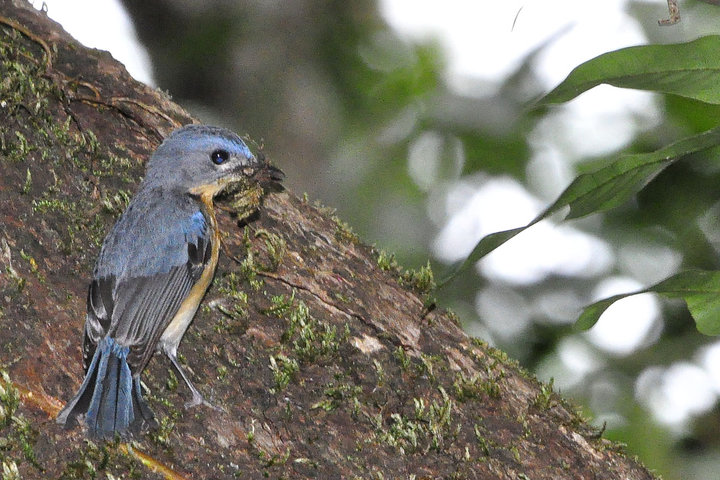
Bird of the Day: Nilgiri Fly-catcher
Bird of the Day: Brown Shrike (Kumily, India)
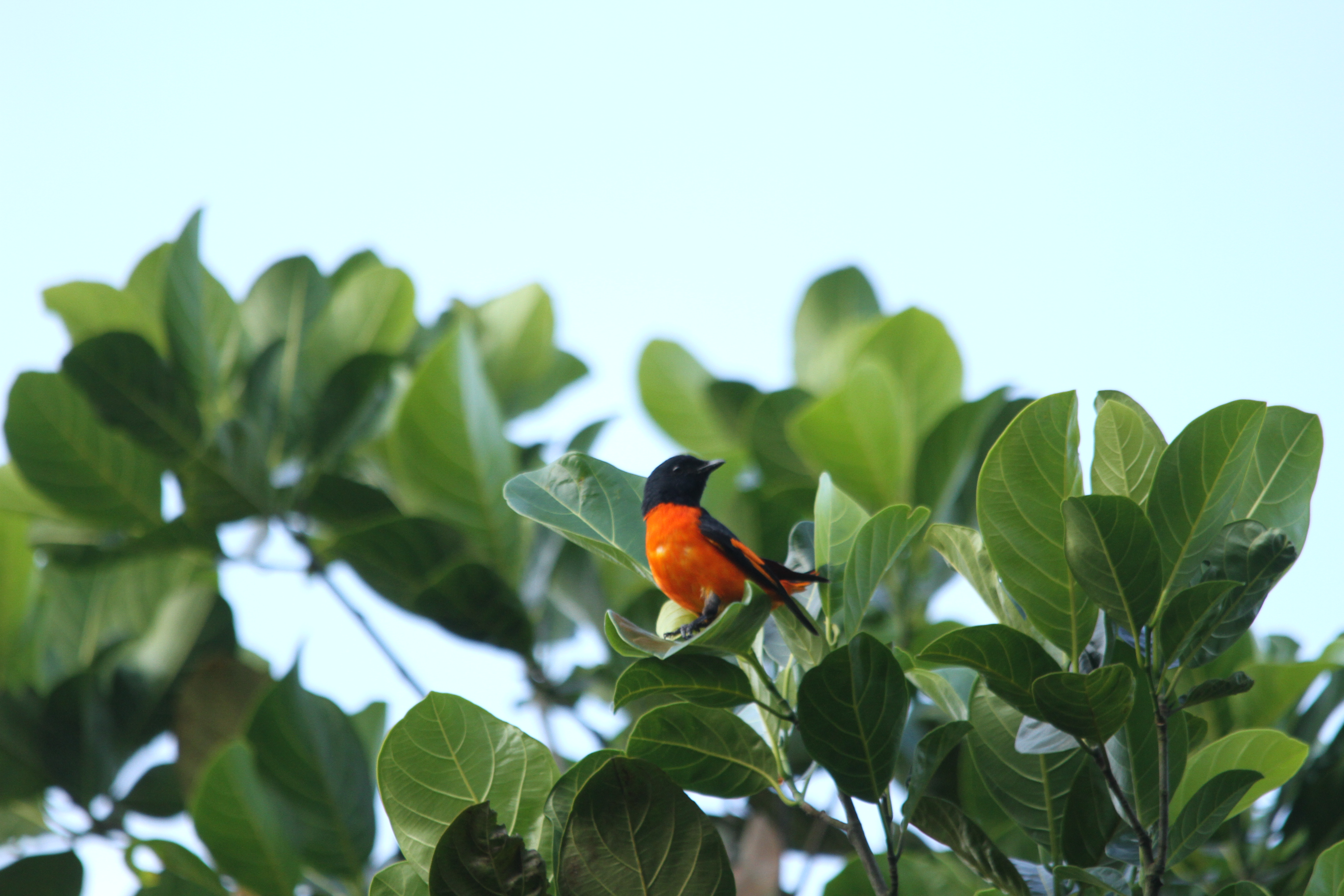
Bird of the Day: Black and Orange Flycatcher
Bird of the Day: Heart-spotted Woodpecker
Bird of the Day: Peacock in Dry Season
Bird of the Day: Indian Pitta
A Four Year Echo Of Hope
For all of the challenges facing the Gulf Of California region ecologically, global trends in sustainable tourism offer potential solutions. Broadly speaking, the mass tourism model propagated on the most accessible coastal regions of the world—particularly those visited by European and North American travelers—has been challenged by this alternative model.
Still, the mass tourism model has its advocates, in Mexico as in other parts of the world, and creeps into the planning models of destinations where sustainable development is the nominal platform. This happens because for at least half a century the notion of success or failure in tourism development has been defined according to this older model. If WWF is to have an effective strategy for conservation in the GOC region, then a clear definition of competitiveness vis a vis sustainability must be established.
Those words opened the first draft of a report submitted four years ago . Continue reading
Bird of the Day: Eurasian Black Bird
Bird of the Day: Ashy Prinia
Bird of the Day: Jungle Babbler feeding Common Hawk Cuckoo
Tree House Redux

When I ponder the question “why I travel” I often return to the same answer; I travel to gather new experiences, to learn, to refresh, to reconnect with something lost.  I think we all have the tendency to become complacent with the familiar. Even one step outside of that familiarity brings us closer to a broader vision.  And for many who live in urban areas, the drive to step outside is a power in itself.  I believe we are programmed to feel connected with the outdoors, soothed by the power of green, taking in spiritual chlorophyll like deep breaths, to speak metaphorically.
But not everyone who craves communion with nature is ready to “rough it” in her embrace.  An innovative hotel built in Sweden’s Boreal forest (the same forest region that has inspired Land Art Installations) offers an inspiring way to wake up amid birdsong. Continue reading