
Ometepe Island, Nicaragua
Ometepe Island, Nicaragua

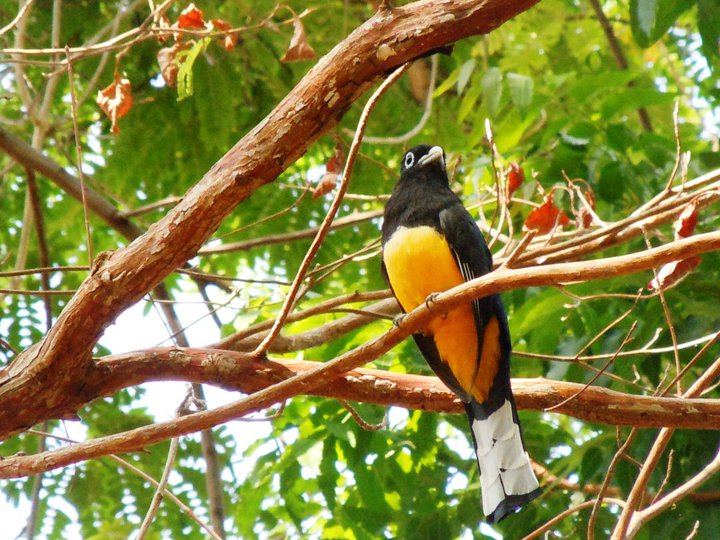
Playa Ocotal, Nicaragua
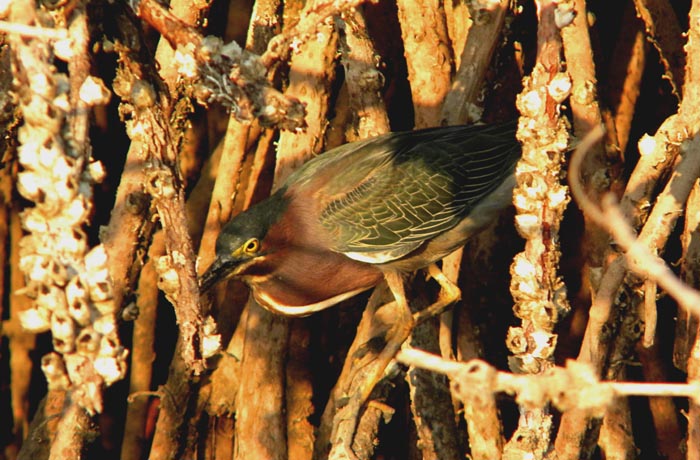
female – Morgan’s Rock, Nicaragua
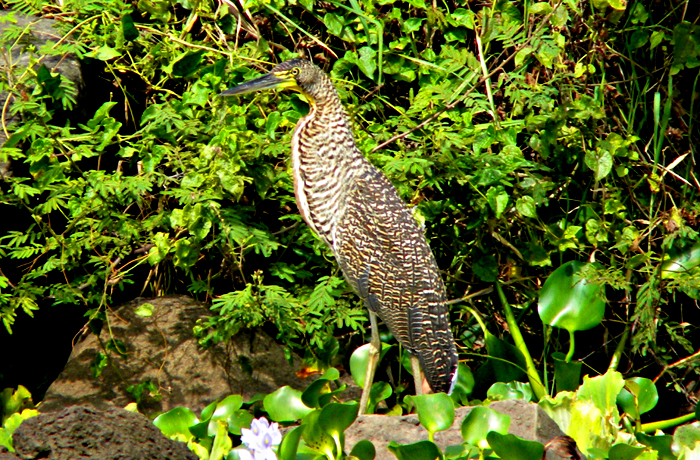
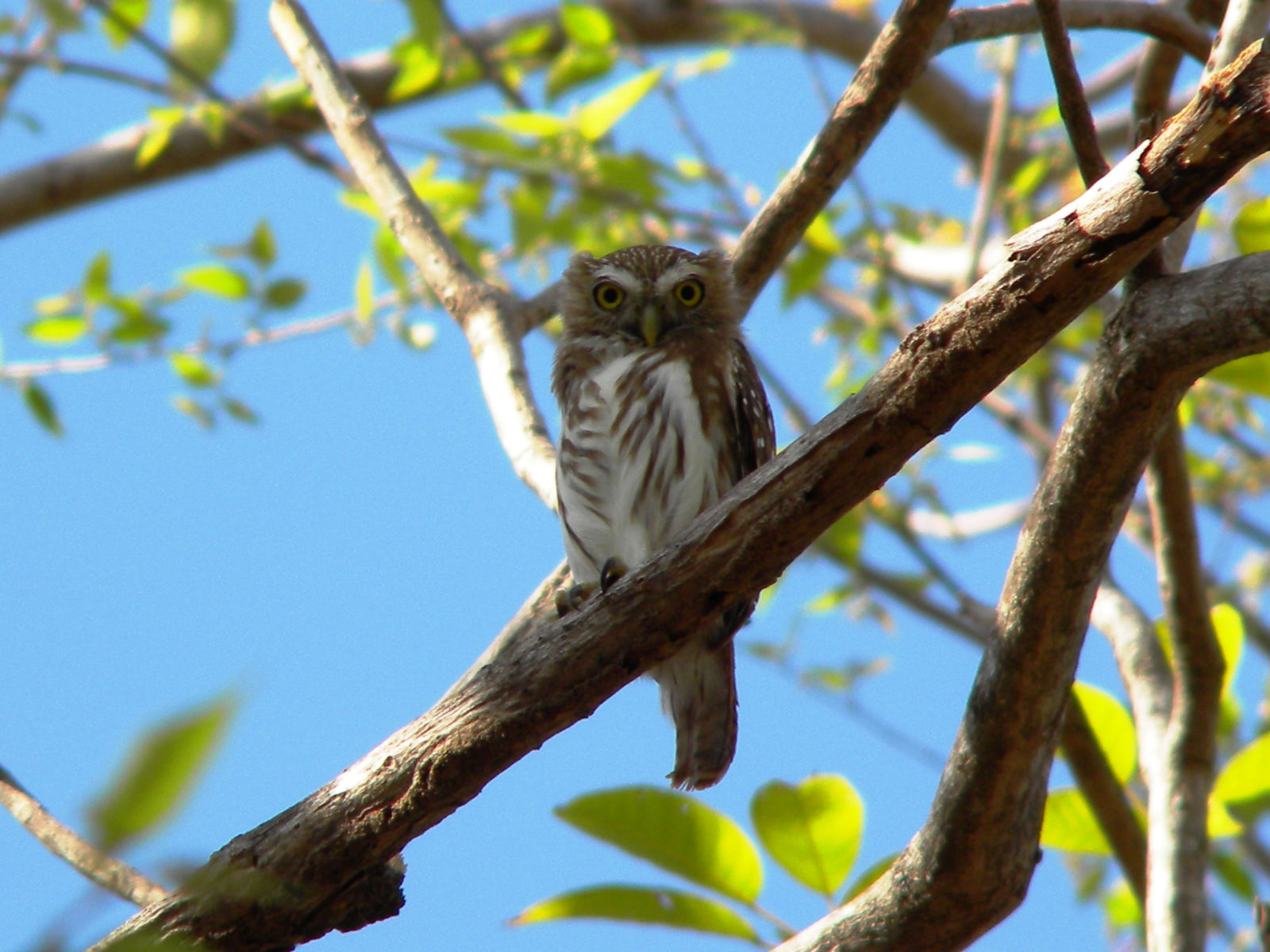
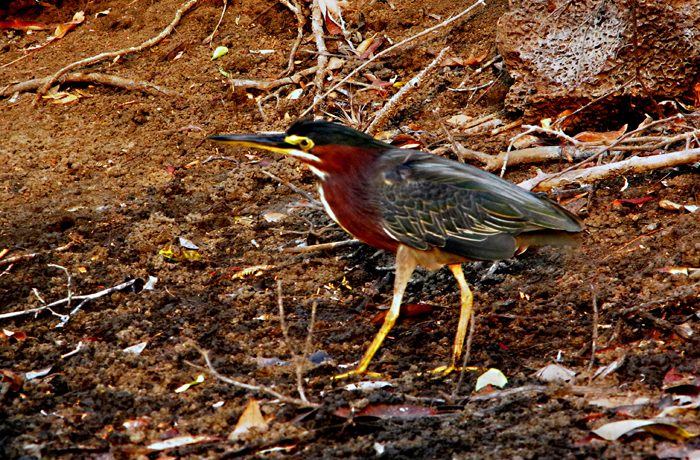
Morgan’s Rock, Nicaragua

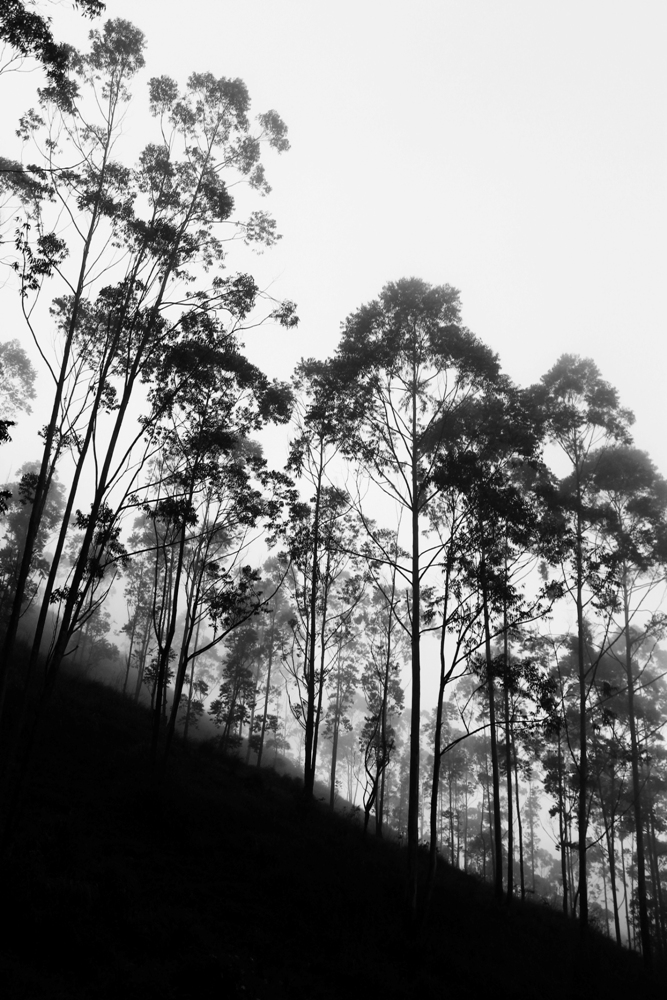 “Mists, ah, very problem!”
I glanced sideways at the boisterous Mallu man driving the jeep along the winding mountain road. Like his passengers, he was peering out of the vehicle at the steep slopes around us, scanning them for wildlife, abetted by the pre-dawn lighting and the heavy mists.
If any elephants or bison were grazing upon the high hills we drove through, they were impossible to see thanks to the cotton-thick mists blanketing the tall grass and trees that covered the terrain. As the vehicle banged and clunked over potholes at high speeds, I held determinedly onto the railing for dear life, occasionally risking freeing my hands for a photograph of the scenery speeding past.
Some ways down the road, once the sun had risen above the horizon, the jeep rolled to a stop under a densely canopied corridor. My eyes began to search the trees for the reason of our stop to no avail – the driver pointed to what I had previously taken for a pile of rocks, proclaiming it to be a tribal temple. Upon a second look, I realized that the blocks of granite were hewn into rough rectangles, and while in no particular order, they were indeed surrounding a small garlanded icon. Continue reading
Our involvement with conservation tourism around the world has taught us the vital importance of guides, whether they be for cultural visits or treks in the forest. Good interpretation is something that cannot be underestimated, in fact, it has been said to us before that “a visit to the rain forest without a guide is like a visit to the library without knowing how to read.” In both cases there are opportunities to take in the atmosphere, but without the interpretive element that atmosphere is missing an infinite amount of context.
 A good nature guide must have the obvious strengths of a “good eye”. They must also be able to communicate well with their visitors, even if language barriers are present. (Herein lies part of the beauty of the scientific names for flora and fauna!) It’s an even greater boon if the guide’s “good eye” translates into being a good photographer.
Bismar López is an example of one of these talented guides, and we hope to highlight more from different parts of the world in the future. He’s been guiding at Morgan’s Rock, a nature resort in southern Nicaragua (where Seth Inman spent the summer interning) since 2008. Growing up in a small community near the reserve has helped develop his love of Nature, especially birds. Continue reading
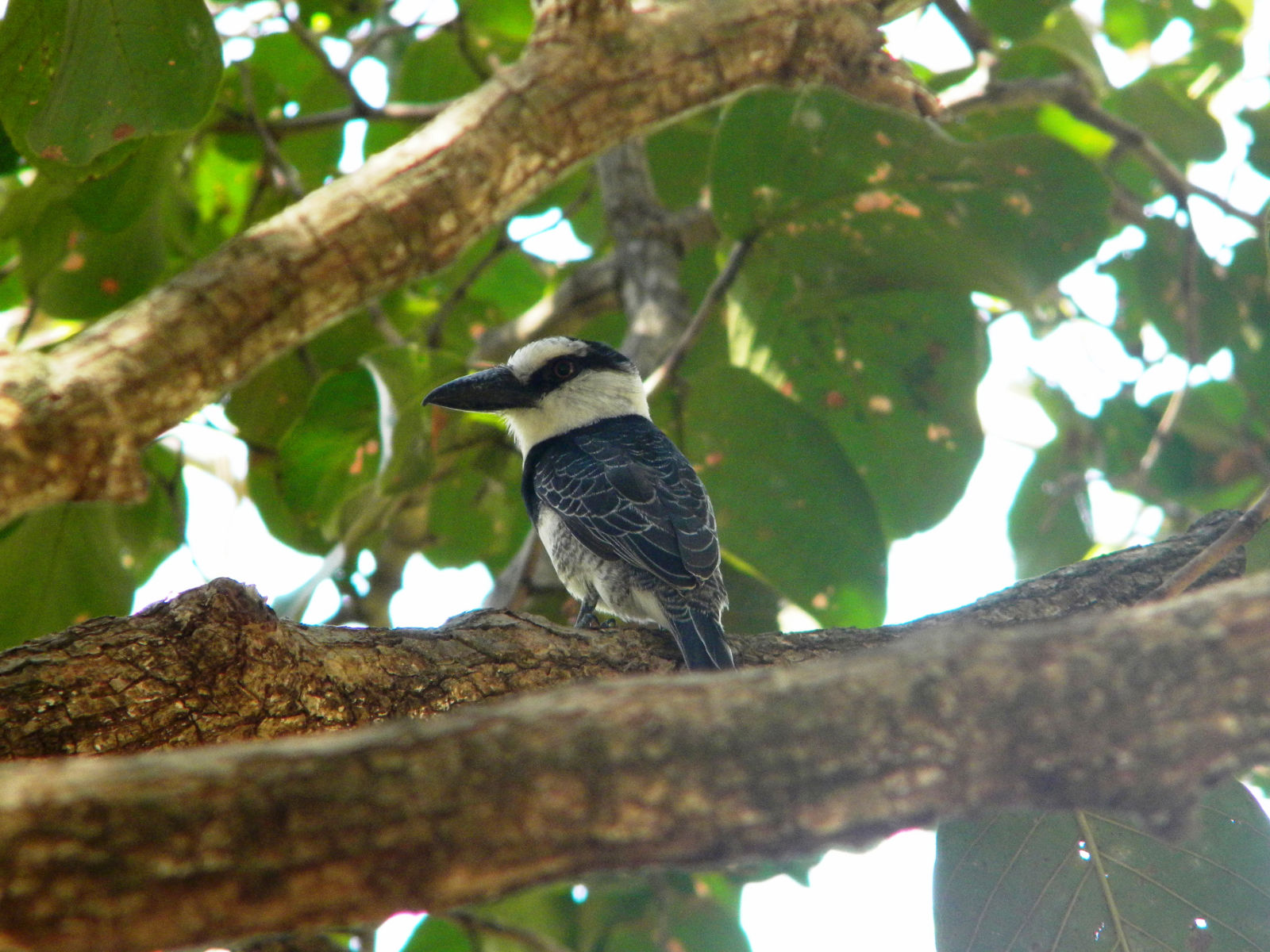
Morgan’s Rock, Nicaragua
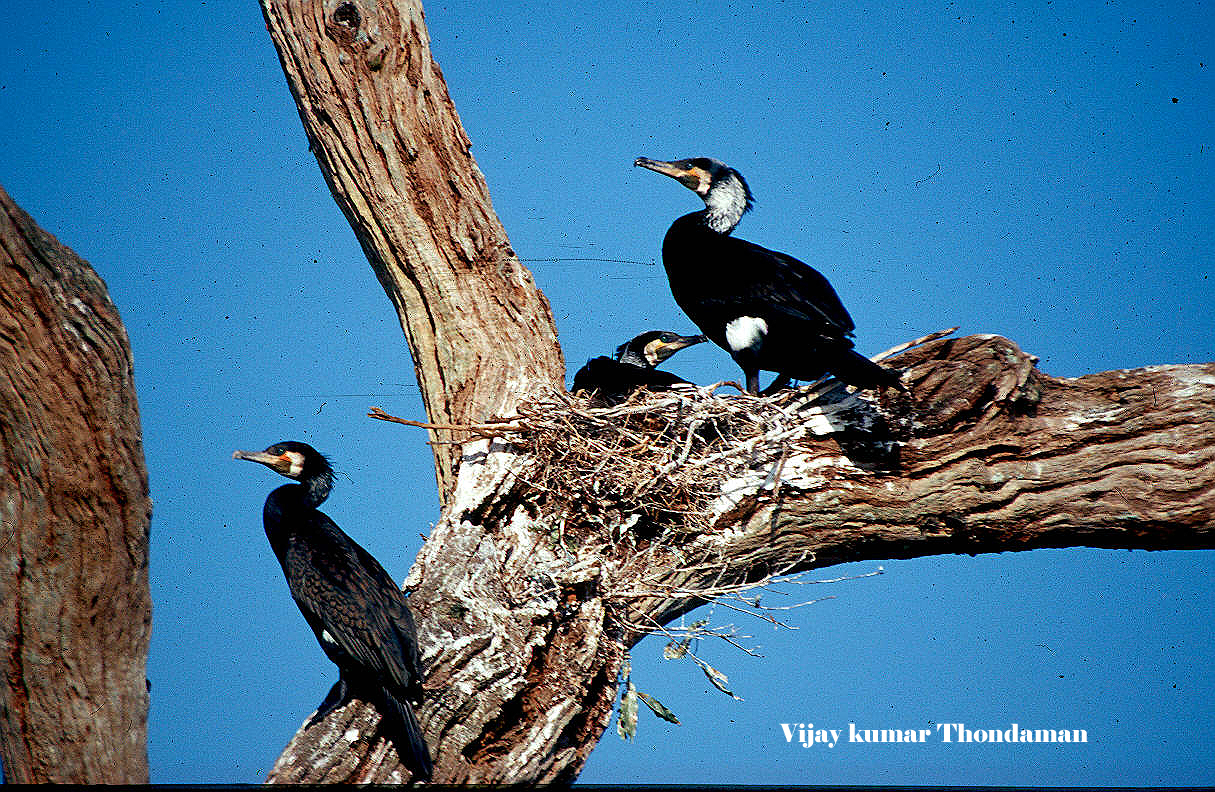
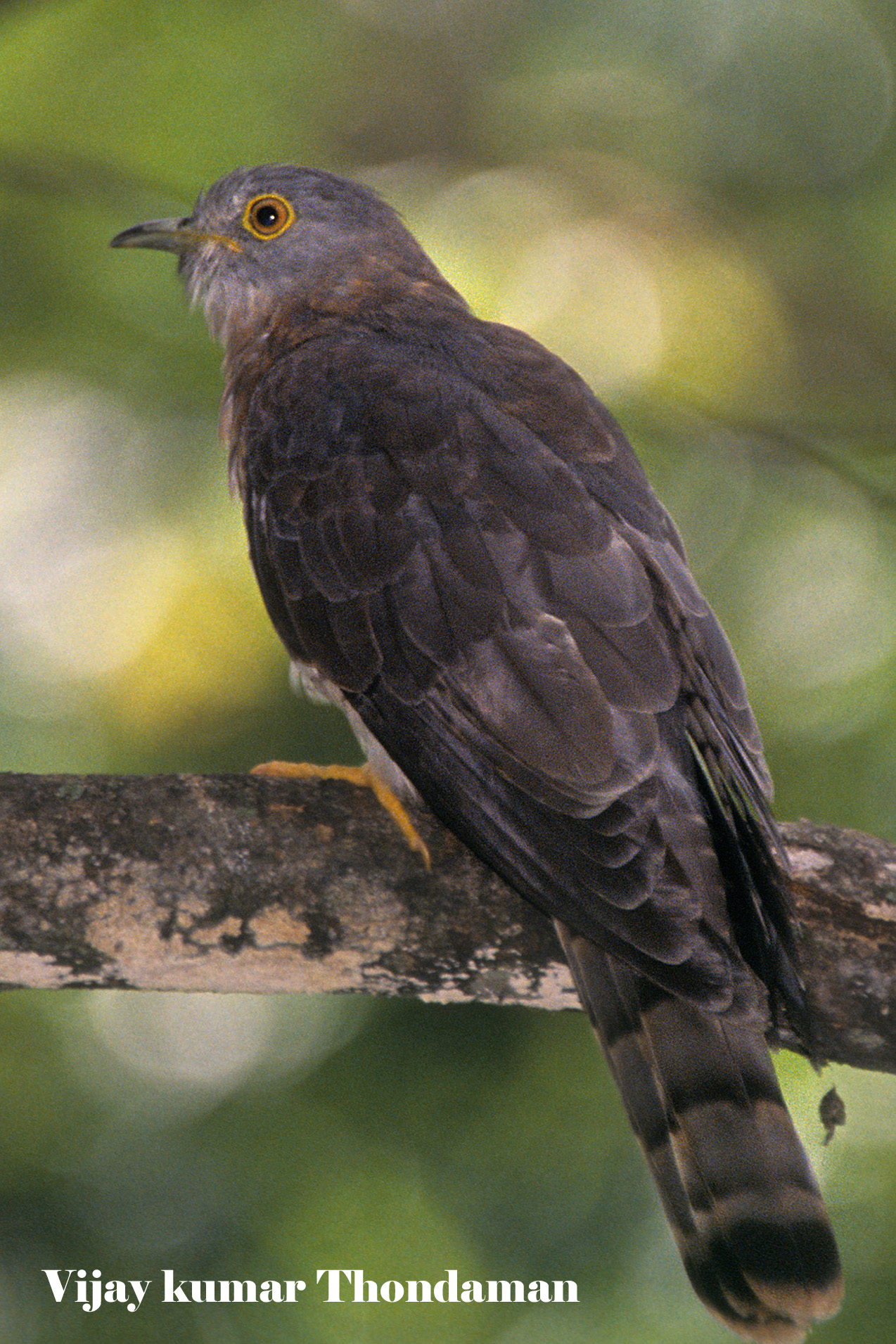

Pudukkottai, Tamil Nadu

When the Estonian city of Tallinn was named the 2011 European Capital of Culture organizers immediately started planning a festival to highlight the fact that the city has much more to offer than the picture postcard views. The LIFT11 Urban Installations Festival is intended to showcase the city’s innovative use of public space from 12 June to 22 October 2011.
The temporary urban installations range from objects of art and architecture, to land art installations set up in and around the city space. The pieces are meant to be interactive, asking visitors to use their senses in how they perceive them, including their sense of humor. Continue reading
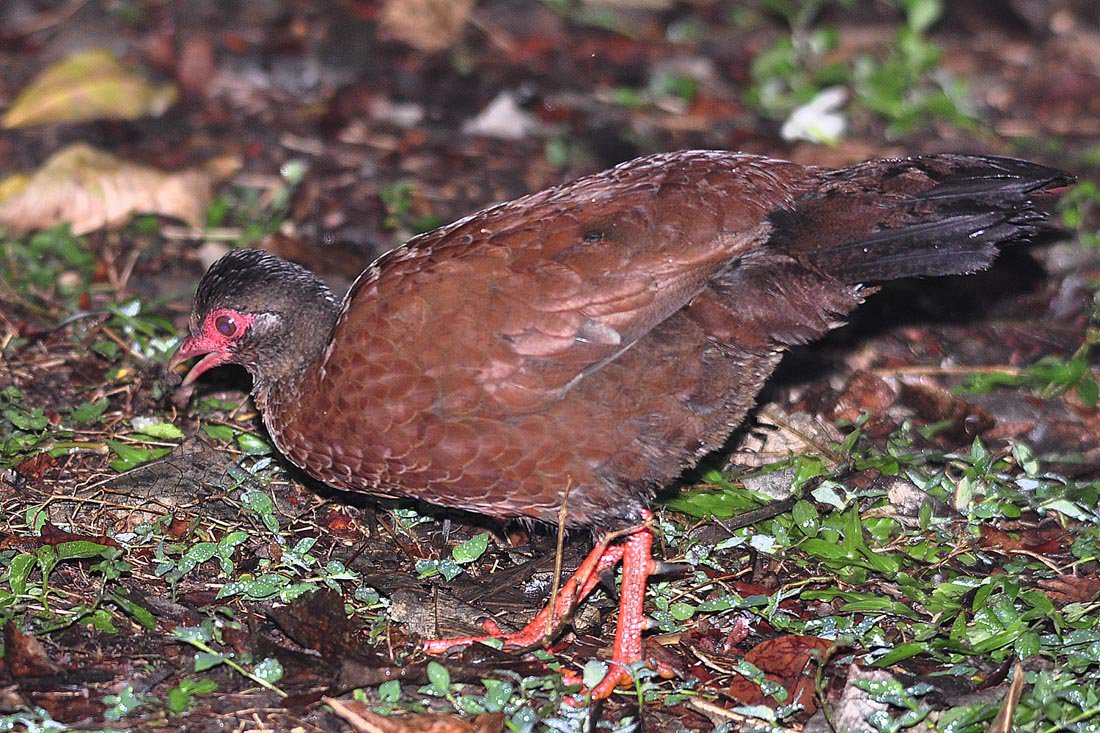
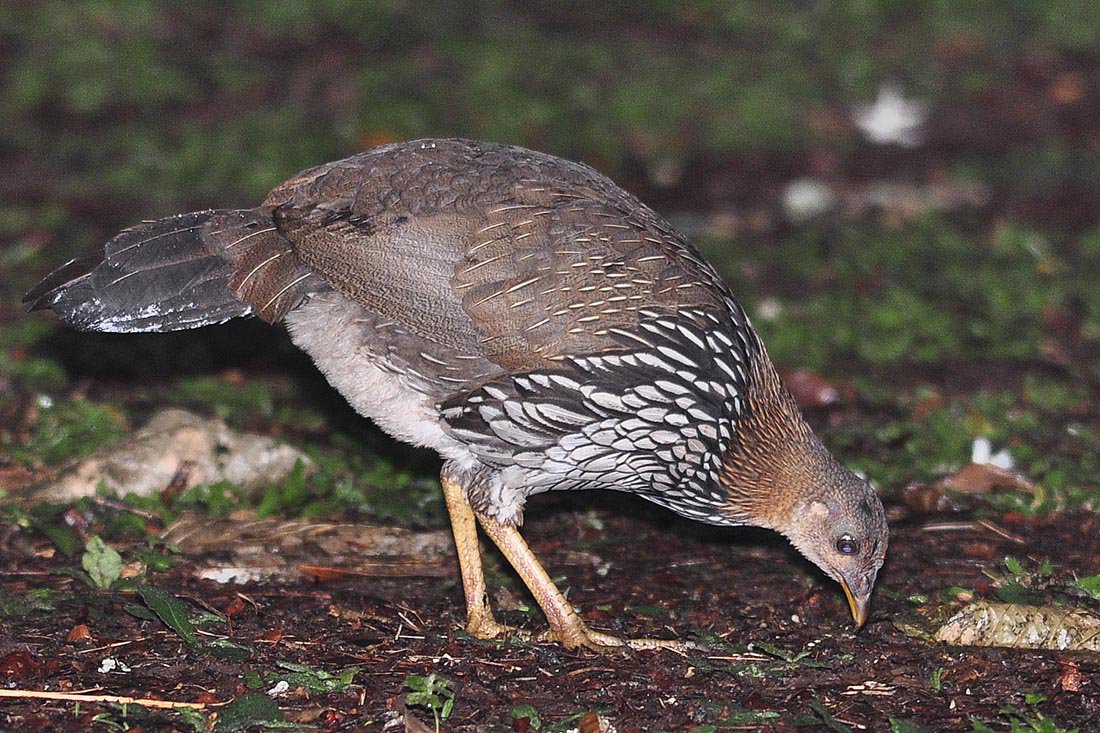
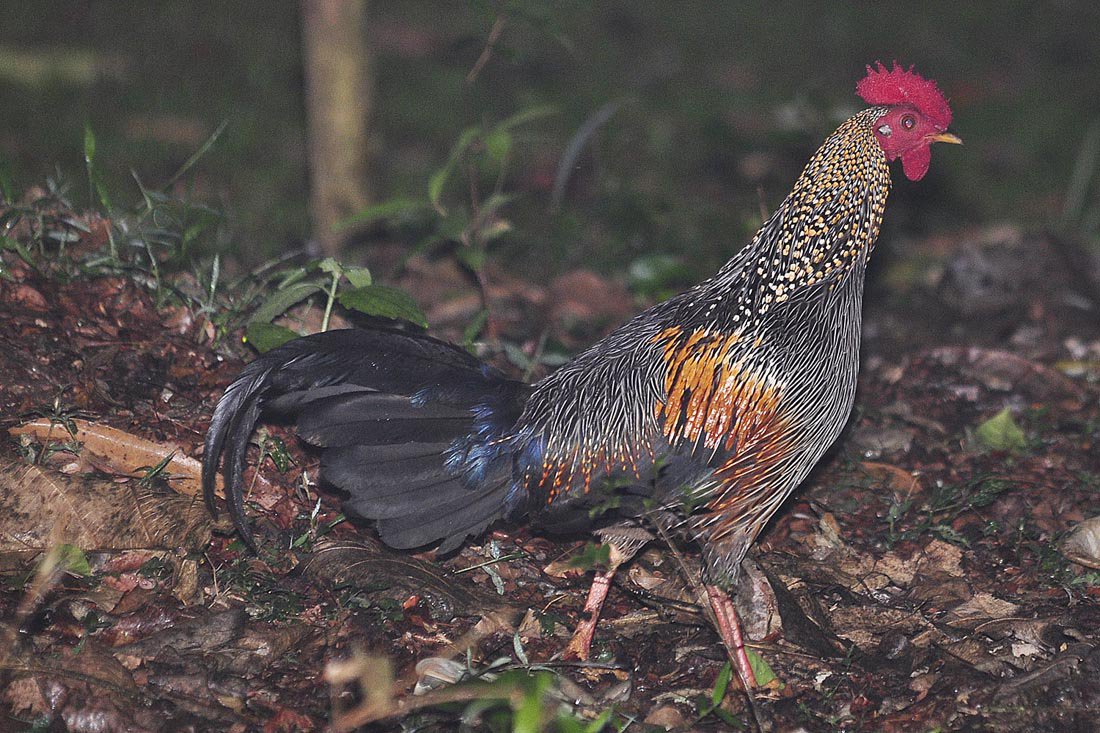
When I described, a couple weeks ago, the echo of hope emanating from the Gulf of California it is fair to say I was pleasantly surprised. That may be putting it too mildly, especially in hindsight now that I have seen a major new entrepreneurial initiative come to life there. I will be writing more about that in the coming days.
But for now, I am in the Galapagos Islands and another echo is resonating. In this case, for me, the echo is an eight year feedback. As mentioned in this earlier post I had worked here on and off over several years, and the last time I was here there were some challenges that seemed intractable. Today, upon arrival and for the remainder of the day, I had the opposite feeling of the last time I was here. The photos below show the first thing I did with Reyna and Roberto after leaving the airport. In the first photo you can see, as I did, just a simple conversation between them and one of the workers; then slowly a parade of otherworldly creatures crept into the photos…

