Maps, Walking & Health

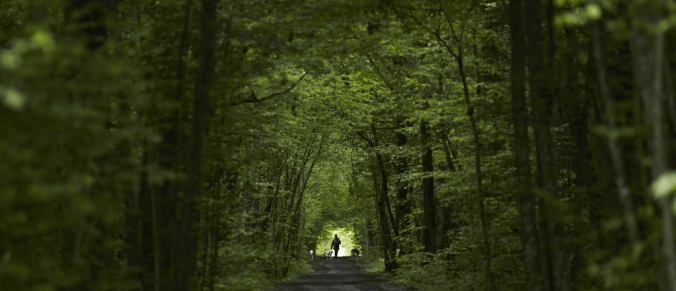
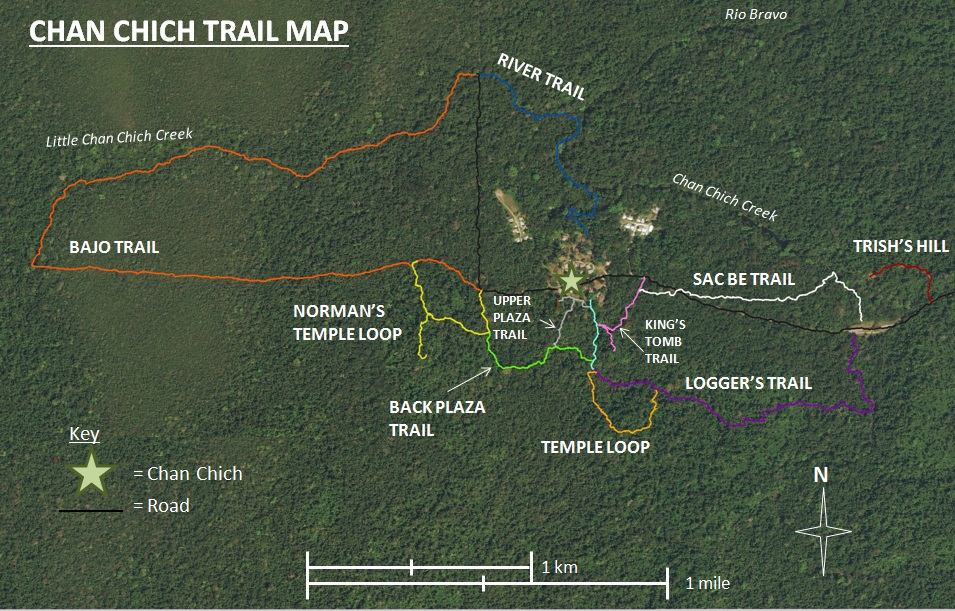
Emily has been reworking the maps for nine miles of walking trails surrounding Chan Chich Lodge. On a typical day I walk 45 minutes at dawn, and 45 minutes at dusk and I have tended to stay on the same trail for the last year. Now I am looking forward to the various loops I had not yet wandered onto, and checking the maps. I tend to believe in the link between nature and health, and especially when walking is involved the benefits are a broader form of wellbeing. Gretchen Reynolds, writing the Phys Ed column for the New York Times has this to say:

For Exercise, Nothing Like the Great Outdoors

Long walks can improve moods and reduce anxiety, but the benefits may be greatest if the walks take place outdoors rather than in a gym, according to a new study by researchers in Austria. And while the Alps may be a particularly fine place to hike, a vigorous walk in the woods or paths near home may provide the mental boost we need to keep us moving.

We all know, by now, that for optimal health, we need to move. Continue reading
Moths, Inspiring Innovation

gettyimages-548205455_custom-1db34a79eea572396473d1ee197099398efc1c89-s1300-c85

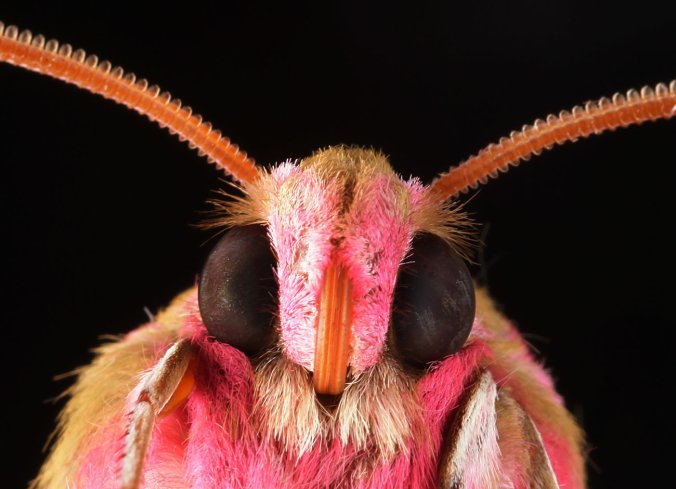
Deilephila elpenor, commonly called the elephant hawk-moth, has specialized eyes that don’t reflect light. Such moths inspired scientists to invent an anti-glare coating for smart screens. Ullstein Bild/Getty Images

We have lots of reasons to believe in biodiversity, and here is one more important case in point. Thanks to Madeline K. Sofia at National Public Radio (USA) for this:

If you’re standing in the blazing sun struggling to read this on your cellphone, there may be some relief in sight.

And you’ll have a moth to thank. Continue reading

Protect Pleasant Planets

Burdick_Summer-Solstice.jpg

On the solstice, every point north of the Arctic Circle sees at least twenty-four hours of continuous sunlight. In Deadhorse, Alaska, the sun rose on May 15th and won’t set again until July 28th. Photograph by Alamy

A dozen years ago I had a work assignment that took me into the Arctic Circle for an extended period this time of year. I recall going a bit crazy, but a good crazy, with lovely bright sunshine at 2am each day, which impacted my ability to sleep. I was on a boat headed north from Yakutsk, traveling in waters that looked like those in the photo above. The captain and his crew spoke no English, and I spoke no Yakut or Russian, so I was on my own for making sense of what I saw. My takeaway was simple: it is mostly a nice place to live, this planet we call home. And as Alan Burdick points out in this short essay, it sure beats the alternatives:

On This Summer Solstice, Be Glad You Live on Earth

Today is the longest day of the year—in the Northern Hemisphere, anyway. Fifteen hours and forty minutes of daylight in New York. Seventeen and a half in Copenhagen and Moscow. Twenty-one and change in Reykjavík. Twelve hours, eight minutes, and twenty-four seconds in Kampala, just north of the equator. (The day will be one second shorter there starting next week.) The solstice is the one day when every point north of the Arctic Circle sees at least twenty-four hours of continuous sunlight, Continue reading

Lapham’s Quarterly, Now On Soundcloud As A Podcast

ship2

IMAGE: Discovery En Route to Antarctica (detail), by Vincent Alexander Booth, 2014. © Private Collection / Bridgeman Images.

Lewis Lapham has shown up in our pages here exactly once in the past. Mainly because, in the six years we have been posting on this platform, his own publication was not as accessible as others we have been linking to. Surely there was a purpose to the walls constructed around it, but we are happy that, for whatever reason, they have come down. Just the illustration above and the quotations below should make you want  to read more:

Evolution has arranged that we take pleasure in understanding—those who understand are more likely to survive.
—Carl Sagan

I’m sorry I know so little; I’m sorry we all know so little. But that’s kind of the fun, isn’t it?
—Vera Rubin

Lapham

We sample the opening two paragraphs after the jump below, and recommend savoring his writing, but we also have been on the podcast bandwagon since we started on this platform. If you have already been enjoying Lewis Lapham’s publication, and wishing it were available in an audible format, today is your lucky day (click the soundcloud banner here to listen). Continue reading

Sticking To Mission & Unintended Consequences

GBD2017Result1

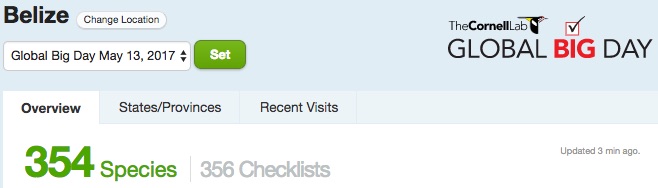
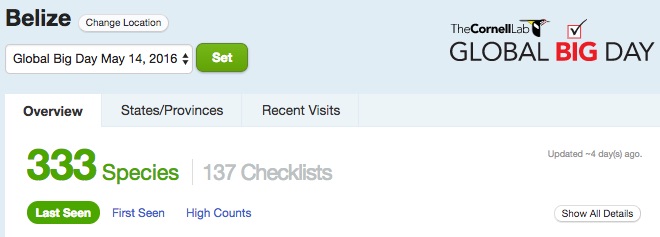
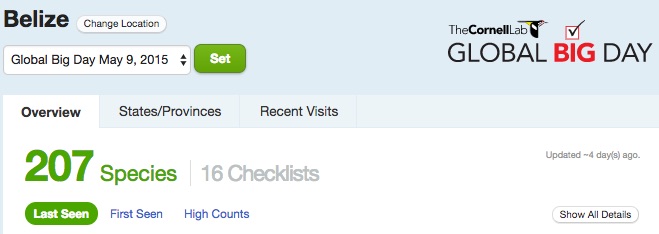
In recent months, as we prepared to host Team Sapsucker Belize at Chan Chich Lodge, our goals were focused on the citizen science mission. Using a couple simple metrics, the event was a clear success, comparing the number of species counted in Belize this year versus last year, and especially looking at the number of checklists submitted.

GBDResult16.jpg

If you look at this as the third iteration of an event that we hope to grow in future years, the progress from beginning to present is promising. As I type this there are still more than 40 hours of data entry remaining for this year’s event, so the increase in this year’s participation and species identification will likely grow larger by this time Wednesday.

GBDResult15.jpg Continue reading

Agripreneurship On The Rise

This exciting project came to our attention a little over a year ago, and we’re excited to see that it’s going full steam ahead!

This is an Embark Fellowship campaign. If we raise our target, Brown University will donate $25,000 to our project!

What’s up with fish?

The world’s population is growing rapidly, and the global demand for animal protein—from fish to poultry, beef, and pork— is growing with it. But there’s a problem: animal feeds are made from wild-caught fish like anchovies and sardines. These fish are caught using highly destructive fishing methods that result in unintentional by-catch and the destruction of coral reefs. One third of global fish catch doesn’t go towards direct human consumption; it goes to feeding animals. As a result, more than 85% of the world’s fisheries are exploited. We are feeding fish to other animals, and it doesn’t make sense.

Meanwhile, the world’s population is increasing rapidly and is projected to hit 9.7 billion by 2050. We desperately need a new way to feed a growing population that is not at odds with the health of our oceans.

Meet the black soldier fly.

Continue reading

GrowFood Carolina

how-growfood-works.png

I am always on the lookout for simple but effective graphics illustrating ideas that we attempt to put into action in our various projects–why reinvent the wheel? By rabbit hole good fortune, after I was referred to the Coastal Conservation League as a regional leader in entrepreneurial conservation for the southeastern USA, one of their programs, as illustrated above and described in words below, came to my attention:

The Conservation League started its Food and Agriculture program in 2007 with the goal of protecting South Carolina’s small, family farms. Between 1992 and 1997, more than 200 acres of rural land were converted every day to urban uses, placing South Carolina in the top ten states in the nation for rural land loss. We quickly realized that small farmers lacked access to the infrastructure available to industrial farms, and were therefore unable to say “no” when a developer offered to buy their land. The League saw a food hub as critical to our work protecting rural landscapes and improving quality of life across the coastal plain. Continue reading

Winged Muses

13BIRDMUSIC-superJumbo.jpg

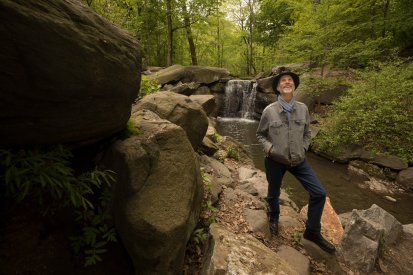
The composer John Luther Adams in Central Park, listening for his winged muses. Credit James Estrin/The New York Times

Occasionally we have reason to think of muses; every day we think of birds. Today birds are the muse. We have linked to this composer’s work once previously, and I am happy with the coincidence of reading again about this composer on Global Big Day in this review by Michael Cooper, Listen to ‘Ten Thousand Birds’ and Its Warbling, Chirping Inspirations:

New York is not usually considered a naturalist’s paradise. But John Luther Adams, the Pulitzer Prize-winning composer and former environmental activist, did not have to walk far from his Harlem apartment this week to be serenaded in Morningside Park and Central Park by choirs of robins, sparrows, flickers, catbirds and, finally, a wood thrush, with its poignant “ee-o-lay” song.

”That’s the one that started it all for me, 40-however-many years ago,” Mr. Adams, 64, said as he paused in a sun-dappled spot in Central Park’s North Woods to savor the wood thrush’s melody. Continue reading

If You Happen to Be at the Smithsonian – But You Don’t Have to Be

Science, entrepreneurship, conservation and innovation converge at this amazing open source summit with events in multiple Smithsonian locations ranging from New York City, Washington DC and Panama City.

Frequent contributor to this site Phil Karp, will participate in a forum on Restoring Nature. The synergy of forum subjects with our interest in wild foods and our work in conservation focused hospitality makes us wish we were there.

What’s Working in Conservation

Earth Optimism celebrates a change in focus from problem to solution in the area of global conservation with an unprecedented gathering of thought leaders, scientists, environmentalists, artists, civic leaders and international media.

The global conservation movement has reached a turning point. Continue reading

Letters to Young Farmers

PHOTO ILLUSTRATION BY THE DAILY BEAST

The reference of the title isn’t lost on us, for the “everyday act of creation”, of coaxing bounty from the soil, is a form of poetry. We applaud both the advisors and the ears on which the advice falls.

Letters to a Young Farmer is full of good counsel for the next generation from the likes of Wendell Berry, Michael Pollan, and the noted novelist Barbara Kingsolver.

Dear young farmer,

Let me speak to you as a familiar, because of all the years I’ve cherished members of your tribe. Of course, I also know you’re only yourself, just as I remember the uniqueness of every intern, WWOOFer, and summer weed-puller who has spent a season or two on our family’s farm. Some preferred to work without shoes. Some were captivated by the science of soils, botany, and pest management. Some listened to their iPods, or meditated, or even sang as they hoed and weeded, while others found no music among the bean bee­tles. A few confessed to finding this work too hard, but many have gone on to manage other farms or buy places of their own. In these exceptional souls I invest my hopes….

Continue reading

Biophilia Bathing

“In every walk with Nature one receives far more than he seeks.”
― John Muir

Muir has long been a muse for many on this site, as we ponder the concept of Biophilia and the power of nature in our lives. We are motivated to work on conservation initiatives for plenty of reasons, including our belief in the link between wellbeing and a fix of nature. From bonsai, bamboo fountains and the meditative sand raking in Zen gardens, the Japanese have a long cultivated the restorative forces of natural elements, so their embrace of forest bathing is no surprise…

The Japanese practice of ‘forest bathing’ is scientifically proven to be good for you

The tonic of the wilderness was Henry David Thoreau’s classic prescription for civilization and its discontents, offered in the 1854 essay Walden: Or, Life in the Woods. Now there’s scientific evidence supporting eco-therapy. The Japanese practice of forest bathing is proven to lower heart rate and blood pressure, reduce stress hormone production, boost the immune system, and improve overall feelings of wellbeing. Continue reading

Utopia, Dystopia & Options

852ad6386c912e57e5ddca3d6602a1da.jpgI just listened to a conversation with Mr. Bregman, and as he explained the premise for his book I was struck: times like these are exactly when the seeds for utopian thinking are in the most fertile soil. The book itself is not likely my cup of tea, but I am impressed by this man’s effort to bring us this, now.

Cory Doctorow’s essay, over at Wired, is a perfect read to continue the thoughts on choices we make related to utopia versus dystopia:

…The difference between utopia and dystopia isn’t how well everything runs. It’s about what happens when everything fails. Here in the nonfictional, disastrous world, we’re about to find out which one we live in. Continue reading

Landscaping’s Latest Lovechild

stl-radish-03_resize.jpg

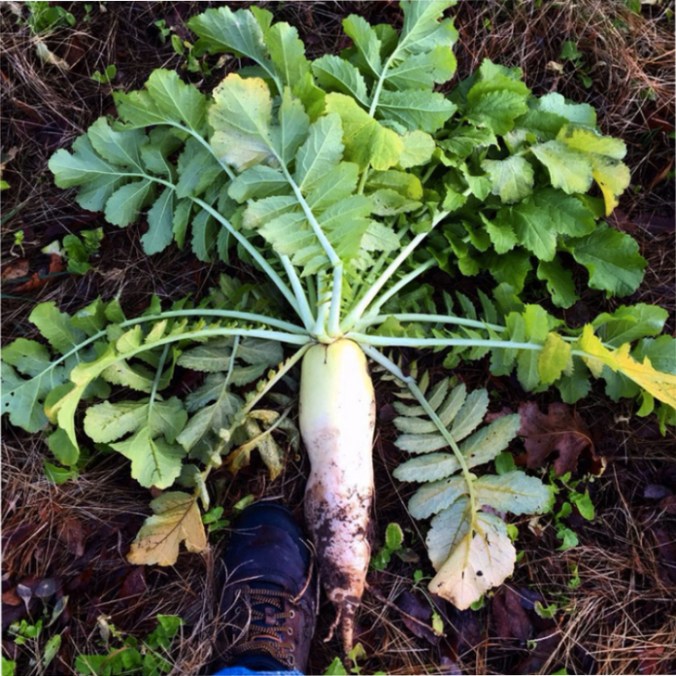
Tillage radish is similar in shape, size, taste, and color to daikon radish. Image courtesy of MVVA.

Do not let the gloom, or the investigative questions of the day, get the better of you. Instead, back to the land. This radish brings a smile. Not least because its story comes via a publication I have just become aware of:

THE DRILLING RADISHES OF ST. LOUIS

Oilseed radish, or Raphanus sativus, goes by the name “tillage radish,” “radish ripper,” “fracking radish,” and the comic book-worthy “turbo radish.” It can reach its two-inch-wide taproots down six feet, breaking up compacted soil and rebalancing nutrient levels, and is commonly put to work as a cover crop in agricultural fields. Continue reading

Model Mad, Whitehouse

captured_finalWe have been suggesting that the model mad behavior in these particularly odd times is not to fight fire with fire, but to fight it with effective extinguishers. There are plenty of creative, as well as otherwise enlightened approaches you should consider. Here’s another. If what you hear out of the White House is infuriating you, consider what this Whitehouse has to say:

Sheldon Whitehouse is a politician with a great name, a bad haircut, and a pissed-off attitude. The second-term Democratic junior senator from Rhode Island has built his career around two seemingly unrelated issues—climate change and money in politics—and he’s just written a book to demonstrate how intimately connected they turn out to be. Continue reading
Food We Enjoy Reading About, For Inspirational Purposes

29REST-AUGUSTINE-slide-V5M4-videoSixteenByNineJumbo1600.jpg

Credit Benjamin Norman for The New York Times

As noted yesterday, and earlier, we have food on our mind recently, so more than ever I am following reviews and other food stories in the various publications I read. Even when he is tough on his subject, Pete Wells delivers the reader something to brighten the day. This review has a few paragraphs that define his style to me, including a graceful set of kisses followed by a bracing slap on the cheek:

…Restaurants don’t need to do new things if they do the old things right.

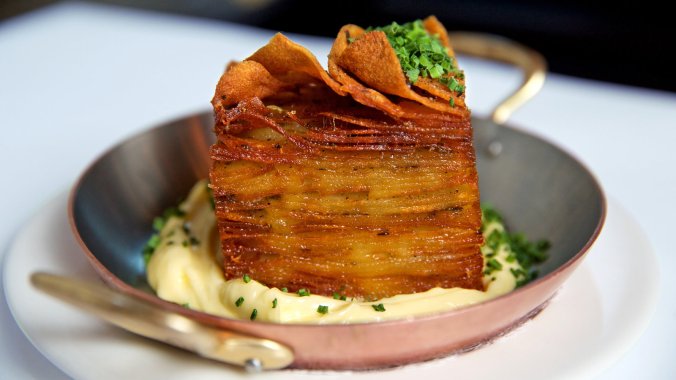
The leg of lamb has not been reinvented. Having spun on a rotisserie under a coat of herbs, it is carved off in long strips, like shawarma, and draped over very soft flageolets. A cheese soufflé appetizer recalls the warm pot de fromage at Cherche Midi; it’s delicious, even if it is breadier than a classic soufflé, more like a Gruyère-and-Parmesan popover. Continue reading

Model Mad, Enlightened

170320_r29582-640

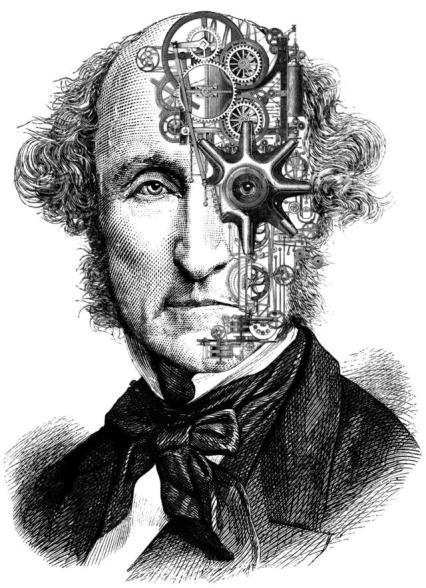
The true élite of modern societies is composed of engineers, mechanics, and artisans—masters of reality, not big thinkers. Illustration by Leigh Guldig

One of our favorite essayists (for exemplary reasons, see here, and here, and here) makes a compelling case for our taking a good look at the foundation of our assumptions, in this age of model mad.

His several essays in the months preceding and following the 2016 Brexit referendum and the USA election were impassioned, but this one in the form of a triple-book-review hits the mark the best, reminding us of the basic premises of the Enlightenment and how that matters now more than ever:

Of all the prejudices of pundits, presentism is the strongest. It is the assumption that what is happening now is going to keep on happening, without anything happening to stop it. If the West has broken down the Berlin Wall and McDonald’s opens in St. Petersburg, then history is over and Thomas Friedman is content. If, by a margin so small that in a voice vote you would have no idea who won, Brexit happens; or if, by a trick of an antique electoral system designed to give country people more power than city people, a Donald Trump is elected, then pluralist constitutional democracy is finished. The liberal millennium was upon us as the year 2000 dawned; fifteen years later, the autocratic apocalypse is at hand. Thomas Friedman is concerned. Continue reading

Music That Inspires On Multiple Notes

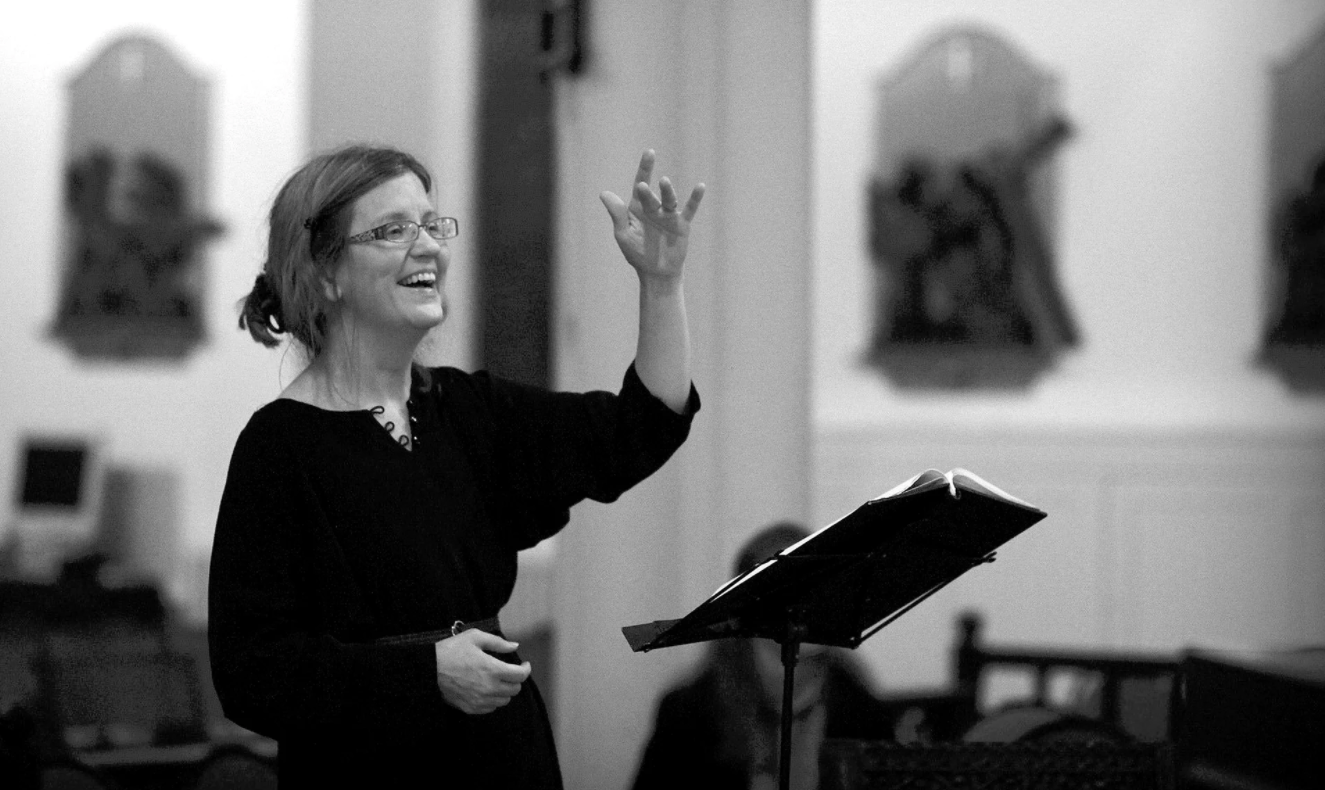
Musicologist and conductor Laurie Stras

While I personally don’t focus on organized religion, I can’t deny the power of sacred music to uplift my spirit. This story of inspired Renaissance composition and modern-day curiosity resonates with historical sleuthing and musical puzzle solving.

Click on the Sound Cloud musical links, close your eyes and breathe deep.

Sisters doing it for themselves: radical motets from a 16th-century nunnery

Eight years ago, leafing through a bibliography of 16th-century music prints (like you do), my eye was caught by the title of a motet: “Salve sponsa Dei.” “Bride of Christ,” I thought. “Must be for nuns!”

It was one of 23 anonymous motets published together in 1543, so I did what any self-respecting nunologist would do, and ordered a reproduction of the book. As I put the motets into a usable edition for modern singers, I found they were unlike any other 16th-century music I’d ever seen. They were dense, intense and sometimes startlingly dissonant.

The music – for five equal voices (of unspecified sex) – is astonishingly beautiful and yet strange, radical even. These works had lain unsung and unloved for almost four centuries, mostly because they were anonymous. These days, anonymity suggests that whoever created the book, music, painting or whatever was not important enough, or the product is not good enough, for anyone to care who made it. But in the 16th century, anonymity was also an important way for members of the nobility to disguise their participation in commercial ventures that were considered beneath them (which is why Gesualdo, a prince, published his madrigals anonymously).

But Virginia Woolf was right when she said: “Anonymous was a woman.” Continue reading

Model Mad, Marcus

0749redrooster

[Update: this post was originally published 48 hours ago but it definitely needs further attention so please do listen to Marcus]

This book came out late last year, and ever since I started sharing links to this man’s wonders  a of couple years ago, I keep watching for more reasons to do so; he always moves me. Today, again. Below is a link to a podcast he recently recorded to promote the book above. The conversation is artful. Powerful.

MarcusP.jpg

Marcus is an immigrant to the USA, so his reflections on recent policy shifts in the ultimate country of immigrants are worth a listen even if you are not a foodie. If those observations do not move you, all I can say is wow. It fits the “model mad” theme we have been linking to in recent weeks–people and organizations speaking out and creatively resisting when something is wrong; and doing so at risk of significant loss. Continue reading

Scott Chaskey, Inspiration

Chaskey.jpgI had not heard of him before, but as we move the Chan Chich Lodge farm to table program forward it is instructive to listen to him speak about his journey:

Farmer, poet, and pioneer of the community farming movement, Scott Chaskey is the kind of progressive thinker that doesn’t come around often. Weaving together his passion for farming and prose, the 66-year-old has penned multiple books on the community farming movement, creating a road-map for Americans who want to live off the land as a community. He talks to Here’s the Thing host Alec Baldwin about deciding to “eat consciously,” watching his love for the earth go global, and the food his kids hid from him when they were little.

This also has me looking at his books: Continue reading

Librarian’s Librarian

poi_librarian_of_congress_carla_hayden-WP-1200.jpg

The Librarian of Congress, Dr. Carla Hayden, believes in citizens’ right to access information. “It should feel very special because it is very special,” she said, of the Library. “But it should be very familiar.” ILLUSTRATION BY BEN KIRCHNER; PHOTOGRAPH BY LEXEY SWALL / THE NEW YORK TIMES / REDUX

It has been too long since our last shout out, among dozens starting in 2011, to libraries and librarians, so we are thankful for this opportunity with a brief excerpt from the middle of this post on the New Yorker website:

THE LIBRARIAN OF CONGRESS AND THE GREATNESS OF HUMILITY

The values of Dr. Carla Hayden, the first woman and the first person of color in the position, can be seen in every aspect of the institution she runs.

…Mention her name to a New York Public Library staffer, and there’s a frisson of excitement; at her raucous and bustling sendoff in Baltimore, a high-school librarian, quoted in the Washington Post, called her a “rock star.”…