
Photo credits: Ramesh Kidangoor
During the monsoon paddy fields are sub-merged in water and no farming can be done. At this time Lotus and Water Lilies grow abundantly, creating one of lowland Kerala’s most beautiful views.
Photo credits: Ramesh Kidangoor
During the monsoon paddy fields are sub-merged in water and no farming can be done. At this time Lotus and Water Lilies grow abundantly, creating one of lowland Kerala’s most beautiful views.

Mr. Senthil, a cardamom planter in Kerala, went for a forest trek yesterday and experienced one of his best trips in the Periyar so far. He was happy to share some of his photos. Continue reading

Photo credits: Ramesh Kidangoor
The Bharathapuzha is the second longest river in Kerala. It takes its origin from the Western Ghats and joins with the Arabian Sea after a long journey of 209 kms. Considered as the Nile of Kerala it is also known as ‘Nila”. Continue reading
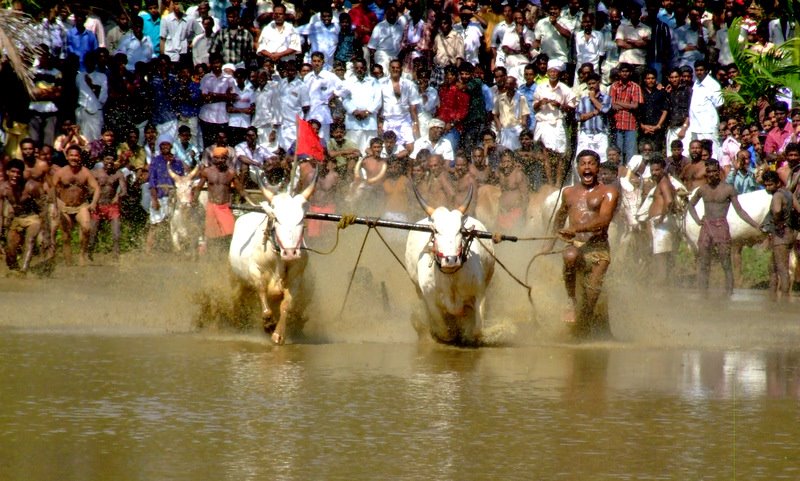
Photo credits: Ramesh Kidangoor
Kakkoor Kalavayal is a traditional post-harvest festival celebrated by the farmers of Kakkoor and the surrounding villages near Cochin. Legend has it that this is the annual meeting of the Goddesses of the villages of Edapra and Ambassery. The most exciting moment of this festival is the grande finale of the bullock race. Continue reading
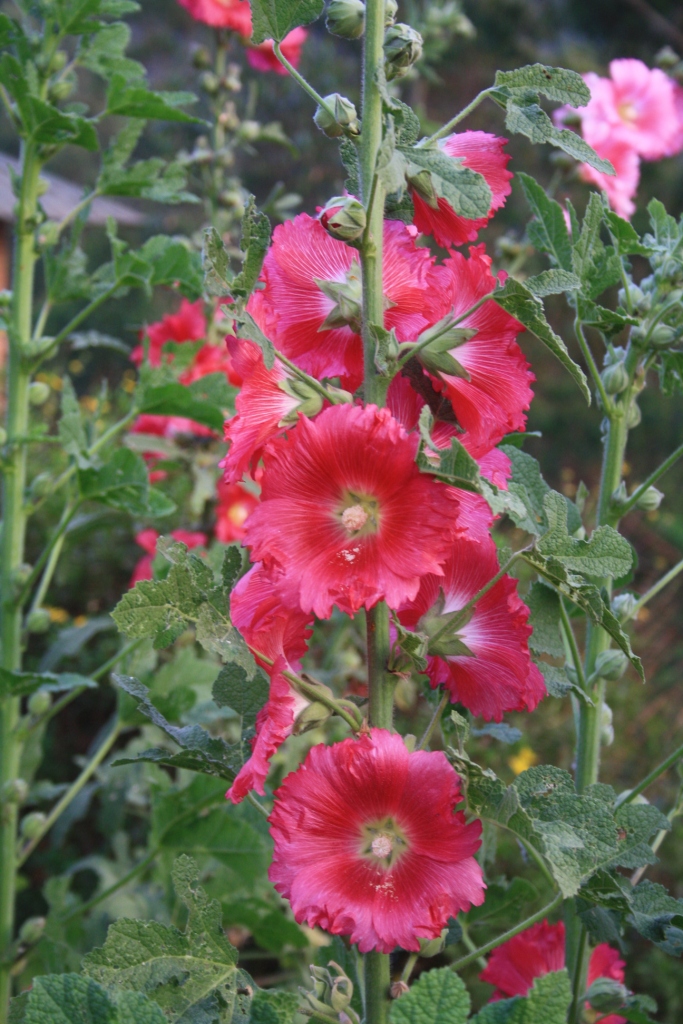
Hollyhock is an annual summer flower which is very common in Kerala’s high range gardens. Proud and upright, the impressive flower stands out from the rough, generally heart-shaped leaves. Continue reading

Photo credits: Joshy Manjummel
A night on Lake Vembanad is a night surrounded by nothing but the vast expanse of sky and water floating on house boats made in the traditional handcrafted style. Continue reading

Photo credits: Ramesh Kidangoor
Theyyam is a synthesis of tribal, Dravidian and Aryan cultural practices. It seems as if Northern Kerala believed that the Indian pantheon of 33 crores (330 million) Gods was not a large enough contingent, they added ancestors and heroes to the list and gave them a special space in the Theyyam rituals. Continue reading

Petunias are a low spreading plants with downy leaves and multicolored flowers. These attractive plants are members of the solanaceae family. There are about 35 different species of petunias. Continue reading
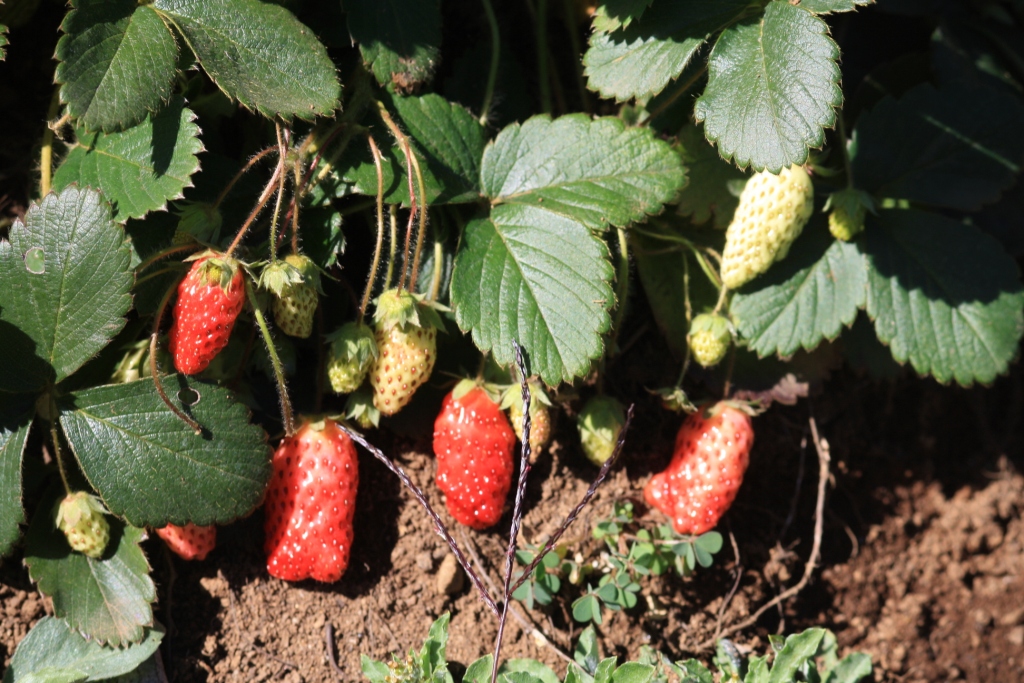
Strawberries belong to the family Fragaria ananassa, a genus of flowering plants in the rose family or Rosaceae. The popular fruit are cultivated worldwide. Continue reading

Photo credits: Ramesh Kidangoor
With its abundant paddy, Kuttanad has been termed the “Rice Bowl of Kerala”. Kuttanad is a large area made up of land from the three adjoining districts of Alappuzha, Kollam and Kottayam. Most of Kuttanad consists of paddy fields that spill out into vast stretches inland from the backwaters. Heavy monsoon rains bring top soil and minerals from the high ranges of the Western Ghats, depositing them in the low-lying Kuttanad region in a periodic replenishment that keeps the soil fertile.

Letchmi Tea Estate is situated about 10 km from Munnar town att an altitude of 6000 ft above sea level. The estate is famous for the best quality tea of Kannan Devan Hills. Continue reading


Photo credits: Ramesh Kidangoor
The Siva Temple at Ettumanoor has a unique festival called Ezhara ponnana — meaning “seven-and-a-half golden elephants”. Each of the statues in the procession contain nearly 13 kg of gold. Seven of the elephants are two feet high, only the eighth is one foot, giving the festival its unique name. Continue reading
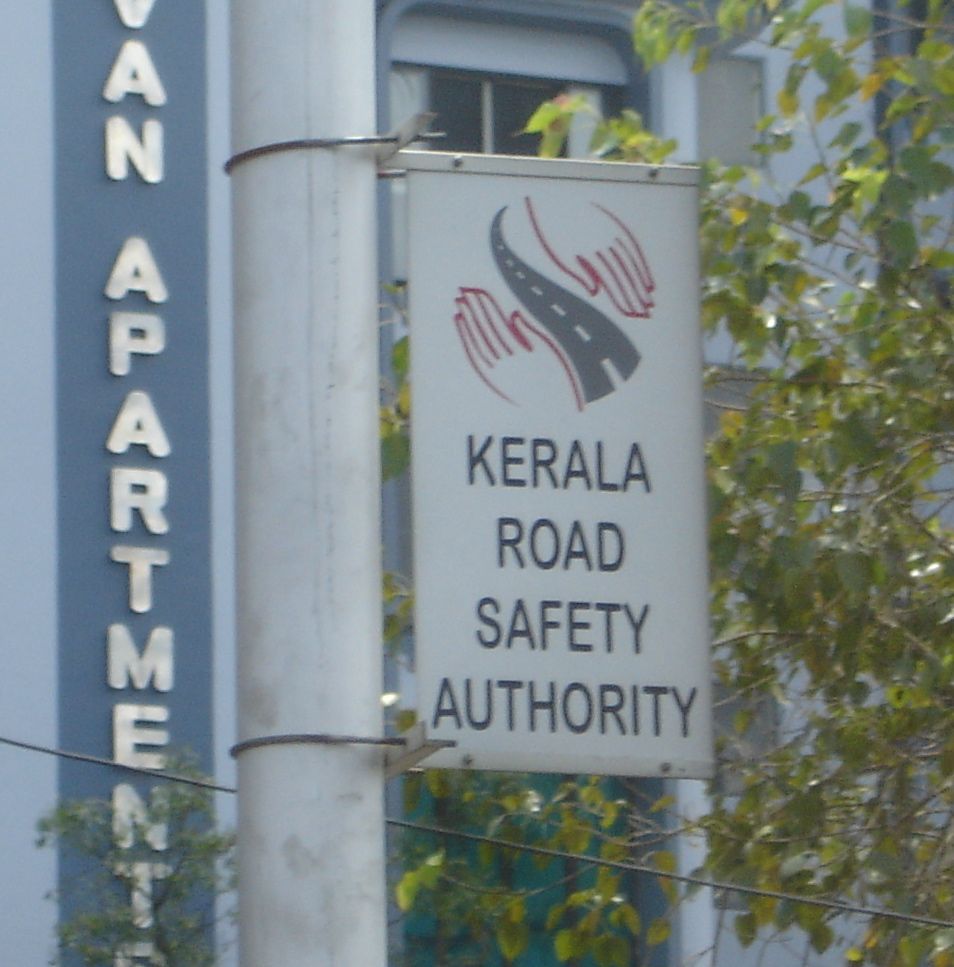
Ernakulam, Vytilla Junction
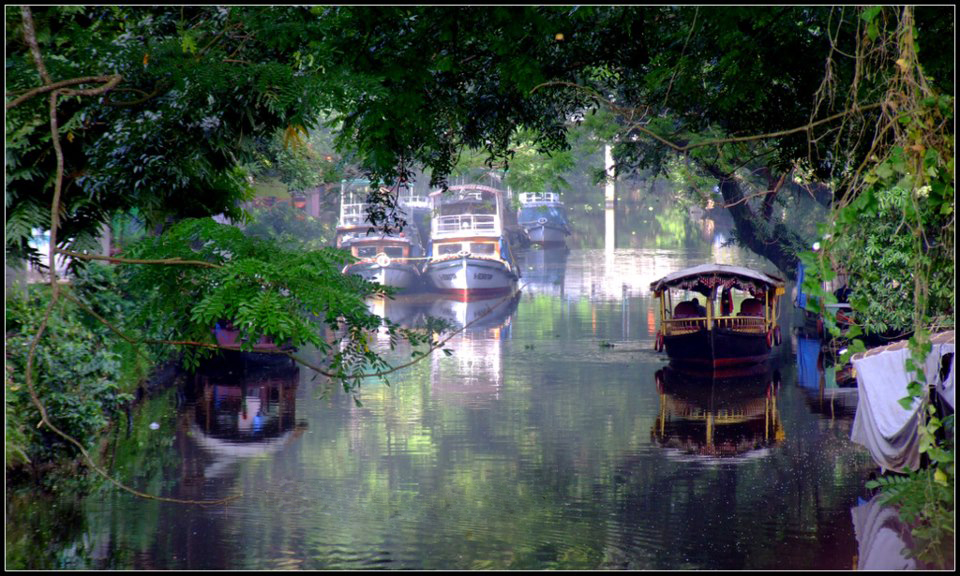
Photo credits: Ramesh Kidangoor
Sandwiched between the Arabian Sea and Vembanad Lake on a sliver of land barely 4 km wide, Alappuzha has the dual advantage of cheap inland water transport on its eastern end and calm seas suitable for an all-weather port on the west. Its criss-crossing canals, which were once busy waterways, historically evoked comparisons with Venice. Continue reading

Thiruvananthapuram
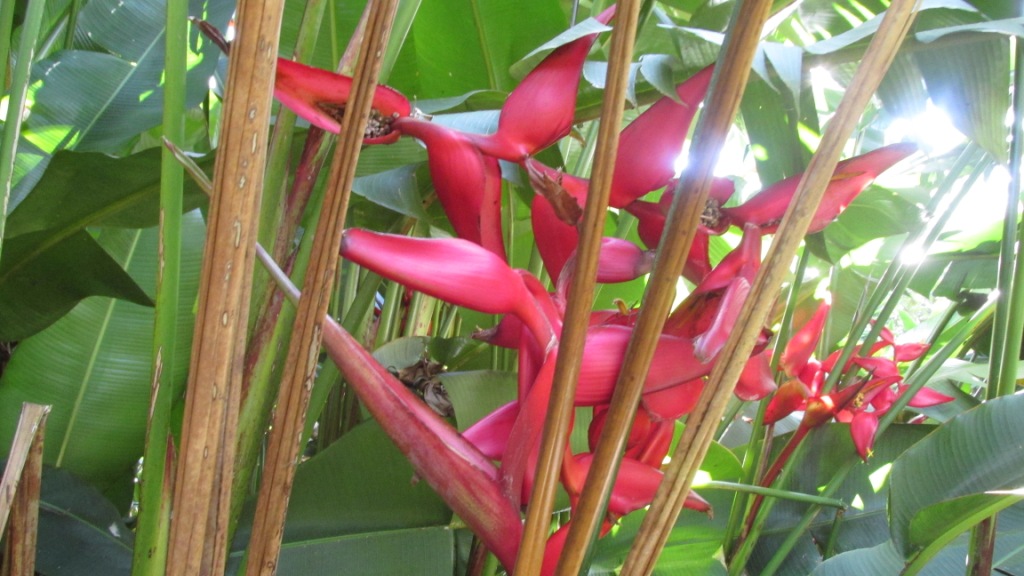
Heliconia Collinsiana is an ornamental plant native to Central America that grows widely as a popular garden plant in India’s Western Ghats above 800 metres. Continue reading
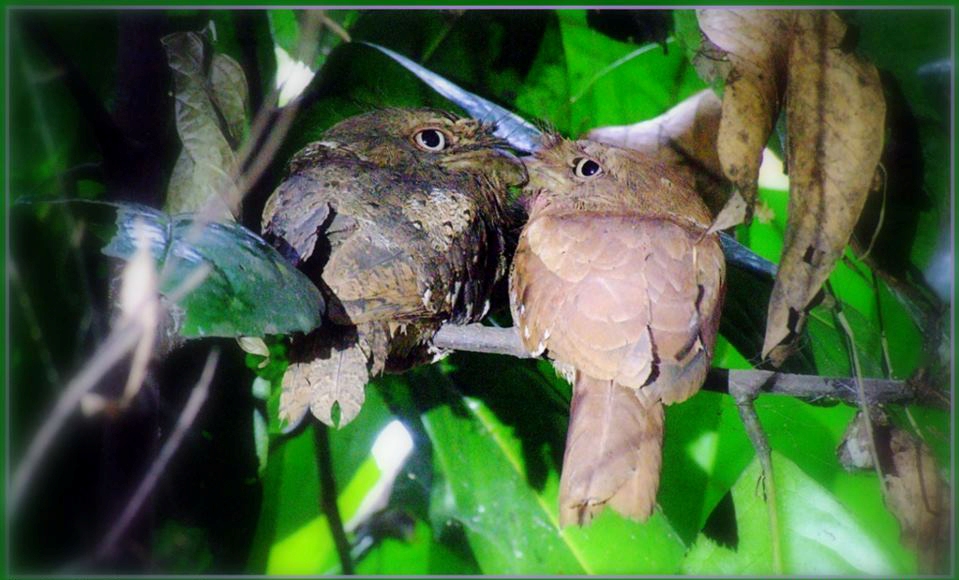
Photo credits: Ramesh Kidangoor
Thattekkad Bird Sanctuary is Kerala’s first officially recognized bird sanctuary. Named after the late renowned ornithologist Dr. Salim Ali, the small but intensely biodiverse area lies snugly between two branches of the Periyar river and the serenity of the Anamalai hills. This bird watcher’s paradise was once a rubber plantation, but due to its abundant wildlife and in order to protect the wide range of resident and migratory birds it was declared a sanctuary in 1983.

Photo credits: Ramesh Kidangoor
India is the largest producer of Araca nut and at the same time the largest consumer. The nut, popularly known as supari, is extensively used during religious practices. Kerala produces about 30 percent of India’s total production. Continue reading
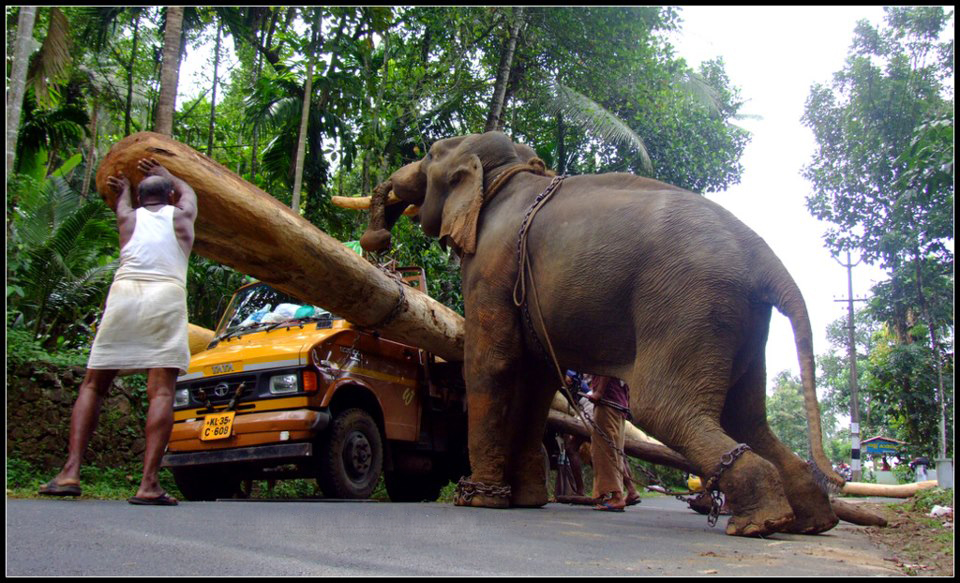
Kerala has about 700 domesticated elephants. Of these 90 percent are tuskers (the local term for male elephants), who play a major role in religious festivals. Apart from their role in temple ritual, the elephant’s strength and power has been effectively harnessed in work in the logging industry, primarily in loading timber for transport. This is unique to this region. Continue reading
 Organikos