Creating panoramas is an imprecise art – a photographer has to account for several variables when planning a shot. Composition is itself the most simple of these variables – despite the fact that what you see is rarely what you get. A good vantage point at a higher altitude than the subject is ideal, although occasionally elements which frame in the view add interest to the image. Symmetry isn’t necesary, but unbalanced shots should have either objects of interest or follow the rule of thirds (which is by no means an actual rule). A panorama need not be a full 360 degrees, and besides the ‘wow’ factor there is usually little value to this property. The picture ends up being more like a strip than something easily viewable, and takes a great deal of time to see and appreciate.
Nature Photography

Bird of the Day: Sunbird (Gavi, India)
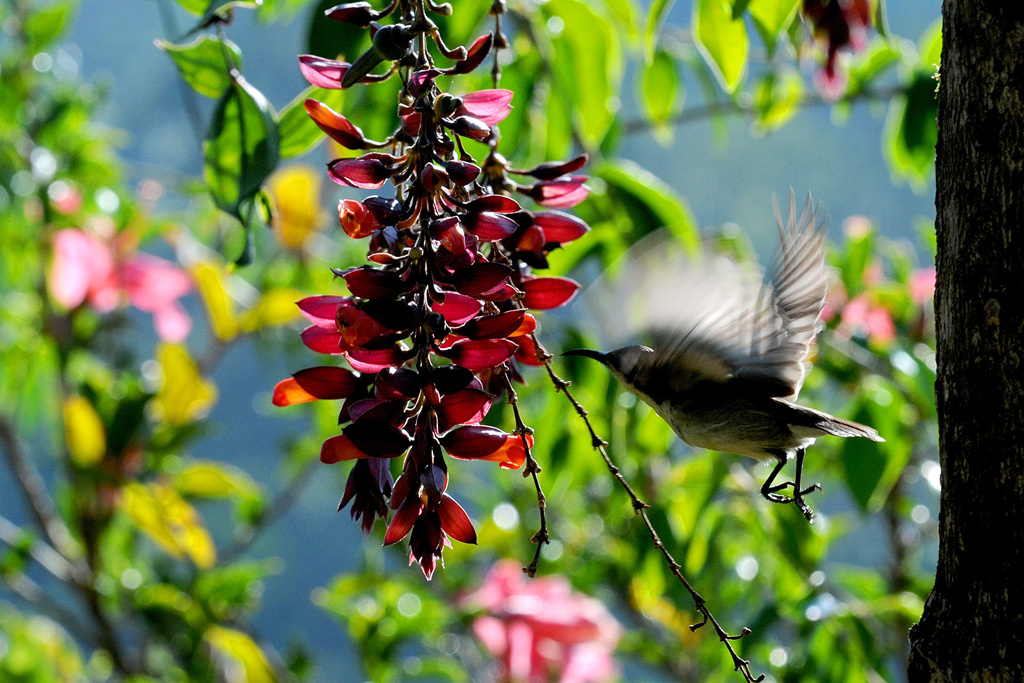
photo : T J Varghese
Bird of the Day: Galapagos Fly Catcher

Galapagos Islands, Ecuador
Bird of the Day: Great Egret (Galapagos Islands, Ecuador)

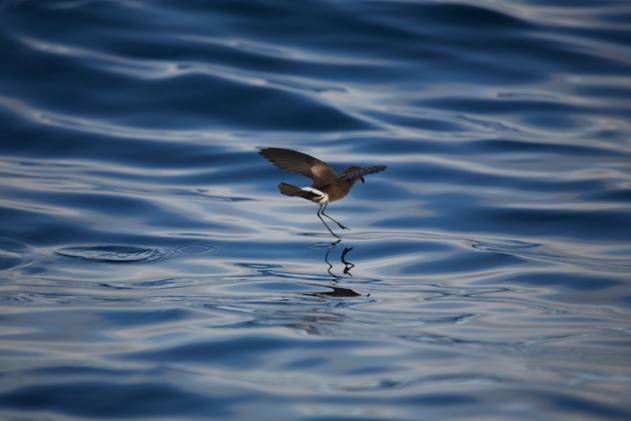
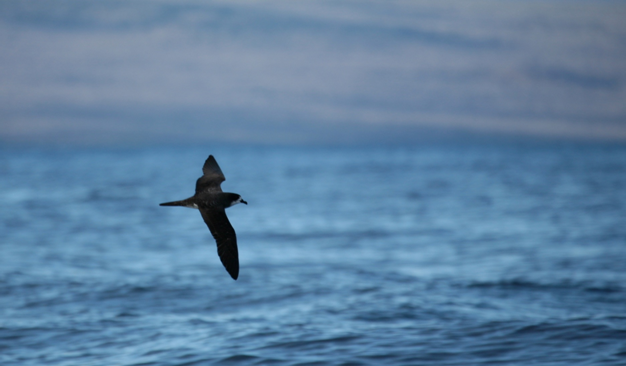
Bird of the Day: Eliot’s Storm Petrel (Galapagos Islands, Ecuador)
Bird of the Day: Brown Pelican (Galapagos Islands, Ecuador)

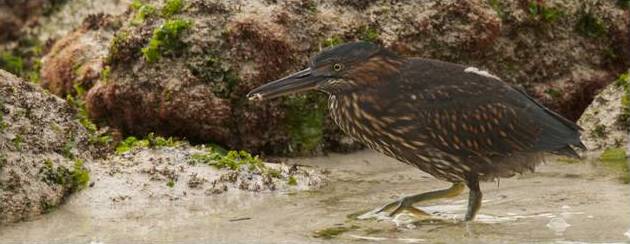
Bird of the Day: Striated Heron (Galapagos Islands, Ecuador)
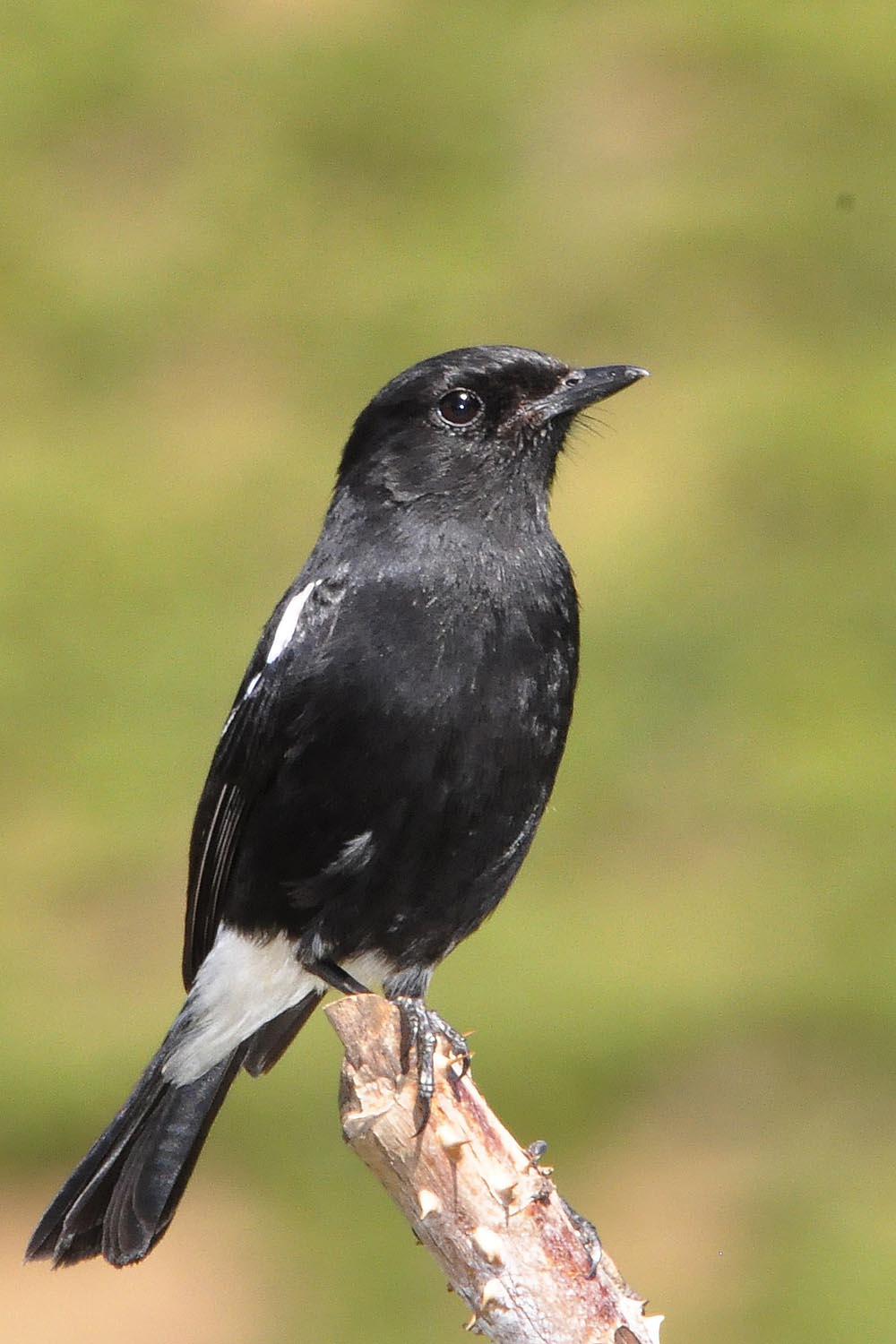
Bird of the Day: Pied Bush Chat, Male (Ooty, India)
Bird of the Day: Dark Rumped Petrel (Galapagos Islands, Ecuador)
Amazing coconut tree
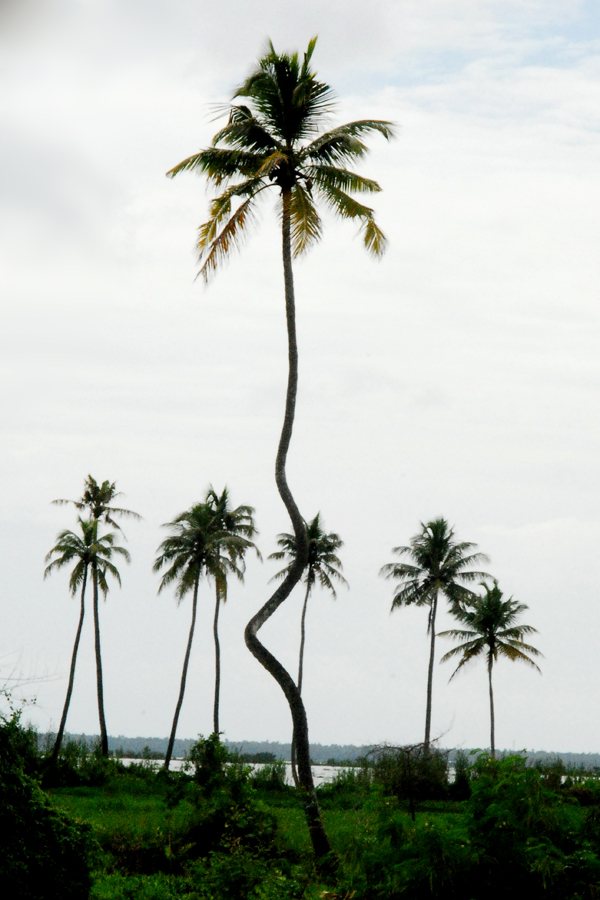
Photo: T J Varghese
Photo taken near Alappuzha, Kerala.
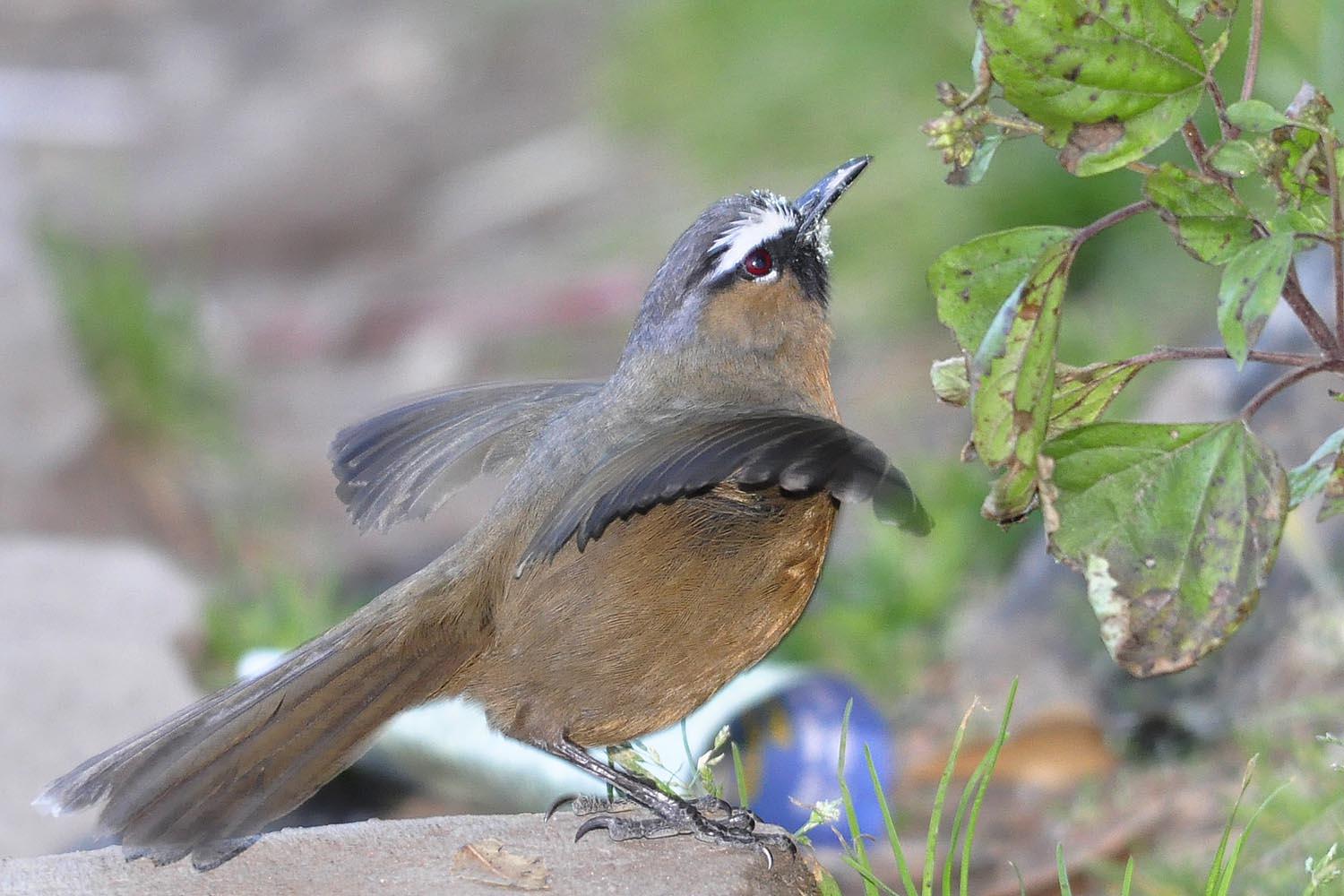
Bird of the Day: Nilgiri Laughing Thrush (Ooty, India)
Bird of the Day: Great Blue Heron (Galapagos Islands, Ecuador)

Bird of the Day: Great Tit (Ooty, India)

Georgia O’Keeffe, 1932
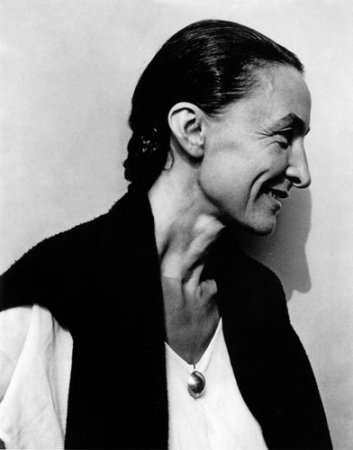 This photograph, taken by Alfred Stieglitz 15 (or 16 or 17, see the endnote in the article from which it is taken) years after they first met, is not one commonly seen of the artist. First, she is smiling. Second, she is younger than the most commonly known photographs of her. The great statement from the beginning of the article from which this comes is:
O’Keeffe achieved a strong personal presence as well through the proliferation of photographs of her hard-bitten, heroic face, which seemed to evoke the early pioneers.
Bird of the Day: Pacific Screech Owl

Playa Ocotal, Nicaragua
Bird of the Day: Blue-Footed Booby

Galapagos Islands, Ecuador
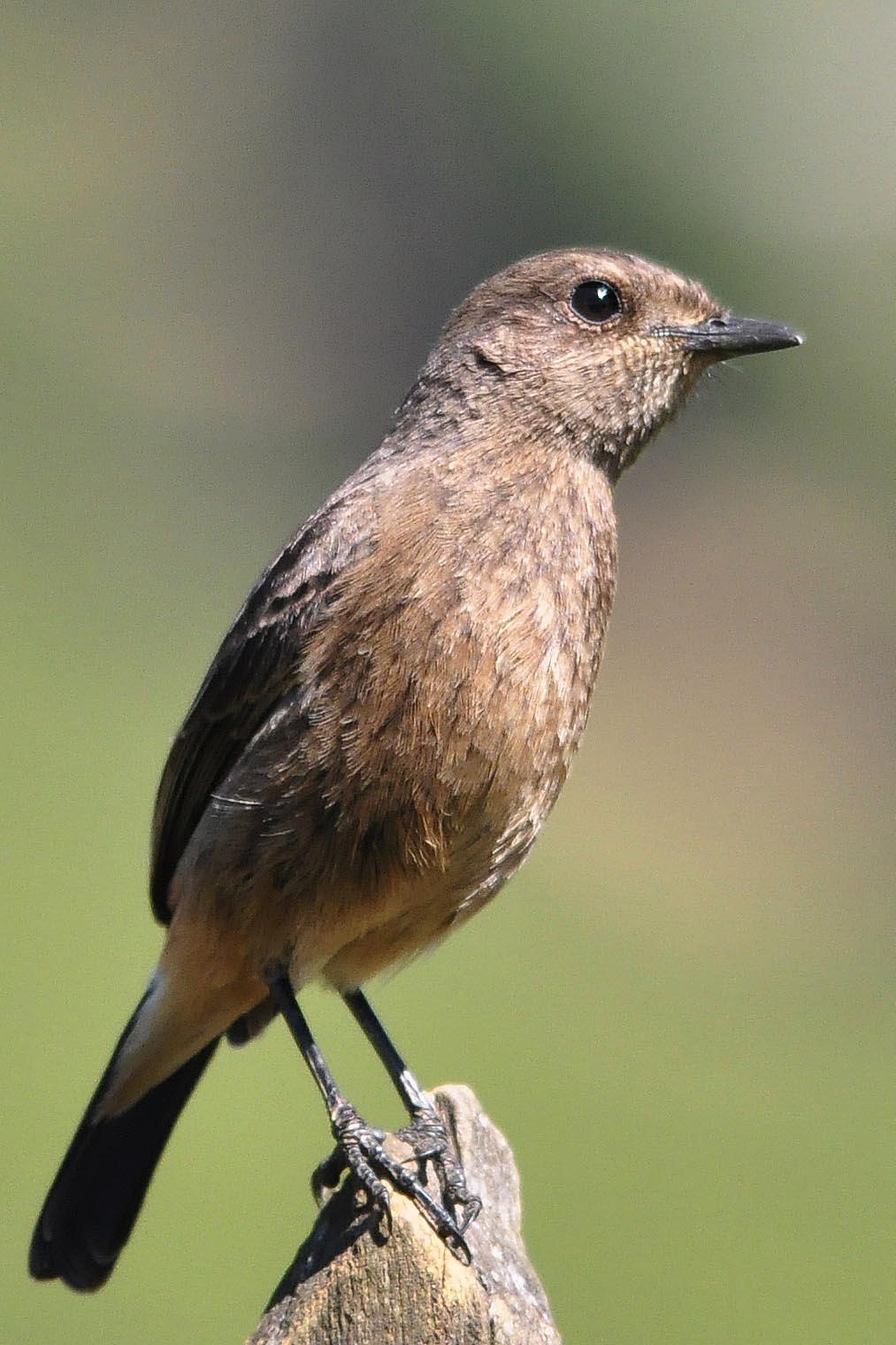
Bird of the Day: Pied Bushchat–Female (Ooty, India)
Common Monkey–Bonnet Macaque

photo:TJ VARGHESE
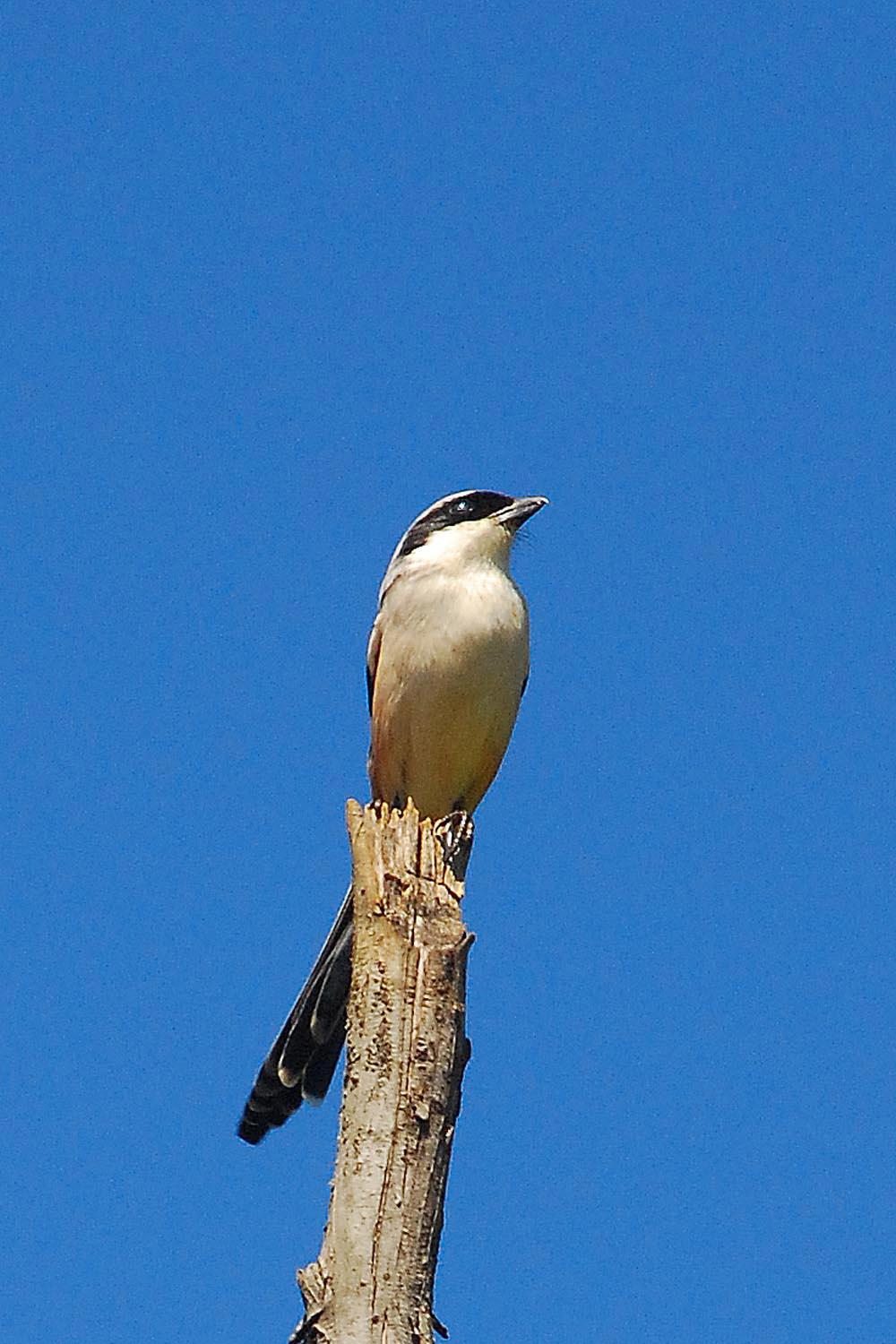
Bird of the Day: Long-Tailed Shrike (Ooty, India)
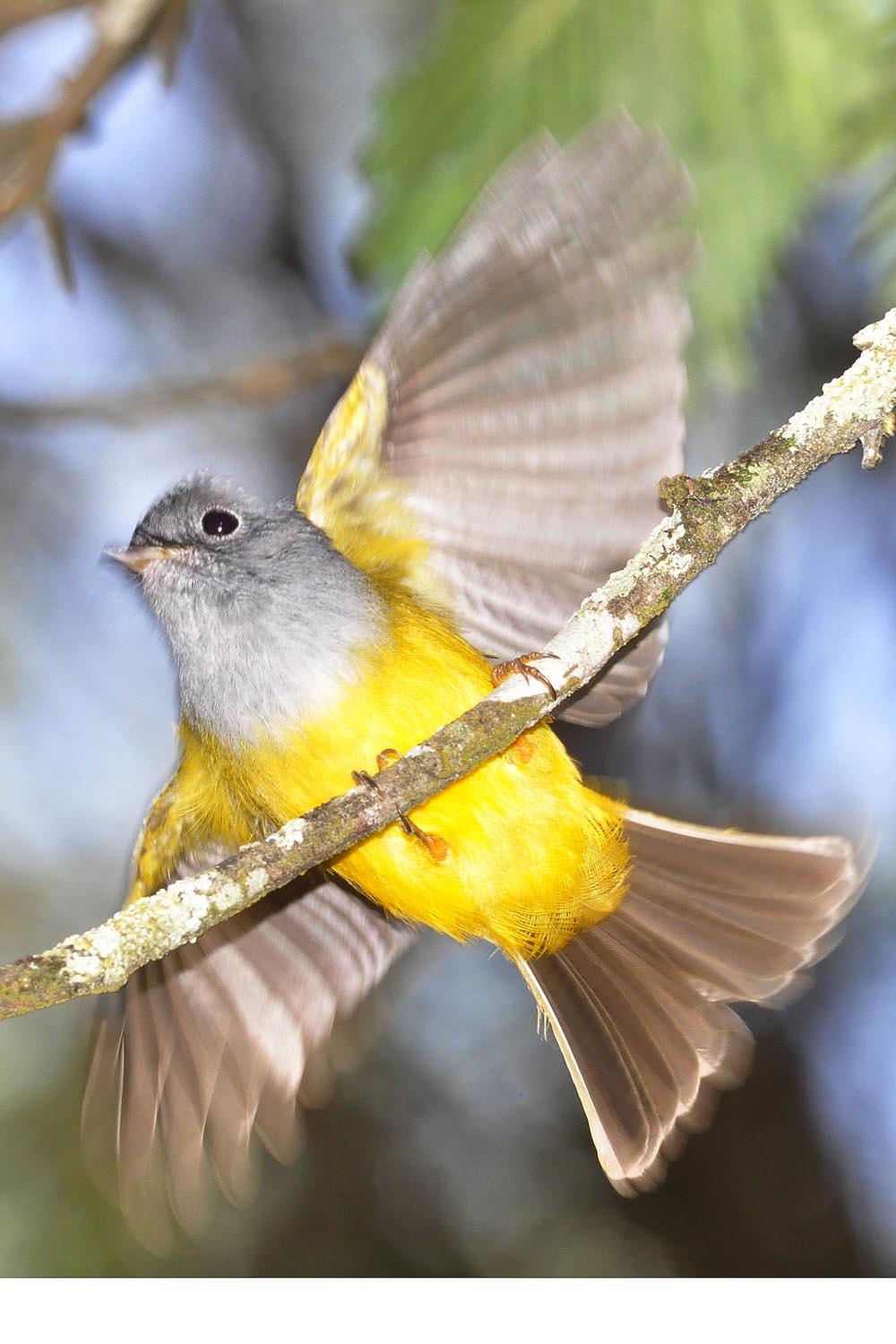
Bird of the Day: Grey-Headed Canary Flycatcher (Ooty, India)