When I lived in either tropical or Mediterranean environments it was never surprising (but always exciting) to see trees and bushes laden with fruit in their season; mangoes, citrus, and papaya in Costa Rica, or figs, pomegranates and lemons on a Croatian island. But when we temporarily relocated to Atlanta I was happy to discover similar levels of abundance in both urban and suburban environments. In some cases there were trees that looked like they had outlived what some in the neighborhood are wont to call “the war of northern aggression”, such as the pear trees owned by the Dunwoody Preservation Trust, while in others it was a fresh commitment to collective action like the Dunwoody Community Garden where food pantry harvesters pick, wash and bag lbs of produce from donation plots to distribute to a local food bank. (Current estimates for these initiatives are over 1,500 lbs of produce plus 567 lbs of pears to be exact!)
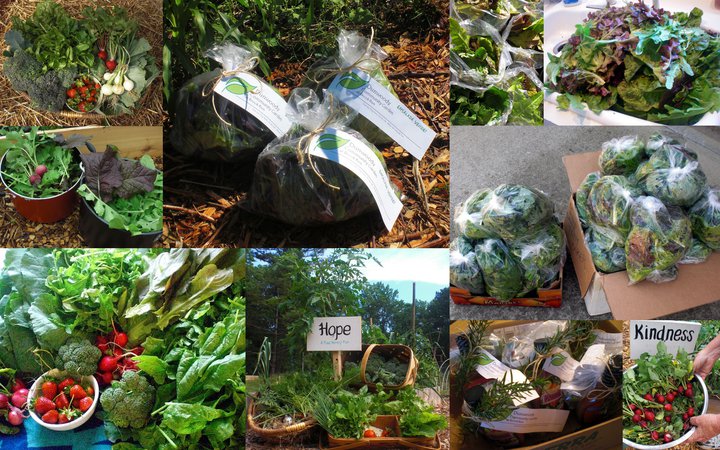
In a time of disparity between the amounts of fresh food produced in the world and the number of people who go without it, I am happy to participate in and proselytize about programs that help alleviate this imbalance. In the United States Community gardens are springing up around the country on both public and private land, in likely places such as empty lots, school yards and church yards, as well as surprise locations like urban rooftops. And while those gardens are used by individuals to allow food security for their families, a large portion of them also plant with surplus in mind in order to donate to local food banks. Continue reading
 Organikos