Wadi Feynan was one of the first 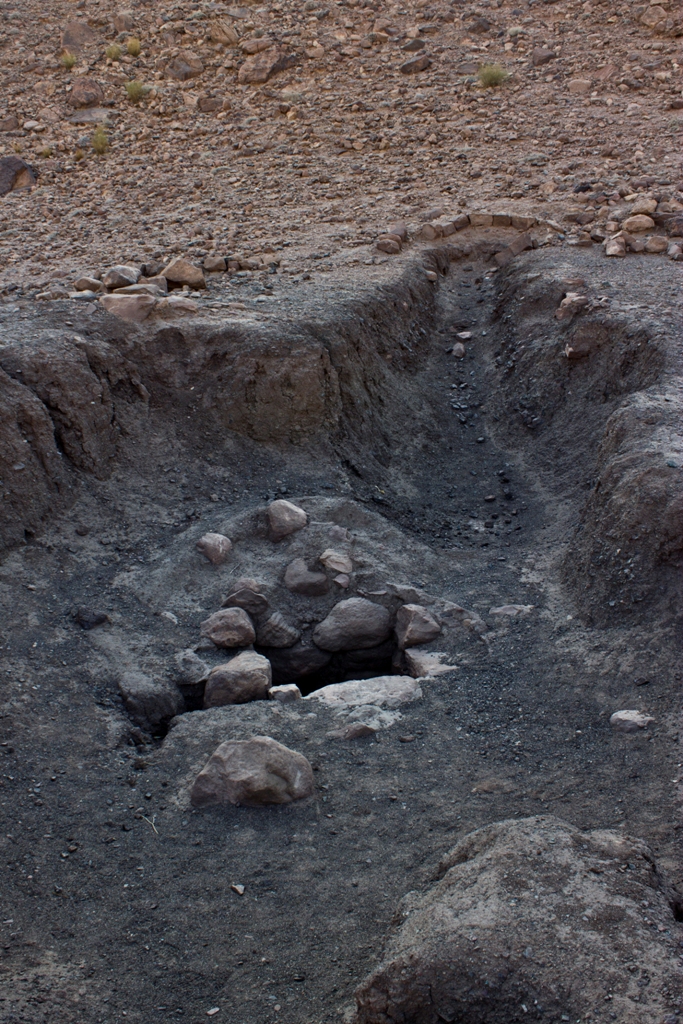 places in the world where copper was mined and smelted by humans, which when
paired with one of the first Neolithic settlements in the world, makes Feynan an extremely important area in terms of prehistoric human development. Few places in the world can boast this sort of historical wealth – and visitors to Feynan can journey into the past with or without a guide. From the first bit of ore extracted to the collapse of the Roman Empire to the 20th century, copper mining has been a major aspect of human settlement in these valleys. Innumerable shafts have been opened, collapsed, reopened, and abandoned using a wide range of methods and technologies. Today, guests at Feynan Ecolodge have the chance to venture into the past by walking or biking to these historic sites nestled in the rocky foothills of the Dana Biosphere Reserve – and learn about their historical significance. Continue reading
Feynan
Wadi Dana – Valley of the Rising Sun

Jordan is a composite of valleys and gorges, gullies and canyons, gulches and sand. Dry, warm air is blown through every nook and cranny, a stark contrast from the moist, muggy air I’ve grown accustomed to breathing in the south of India the last two years.
In fact, the only real similarity between Kerala and Jordan in my mind is how different they are (if you have been to both and think they are birds of a feather, let’s agree to disagree) – particularly climatically. I took advantage of my enhanced ability to physically exert myself without rapidly dripping sweat as often as possible during my time at Feynan; I accompanied the guides on as many activities as possible, and also did a fair bit of hiking on my own.
 One of my favorite (as well as most convenient) hikes was from Feynan up the first valley to the north-east: Wadi Dana. I spent at least 24 hours walking in this valley on my own – and probably nearly that long with guides and guests. It was a boon to watch the lodge’s Bedouin guides walking through the lands they grew up in, as well as learning about the area’s natural bounties from them; every hike yielded a treasury of information on goat udder infection remedies, headache alleviation; arthritis, diabetes, and chronic headache treatments – all sourced from plants that appear to an outsider’s eyes as weeds growing from the cracks in the mountain. I learned how to sanitize my hands with “Bedouin Soap”, how to find a decent snack when feeling peckish, and what type of branch to use to make a splint if one of your goats breaks its leg (although I wasn’t taught how to actually do so, I was in someone’s tent and watched it being done), as well as several other folk remedies and fixes based on native plant life. Continue reading
Desert Blues
Last year, during the summer prior to starting college, I worked at Feynan in Jordan teaching English to the children of the local Bedouin community.
The hybrid of Berber, Arab, Western and black African music styles of the Malian group Tinariwen serves as a sound track to his experience. I had the pleasure of hearing some members of the group in a small venue last year, and that sound of desert yearning, or “asuf”, was almost palpable. Take a listen to the embedded songs in the multimedia files in both of the above links and tell me if you agree.
…soon it will once again be time for Tinariwen — which operates as a collective, with anywhere from five to nine members, depending on factors like who has herds to tend or whose wife is pregnant — to move out of its cultural space and into ours. And with that, the feeling of asuf will return, feeding a yearning for the desert even as it powers the music.
 Organikos