Looking: Over and Out

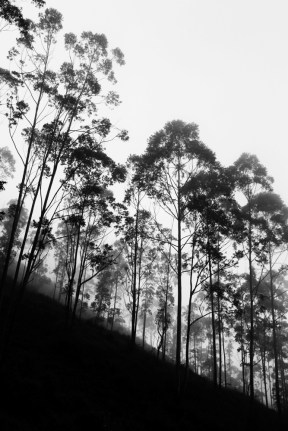
India’s Western Ghats are one of our planet’s most biodiverse zones – as well as an intensely beautiful geological spine that separates the southwestern coast of the subcontinent from the southeastern. Kerala’s border with Tamil Nadu coincides with the range, which poses no mysteries. Transportation over the hills and mountains is tedious, and each side has it’s own cultural and meteorological identity; the border makes sense to an outsider. Continue reading

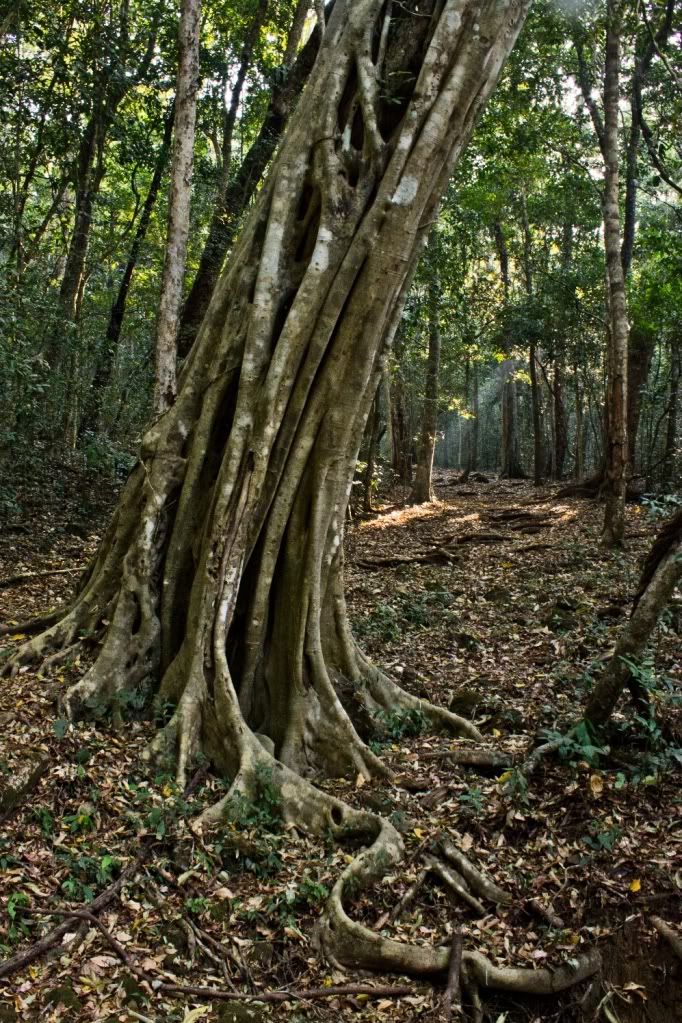
Crepuscular Forest

Elusive, elemental, and extremely beautiful – this natural phenomenon is breathtaking and actually quite simple to explain. Commonly known as light beams, crepuscular rays are caused by an effect similar to Rayleigh scattering, and are rare to see in a natural environment save near the twilight peripheries – hence the name. Steam, smoke, and dust during the rest of the day makes these beams visible to us from all angles, but short of these mediums, angle and hour are the most significant factors for seeing them.

Continue reading

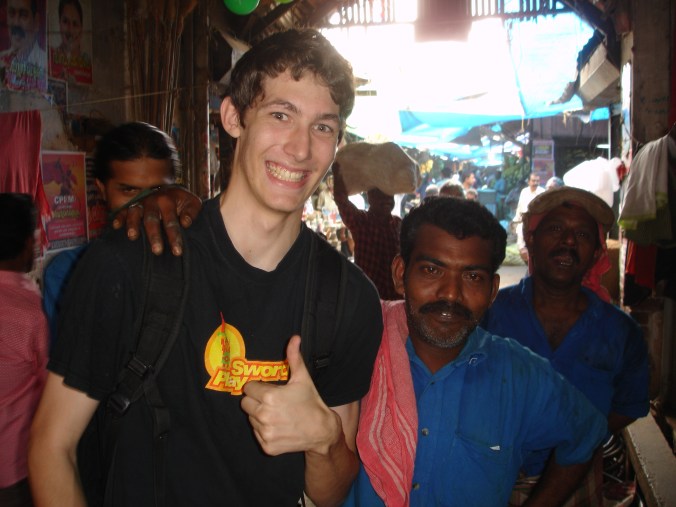
Saip!

In my own favorite post of the last few months (Kerala: Seeing & Learning), I briefly mentioned the word. But I didn’t make it clear just how hilarious the instances of its utterance can be, especially when the subject knows its significance.

A New Zealand writer who lived in Kerala for a few years describes a few bizarre Continue reading

Relics

Everywhere you go in India, even cities considered ‘modern’ by today’s standards, there are relics of the past. Architecture, attire, animals walking through the street. In Cochin, one of Kerala’s biggest cities, locals don’t even look twice if an elephant walks down the street – the same street with IT parks and shopping malls on it.  Continue reading

Scarlet Basker, Revisited

In my previous post about this species, I gave a very brief description of its physiological features. Urothemis signata is indeed called the Scarlet Basker because of the mature male’s coloration, although the young male and female are quite similar, and therefore difficult to differentiate.  The difference (prior to maturity) between the two, as far as I can tell, is that the female’s abdomen has somewhat more extensive black markings, becoming almost ringlike, whereas the male’s markings are more like patches.

Although it is very possible that there were mature males flying about the area in which I photographed this specimen (there were probably 6 or 7 immature ones about), it would be almost impossible to tell because  Continue reading

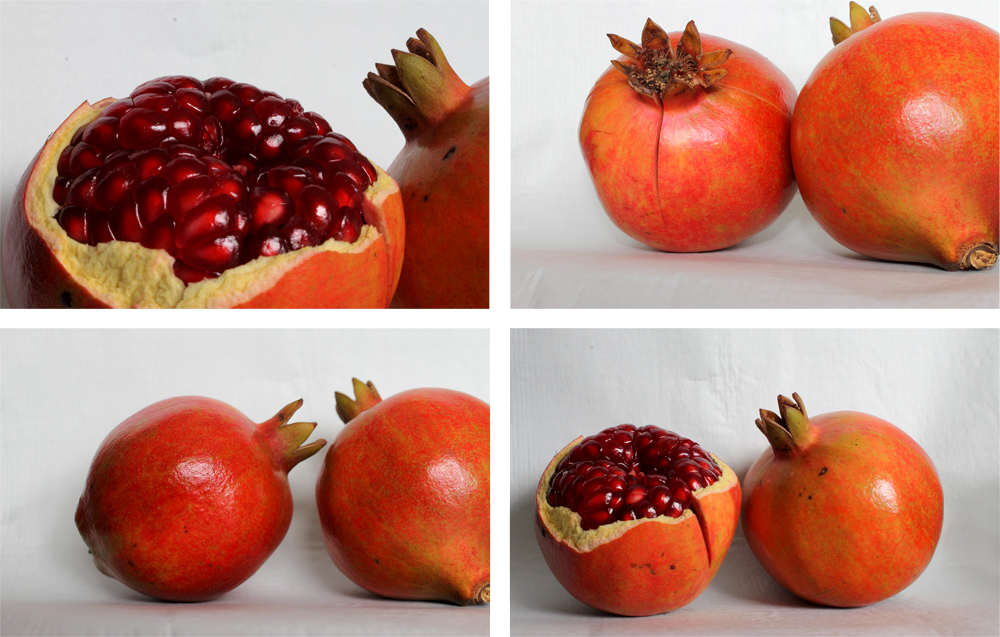
The Tale of Two Pomegranates

The color red defines the current fruit season in India.  (Bananas don’t count because they are always in season, and yes there are indeed red bananas…)  The fruit stalls are piled with apples and pomegranates.  What lacks in variety is made up in abundance, as well as the flair for display.

But this season pomegranates reign.  Native to Iran (culturally Persia), the fruit traveled through India, mostly in the north of the country (Pune is famous for pomegranate production), but also in our southern state of Kerala.  The Middle East, Mediterranean and southern Europe were also fertile ground for the Punica granatum, and when the Spanish brought it to the “New World” it completed the global circuit nicely. Continue reading

A Well-Rounded Adventure

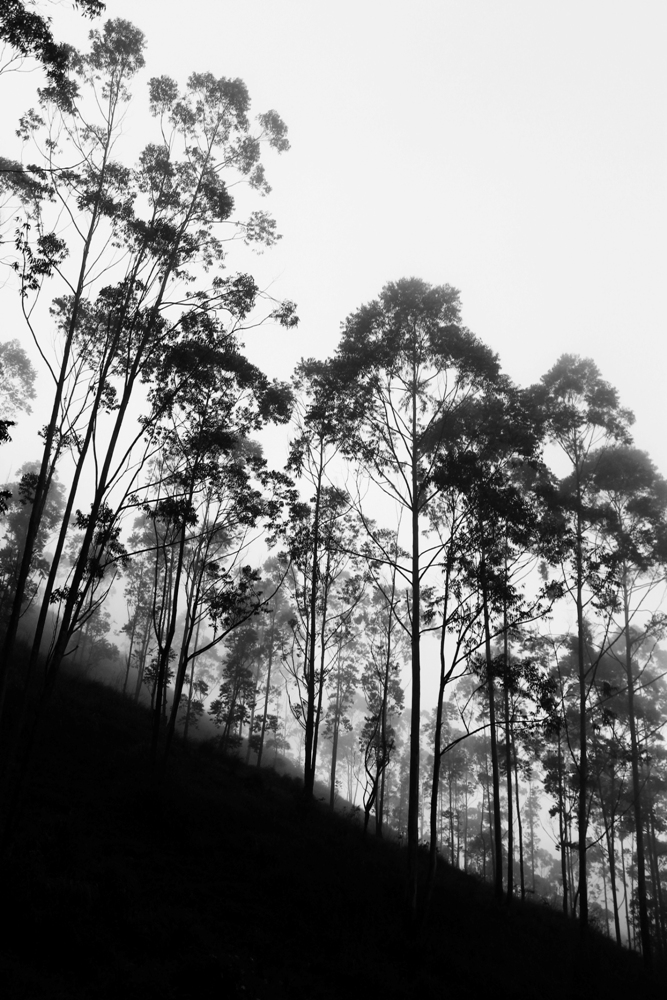
“Mists, ah, very problem!”

I glanced sideways at the boisterous Mallu man driving the jeep along the winding mountain road. Like his passengers, he was peering out of the vehicle at the steep slopes around us, scanning them for wildlife, abetted by the pre-dawn lighting and the heavy mists.

If any elephants or bison were grazing upon the high hills we drove through, they were impossible to see thanks to the cotton-thick mists blanketing the tall grass and trees that covered the terrain. As the vehicle banged and clunked over potholes at high speeds, I held determinedly onto the railing for dear life, occasionally risking freeing my hands for a photograph of the scenery speeding past.

Some ways down the road, once the sun had risen above the horizon, the jeep rolled to a stop under a densely canopied corridor. My eyes began to search the trees for the reason of our stop to no avail – the driver pointed to what I had previously taken for a pile of rocks, proclaiming it to be a tribal temple. Upon a second look, I realized that the blocks of granite were hewn into rough rectangles, and while in no particular order, they were indeed surrounding a small garlanded icon. Continue reading

Bonds In Theaters

Here on the southern coast of Nicaragua, I have tracked reviews of the latest Harry Potter movie without yet being able to see it for myself.  My parents and brother went to see it in Kerala today.  Their review was less about the movie itself than about the fact that being in a movie theater in India is a kind of spectacle in its own right, apart from whatever may be happening on screen. I’ll describe the Indian experience in more detail later; for now I think back in time.

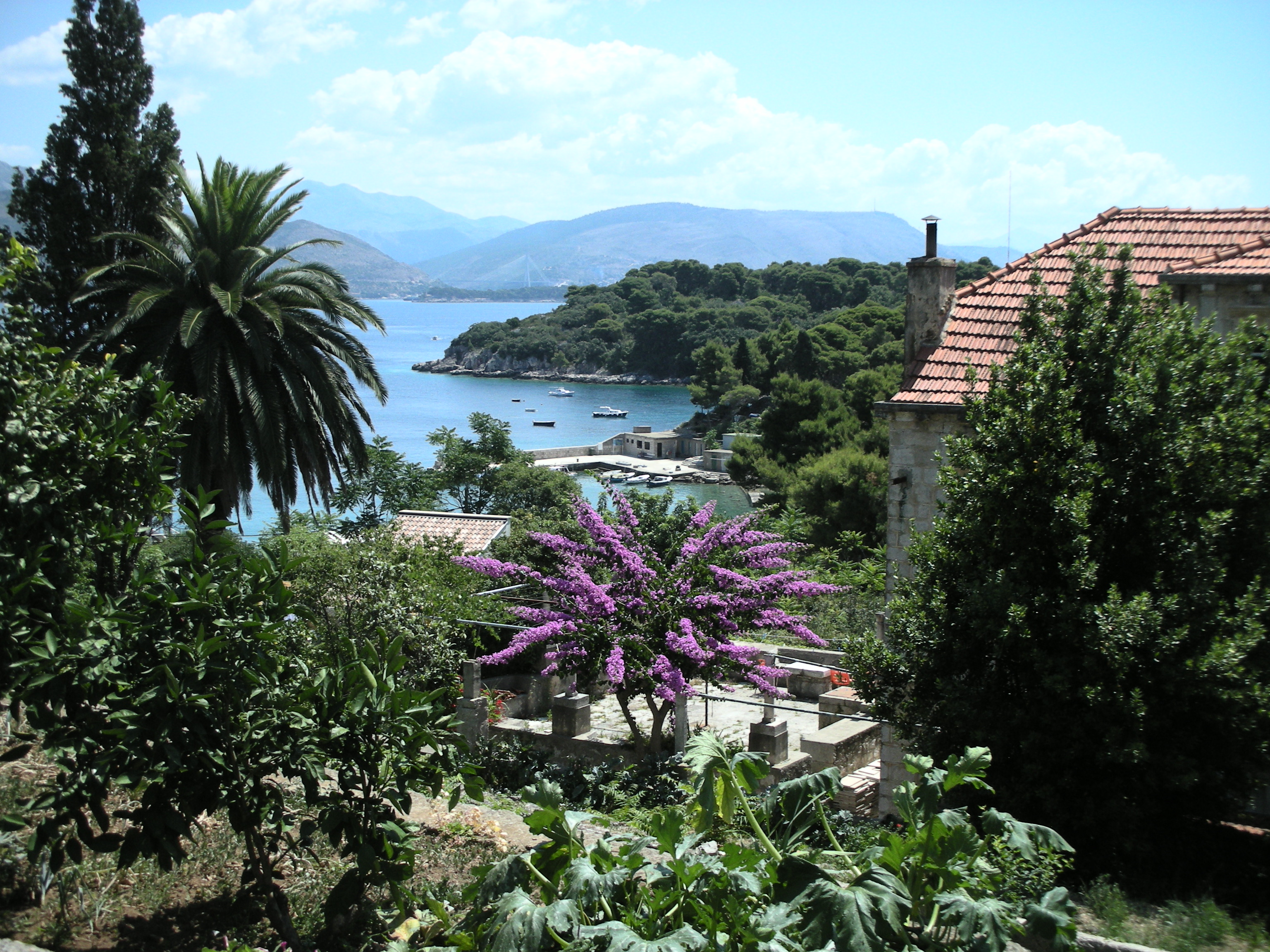
In 2006 my family was living on a small island off the coast of Dubrovnik (that is the view from our home in the photo above). About 150 people lived on the island, mostly the families of fishermen, who only spoke Croatian and maybe a little Italian.  The old city of Dubrovnik had a small cinema that sometimes played movies in English.  I recall when the latest James Bond film, with a new actor whose performance everyone was eager to review, started playing in this theater–in English with Croatian subtitles. “Casino Royale,” the movie was called.

Continue reading