Model Mad, Marcus

0749redrooster

[Update: this post was originally published 48 hours ago but it definitely needs further attention so please do listen to Marcus]

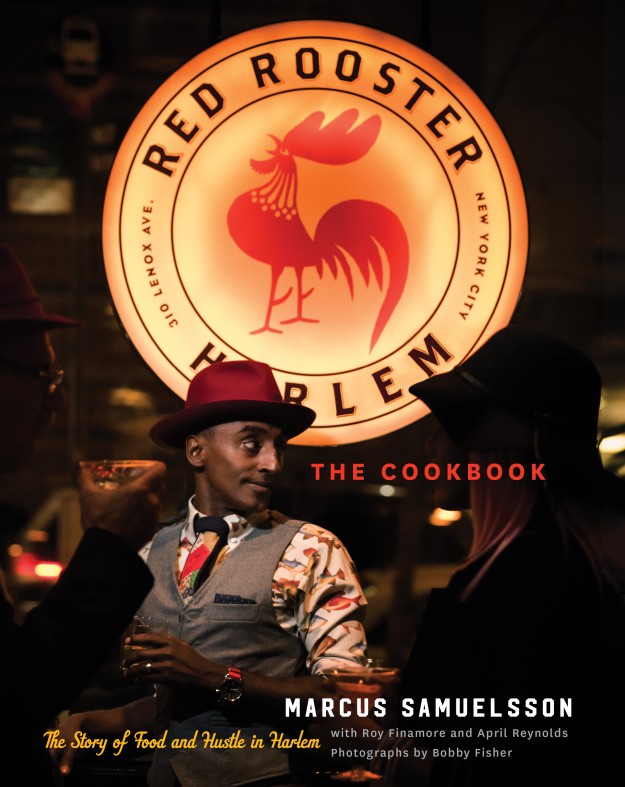
This book came out late last year, and ever since I started sharing links to this man’s wonders  a of couple years ago, I keep watching for more reasons to do so; he always moves me. Today, again. Below is a link to a podcast he recently recorded to promote the book above. The conversation is artful. Powerful.

MarcusP.jpg

Marcus is an immigrant to the USA, so his reflections on recent policy shifts in the ultimate country of immigrants are worth a listen even if you are not a foodie. If those observations do not move you, all I can say is wow. It fits the “model mad” theme we have been linking to in recent weeks–people and organizations speaking out and creatively resisting when something is wrong; and doing so at risk of significant loss. Continue reading
Ethiopia, Diaspora, Community, Success

21MARATHONweb3-sfSpan-v3

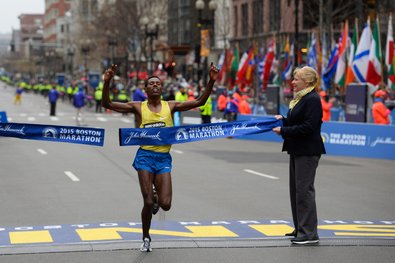
C.J. Gunther/European Pressphoto Agency. Lelisa Desisa crossing the finish line. As he rounded Hereford Street for a well-honed sprint to the finish, he cast off his hat in pre-emptive triumph and waved to the crowd.

Today’s news about an Ethiopian man winning the Boston Marathon gives me the hook to write a post that has been on my mind since Friday. Back before I knew much about Ethiopia from actual experience, I heard an interview with a man from Ethiopia, an emigre in New York City. Adopted man. Adopted city. And a worldview, a lifeview, that I could relate to with a powerful intensity that I did not fully understand at the time:

This Time, Lelisa Desisa Wins Boston Marathon for Himself

Something in that interview began changing the structure of my thoughts about Ethiopia. And then within months of that one of our colleagues from the Zaina Lodge project started telling me that the next place I “must, must, must” explore is Ethiopia. The dial moved even further because that colleague told me stories I could hardly believe about the beauty of Ethiopia. And when I finally made my first visit, I was nonetheless awed beyond what the colleague had led me to expect. So, Ethiopia has been on my mind every day for a couple months now.

And then a couple of days ago, another Ethiopian emigre to New York City checked in to Marari Pearl. Continue reading

Go, Marcus!

In case you missed my earlier post on the topic, you may want to listen to that podcast before reading this more straightforward “business wunderkind” story in today’s Sunday New York Times.  Still, the closing paragraphs of the story circle around to why this fellow has our attention.  Great food interests us, yes; entrepreneurship, yes; but even more so this sense of community:

He often seeks interaction with the broader community, whether at his restaurants, through the Internet, or on his daily subway ride. In Harlem, he has held free cooking classes for children and has helped expand the farmer’s market in the area. More than 70 percent of Red Rooster employees are local residents, many of whom had little experience with fine dining. The restaurant hired additional managers to get the employees up to speed.
“When you look at strategy, it’s not set up to be a pure moneymaking machine,” says Derek Evans, the media adviser for the Marcus Samuelsson Group. “It’s a passion machine.”

Yes, Marcus

I am known among friends, colleagues and family for being a slave to hyperbole.  I like to think I am master, but it always gets the better of me. When I love something you will have no doubt about it; and the inverse is true. I will use the strongest words to convey my admiration or displeasure, or whatever.  Guilty as charged.  Here goes: in just under 40 minutes of listening to the author of this book speak in an interview, I am compelled to say that I have never heard a better interview in my life.  It is not merely the superb vocabulary he uses to describe how he became a chef; it is not merely the amazing story line; it is the man’s values, which drip from every word he utters.  Click the image to the left to go to the podcast of that interview:

“Being born in Ethiopia, where there was a lack of food, and then really cooking with my grandmother Helga in Sweden. And my grandmother Helga was a cook’s cook.”

Helga’s roasted chicken, pan-fried herring and black bread captivated Samuelsson, who spent many afternoons watching and helping his grandmother cook.

“We were jarring, pickling, there was always a bowl of chicken soup ready to be served, there was always sausage ready to be made,” he says. “She was incessant all year round with cooking. … It was really in those rituals that my love for food was built.”