Onam, Kerala, 2016

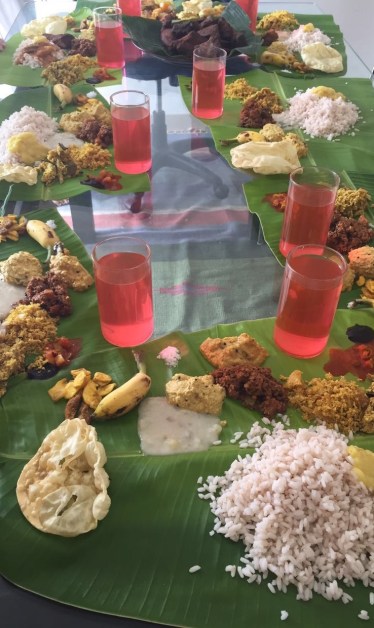
img_5224-1Yesterday, the midday meal was a traditional one for this time of year. We have written about Onam festivities each of the years that we have been based in Kerala, since 2010. Now, during our seventh such celebration, we finally hosted an Onam feast in our own home. In order to be sure that the guests at our table would have the best of the traditional foods of the season we made the only sensible decision: we ordered the feast from a local kitchen we favor.

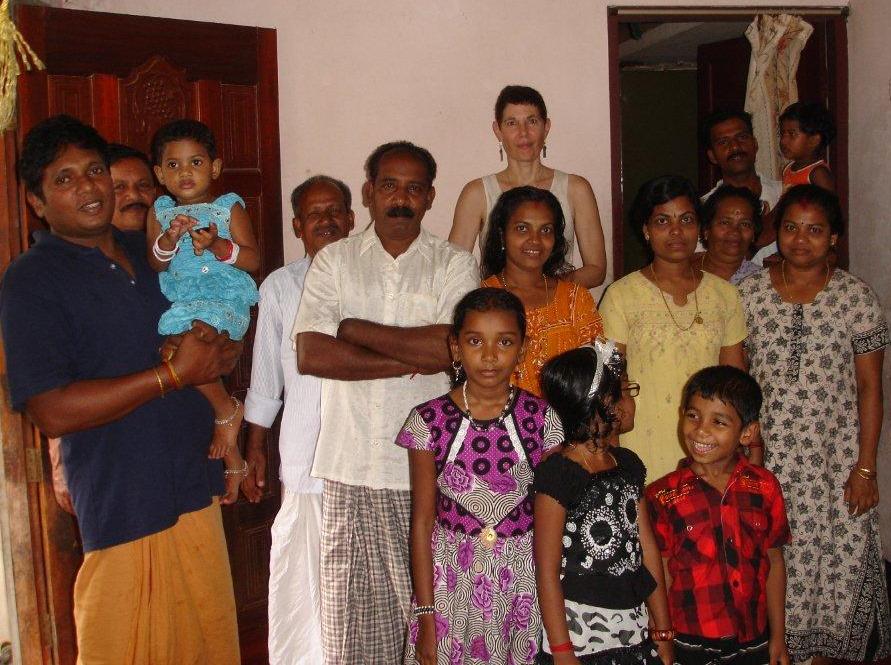
These dishes, which we have written about in previous years, tasted as if they were the best we have yet had. Maybe because it was all so easy and pleasant. Our guests, anyway, we knew to be not high maintenance. It was a cross section, functionally speaking, of La Paz Group’s Kerala team, including (from left going around the table in the picture below) engineering, finance, revenue management, reservations, sales, design, me, and front right is the man in charge of it all, who was also the photographer. Continue reading
From the Soil to Homes and Hearts, this Onam

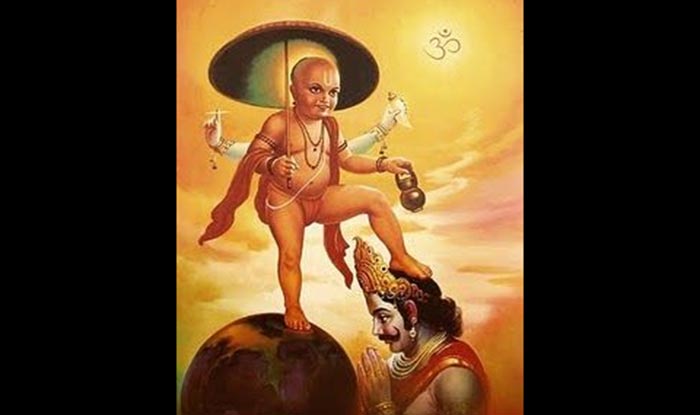
Vamana, an avatar of Lord Vishnu, places his feet on King Mahabali.

Vamana, an avatar of Lord Vishnu, places his feet on King Mahabali.

Kerala was once ruled by Mahabali, who was an asura (Demon). Now being a demon, evil and sinful practices were expected of him, but he was completely the opposite. Mahabali was a mighty king who worked for the prosperity of his people. During his reign, everybody was happy and prosperous. But the Devas (Gods) were jealous and felt that he may surpass them and so they urged Lord Vishnu to help them. Mahabali was about to perform a ritual and he had announced that he would fulfill everyone’s wishes. Vishnu decided to use this opportunity and disguised himself as a dwarf, poor Brahmin called Vamana and went to Mahabali. He asked Mahabali to give him a piece of land which he could measure with three footsteps. Generous Mahabali granted his wish. But everybody was in for a shock when the tiny Vamana grew into a giant. He then took his first step and covered all land, and in his second step he occupied the whole of the sky. He then asked Mahabali where should he keep the third step. Unable to find any more land, the noble king then asked Vamana to keep the third step on his head. Lord Vishnu was pleased with Mahabali’s dedication and so he granted him a wish. Mahabali, who unconditionally loved his people, asked for permission to visit his people once a year. And so Onam is celebrated in his honor and people believe their Mahabali visits them on the day.

Continue reading

Pulikkali – Kerala

Photo credits : R R Ranjith

Photo credits: R R Ranjith

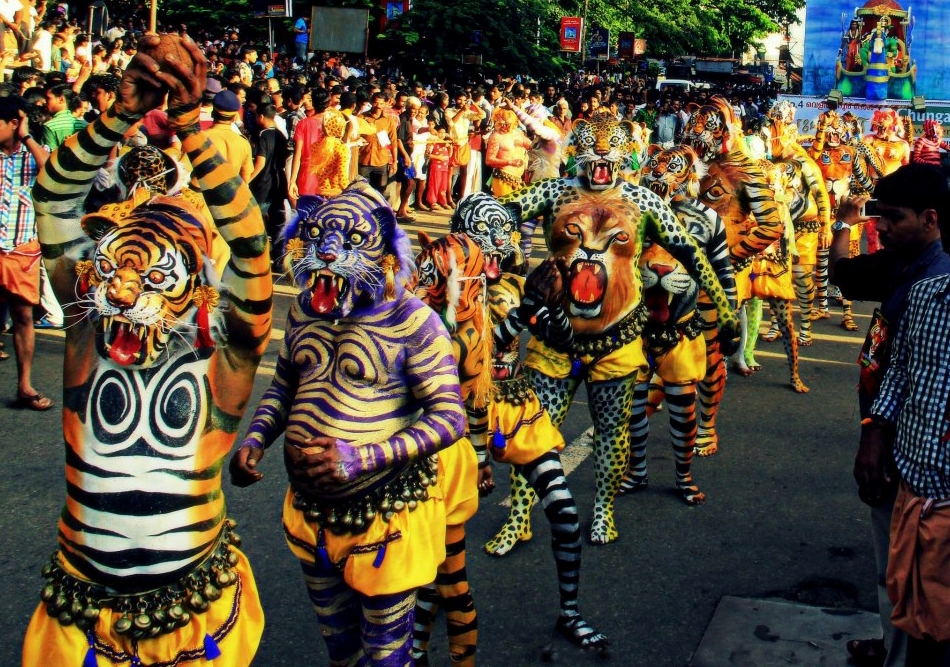
Pulikkali, which means “tiger play”, is a popular folk art form, also known as Kaduvakali. This iconic Onam event is mainly practiced in the Thrissur and Palaghat districts of Kerala. Participants painstakingly paint their bodies like tigers and don tiger masks. (The process can take the entire day to complete with first the removal of body hair and then the application of multiple layers of paint.) The procession also includes men representing hunters. The best performers are chosen out of the hundreds of participants.  Continue reading

Onam Ice Melter

In our neighborhood of Cochin, called Thevara, we walk sometimes in the early morning or late afternoon—been doing this for over a year now.  Yesterday, some ice melted on our afternoon walk.  Our ice, well-melted by warm neighbors.  The ice I refer to is a cultural separator between the we that has been and the we that is and will be. Continue reading

Let Us Give Thanks

The Kerala Harvest Festival Onam transcends religion and region, making it one of the most important festivals of the state. All signs of abundance and prosperity are incorporated into the celebrations: Elaborate pookalams (mandalas made of flowers and leaves, shown below) adorn the courtyards of homes and business; and elaborate multicourse meals called Onamsadya are served on banana leaves.

This slideshow requires JavaScript.

The festival celebrates a story, not unlike the Greek myth of Persephone when she was kidnapped to the underworld but allowed to return once a year for the spirit of rebirth in spring.  The Kerala story is about a beloved king during a time of great prosperity who sacrificed himself, saving the earth from an avatar of Vishnu.  For his devotion he is granted the boon of being able to return to his country once a year to visit his people, who prepare for his coming with an abundant harvest to assure their King that the land still flows with milk and honey. Continue reading