
M. Bendahmane
Three months ago I added “find that gardener” to my to-do list. I have still not checked it off, but remain as intrigued as ever by how roses do what they do. Thanks to Karen Weintraub for this reminder, and the better understanding:
How a Rose Blooms: Its Genome Reveals the Traits for Scent and Color
M. Bendahmane
The scent of a rose fades over time, and has for hundreds of years.
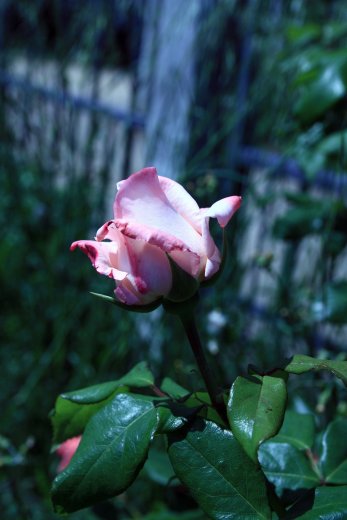
For centuries, generations of breeding in the quest for longer blooms and petals in shades of nearly every hue have dulled the sweetest smells that once perfumed gardens around the world.
French researchers have now figured out precisely which genes make a rose smell so sweet, and where to tinker in the genome to enhance its distinctive scent.
Although the rose genome has been mapped before, a newly published version is far more complete, indicating which genes tend to travel together — scent and color, for instance — and which genes are responsible for continuous blooming, among other traits. Continue reading

 Organikos