Keshava Temple- Belur, Karnataka

Photo credits :Dileep Kumar

Photo credits: Dileep Kumar

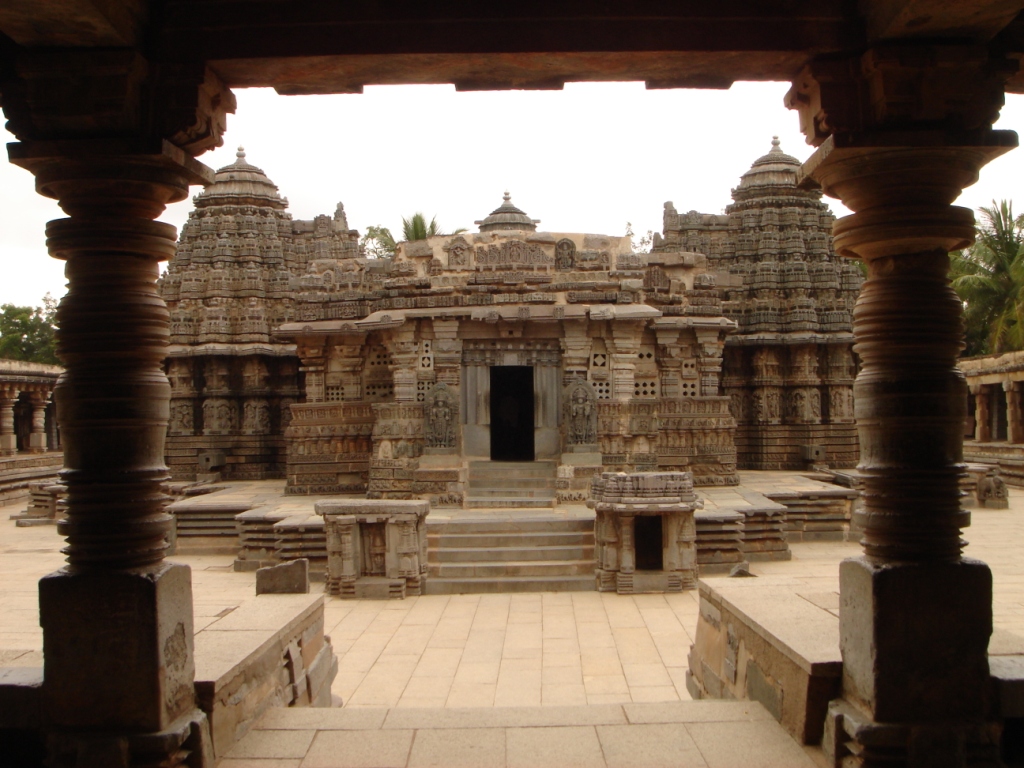
Keshava Temple of Belur is aptly referred to as the “Jewelry Box” of Hoysala architecture, such is the ornamentation and detail of the sculpted pieces. The Mohini Pillar in the Navaranga Mandapa is one of the finest specimens of the Hoysala pillar order. The pillar is placed vertically on a sixteen pointed star plan decorated with a narrow band of filigree work. Continue reading
Uthralikavu Bhagavathy Temple – Kerala

Photo Credits: Ramesh Kidangoor

Photo Credits: Ramesh Kidangoor

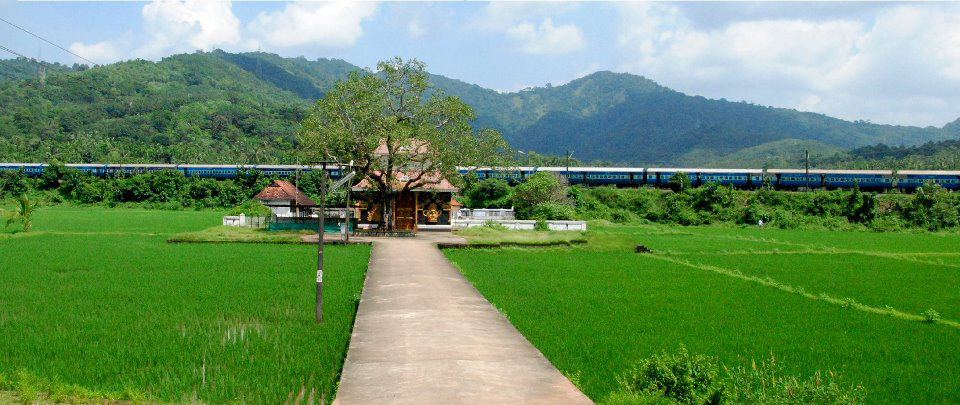
Uthralikavu is a Devi temple surrounded by paddy fields near Thrissur. The Uthralikavu Temple Festival is one of the most popular temple celebrations in central Kerala. The annual pooram festival is conducted by three villages near by. The temple is dedicated to Goddess Sri Rudhiramahakali. Continue reading

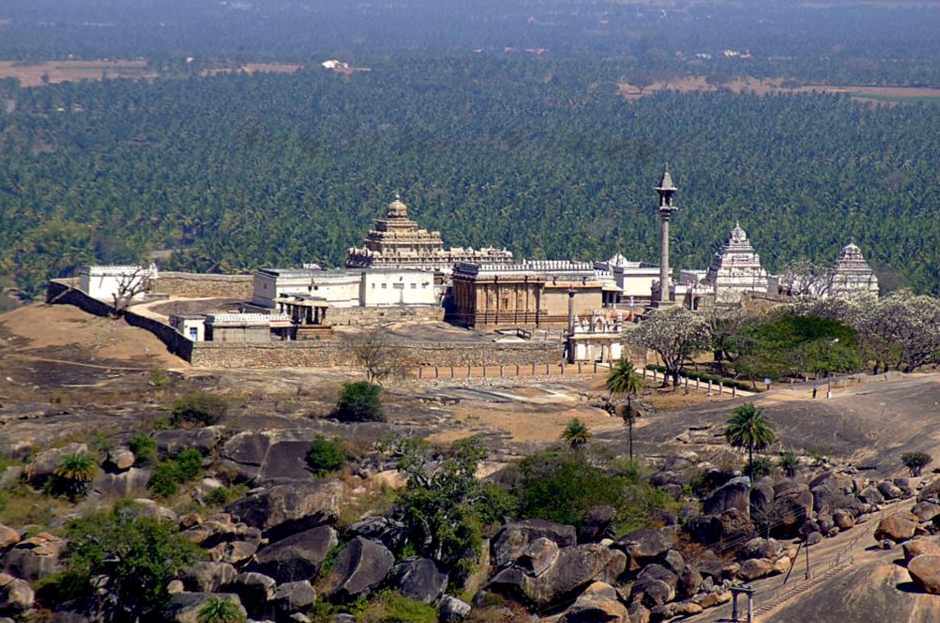
Shravanbelagola – Jain Temple, Karanataka

Photo Credits: Ramesh Kidangoor

Photo Credits: Ramesh Kidangoor

Located strategically between the two hills of Chandagire and Indragiri near Hassan, the picturesque hill town Shravanbelagola is a renowned site for Jain pilgrimages. This Jain temple was built in 983 AD by Chandragupta Maurya, the grandfather of the Great Ashoka. Continue reading

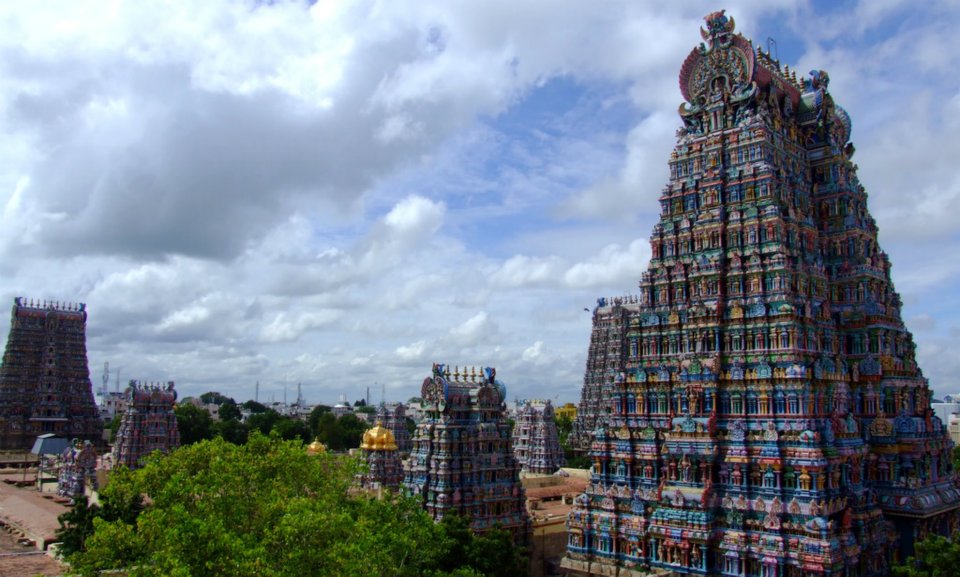
Madurai Meenakshi Temple

Photo credits: Ramesh Kidangoor

Photo credits: Ramesh Kidangoor

Located on the banks of the Vaigai River, Madurai is the oldest city in Tamil Nadu with an historical legacy over 2500 years old. The famous Meenakshi Temple dominates the city, which evolved around it. The architecture is purely Dravidian but there is an amalgam of many styles dictated by many dynasties as the temple changed hands many times. Continue reading

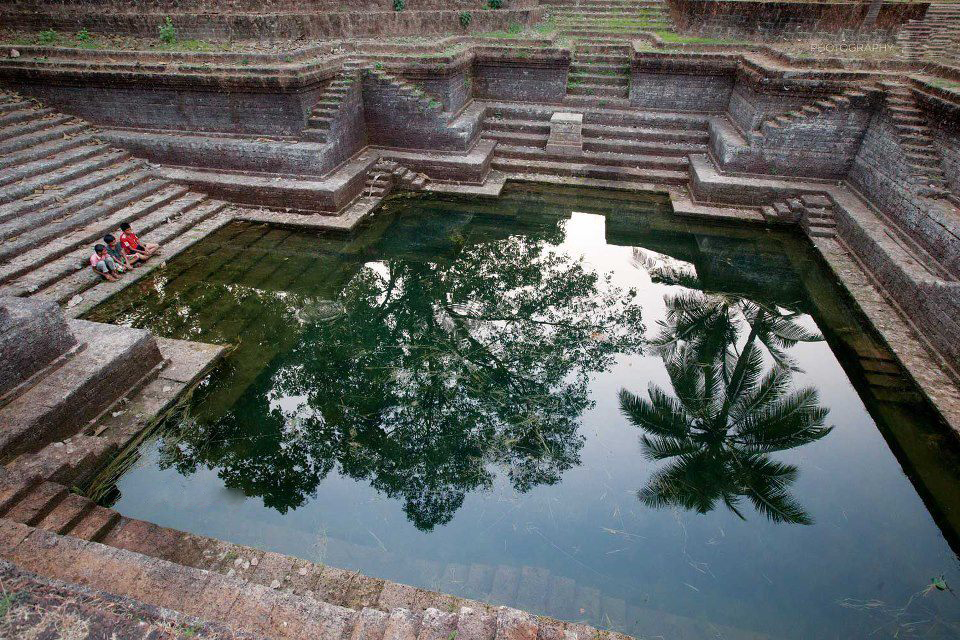
Theerthakkulam – Temple Ponds, Kerala

Photo credits: Shanavas

Photo credits:  Shanavas

Most temples in Kerala have  a sacred pond, or Theerthakkulam, outside the temple wall. Normally the pond  is located on the North- East corner of the compound. The sacred water is used by devotees to wash their hands and feet before going into the temple . Continue reading

Aihole Temples – Karnataka

Photo Credits: Ramesh Kidangoor

Photo Credits: Ramesh Kidangoor

Aihole was the capital of the Chalukyan Kings, who between the 4th and 6th century A.D began experimenting with the idea of constructing temples with stone blocks. Aihole has over 125 temples, all intricately carved and rich in detail. Durga temple has a semicircular apse and a sanctum, encircled by a richly carved colonnaded passageway. Durga temple is roofed in the usual flat Early Western Chalukyan manner. The niches in the circumambulatory  passage around the sanctum are filled with statues; notable among them are splendid images of Durga and Shiva. Continue reading

Kailasanatha Temple – Kanchipuram,Tamil Nadu

Photo Credits: Ramesh Kidangoor

Photo Credits: Ramesh Kidangoor

Kailasanatha temple is the largest and most important of the temples built by Rajasimha, the last king of the first Pandyan empire. Dating from the 7th century, this is one of the oldest temples in Kanchipuram and is a rare example of the Dravidian style. A wall of fifty-eight small shrines further encloses the main shrine. Continue reading

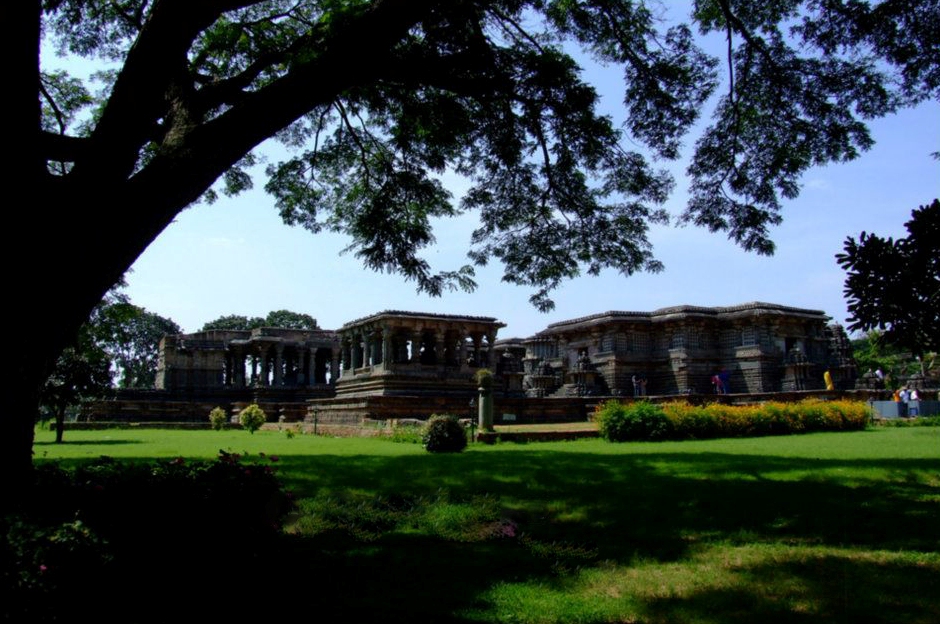
The Hoysaleswara Temple – Halebidu, Karnataka

Hoysaleswara Temple

Hoysaleswara Temple

The Hoysaleswara Temple was built by “Kettumalla” one of the ministers of King Vishnuvardhana during 1121 A.D. It is believed that it took nearly a century to complete the temple, there are still some unfinished portions.The ground plan is the characteristic star shape common to all Hoysala Temples. Continue reading

Thanjavur Memorial Shrines And Nandi Mandapa

Photo credits: Ramesh Kidangoor

Photo credits: Ramesh Kidangoor

The temples and shrines at Thanjavur are amoung the finest examples of South Indian architecture of the late Chola period. Dedicated to Lord Shiva, the Breehadishwara Temple is considered the greatest single undertaking of its time, taking almost 15 years to complete the  full structure. Continue reading

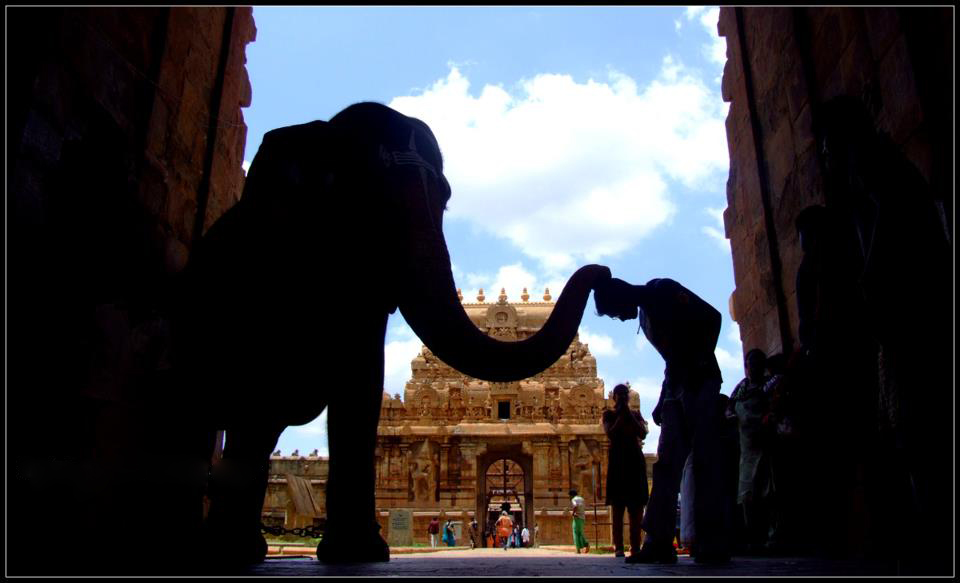
Elephant Blessing – Thanjavur Brihadeeswarar Temple

Photo credits: Ramesh Kidangoor

Elephants are important part of many temple ceremonies and festivals in India especially in the southern states. Frequently the temple elephant carries the idol of the Lord Ganasha and walks in procession around the temple grounds to receive offerings and give blessings in return by placing the trunk gently on the devotee’s bowed head. Continue reading

Badami Cave Temple, Karnataka

Photo credits: Ramesh Kidangoor

The Badami Cave Temple in Karnataka was the capital of the early Chalukyas, who ruled much of that area of India during the 6th and 7th centuries. Badami is a treasure trove of Indian rock-cut architecture and sculpture. It is set in a picturesque countryside at the mouth of a sandstone ravine . The caves overlook a large lake known as Agasythya Teertha.

Continue reading

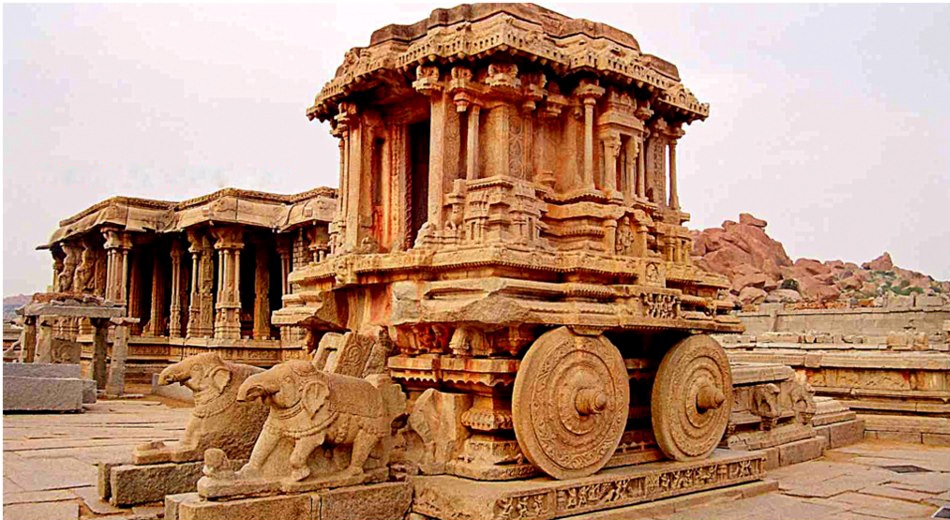
Hampi Vitthala Temple – Stone Chariot

Photo credits: Ramesh Kidangoor

Standing on the southern bank of the Tungabhadra River, the Vitthala Temple is the most magnificent of the religious edifices at Hampi. Vitthala portrays the aesthetic perfection of the Vijayanagar style during the time of Devaraya-II (A .D. 1422-1446). Continue reading

Airavatesvara Temple – Kumbakonam,Tamil Nadu

Photo credits: Ramesh Kidangoor

Kumbakonam (translated roughly from “Jug’s Corner”) is one of the oldest towns in the state of Tamil Nadu. It has unique position in Hindu myth as containing the only temple for Lord Brahma due to the legend that he filled a clay pot with the seed of all living beings on earth. Continue reading

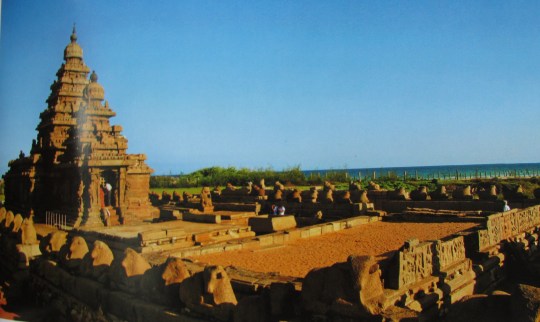
The Shore Temple – Mamallapuram (Tamil Nadu)

Photo Credits: Salim Pushpanath

The Shore Temple is one of the oldest temples in South India. Built during the 8th Century A.D., it is a good example of the Dravidian style of temple construction. Continue reading

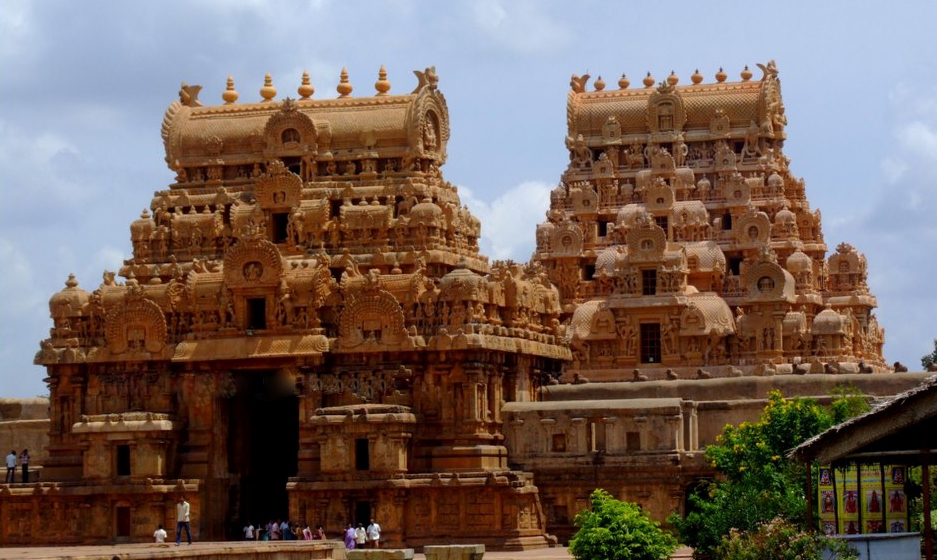
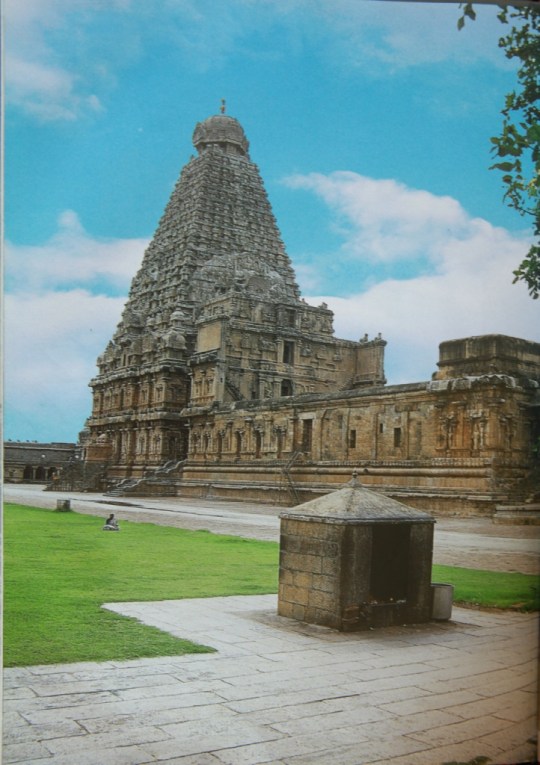
Thanjavur Brihadeeswarar Temple – Tamil Nadu

Brihadeeswarar Temple in Tamil Nadu is one of the greatest artistic accomplishments of the Late Chola period. At 216 feet in height, the shrine of this UNESCO World Heritage Site is the largest and tallest in India. This was an imperial monument to Chola power, built without using bricks, lime mortar or clay. The stones are placed one above the other and are held in place due to sheer weight. Continue reading

Mamallapuram – Arjuna’s Penance

In South India Temple worship has been a glorious tradition; over the years there have been many schools of Temple building: the Ddravadin, Chalukya, Pallava, Hoysala and Pandya. The Temples were constructed with strict observance of the rules put down in the Agama Silpa Shastras (the book of Architectural techniques).  Continue reading

Vadakkunanthan Temple (Thrissur, Kerala)

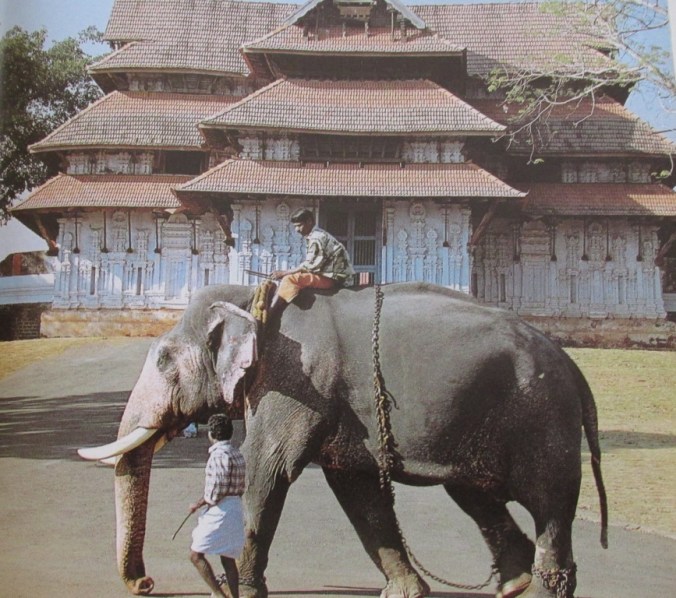
Vadakkunanthan Temple is one of Kerala’s most ancient and famous temples. Millions of people witness the famous Thrissur Pooram with dozens of elephants at the temple annually. They also visit the site to view the many decorative paintings and historically important pieces of art. Continue reading

Chennakeshava Temble – Somnathpur

Built in 1268 A.D., Chennakeshava Temple  is located in the Mysore District of Karnataka.  This temple is famous for its elaborate artisanship. The temple stands on a raised, star-shaped plinth in the middle of a spacious enclosure containing sixty-four cells.

Continue reading

Nandi Bull of Mysore

Photo Credits: Remesh Kidangoor

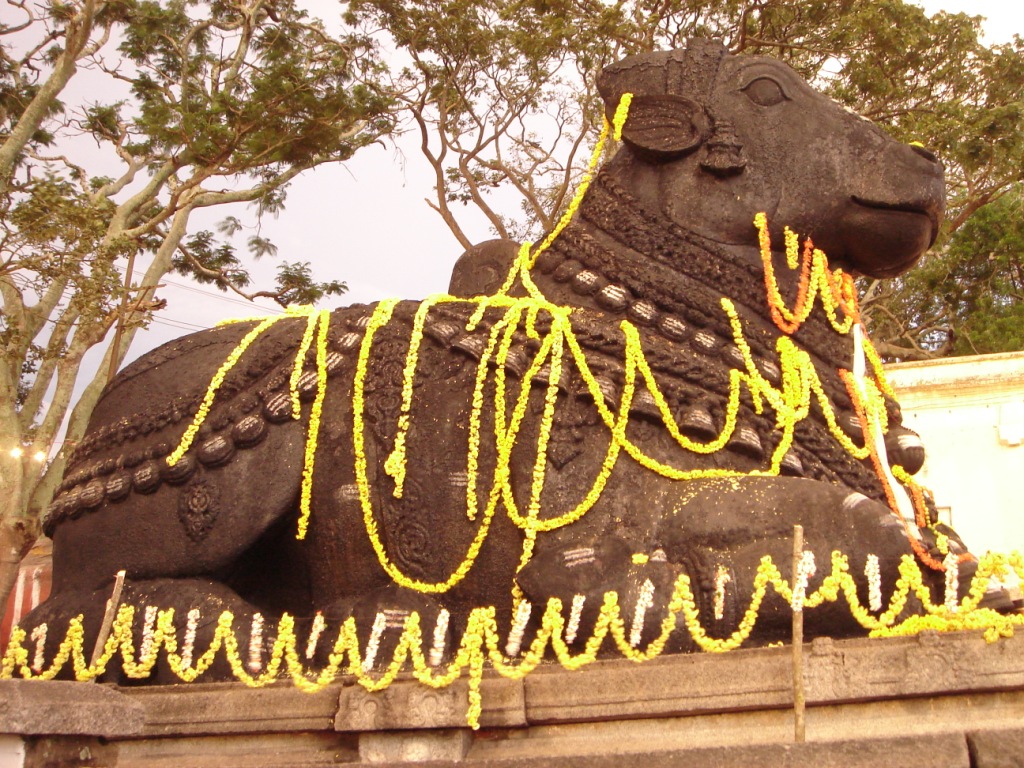
Nandi Bull is one of the landmark tourist attractions of Mysore. The over 350 year old statue represents Lord Shiva’s vehicle and was created during the reign of Dodda Devaraja. The Nandi is the third largest in all of India, carved out of a single piece of a rock 15 ft height and 24 ft width.

Continue reading

Madurai Meenakshi Temple

Madurai, a city in the Indian state of TamilNadu, is commonly known as temple city as the Meenakshi Amman temple is situated there. The main deity of the temple is Meenakshi, the avatar of Goddess Parvati, spouse of Lord Shiva. The story behind the temple and Meenakshi is as follows. According to the legends, this avatar of Goddess Parvati was an answer to the devotion of King Malayadwaja Pandya and his wife Kanchanamalai, for their request for parenthood. They were granted a girl but she was three breasted. The worried king approached Parvati in prayer and a call from heaven answered that the third breast will disappear once she found her consort. Continue reading