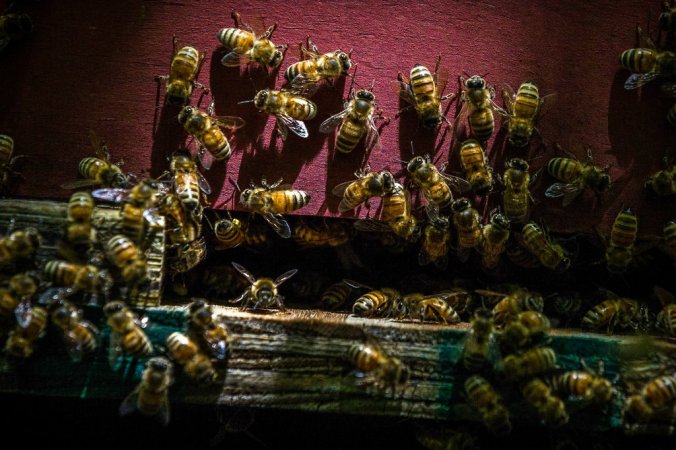
In the well-kept hives tended by beekeeper Fred Merriam in Georgia, every bee has a job to do. Credit Stephen B. Morton for The New York Times
Kim Severson last caught my attention about a year ago. She covers food culture for the New York Times, and this is the fifth time we have found a story of hers a perfect fit for our platform’s themes. Food intersecting with conservation is always welcome, and honey specifically is on my mind these days. Honey bees? Always of interest. During our transition from India back to Costa Rica over the last two years we spent much of our time in Atlanta. The honey in this story was available in the farmer’s market we shopped at, and we occasionally indulged. I am gratified to learn more about it here:
On the Trail of Tupelo Honey, Liquid Gold From the Swamps
Hurricanes, blights and encroaching development have cut into the harvest in Florida and Georgia, but a small cadre of beekeepers still fiercely pursues this lucrative prize.
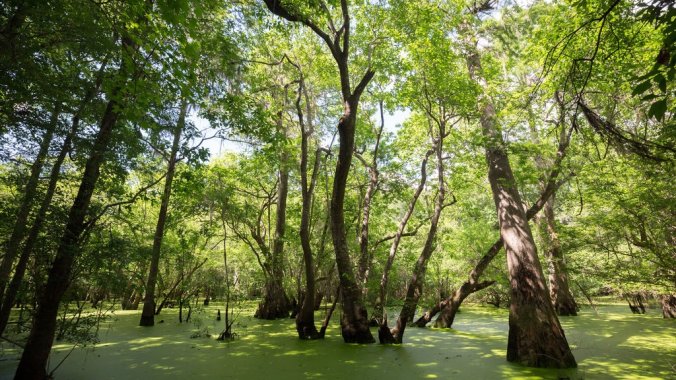
Tupelo trees, which produce small, nectar-filled light green and white flowers for two weeks each spring, rise out of swamps in the Altamaha River Basin in southeastern Georgia. Credit Stephen B. Morton for The New York Times
ODUM, Ga. — The most expensive honey in America starts in these mucky Southern swamps, where white Ogeechee tupelo trees twist up out of water so dark you can’t tell if that was an alligator or a snake that just broke the surface.
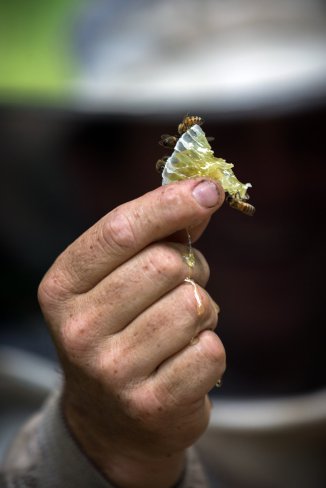
Tupelo honey fresh from the comb has a distinctive light green tint. Credit Stephen B. Morton for The New York Times
For two precious weeks each spring in this slice of southeastern Georgia and in the Florida Panhandle, tupelo trees bloom with pale, fragile flowers that look like pompoms for tiny cheerleaders. Beekeepers tuck their hives along the banks, or occasionally float them out into the water on rafts. Then the bees get to work, making honey that looks and tastes like no other.
Good tupelo will glow with a light green tint, especially when it’s fresh from the comb and bathed in sunlight. The first taste is of cinnamon with a tingle of anise. That gives way to a whisper of jasmine and something citrusy — tangerine rind, maybe? The honey is so soft, light and buttery that the only logical move is to chase it with another spoonful. Continue reading
 Organikos