With the close of the semester, I’ve had some time to reflect on the classes I took—and which ones provided the most value. One of best courses I took this semester at Cornell was called Green Real Estate, and it was taught by Mark Vorreuter, a passionate LEED AP who was eager to see students of all majors interested in green buildings. The course covered many aspects of LEED (Leadership in Energy and Environmental Design), a certification offered by the Green Building Council for buildings, homes, and neighborhoods that meet a set of criteria. I remembered spending several nights cramming for a practice LEED exam in which I had to acquaint myself with many of its specific criteria, but not until recently was I able to see the real effects of green building and neighborhood design.
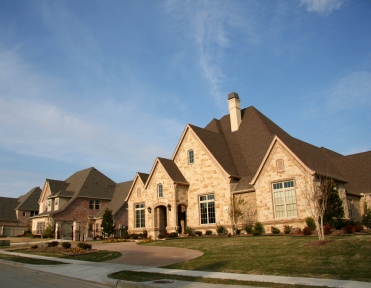
Suburbs in Pearland offer large houses, wide roads, and generous land spacing.
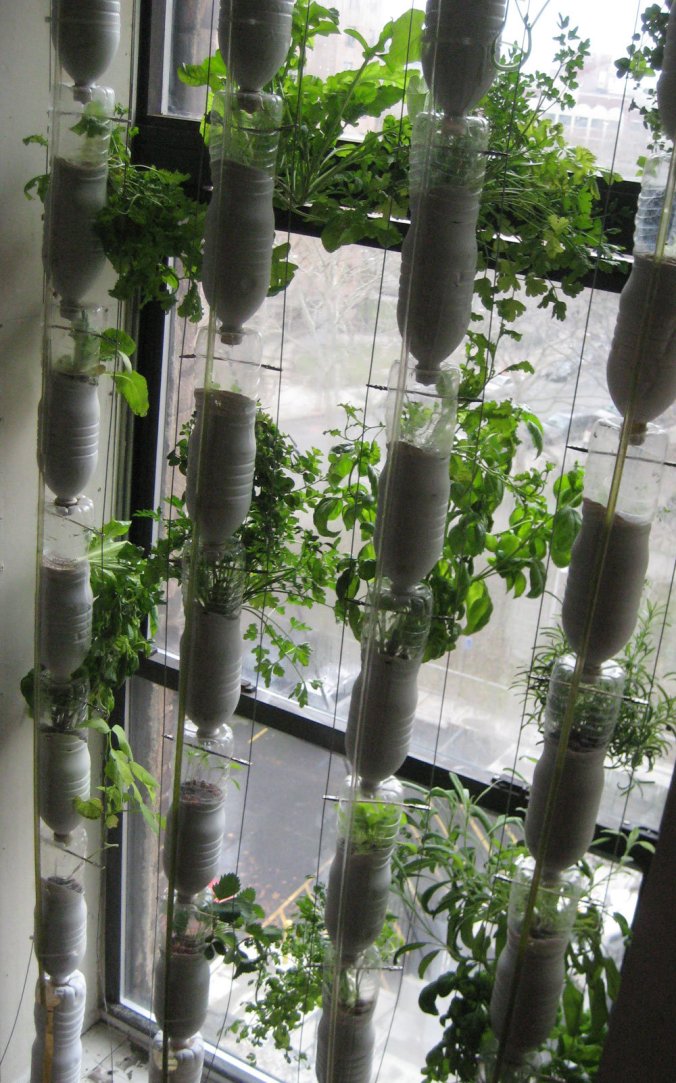
 Organikos