
Nesting Brown Noddies
The sun rose on a beautiful spring day in southern Florida. After a week and a half of birding with my dad across the state, our trip was coming to a close. During this time we had seen some amazing species: Mangrove Cuckoo, Snail Kite, Swallow-tailed Kite, Snowy Plover, Black-whiskered Vireo, Short-tailed Hawk, and so much more. However, we had saved the best for last.
Prior to the trip there was some concern over the looming government shutdown. My dad hesitantly warned me that with this shutdown all of the national parks and refuges would be closed, meaning we could not bird them. That would mean no Everglades, no Loxahatchee, no Ding-Darling, and most importantly (as I would soon find out) no Dry Tortugas. Soon after we arrived in Miami though, we learned that the government had reached a deal and our trip was a full go.
On April 14th, we awoke early in our Key West hotel ready to take the two-hour boat ride across the Gulf of Mexico to the Dry Tortugas. The night before we had heard stories and sightings from the trip the previous day. They told us that they seen such sea specialties as Masked Booby, Brown Booby, Pomarine Jaeger, and Black-capped Petrel, and that was not counting the birds that reside on the islands themselves. I was nervous and excited, as I wanted to see everything and more that they had.
As we set out, we were met with clear skies, flat seas, and slight winds–perfect weather for pelagic birding. Our magnificent day started with a flyby Masked Booby a few miles after departure. Soon a Brown Booby greeted us as well. Frigatebirds owned the skies as they soared effortlessly over our heads, stealing an occasional meal as they are known to do. As we approached the islands the species began to change. The Dry Tortugas are famous for hosting a variety of nesting seabirds, and the colonies of these seabirds can reach the tens of thousands. It is the only place in North America where you can find nesting Masked Boobies and is home to Brown Noddy, Bridled Tern, and Sooty Tern. Needless to say, the seabird colony was a spectacle I will not soon forget. In addition, Fort Jefferson, one of the islands of the Tortugas, is famous for its passerine migration as well. This is the first land these migrants see when they are crossing the Gulf. The species we saw were incredible: Painted Bunting, Hooded Warbler, Cape May Warbler, Gray Kingbird, Indigo Bunting, Blackburnian Warbler, Ovenbird, Yellow-billed Cuckoo, and many more. The views are particularly incredible because there is only one source of fresh water on the island–a small fountain in the middle of the fort. Birders can sit on benches in the shade by the fountain, and watch a steady stream of thirsty warblers come to it.
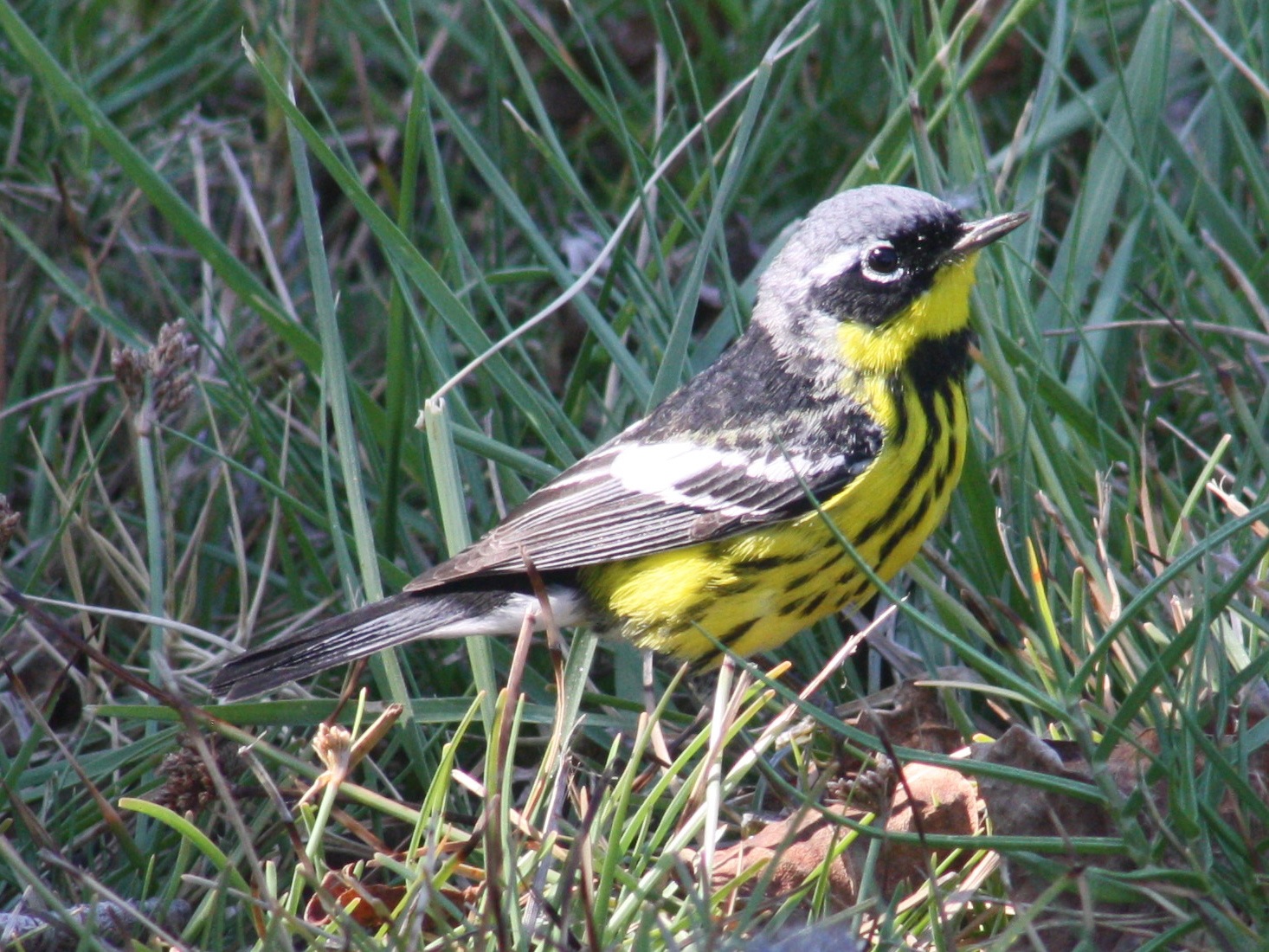
Magnolia Warbler

Hooded Warbler
I would highly recommend a trip out to the Dry Tortugas to see the birds. It is the most amazing birding site I have ever been to, and something I will remember for the rest of my life.
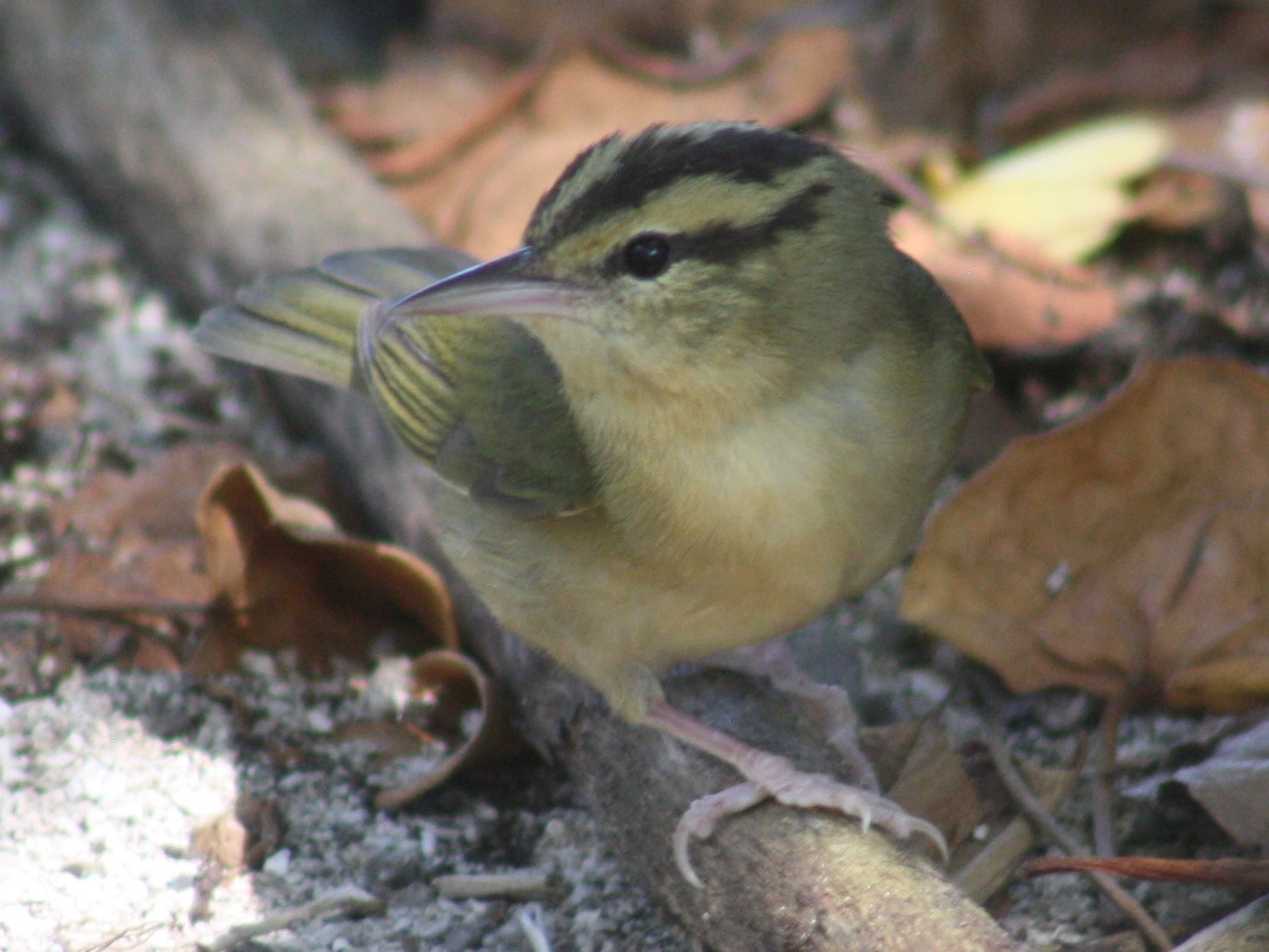
Worm Eating Warbler
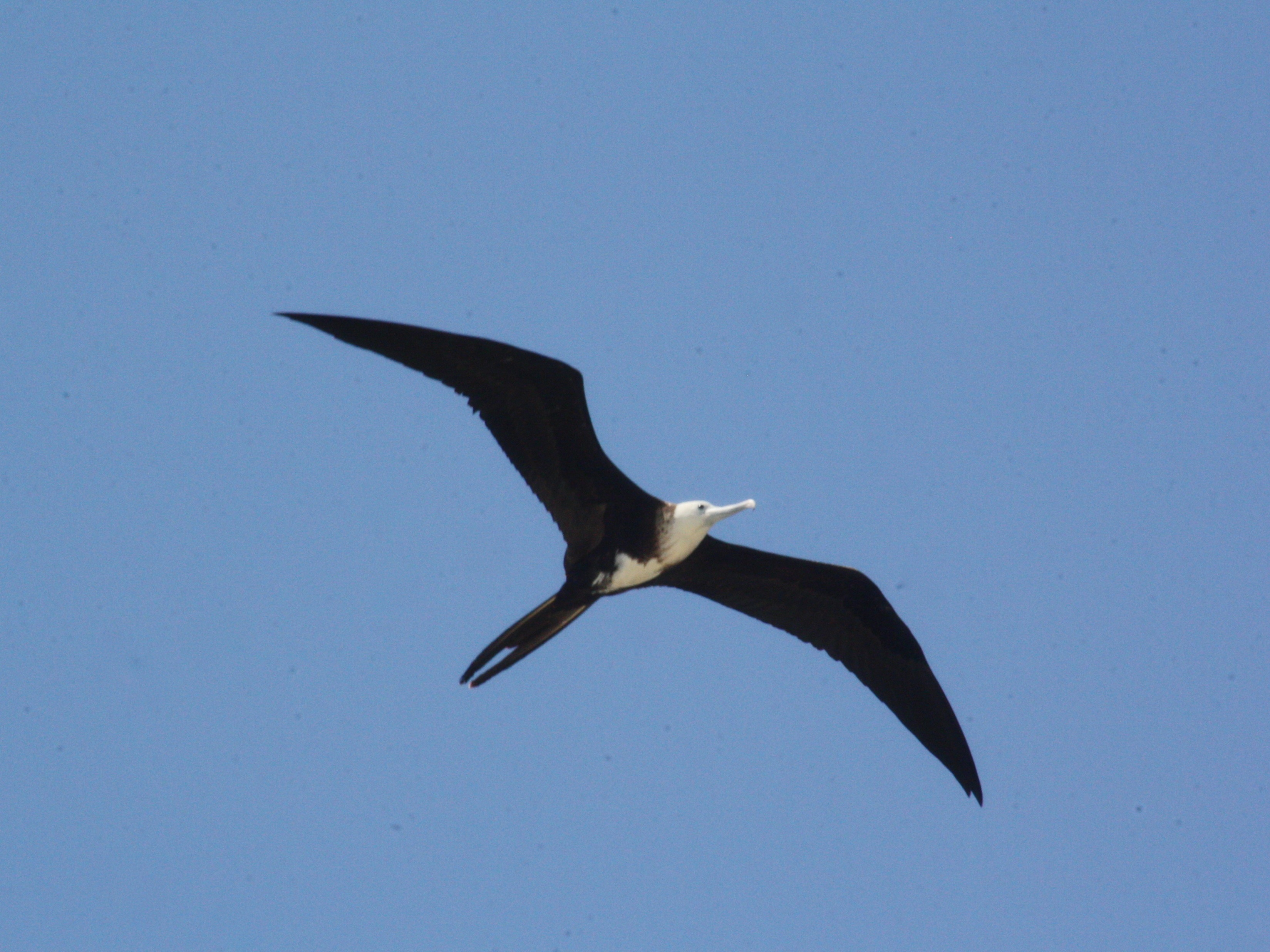
Magnificent Frigatebird
 Organikos