Guest Author: Denzel Johnson
 Tourism is a big industry. In some countries it’s their largest. A fair amount of people who travel come from developed regions and visit less developed countries with the aim to help. No one can fault another person for wanting their travels to have a positive impact, but what happens when voluntourism causes more harm than good?
This question led me to form an opinion about what type of tourism is acceptable. I began with the premise that travel has positive implications on the traveller and used myself as an example. Having graduated from High School last summer, I set off to travel and explore the Americas. In England, that is referred to as a Gap Year, wherein a student takes the year off between High School and College (University) and in this year can travel, work or do nothing. My situation is a little different because I am travelling on a scholarship from the Royal Geographic Society but the benefits are the same.
I can agree with a percentage of the population who are in favour of travelling and being able to experience other cultures, especially when this form of travel can allow for long-term immersion. I know people who say things like “What is the point of travel? You should be at home”, but I also know people motivated by curiosity who consider travel as a ‘wow’ experience and an alternative way to learn.
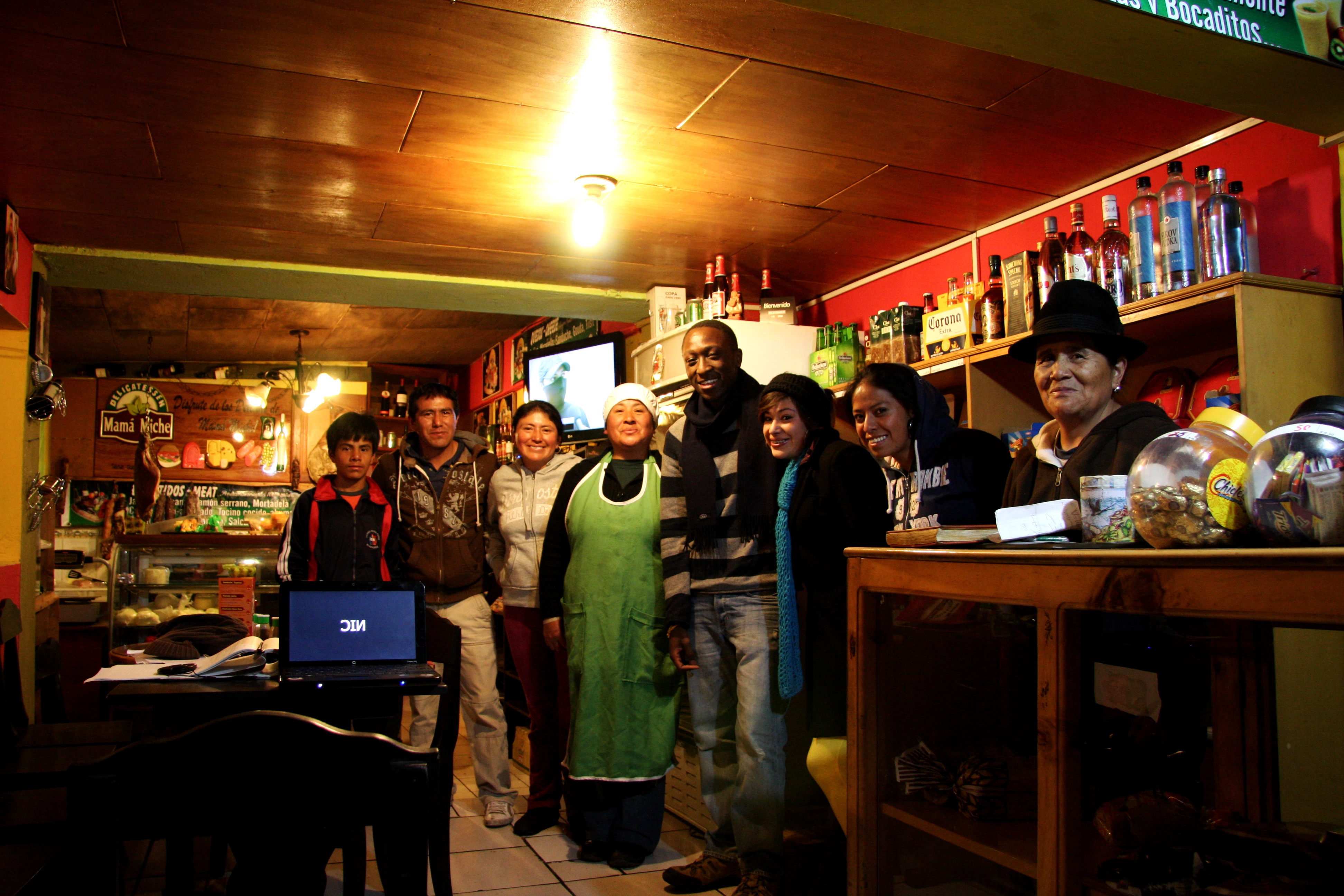
Working at Salinas de Guaranda
My experience involved learning another language and making connections that I am sure will last years. I gained an understanding of what it means to work to live and an appreciation for the simple things. I split my time how I saw fit, sometimes doing nothing, always embracing cultures or even working, as I traveled through South America, Central America and now North America.
What’s most memorable to me though is having been able to volunteer throughout Ecuador and in Peru. Actually planning this in advance had been difficult. When I was back home I knew I wanted to volunteer and I did a lot of research, but I kept coming up with the same results – volunteering for a price.
Why should anyone have to pay to volunteer, or even want to? That isn’t volunteering. (In fact, the dictionary definition of the verb is a free offer of work.) I can understand the requirement to cover reasonable living expenses, but in my opinion that should be the only fee involved. After all, if a volunteer is willing to pay their hosts for the work they’ve come to do, then livelihood is then taken away from those locals you intended to help.

At Salinas in official “ministry of tourism” attire, hairnet and all.
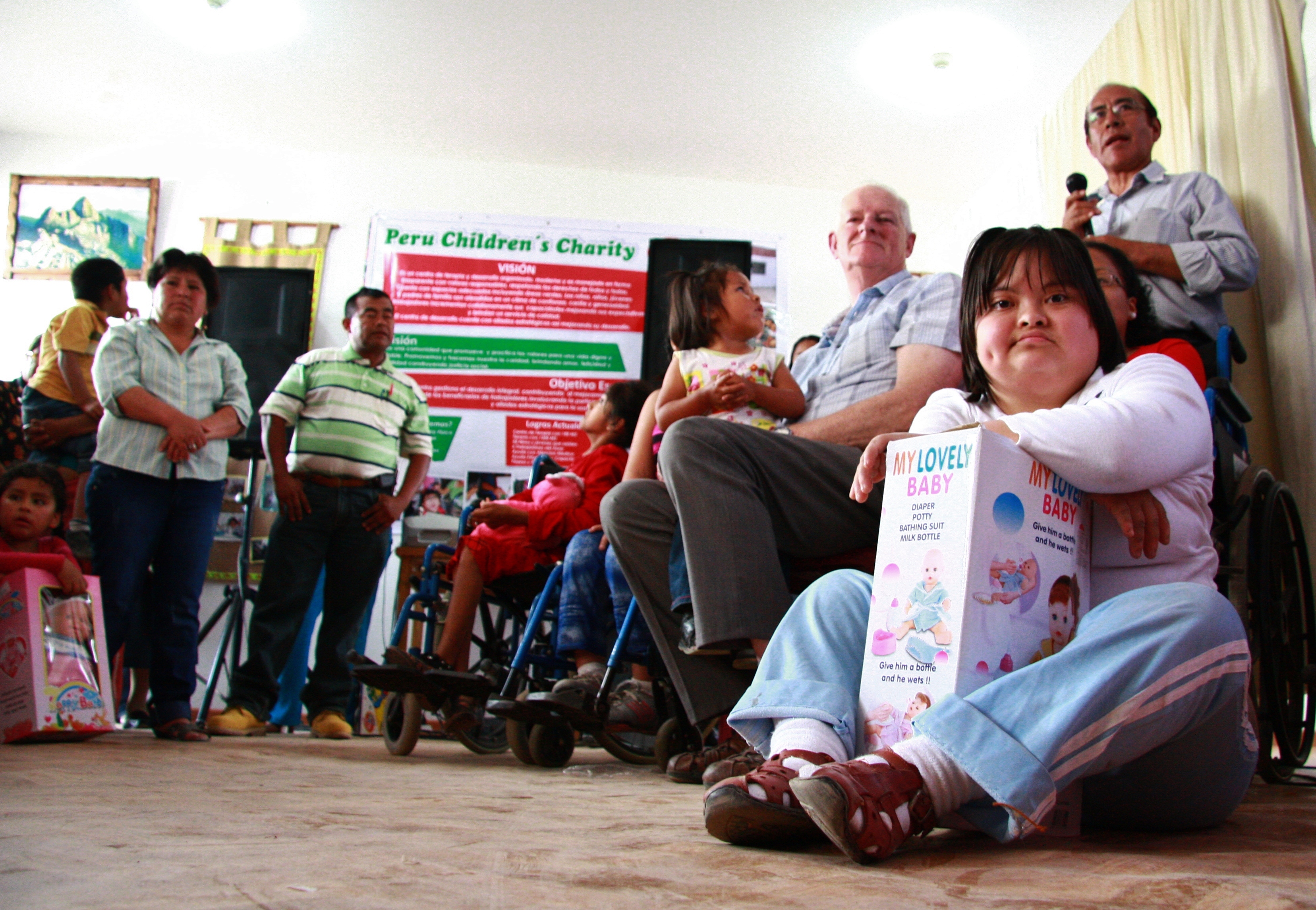
Without saying anymore, I think it’s obvious that I didn’t pay to volunteer. I volunteered in one of Ecuador’s most successful communities. I supported a charity in Peru that helps families help themselves through local involvement. I discovered other projects in other countries that I was able to help with. More importantly, I was only offered the opportunity to be involved on the terms of the people I volunteered for; I met the people and even had to submit a resume for some charities. They had to know me and trust me and I had to trust them.
 About the author: I am a student from England currently travelling the Americas on a scholarship from the Royal Geographic Society. My interests come from a geographic point of view aimed at understanding different cultures and what their place is in the modern world.
 Organikos
I’ve always wanted to travel and volunteer but have been wary of paying to volunteer. How did you find out about these charities that you volunteered for?
Megan Madill gave some tips in her post: https://raxacollective.wordpress.com/2011/12/11/how-to-volunteer-in-costa-rica/. Let us know if you find them helpful, and thanks for stopping by!
Negative! Some good information on Costa Rica, but not a lot of suggestions about where to volunteer. What else you guys got? 🙂
Hi Grumpyhiker! We spoke with Megan Madill and here is her response to you: “I’d advise that he get in touch with the Costa Rican embassy nearest him. Mine is all the way in London, so I just emailed and said I was interested in volunteering and they sent me a list of NGOs with contact details (some more details than others). Then it was just a case of trial and error to see who got back to me. I don’t know if he speaks Spanish or not, so if he doesn’t that might complicate things – in that case he’d probably be best off with something like Habitat for Humanity or the Sloth Sanctuary – although I just checked and they’re currently overwhelmed by volunteers and can’t take on any more. I think it becomes more complicated if you’re looking for an English-speaking post, as most of the NGOs on my list were based in rural places and not really accessible to non-Spanish speakers. I hope this is still useful though!” Cheers and thanks for the comment!