From Scotland and South Africa to Scottsdale and South America, certain destinations draw countless visitors whose singular recreational motivation is golf. Few other sports or activities require the amount of terrain that golf does, so its environmental implications go further than most sports. But when considering golf’s land use, it is refreshing to recognize how many courses end up being preservations of rich natural areas and contribute to conservation as places of refuge for wildlife and plant life.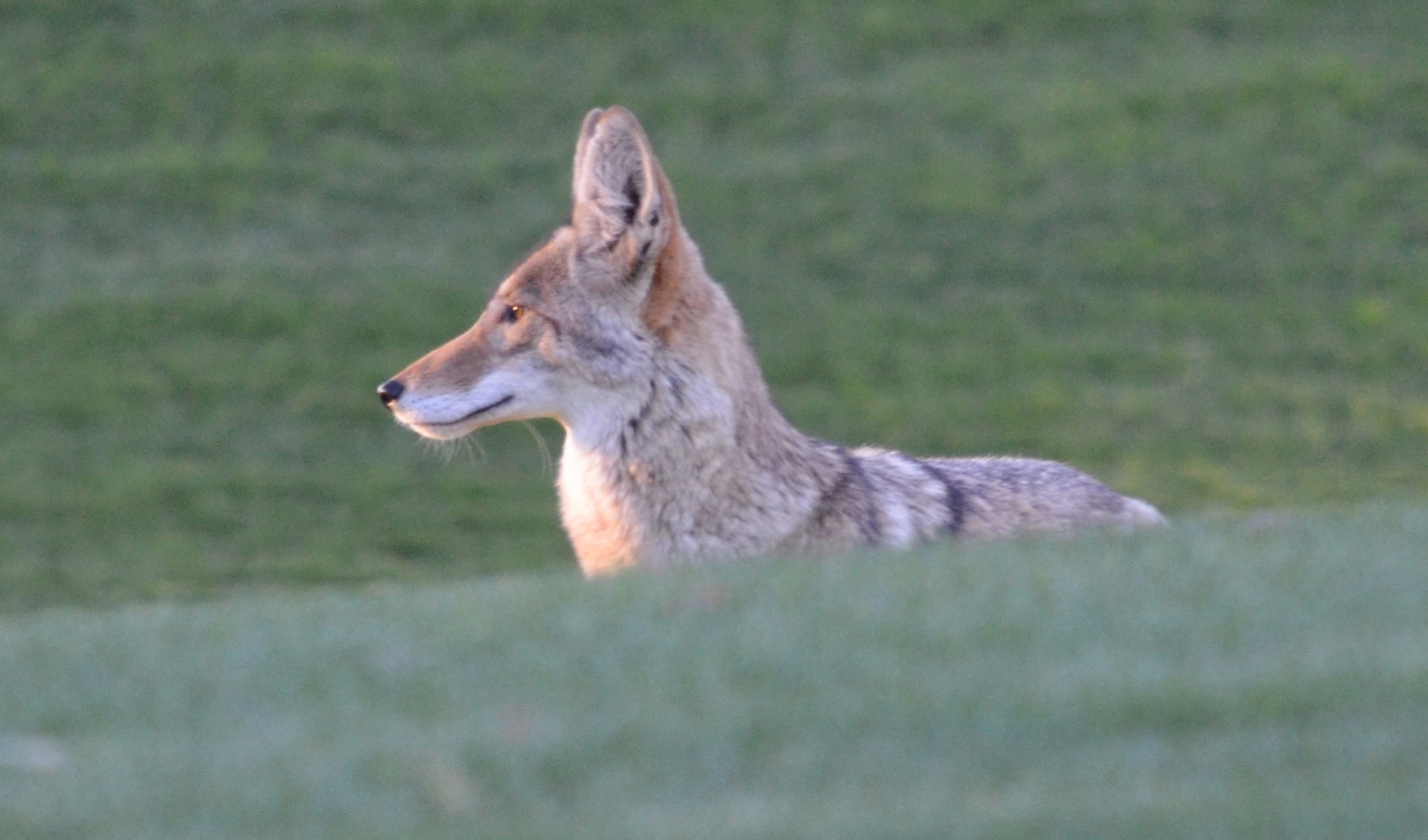
Golf (as we know it today) began in 15th century Scotland and was played on open spaces, dunes and hlincs, an Old English word meaning “ridge” or “rising ground.” The word links is now used to describe a style of golf course, generally coastal, that leaves the land’s natural formations untouched and embeds the course’s obstacles into the existing landscape. This is the most environmentally friendly approach to golf course construction for the obvious reason that it creates a minimal disturbance to the physical surroundings. Many links courses are a default usage of land that is too sandy for buildings and too salty for farmland. Some links courses, especially in Great Britain and Ireland, even use grazing animals instead of a greens staff to keep the grass cropped. Of course, this practice is ideal and rarer than it should be.
The more common style of golf course is less ecologically ideal, and depending on the course, can have a debatable impact on the environment.
The typical course is considerably construction-heavy because land must be moved to create the obstacles envisioned by the architect(s). Often a new, non-native turf is brought in, and plant life is cleared for fairways or planted for hazards. Other (usually artificial) hazards, like water or sand are also put in. Landscaping frames the course and provides the desired aesthetic. The average golf course is 60 hectares (150 acres) with 30 hectares (74 acres) of maintained turf, resulting in huge amounts of water needed for irrigation and chemicals used for maintenance. Add to this the potential impediment of pre-existing animal habitats and what you get is a seemingly ruthless perpetrator of environmentally damaging practices.
For several generations in golf’s evolution, maintenance practices were often ruthless indeed, particularly in the areas of water consumption, chemical use in fertilization and pesticides, and the effects of construction on environmentally sensitive areas.
Fortunately, modern times have brought about a wake-up call of sorts for golf course designers, builders, and managers. Environmental groups have opposed the construction of enough golf courses that the golf industry seems to have gotten the message. Now new-build courses are faced with significantly more restrictions than in decades past and must meet a number of environmentally focused criteria to even be considered for construction. As to be expected, these restrictions have to do with turf management, water use and land use as it relates to wildlife and plant life.
Messages regarding golf course sustainability are now coming from within the industry. Golf’s largest governing body, The Royal and Ancient Golf Club of St Andrews (referred to simply as The R&A), provides a webpage aimed at environmental stewardship and social responsibility in golf course management and design. Similarly, the United States Golf Association (USGA), which is the ruling authority on golf in the United States and Mexico, provides information along these same lines. The goals of these organizations have shifted to include a greater concern for the sustainability of the game.
One recommendation from the USGA is membership in the Audubon Cooperative Sanctuary Program for Golf Courses (ACSP), which assists golf courses in preserving and providing natural habitats and enhancing natural areas. This coincides with the growing trend of naturalistic golf course design, which maintains the integrity of the native landscape and enhances biodiversity by leaving out-of-play areas as untouched as possible. Architects are more conscientious than ever about the ways in which their designs will interact with the natural environment, and it means good things for the future of golf and the areas where it is played.
As for long-existing golf courses that don’t have the economic luxury of re-turfing or re-designing, there are opportunities for ecologically sounder management practices. The R&A cites a few, including water resources, pesticides and fertilizers. Alternatively, minor design changes could prove beneficial for these courses, like linking isolated habitat patches by creating vegetation corridors or conserving water by recapturing and reusing it.
Despite the opposition these courses may have received from environmental groups, who were concerned for existing wildlife sanctuaries or migration corridors, many mature golf courses have turned into havens for several species. While some species may not have been native to the preexisting land, golf courses have played an important role in the conservation of certain birds, such as purple martin, osprey, and red-cockaded woodpecker, according to a fact sheet on considering wildlife in golf course management by Ohio State University.
While there is still much improvement to be made in the overall approach to golf course management and design, golf has provided a unique recreational cross-section between man and the wild that can allow for a natural experience. Golfers in Palm Springs, California get to visit with coyotes and rabbits while players in the Southern United States watch for alligators. It may not be eco-tourism or outright conservation, but the sport has contributed (if inadvertently) to the longevity of a considerable number of natural assets. As awareness increases, the future for the environments where golf is played looks promising.
 Organikos
I like the point you make that courses almost inadvertently become wildlife havens, albeit with different species than the previous raw land. Some of the best wildlife can be seen on golf courses.
Recently, the urban planning industry has wrestled with the fact that golf was overbuilt in North America, so many of the courses are reverting back to other land uses. Golf is a wonderful “temporary” placeholder of large, open parcels of land; but the challenge is to come up with an alternative open space use or even more creative/functional use of unprofitable golf courses. In some cases, dealing with the created wildlife habitat will add to the challenge.
Pingback: Salamanders Announce Arrival of Spring in Ithaca | Raxa Collective